
A health and wellness center, at its core, is an entity designed to promote and facilitate comprehensive well-being beyond traditional illness treatment. From a branding perspective, understanding “what it is” fundamentally involves dissecting its unique brand identity, strategic positioning, and the intentional experience it aims to deliver. It’s not merely a collection of services, but a carefully curated brand ecosystem built around the promise of holistic health, preventive care, and an improved quality of life.
Defining the Core Brand Identity
The essence of a health and wellness center, when viewed through a branding lens, lies in its distinct identity – what it stands for, who it serves, and the unique value it consistently delivers. It’s about establishing a clear, compelling brand persona that resonates with its target audience and differentiates it within a burgeoning market. This identity isn’t accidental; it’s a deliberate construct that underpins every operational and communicative facet of the center.

More Than Just Services: Crafting a Holistic Experience Brand
Unlike traditional medical clinics that often focus on episodic treatment of illness, a health and wellness center brands itself around a continuum of care and a proactive approach to health. Its brand promise extends beyond symptom management to encompass physical, mental, emotional, and even spiritual well-being. This requires a brand strategy that emphasizes a holistic experience, where every touchpoint—from the welcoming ambiance of the facility to the integrated nature of its services—reinforces the brand’s commitment to comprehensive personal growth and flourishing. The experience itself becomes a key brand differentiator, fostering a sense of community, support, and empowerment among its clientele.
The Mission and Vision as Brand Pillars
At the foundation of any strong health and wellness brand are its mission and vision statements. These are not just internal declarations but crucial external brand communication tools that articulate the center’s ultimate purpose and aspirations. The mission statement defines the center’s present reason for being—what it does, for whom, and how it achieves it. For example, “To empower individuals to achieve optimal health and vitality through integrated, personalized wellness programs.” The vision statement paints a picture of its desired future state—the impact it seeks to make on the world. For instance, “To be the recognized leader in holistic well-being, fostering a healthier, happier community.” These foundational statements guide all branding decisions, from service development to marketing messaging, ensuring brand consistency and authenticity.
Differentiating in a Crowded Market: Unique Value Proposition
In an increasingly competitive landscape, a health and wellness center must articulate a clear unique value proposition (UVP) to stand out. This UVP is the core reason why a client would choose one center over another; it’s the brand’s distinctive advantage, communicated clearly and consistently. Defining this requires a deep understanding of market needs, competitive offerings, and the center’s inherent strengths.
Identifying Your Target Audience
Effective branding hinges on knowing who you’re speaking to. A health and wellness center cannot be everything to everyone. Identifying a specific target audience—whether it’s busy professionals seeking stress management, seniors focused on mobility and longevity, new mothers needing postpartum support, or athletes aiming for peak performance—allows for tailored brand messaging, service offerings, and marketing channels. Understanding their demographics, psychographics, pain points, and aspirations enables the brand to speak directly to their needs, building stronger connections and fostering loyalty. This audience segmentation ensures that brand efforts are efficient and impactful.
Specialization vs. Comprehensive Offerings
The scope of services offered is a critical branding decision that directly impacts the UVP. Some centers choose to brand themselves as specialists in a niche area, such as functional medicine, mind-body therapies, or corporate wellness solutions. This specialization creates a strong, focused brand identity that appeals deeply to a particular segment. Others opt for a more comprehensive branding approach, offering a wide array of services from fitness and nutrition to mental health counseling and spa treatments, aiming to be a one-stop-shop for holistic well-being. Both approaches can be successful, but the choice profoundly influences the brand narrative, the expertise highlighted, and the overall perception of the center. The key is to clearly define and consistently communicate the chosen approach.
Building a Recognizable Corporate Identity
The corporate identity of a health and wellness center is the visual and verbal manifestation of its brand. It’s how the brand presents itself to the world and leaves a lasting impression. A well-crafted corporate identity fosters recognition, builds trust, and communicates the center’s professionalism and ethos.
Visual Branding: Logo, Color Palette, and Aesthetics
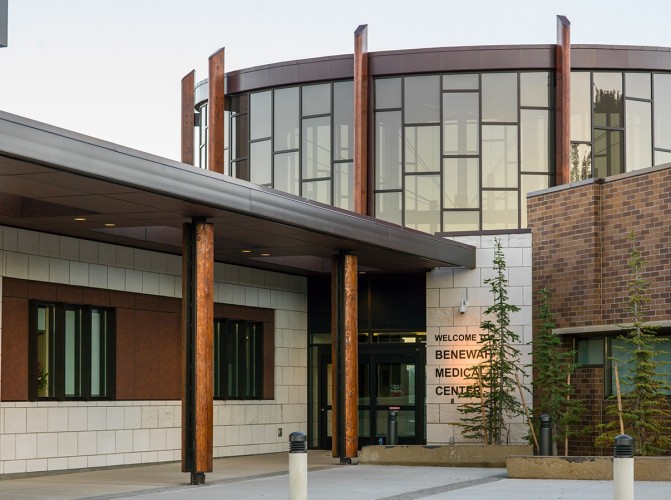
Visual branding elements are critical for immediate recognition and conveying brand personality. The logo is the cornerstone, a memorable symbol that encapsulates the center’s essence—perhaps evoking tranquility, vitality, balance, or growth. The color palette choice is strategic; soothing blues and greens can suggest calm and nature, while vibrant oranges or yellows might imply energy and optimism. These colors should be consistently applied across all brand assets, from website and marketing materials to interior décor and staff uniforms. The overall aesthetics of the physical space—its design, lighting, textures, and cleanliness—also play a huge role. A well-designed, inviting environment reinforces the brand’s promise of well-being and enhances the client experience, becoming an integral part of the brand itself.
Tone of Voice and Messaging
Beyond visuals, the brand’s tone of voice and messaging strategy are vital for shaping perception and building rapport. Is the brand authoritative and educational, warm and empathetic, inspiring and motivating, or perhaps a blend? This tone should be consistent across all communications: website copy, social media posts, email newsletters, and even direct interactions with staff. The messaging itself should be clear, concise, and focused on benefits rather than just features. It should articulate the brand’s UVP and values in a way that resonates with the target audience, building trust and demonstrating understanding of their needs. A consistent and authentic voice helps establish a strong, memorable brand personality.
Marketing and Engagement: Communicating the Brand
Once the brand identity and corporate identity are established, the next critical step is to effectively communicate this brand to the world. Marketing and engagement strategies are the conduits through which the health and wellness center’s brand story is told, connections are built, and its value is conveyed to potential and existing clients.
Digital Presence and Content Strategy
In the modern era, a robust digital presence is non-negotiable for brand visibility and credibility. This includes a professional, user-friendly website that clearly outlines services, showcases expertise, and reflects the brand’s visual identity and tone. A strong content strategy involves creating valuable, informative, and engaging content—blog posts, articles, videos, infographics—that educates the target audience, establishes the center as a thought leader, and subtly promotes its brand values and services. SEO optimization ensures discoverability, while active engagement on relevant social media platforms allows for direct interaction, community building, and sharing of authentic brand experiences. This digital ecosystem works together to amplify the brand’s reach and influence.
Community Building and Relationship Marketing
For a health and wellness brand, community and relationships are paramount. Relationship marketing focuses on building long-term, loyal customer relationships rather than just one-off transactions. This can involve personalized communication, exclusive member benefits, and responsive customer service that makes clients feel valued and understood. Community building extends this by fostering a sense of belonging among clients. Hosting workshops, seminars, support groups, or local wellness events can create opportunities for interaction, shared experiences, and reinforces the center’s brand as a hub for well-being. Word-of-mouth referrals, driven by positive experiences and strong community ties, become one of the most powerful forms of brand advocacy.
The Impact of a Strong Brand: Trust and Loyalty
Ultimately, a well-defined and consistently executed brand for a health and wellness center translates into tangible benefits: increased trust, enhanced loyalty, and sustainable growth. It moves beyond mere transactional relationships to create a deep, emotional connection with clients.
Fostering a Culture of Wellness
A strong brand identity permeates every aspect of the health and wellness center, extending to its internal culture. When staff members embody the brand’s values—be it empathy, expertise, innovation, or integrity—they become powerful brand ambassadors. This internal consistency creates a seamless, authentic experience for clients, reinforcing the brand promise. A positive culture of wellness within the organization translates into a superior client experience, as individuals interact with staff who genuinely believe in and practice the brand’s core tenets. This internal alignment is crucial for long-term brand equity and reputation.

Measuring Brand Success and Adaptability
Measuring the success of a health and wellness brand involves more than just client numbers. It includes tracking brand awareness, brand perception, client satisfaction, retention rates, and referral metrics. Tools like brand sentiment analysis, surveys, and feedback mechanisms provide insights into how the brand is being received and if it’s meeting its strategic objectives. Crucially, a strong brand is not static; it must be adaptable. The health and wellness landscape is constantly evolving, and a resilient brand periodically reviews its positioning, messaging, and service offerings to remain relevant, fresh, and impactful, ensuring its continued resonance with a dynamic audience.
aViewFromTheCave is a participant in the Amazon Services LLC Associates Program, an affiliate advertising program designed to provide a means for sites to earn advertising fees by advertising and linking to Amazon.com. Amazon, the Amazon logo, AmazonSupply, and the AmazonSupply logo are trademarks of Amazon.com, Inc. or its affiliates. As an Amazon Associate we earn affiliate commissions from qualifying purchases.