
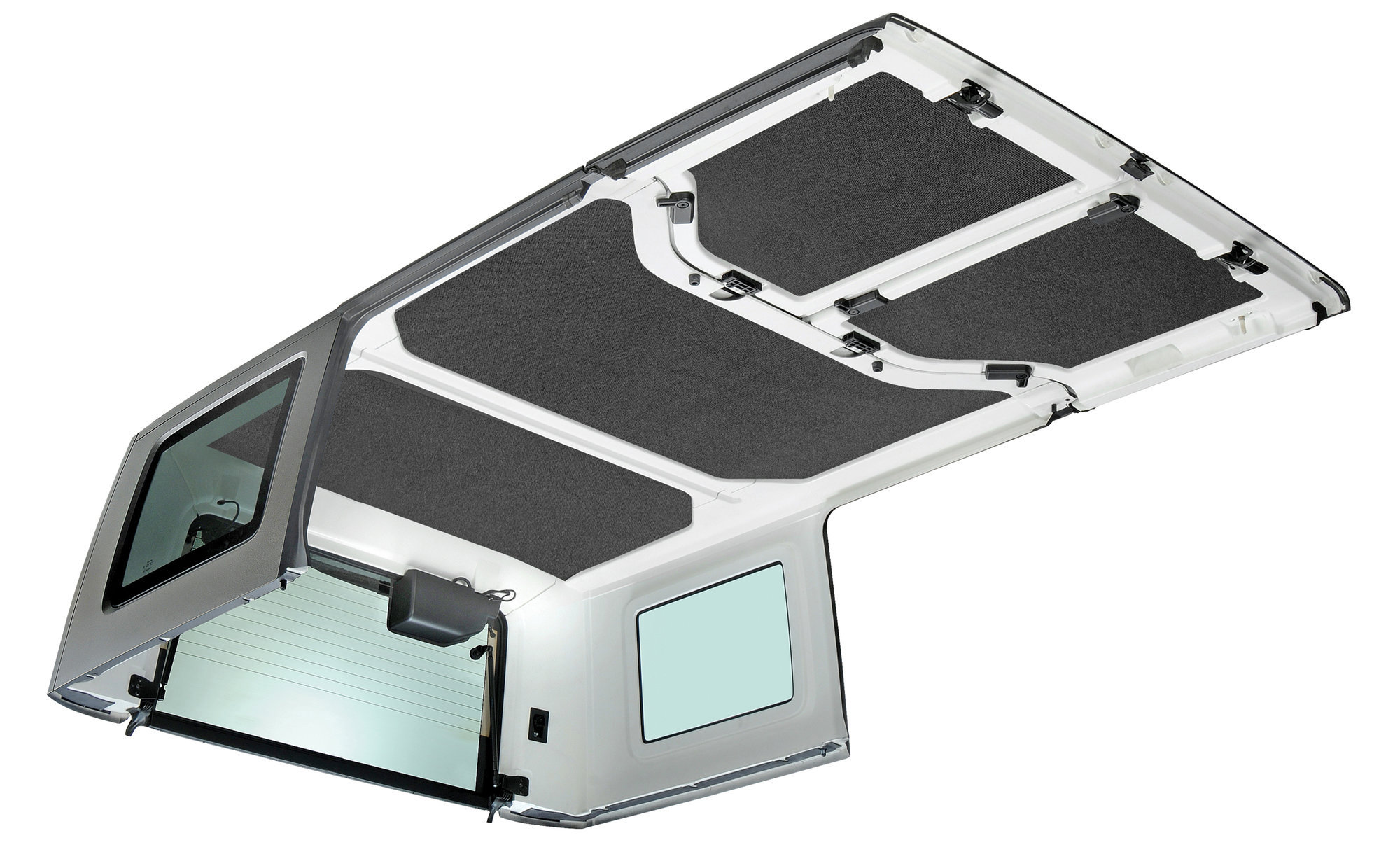
In the evolving landscape of automotive technology, where comfort, performance, and user experience converge, the “hard top sound deadening headliner” emerges as a sophisticated engineering solution. Far more than a mere aesthetic interior trim, this component is a testament to advanced materials science and acoustic engineering, specifically designed to transform the auditory environment within a vehicle’s cabin. At its core, it is an interior liner for a vehicle’s removable or fixed hard top roof, enhanced with specialized materials and construction techniques to significantly reduce noise intrusion and improve thermal insulation.
This critical enhancement addresses one of the most persistent challenges in vehicle design: mitigating noise, vibration, and harshness (NVH). Whether dealing with road noise, wind buffeting, engine hum, or external environmental sounds, a standard hard top often offers limited protection. A sound deadening headliner elevates the driving experience by creating a quieter, more serene cabin, thereby improving everything from passenger comfort to in-car audio fidelity and communication clarity. It represents a deliberate application of technology to enhance the physical interaction between the driver/passengers and their automotive environment.
The Core Functionality: Mastering Acoustic Environments
The primary objective of a sound deadening headliner is to control the acoustic environment within the vehicle. This is achieved through a combination of scientific principles and material innovation aimed at absorbing, blocking, and damping sound waves before they can reach the occupants.
Principles of Sound Deadening
Effective sound deadening relies on several key acoustic principles:
- Sound Absorption: This involves converting sound energy into another form, typically heat, when sound waves encounter porous materials. Materials with open-cell structures are excellent absorbers, trapping sound within their matrix. The goal is to reduce reverberation and echo, making sounds within the cabin clearer and less fatiguing.
- Sound Blocking/Insulation: This prevents sound waves from passing through a barrier. Denser, heavier materials are generally more effective at blocking airborne noise. The headliner acts as a physical barrier, reflecting and scattering sound waves, thereby preventing them from penetrating the cabin from the outside.
- Vibration Damping: Hard tops, particularly those made from metal or fiberglass, can act as resonant panels, vibrating in response to engine, road, or wind noise. Damping materials are designed to reduce these structural vibrations by converting kinetic energy into low-level thermal energy. This minimizes the “drumming” effect often associated with large, relatively thin panels.
By strategically combining materials that excel in these three areas, engineers can design a multi-layered headliner system that comprehensively addresses the NVH spectrum. The challenge lies in achieving optimal acoustic performance without adding excessive weight or compromising the structural integrity and aesthetic appeal of the vehicle’s interior.
Materials Science in Acoustic Control
The effectiveness of a sound deadening headliner is intrinsically linked to the materials used in its construction. Modern headliners employ a sophisticated array of engineered composites and specialized polymers.
- Mass Loaded Vinyl (MLV): This dense, flexible material is often used as a core layer for sound blocking. Its high mass per square foot makes it highly effective at creating an impenetrable barrier against airborne noise, without being overly thick.
- Closed-Cell Foam (CCF) & Open-Cell Foam (OCF): CCF provides excellent sound blocking and thermal insulation properties due to its dense, impermeable structure. It also resists moisture. OCF, conversely, with its porous structure, is superior for sound absorption, trapping sound waves within its network of air pockets. Different densities and thicknesses of these foams are strategically layered.
- Fibrous Materials: Materials like natural fibers (e.g., jute, felt), synthetic fibers (e.g., polyester, fiberglass), or even advanced textile composites are often integrated for their excellent sound absorption capabilities and thermal insulation properties. They help to dampen resonance and absorb high-frequency sounds.
- Butyl Rubber Composites: Often backed with aluminum, these materials are primarily used for vibration damping. Applied directly to the hard top’s interior surface, they add mass and viscoelasticity, effectively converting vibrational energy into heat and preventing panel resonance.
- Acoustic Textiles and Finishes: The visible surface of the headliner is typically covered with an acoustically transparent fabric that integrates aesthetically with the vehicle’s interior while allowing sound to pass through to the underlying absorbent layers. These fabrics are often designed to be durable, UV-resistant, and easy to clean.
The precise combination and layering of these materials are determined through rigorous acoustic testing and computational modeling, ensuring maximum noise reduction across a broad frequency range while adhering to automotive safety standards and material specifications.
Anatomy of a Hard Top Sound Deadening Headliner
Understanding the “what is” of a hard top sound deadening headliner also requires an appreciation for its construction and how its various elements work in concert. It’s not a single sheet of material but a carefully engineered system.
Layered Construction for Optimal Performance
A typical high-performance sound deadening headliner employs a multi-layered approach, each layer serving a specific acoustic or structural purpose:
- Hard Top Interior Surface: The base layer is the hard top itself (e.g., fiberglass, composite, or metal). This surface is often prepared by cleaning and sometimes applying an initial vibration damping mat to minimize its inherent resonance.
- Damping Layer: Directly adhered to the interior surface of the hard top, this layer (often a butyl rubber/aluminum composite) reduces structural vibrations. It’s crucial for eliminating drumming and rattling.
- Barrier Layer: A dense, heavy layer, such as MLV or a heavy closed-cell foam, is placed over the damping layer. This acts as the primary blocker of airborne noise, preventing sounds from outside the vehicle from penetrating the cabin.
- Decoupling/Absorption Layer: An open-cell foam or fibrous material is often placed between the barrier layer and the visible headliner fabric. This layer serves two key purposes: it creates an air gap (decoupling the barrier from the roof panel for improved performance) and absorbs residual sound waves that pass through the barrier, reducing reverberation within the cabin.
- Acoustic Fabric Finish: The outermost, visible layer is a durable, aesthetically pleasing fabric. This material is chosen for its acoustically transparent properties, allowing sound to pass through to the absorbent layers beneath, while integrating seamlessly with the vehicle’s interior design.
This layered architecture is fundamental to achieving comprehensive sound control, addressing both airborne noise and structural vibrations effectively.
Customization and Integration
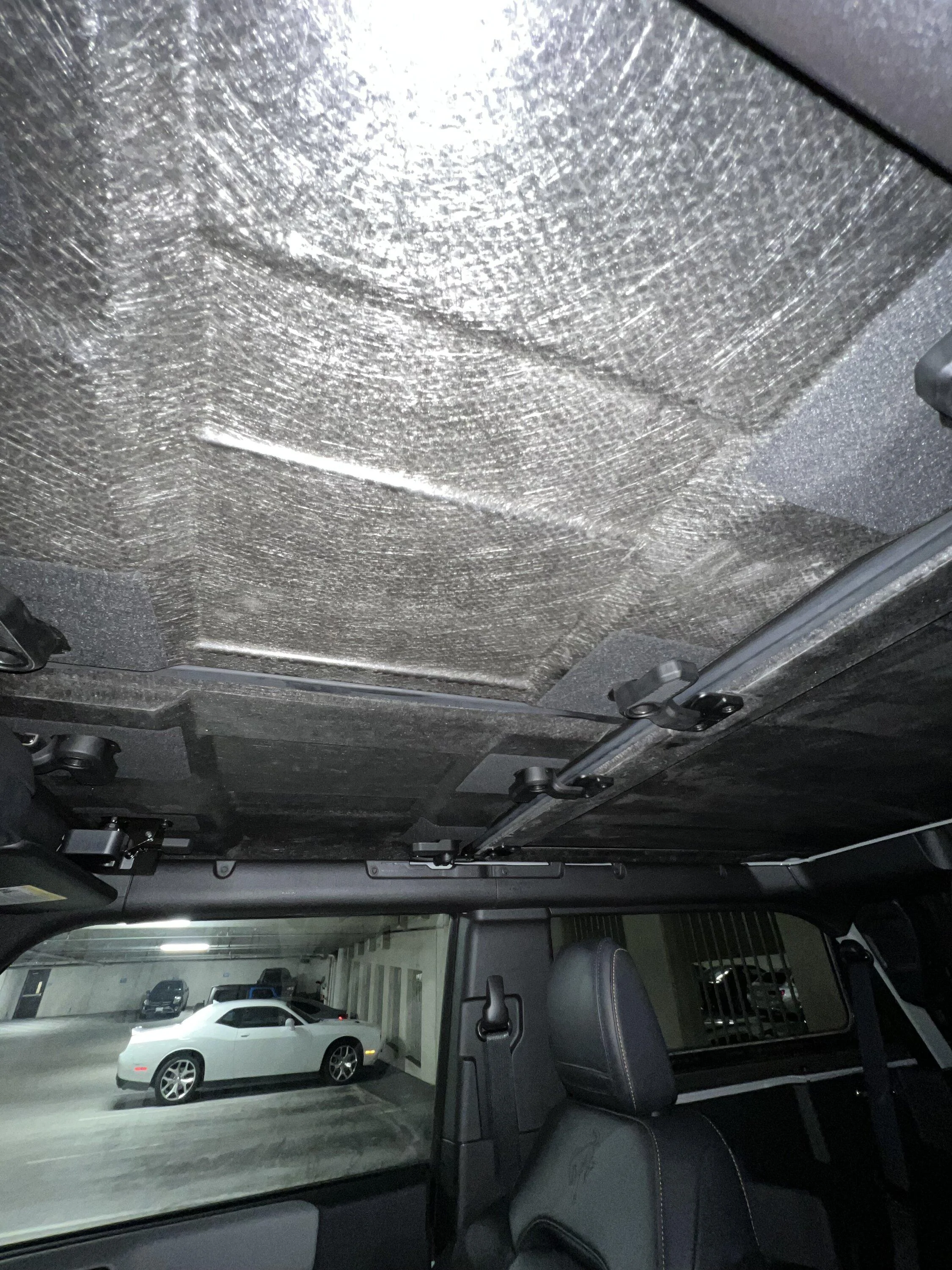
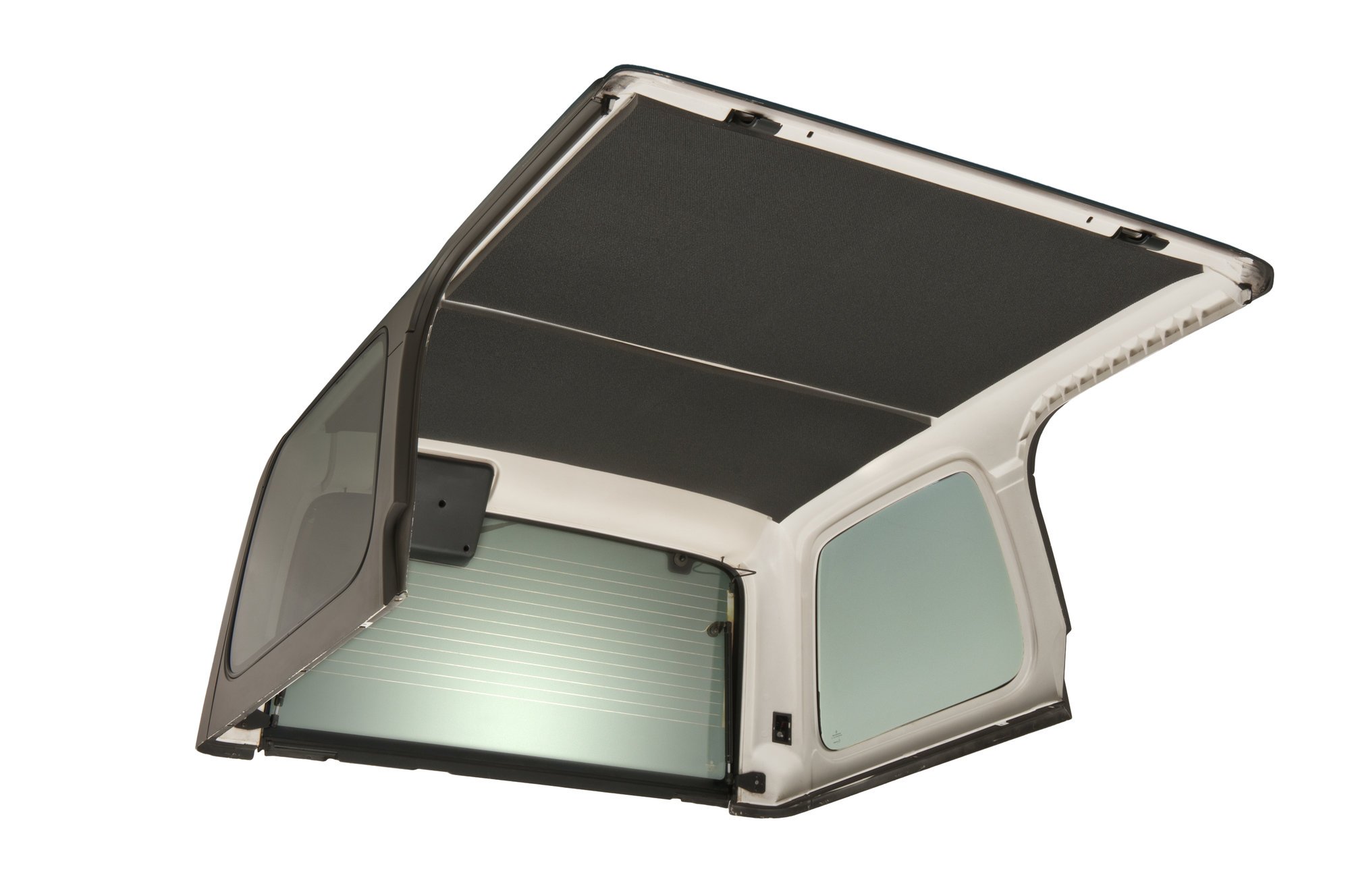
Sound deadening headliners are often precisely molded to fit the contours of specific hard top designs. This ensures a snug fit, prevents gaps where sound can leak through, and maintains the aesthetic integrity of the vehicle’s interior. In many cases, these headliners are designed as aftermarket upgrades, meaning they must be engineered for relatively straightforward installation, often utilizing existing mounting points or adhesive systems. OEM applications integrate these features from the design phase, allowing for even more optimized integration with the vehicle’s electrical systems (e.g., dome lights, speaker wiring). The integration challenge is balancing optimal acoustic performance with minimal bulk and weight, especially in vehicles where roof clearance is a premium.
Beyond Noise: The Multifaceted Benefits
While noise reduction is the primary driver, a hard top sound deadening headliner offers a cascade of additional benefits that significantly enhance the overall driving experience, solidifying its position as a valuable automotive technology.
Enhancing Cabin Comfort and Safety
A quieter cabin dramatically improves passenger comfort. Reduced noise levels lower driver fatigue, especially on long journeys, by decreasing the cognitive load associated with processing constant background noise. This contributes to a more relaxed and focused driving environment. Furthermore, the absence of excessive noise allows for clearer audible warnings from advanced driver-assistance systems (ADAS) and emergency vehicles, potentially enhancing safety. Children are less prone to irritability in a calmer environment, and conversations are effortless, fostering a more pleasant communal space.
Elevating Audio Experience and Communication
For audiophiles and casual listeners alike, a sound deadening headliner transforms the in-car audio system. By eliminating external noise pollution, the audio system no longer needs to compete with road or wind noise, allowing for lower volume levels while achieving greater clarity and fidelity. The absorption layers within the headliner also help to control internal cabin acoustics, reducing echo and improving the sound staging, making music sound richer and more immersive. Hands-free communication systems also benefit immensely, as background noise is minimized, resulting in clearer phone calls for both the driver and the party on the other end.
Thermal Regulation and Durability
Beyond acoustics, many of the materials used in sound deadening headliners also offer excellent thermal insulation properties. This means they help to keep the cabin cooler in hot weather by preventing solar heat gain through the roof and warmer in cold weather by reducing heat loss. This improved thermal regulation contributes to better HVAC efficiency and greater passenger comfort year-round. Additionally, a well-designed headliner protects the bare interior surface of the hard top from direct UV exposure and physical damage, enhancing the longevity of the roof itself while providing a durable, easy-to-clean interior finish. The robust construction and material choices are engineered to withstand the rigors of automotive use, including temperature fluctuations and vibrations, ensuring long-term performance.
Installation and Maintenance Considerations
The technical efficacy of a hard top sound deadening headliner is also influenced by its installation and subsequent care, which are crucial for realizing its full potential.
DIY vs. Professional Installation: A Technical Assessment
While some headliners are designed for relatively straightforward DIY installation using adhesive strips, clips, or a combination, the technical precision required for optimal acoustic performance often warrants professional installation. A professional installer possesses the tools, experience, and knowledge to ensure proper surface preparation, precise trimming, correct application of damping and barrier layers, and secure fitting of the final fabric. Gaps, air pockets, or improper adhesion can significantly compromise the headliner’s effectiveness, creating pathways for noise to penetrate or reducing the overall damping capability. For custom applications or vehicles with complex hard top geometries, professional expertise is almost always recommended to ensure maximum benefit. The precision in cutting and contouring the various layers to the specific curves and structural elements of the hard top is critical, turning installation into a specialized technical process.
Longevity and Performance Preservation
The materials chosen for sound deadening headliners are typically engineered for durability within the automotive environment. However, proper care is essential to maintain their acoustic and thermal performance over time. This includes avoiding harsh chemical cleaners that could degrade foam or fabric layers, promptly addressing any moisture ingress to prevent mold or material breakdown, and ensuring that any accessories (e.g., roof racks, lighting) are installed in a manner that does not compromise the headliner’s integrity. Regular gentle cleaning, as recommended by the manufacturer, will preserve the aesthetic and functional properties of the visible fabric layer. With appropriate installation and maintenance, a high-quality sound deadening headliner will provide years of enhanced comfort, quietness, and thermal regulation, proving its worth as a sophisticated piece of automotive cabin technology.
aViewFromTheCave is a participant in the Amazon Services LLC Associates Program, an affiliate advertising program designed to provide a means for sites to earn advertising fees by advertising and linking to Amazon.com. Amazon, the Amazon logo, AmazonSupply, and the AmazonSupply logo are trademarks of Amazon.com, Inc. or its affiliates. As an Amazon Associate we earn affiliate commissions from qualifying purchases.