
The hair receiver, an unassuming yet elegant artifact from a bygone era, represents a fascinating intersection of domestic utility, intricate design, and the subtle branding of personal and household identity. Far more than a mere container, it serves as a tangible case study in how objects contribute to and reflect the aesthetic and cultural values of their time. Primarily prevalent in Victorian and Edwardian households, this decorative receptacle was a staple on dressing tables, embodying both practicality and a refined sense of order in daily grooming rituals. Understanding a hair receiver requires delving into its design, its role in domestic life, and the implicit messages it conveyed about its owner and their lifestyle.

The Hair Receiver: An Introduction to a Distinctive Design Artifact
At its core, a hair receiver is a small, lidded container designed to collect loose hair shed during brushing. Typically round or oval, these objects were characterized by a small opening or a central hole on the lid, through which hair could be neatly deposited. This simple, functional design belied a deeper purpose, transforming a common, often messy byproduct of personal care into something manageably contained. The concept itself speaks to an era that valued meticulousness, hygiene, and the discreet management of personal effects, all of which contributed to the desired “brand” of a well-kept individual and home.
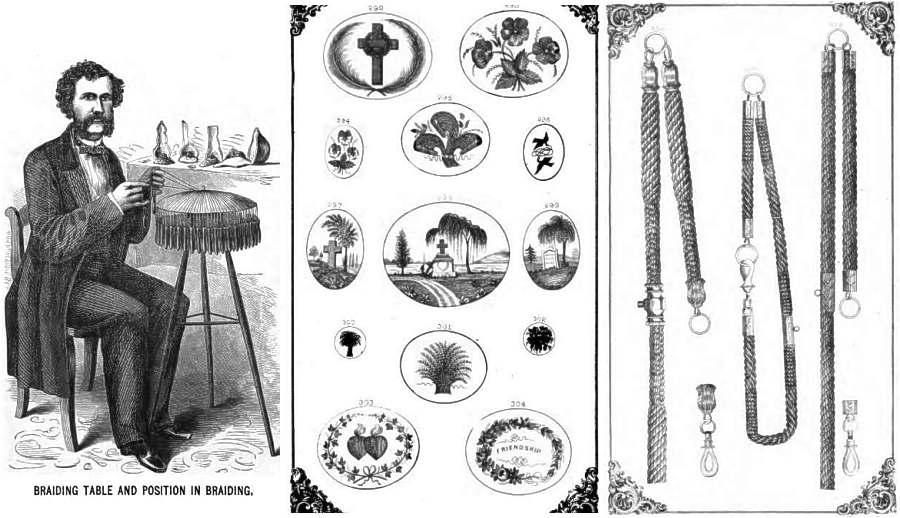
The historical context of the hair receiver places it firmly within periods that emphasized elaborate grooming routines and the art of maintaining a polished appearance. In the late 19th and early 20th centuries, long, voluminous hair was highly fashionable, and daily brushing was an essential ritual. The hair collected in these receivers was not merely discarded; it often had a secondary purpose. Women might save it to create “hair rats” or “pads” to add volume to updos, or even to fashion into “hair art” – intricate mementos or jewelry made from human hair. This secondary utility further elevates the hair receiver from a simple bin to an integral part of a broader aesthetic and personal branding strategy of the time. Its continued presence on the dressing table, therefore, subtly communicated an owner’s commitment to these elaborate rituals and, by extension, to their personal presentation and social standing.
Crafting Identity: Design Principles and Aesthetic Messaging
The design of hair receivers was rarely purely utilitarian; it was almost always an exercise in aesthetic appeal, reflecting prevailing design trends and the owner’s taste. These items were often crafted from exquisite materials, ranging from delicate porcelain and ornate cut glass to sterling silver and polished brass. Each material choice carried its own set of connotations and contributed to the overall “brand” identity of the object and its setting.
Materiality and Status
Porcelain hair receivers were frequently adorned with hand-painted floral motifs, pastoral scenes, or intricate gilding, showcasing the artistry of their makers and the owner’s appreciation for fine decorative arts. A porcelain piece might suggest a preference for classic elegance and delicate beauty, aligning with a brand identity that values tradition and grace. Glass receivers, particularly those made of cut crystal or art glass, often displayed intricate patterns that caught and refracted light, adding a touch of sparkle and luxury to the dressing table. Such pieces might signify a more opulent or fashion-forward taste, reflecting a brand persona that embraces brilliance and contemporary style. Sterling silver options, often embossed with monograms or elaborate scrollwork, spoke of enduring quality, heirloom value, and a more classic, enduring sense of luxury. Silver was a material that branded an item as an investment, a piece meant to last generations, embodying a personal brand of heritage and established wealth. The choice of material, therefore, was a deliberate design decision that contributed significantly to the perceived value and aesthetic messaging of the hair receiver. It wasn’t just about containment; it was about how that containment was presented, reflecting an owner’s social status and aesthetic preferences.
Form, Function, and Period Style
The forms of hair receivers varied, from simple, unadorned cylinders to more sculptural pieces shaped like ornate boxes, swans, or even miniature furniture. Regardless of the form, the common thread was the concealed opening, designed to maintain an air of neatness and discretion. This design element perfectly encapsulated the Victorian emphasis on propriety and hidden functionality. The object served its purpose efficiently while maintaining an aesthetically pleasing exterior that blended seamlessly with other dressing table accoutrements like powder boxes, perfume atomizers, and trinket dishes. This integration into the broader suite of beauty tools reinforced a cohesive “brand” for the personal grooming space, presenting an image of ordered luxury and meticulous self-care. The design principles applied to hair receivers illustrate a broader approach to product branding in the domestic sphere: even the most mundane items were opportunities to express style, quality, and a cultivated lifestyle.
The Domestic ‘Brandscape’: Integrating Function and Form into Lifestyle
In the context of Victorian and Edwardian homes, the hair receiver was an essential component of the “domestic brandscape” – the carefully curated environment that communicated the household’s values, social standing, and aesthetic sensibilities. A well-appointed dressing table, with its array of coordinated items, was a microcosm of this larger domestic branding effort.
Curating the Personal Space
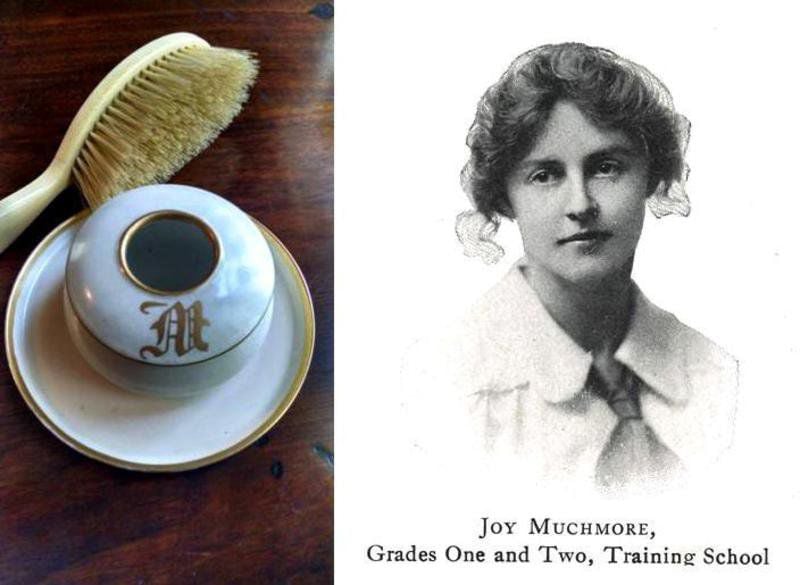
The dressing table was a highly personal space, often a focal point in a woman’s bedroom, reflecting her personality and priorities. The presence of a hair receiver, especially one that harmonized with other vanity items (a matching brush and comb set, a coordinated jewelry box), reinforced a sense of order, thoughtfulness, and aesthetic cohesion. This curation was a form of personal branding, projecting an image of elegance and meticulousness. It communicated that the owner valued beauty, cared for her appearance, and invested in quality items for her personal rituals. Such an environment didn’t just happen; it was carefully constructed, piece by piece, to present a desired image to family members, close friends, and ultimately, to oneself. The hair receiver, in this context, was not an isolated item but an integral part of a larger design strategy aimed at creating a cohesive and aspirational personal “brand” for the woman of the house.
Reflecting Social Norms and Values
The design and use of hair receivers also subtly reflected broader social norms and cultural values. The emphasis on discreet containment of personal detritus spoke to an era where public appearances and private maintenance were clearly delineated. The hair receiver allowed for the discreet collection of hair, maintaining the illusion of effortless beauty without revealing the less glamorous aspects of its upkeep. This aligns with a historical “brand” of femininity that prized composure, refinement, and an immaculate presentation, often achieved through considerable effort kept out of sight. The object, therefore, became a silent testament to the societal expectations placed upon women regarding their appearance and the rituals they undertook to meet those expectations. Its existence implicitly endorsed a lifestyle where personal aesthetics were paramount and upheld through careful management and considered design.
Beyond Ornament: Unpacking the Cultural Branding of Self-Care
While an ornamental object, the hair receiver’s presence on the dressing table went beyond mere decoration. It actively participated in the cultural branding of self-care and feminine identity, framing grooming not just as a necessity but as a ritualized practice imbued with significance.
Ritualizing Grooming and Beauty
The act of collecting hair in a beautifully designed receiver transformed a mundane task into a more refined and intentional part of a daily beauty ritual. This elevated the act of hair brushing from a simple chore to a moment of self-care, reflective contemplation, or preparation for social engagement. The tools used in these rituals—from ornate brushes to elegant hair receivers—were part of a larger “branding” effort to present grooming as an art form, a cultivated practice essential for a woman’s personal and social success. This deliberate ritualization contributed to the personal brand of the woman who used it, showcasing her dedication to her appearance and her appreciation for the finer aspects of daily life. The hair receiver thus became a symbol of this committed self-care, a constant reminder of the dedication required to maintain one’s personal aesthetic brand.
The Legacy of Sentimental Value
The practice of saving hair, sometimes for sentimental reasons such as creating lockets or hair art, added another layer of cultural significance to the hair receiver. It became a vessel for potential heirlooms or mementos, further entrenching its role in the emotional and symbolic landscape of the home. This aspect touches upon the deeper “brand equity” of the object—its capacity to evoke sentiment, memory, and personal connection. While its primary function was practical, its potential for secondary, sentimental use imbued it with a branding of warmth, personal history, and affection. This duality—practical utility intertwined with emotional resonance—underscores the complexity of historical product design and its impact on personal and familial identity.
Enduring Legacy: The Hair Receiver as a Case Study in Timeless Design
Today, hair receivers are highly sought after by collectors and antique enthusiasts, valued not just for their historical charm but also for their enduring design appeal. Their survival and continued appreciation offer valuable insights into historical product branding and the principles of timeless design.
A Nod to Thoughtful Product Strategy
The hair receiver serves as an excellent case study in thoughtful product strategy from an era predating modern marketing. It addressed a clear need (managing loose hair) with an elegant solution that simultaneously catered to prevailing aesthetic tastes and cultural values. The product was designed to integrate seamlessly into an existing lifestyle, enhancing it through both function and form. This strategic approach—combining utility with beauty and cultural relevance—is a hallmark of successful product branding that resonates beyond its immediate context. It teaches us that even for everyday items, a deep understanding of the consumer’s lifestyle, aspirations, and aesthetic preferences can lead to products that become iconic symbols of their time.
Informing Modern Design and Branding
Studying artifacts like the hair receiver can inform contemporary design and branding practices. It highlights the importance of craftsmanship, material quality, and the emotional connection users form with objects. In an age dominated by minimalist and often disposable goods, the hair receiver stands as a testament to products designed to be cherished, displayed, and passed down. Its detailed ornamentation and thoughtful integration into domestic rituals offer a counterpoint to mass-produced uniformity, reminding us of the power of unique design to create a lasting brand identity. For brands today, understanding the “why” behind such historical designs—the cultural context, the aspiration it served, the emotional resonance it generated—can provide invaluable lessons in crafting products that are not just functional, but also meaningful and enduring in their appeal. The hair receiver, therefore, is more than an antique; it is a lesson in how design, purpose, and cultural branding converge to create lasting value.
aViewFromTheCave is a participant in the Amazon Services LLC Associates Program, an affiliate advertising program designed to provide a means for sites to earn advertising fees by advertising and linking to Amazon.com. Amazon, the Amazon logo, AmazonSupply, and the AmazonSupply logo are trademarks of Amazon.com, Inc. or its affiliates. As an Amazon Associate we earn affiliate commissions from qualifying purchases.