
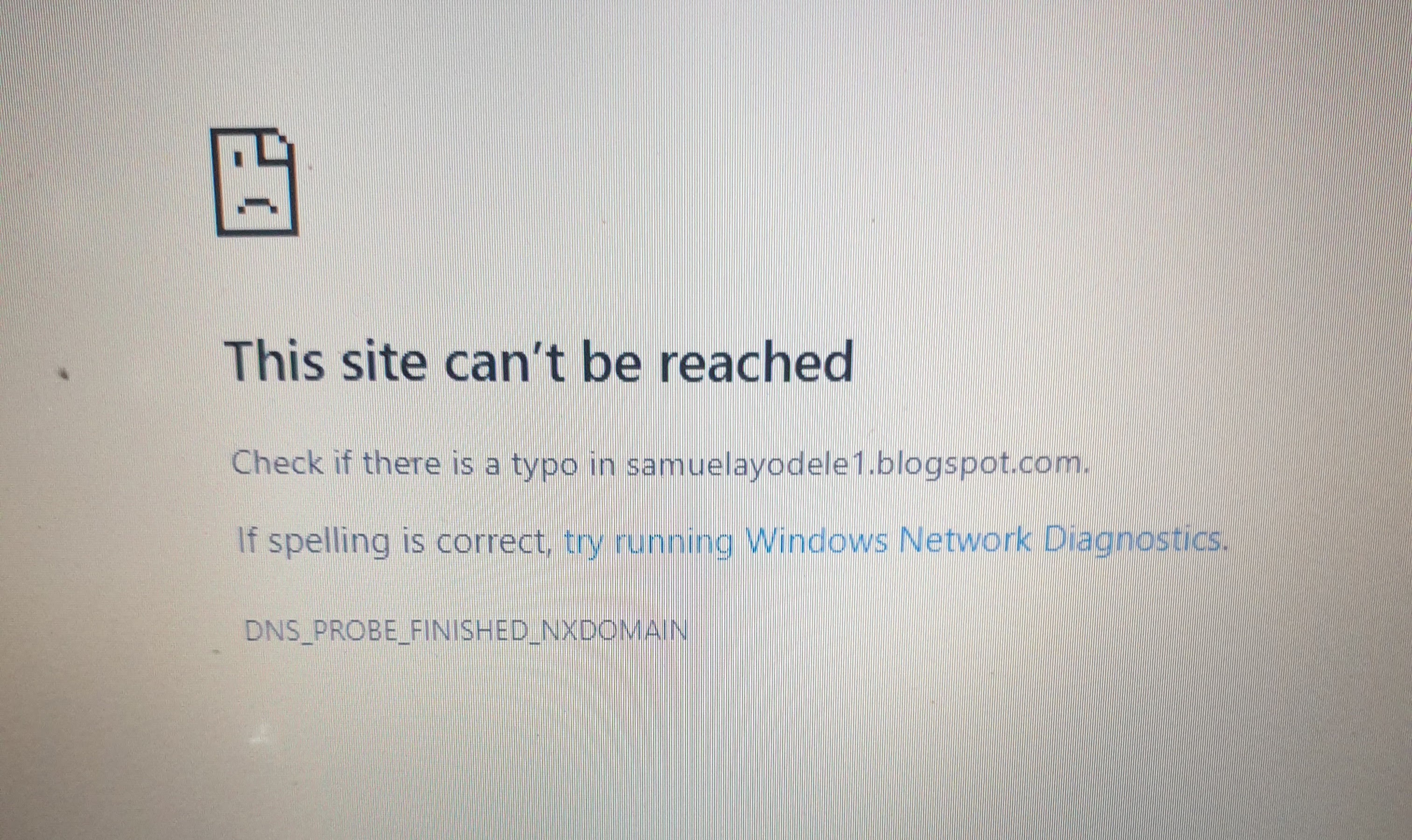
For a significant period, the internet landscape was punctuated by the distinctive “.blogspot.com” domain. Blogspot, now officially known as Blogger, was once the undisputed king of free blogging platforms. It was the gateway for countless individuals and small businesses to establish an online presence, share their thoughts, launch their brands, and even explore avenues for online income. But as the digital world rapidly evolves, the question “What happened to Blogspot?” has resurfaced in many minds. Did it fade into obscurity? Has it been surpassed by its contemporaries? Or has it quietly adapted to remain a relevant force in the ever-changing digital sphere?

This article delves into the journey of Blogspot, examining its rise to prominence, the challenges it has faced, and its current standing, all through the lens of the core pillars that define our digital existence: Tech, Brand, and Money.
The Tech Transformation: From Simple Blogging to a Sophisticated Ecosystem
The Dawn of a New Era: Blogspot’s Technological Foundation
When Google acquired Pyra Labs, the creators of Blogger, in 2003, it was a pivotal moment. This acquisition injected significant resources and technological prowess into the platform. Blogspot, at its core, offered a remarkably user-friendly interface. For aspiring bloggers who lacked technical expertise, it was a godsend. The ability to create a blog, write posts, and upload images with minimal fuss democratized online publishing. This was a significant technological leap forward, allowing anyone with an idea and an internet connection to become a content creator.
The underlying technology was robust for its time. It was built on a stable infrastructure, leveraging Google’s formidable server capabilities. This meant reliability and scalability, crucial for a platform aiming to host millions of blogs. The early days of Blogspot were characterized by its simplicity and its ability to handle a growing user base without significant performance issues. This technological bedrock was instrumental in its widespread adoption.
The Rise of the “Bloggers” and the Shifting Landscape
As Blogspot grew, so did the competition. Platforms like WordPress.com emerged, offering more advanced features and greater customization options. While Blogspot remained accessible and straightforward, the tech-savvy user began to seek more control. The ability to install custom themes, plugins, and even self-host on platforms like WordPress.org provided a level of flexibility that Blogspot, with its more curated approach, couldn’t match.
However, Google didn’t stand still. Over the years, Blogspot underwent numerous technological upgrades. It integrated more seamlessly with other Google services, such as Google Analytics for in-depth traffic analysis and Google AdSense for monetization. This was a shrewd move, recognizing that many users weren’t just blogging for personal expression but also for potential financial gain. The introduction of responsive design ensured that blogs looked good on mobile devices, a critical development as smartphone usage surged.
AI, Apps, and the Future: Blogspot’s Adaptability
In today’s tech-driven world, the term “Tech” encompasses a much broader spectrum. While Blogspot might not be at the forefront of bleeding-edge AI tool integration in the same way some newer platforms are, its underlying infrastructure is continually maintained and updated by Google. The platform benefits from Google’s ongoing advancements in web technologies, security, and performance optimization.
For users who require advanced features like complex plugins, e-commerce integrations, or highly customized design elements, platforms like WordPress.org might be a more compelling choice. However, for those prioritizing ease of use, reliability, and a cost-effective way to start a blog, Blogspot (Blogger) continues to be a viable option. The “Apps” aspect also comes into play; while Blogspot itself might not have a dedicated app for content creation in the same way some social media platforms do, its web-based interface is accessible from any device, and its integration with Google services means that workflows can be managed efficiently across different applications.
The “Digital Security” aspect is a significant advantage. Being under the Google umbrella means Blogspot benefits from Google’s robust security measures, protecting blogs from many common online threats. “Productivity” is enhanced through the straightforward nature of the platform and its integration with tools like Google Docs and Drive for content creation and organization.
The Brand Building Powerhouse: From Personal Identity to Corporate Presence
Crafting a Digital Identity: Blogspot as a Personal Branding Launchpad
In the early days, Blogspot was the quintessential tool for personal branding. Individuals used it to establish their voice, share their expertise, and build a community around their interests. Whether it was a hobbyist sharing their passion for vintage cars, a budding writer showcasing their poetry, or a professional offering insights into their industry, Blogspot provided the canvas.
The ease of use allowed individuals to focus on their content rather than the technicalities of website creation. This meant that their personal brand could shine through without being bogged down by complex coding or design challenges. The “.blogspot.com” domain, while free, was also a recognizable identifier, contributing to the development of an online persona. Case studies abound of individuals who used their Blogspot blogs as a stepping stone to careers in writing, consulting, or even entrepreneurship.
Corporate Identity and Marketing: A Stepping Stone or a Strategic Choice?

While many established brands opt for more sophisticated and customizable platforms for their primary corporate websites, Blogspot has historically served as a valuable secondary platform or a starting point for smaller businesses and startups. For companies looking to create a dedicated blog to share company news, industry insights, or customer success stories without the overhead of a full-fledged website, Blogspot offered a quick and cost-effective solution.
“Brand Strategy” is a broad term, and Blogspot can play a role in various aspects of it. For startups, it can be a place to articulate their mission and vision. For established companies, it can be used for content marketing initiatives designed to attract and engage target audiences. “Corporate Identity” can be reinforced through consistent branding on the blog, from the name and logo to the tone of voice and visual style.
However, the limitations in terms of deep customization and advanced marketing integrations mean that larger corporations often look beyond Blogspot for their core online presence. The ability to integrate with advanced CRM systems, run sophisticated A/B testing on landing pages, or implement complex SEO strategies might necessitate a more robust platform. Yet, for specific marketing campaigns or niche content hubs, Blogspot can still be a strategic choice.
Reputation Management and Case Studies: Sharing Success and Building Trust
Blogspot has been a platform for sharing positive “Case Studies” and building “Reputation.” Businesses and individuals can showcase their achievements, highlight customer testimonials, and demonstrate their expertise through well-written blog posts and supporting visuals. This can significantly contribute to building trust and credibility in the eyes of potential clients or employers.
The platform’s accessibility also makes it easier for smaller businesses to get their story out there. Instead of a costly website development project, a simple Blogspot blog can become a powerful tool for sharing their journey and successes, thereby enhancing their brand perception.
The Money Making Machine: From Side Hustles to Online Income Streams
Monetizing Your Passion: AdSense and the Early Online Income Revolution
One of the most significant appeals of Blogspot was its seamless integration with Google AdSense. This partnership transformed Blogspot into a potent tool for generating “Online Income.” For individuals with a passion and a consistent readership, displaying targeted ads on their blogs became a viable way to earn money. This opened up a world of opportunities for “Side Hustles” for many, allowing them to supplement their primary income or even build a full-time living online.
The simplicity of setting up AdSense on Blogspot meant that even those with minimal marketing knowledge could start monetizing their content. This was a game-changer, democratizing online income generation and empowering individuals to become micro-entrepreneurs. The early days saw a surge in blogs dedicated to niches like personal finance tips, travelogues, and product reviews, all fueled by the potential to earn through advertising.
Beyond Ads: Exploring Diverse Online Income Avenues
While AdSense remains a primary monetization method, Blogspot can also be a springboard for other online income strategies. “Personal Finance” bloggers, for instance, might use their platform to share investment advice, budgeting tips, or reviews of financial tools. “Investing” bloggers can discuss market trends and stock analyses, potentially building an audience for their paid advisory services.
“Business Finance” professionals can leverage Blogspot to offer consulting services, publish e-books on financial management, or promote online courses. The blog acts as a content hub, attracting potential clients by demonstrating expertise and providing valuable insights. The ability to link to external websites and services makes it easy to direct traffic to e-commerce stores, affiliate marketing pages, or direct sales funnels.
The Evolving Financial Landscape: Blogspot in the Modern Economy
In the current economic climate, the pursuit of “Online Income” and “Side Hustles” is more prevalent than ever. Blogspot, while not exclusively designed for e-commerce, can still be an effective tool for businesses and individuals looking to diversify their income streams. It can serve as a content marketing platform to drive traffic to online stores, promote digital products like courses or templates, or act as a lead generation tool for service-based businesses.
The key is to view Blogspot not just as a place to write but as an integral part of a broader online business strategy. By integrating it with other “Financial Tools,” such as email marketing platforms, CRM systems, or analytics dashboards, users can gain deeper insights into their audience and optimize their monetization efforts. While newer, more specialized platforms might offer more advanced e-commerce features, Blogspot’s accessibility and cost-effectiveness make it an attractive starting point for many who are just beginning their journey into the world of online income.
Conclusion: The Enduring Legacy and Future of Blogspot
So, what happened to Blogspot? It didn’t disappear. Instead, it underwent a quiet transformation, much like many established technologies in the dynamic digital age. Google rebranded it as Blogger, signifying a shift towards a more integrated and supported platform. While it might not be the shiny new object generating headlines in the same way some newer AI-powered content creation tools are, Blogspot (Blogger) has solidified its position as a reliable, accessible, and cost-effective platform for a specific segment of users.
For individuals and small businesses focused on Tech, it offers a robust and secure foundation. For those aiming to build a Brand, it provides a straightforward way to establish an online presence and share their story. And for those seeking to generate Money, it remains a valuable tool for content creation and monetization, especially when integrated with broader digital strategies.
The question of “What happened to Blogspot?” ultimately leads to an understanding of its evolution. It has adapted, integrated, and continued to serve a crucial role in the internet ecosystem. While the landscape of online publishing and digital marketing is constantly shifting, Blogspot’s legacy as an enabler of creativity, brand building, and online income generation remains undeniable. It continues to be a testament to the power of accessible technology in empowering individuals to share their voices and build their presence in the digital world.
aViewFromTheCave is a participant in the Amazon Services LLC Associates Program, an affiliate advertising program designed to provide a means for sites to earn advertising fees by advertising and linking to Amazon.com. Amazon, the Amazon logo, AmazonSupply, and the AmazonSupply logo are trademarks of Amazon.com, Inc. or its affiliates. As an Amazon Associate we earn affiliate commissions from qualifying purchases.