
The term “full size pool table” might seem straightforward, but within the world of billiards, it carries specific implications related to dimensions, construction, and the integrity of play. Far from being merely a large table with pockets, a full size pool table represents a standardized piece of equipment designed to facilitate a specific level of game dynamics and competitive play. Understanding its precise definition and the technical specifications that underpin it is crucial for enthusiasts, aspiring professionals, and anyone seeking to invest in a quality playing experience.
Defining “Full Size”: Dimensions and Standards
When billiard connoisseurs speak of a “full size” pool table, they are almost universally referring to the 9-foot regulation table. This dimension is the gold standard for professional tournaments and serious play, dictating not just the length and width of the playing surface but also influencing the strategy and skill required to master the game.
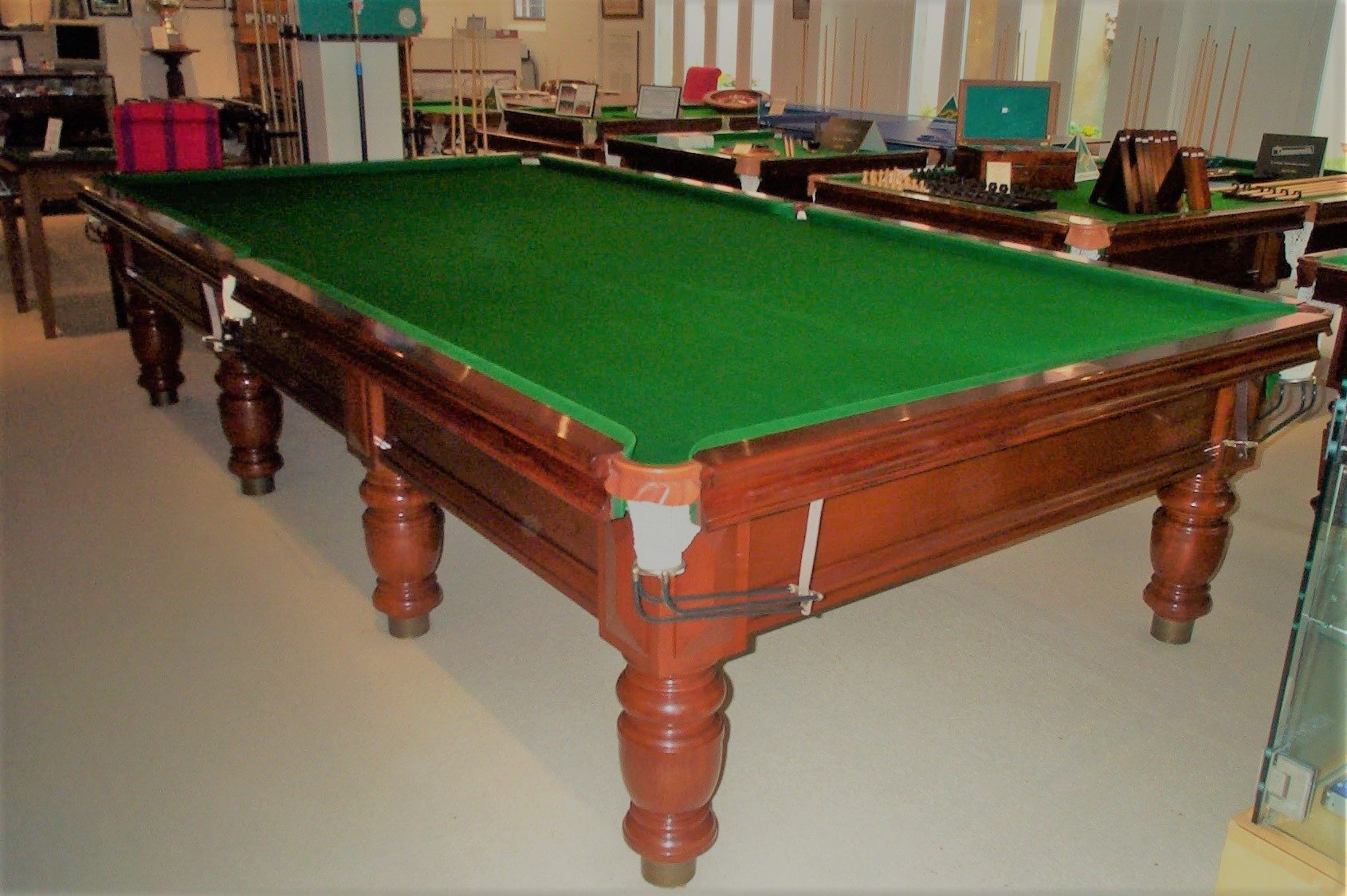
The 9-Foot Regulation Table
A regulation 9-foot pool table boasts a playing surface that measures 100 inches by 50 inches (254 cm x 127 cm) from rail to rail. This translates to an overall exterior dimension that is typically around 112 inches long by 62 inches wide (approximately 284 cm x 157 cm), though exact external dimensions can vary slightly based on rail width and frame design. The height of the playing surface is also regulated, typically falling between 29.25 and 31 inches (74.3 cm and 78.74 cm) from the floor. These precise measurements are not arbitrary; they are meticulously calibrated to ensure consistent ball trajectory, rebound angles, and the overall mathematical integrity of the game, making it a challenging yet fair contest of skill.
Other “Full Size” Interpretations
While the 9-foot table is the official “full size,” it’s worth noting that in some retail or recreational contexts, 8-foot tables are sometimes marketed or colloquially referred to as “full size” due to their substantial presence compared to smaller home tables (like 7-foot or 6-foot models). An 8-foot table’s playing surface measures 92 inches by 46 inches (234 cm x 117 cm). While excellent for home use and often more accommodating in terms of room space, it fundamentally alters the physics and strategy of the game compared to its larger counterpart. For a true “full size” experience that adheres to professional standards, the 9-foot dimension is non-negotiable.
Key Measurement Points
Beyond the playing surface, several other technical measurements contribute to a table’s “full size” status and playability:
- Pocket Sizes: Regulation tables have specific pocket openings. Corner pockets are typically 4.5 to 4.625 inches wide, and side pockets are 5 to 5.125 inches wide, measured at the mouth. These dimensions impact shot difficulty and strategy.
- Cushion Profile: The rubber cushions (rails) that line the playing surface are crucial. They must adhere to a specific profile, usually K-66, which dictates their angle and rebound characteristics, ensuring predictable ball responses.
- Slate Thickness: The playing surface itself is almost exclusively made from slate, a finely milled and polished rock. For a regulation full-size table, the slate is typically 1 inch thick, often comprised of three precisely matched pieces to prevent warping and ensure perfect flatness.
Anatomy of a Regulation Full Size Table
A full size pool table is a complex piece of precision equipment, with each component designed for durability, stability, and optimal play. Its construction details are vital to its performance, impacting everything from ball roll to structural longevity.
The Playing Surface: Slate, Felt, and Rails
The heart of any pool table is its playing surface. On a full size table, this is invariably multi-piece slate. This natural rock material provides an unparalleled level of flatness and rigidity, critical for accurate ball movement. The slate is precisely cut, diamond-honed, and typically consists of three interlocking pieces to prevent cracks during transport and installation while allowing for minute adjustments to achieve perfect levelness.
Over the slate is stretched high-quality billiard cloth, often referred to as felt. While traditional felt is wool, modern high-performance cloths are typically worsted wool blends (often with nylon) that are sheared to a short pile. This worsted cloth minimizes friction, allowing balls to roll faster, more consistently, and with less deviation. Its tensioning and uniform application are technical arts, directly influencing the table’s speed and response.
Encircling the playing surface are the rails, fitted with high-quality vulcanized rubber cushions. These cushions are engineered to provide precise and consistent rebound properties. The K-66 profile is standard, providing the correct angle and compression for predictable caroms and bank shots, crucial for advanced play. The entire rail assembly is typically bolted securely through the slate and frame, ensuring maximum rigidity and energy transfer.
The Frame and Legs: Stability and Durability
Beneath the slate, a robust subframe and leg system provide the necessary structural integrity for a full size table. Given that a 9-foot slate alone can weigh over 500 pounds (227 kg), and the entire table can easily exceed 1,000 pounds (450 kg), the frame must be exceptionally strong and stable.

- Frame Construction: High-quality frames are typically constructed from solid hardwoods like oak, maple, or mahogany, often with cross-member supports to prevent sag over time. The frame supports the massive weight of the slate and withstands the dynamic forces generated during play.
- Leg Systems: The legs are not just decorative; they are integral to the table’s stability and levelness. Many full size tables feature massive, solid wood legs or pedestal designs that distribute weight evenly. Each leg is typically fitted with heavy-duty leg levelers, often made of brass or steel, which allow for micro-adjustments to achieve a perfectly horizontal playing surface, a critical technical requirement for fair play.
Pockets and Ball Returns
The pockets on a full size table are meticulously designed. While drop pockets (where balls collect individually) are common, many regulation tables feature a ball return system. This system consists of internal channels that guide pocketed balls to a collection point, often at one end of the table. The engineering of these channels ensures smooth, jam-free operation and contributes to the overall weight and complexity of the table’s design. The pocket liners themselves, often made of leather or durable plastic, are designed to withstand repeated impact and securely hold the balls without damaging them.
Why “Full Size” Matters: Playability and Professional Standards
The choice of a full size 9-foot table is not merely about having more space; it fundamentally alters the game, demanding higher levels of precision, strategy, and technical skill.
Impact on Game Dynamics
The increased dimensions of a full size table directly impact shot dynamics. Longer shots require greater accuracy and power control. Angles become more subtle, and the precision required for successful bank shots, caroms, and position play is significantly heightened. The larger playing surface also opens up more complex strategic options, as players have more room to maneuver the cue ball for intricate safeties and run-out patterns. This expanded canvas transforms pool from a casual pastime into a game demanding profound geometric understanding and fine motor control.
Training and Skill Development
For aspiring professional players or serious amateurs, practicing on a full size table is indispensable. It forces players to hone their stroke, develop precise aim, and master cue ball control in a way that smaller tables cannot. The technical demands of a 9-foot table expose weaknesses in a player’s game and provide the optimal environment for improvement. Skills developed on a full size table are fully transferable, whereas skills learned on smaller tables may not translate effectively to larger ones.
Tournament Regulations
The 9-foot table is the standard for virtually all professional and major amateur pool tournaments worldwide. Organizations like the World Pool-Billiard Association (WPA) and the Billiard Congress of America (BCA) specify these dimensions to ensure fairness and consistency across competitive events. Adhering to these regulations guarantees that all players compete on a level playing field, where outcomes are determined purely by skill and strategy, rather than variations in equipment. This standardization is a technical necessity for maintaining the sport’s integrity.
Beyond the Basics: Features and Considerations
Investing in a full size pool table involves appreciating the nuances of its construction and the technical aspects that contribute to its long-term performance and value.
Material Quality and Craftsmanship
The durability and playability of a full size table are intrinsically linked to the quality of its materials and the precision of its craftsmanship. While slate is universally used, its quality can vary. A 1-inch thick, three-piece slate from reputable quarries ensures longevity and flatness. The grade of the felt, the type of rubber used in the cushions, and the species of hardwood in the frame all contribute to the table’s performance profile. Hand-finished hardwood rails, precision-machined pockets, and meticulously assembled frames are hallmarks of a high-quality table designed for enduring performance. The technical specifications of these materials are paramount.
Installation and Room Requirements
Due to its significant weight, complex multi-piece slate, and requirement for perfect levelness, a full size pool table demands professional installation. This is a highly technical process involving precise leveling, careful assembly of the slate pieces, and expert stretching of the felt. Furthermore, the sheer size of a 9-foot table necessitates a substantial room footprint. To allow for comfortable cueing from all sides, a room ideally needs to be at least 17 feet by 13 feet (approximately 5.18m x 3.96m). This technical room requirement is often overlooked but is critical for optimal playability.

Maintenance and Longevity
Maintaining a full size pool table involves specific technical care. Regular brushing of the felt, occasional cleaning, and protection from direct sunlight and humidity are essential to preserve its playing characteristics. Over time, the felt may need replacement, and cushions can degrade, requiring re-felting and re-cushioning by a skilled technician. Properly maintained, a high-quality full size pool table is a durable piece of equipment designed to provide decades of consistent performance, making it a valuable long-term asset for any serious player. Its longevity is a testament to its robust engineering and the quality of its components.
aViewFromTheCave is a participant in the Amazon Services LLC Associates Program, an affiliate advertising program designed to provide a means for sites to earn advertising fees by advertising and linking to Amazon.com. Amazon, the Amazon logo, AmazonSupply, and the AmazonSupply logo are trademarks of Amazon.com, Inc. or its affiliates. As an Amazon Associate we earn affiliate commissions from qualifying purchases.