
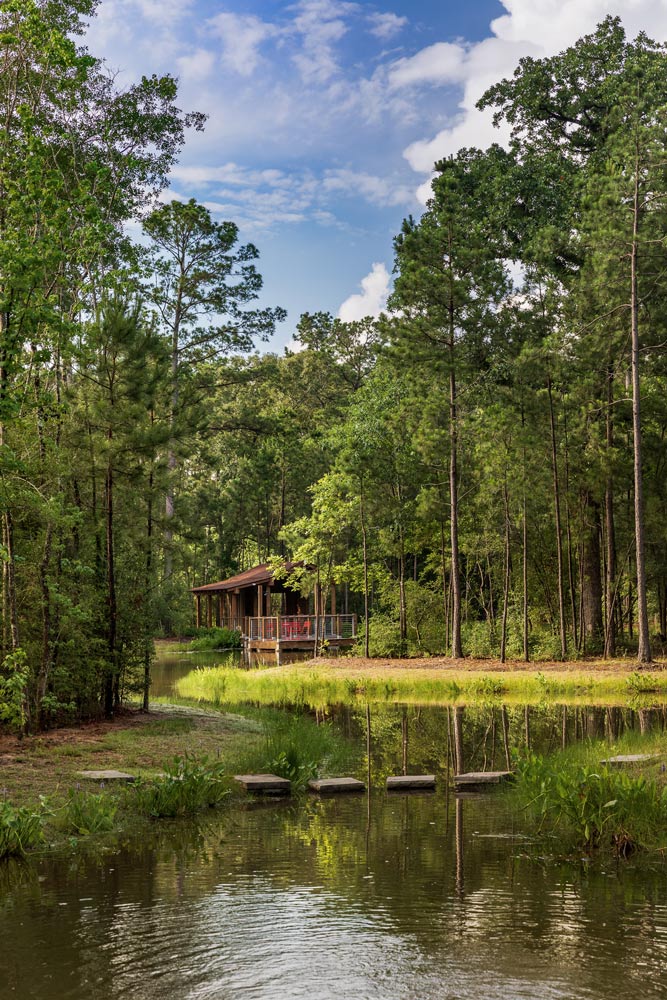
A fish camp, at its essence, is a commercial establishment primarily catering to anglers and outdoor enthusiasts, providing access, amenities, and services for fishing and related recreational activities. While the romantic image often conjures rustic cabins by a pristine lake, the modern fish camp is a diverse entity, ranging from basic boat launches with bait shops to comprehensive resorts offering guided excursions, upscale lodging, dining, and extensive marine services. Understanding “what is a fish camp” from a financial perspective reveals a dynamic business model with significant investment potential, diverse revenue streams, and a tangible impact on local economies.

The Financial Ecosystem of a Fish Camp
Operating a fish camp transcends mere hospitality; it’s about managing a complex financial ecosystem where myriad services and resources converge to generate profit. For prospective owners, investors, or those simply curious about the business of outdoor recreation, dissecting the income and expenditure streams is crucial.
Revenue Streams for Operators
The profitability of a fish camp hinges on its ability to diversify income sources. Relying solely on one offering can lead to vulnerability, especially given the seasonal nature of fishing in many regions.
- Lodging and Accommodation: This often forms the cornerstone of revenue. Options can range from rustic cabins, RV sites, and tent camping spots to more luxurious lodges and suites. Pricing strategies depend on amenities, location, and seasonality, often employing dynamic pricing models.
- Boat and Equipment Rentals: Providing boats (fishing boats, kayaks, canoes), motors, fishing gear (rods, reels, tackle boxes), and related equipment (life vests, depth finders) offers substantial rental income. Maintenance and insurance costs are significant but are typically offset by high demand.
- Guided Tours and Charters: Professional fishing guides, either employed directly by the camp or operating as independent contractors, provide an invaluable service, especially for novice anglers or those seeking trophy fish. Camps often take a commission or charge a premium for booking these services.
- Retail Sales (Bait & Tackle Shop): A well-stocked bait and tackle shop is non-negotiable. Sales of live bait (worms, minnows, shiners), lures, lines, hooks, rods, reels, and other fishing accessories are a consistent income generator. Beyond fishing gear, many camps also sell convenience items like snacks, beverages, ice, sunscreen, and branded merchandise.
- Fuel Sales: For camps with direct water access, offering boat fuel is a critical service and a consistent revenue stream. Pricing typically includes a healthy markup to cover operational costs and provide profit.
- Marina Services: This can include boat launching fees, slip rentals, dry storage, winterization services, and minor repairs. These services appeal to local boat owners as well as transient visitors.
- Food and Beverage: Some larger fish camps incorporate restaurants, grills, or convenience stores, providing additional revenue through meals, snacks, and alcoholic beverages. This enhances the guest experience and increases per-visitor spending.
- Permits and Licenses: While often a government requirement, some camps are authorized to sell fishing licenses and permits, earning a small commission for each sale.
- Fish Processing: Offering cleaning, filleting, and freezing services for guests’ catches can be a profitable add-on, particularly for camps targeting anglers seeking to bring their harvest home.
Operational Costs and Management
Maintaining a fish camp involves substantial and varied expenditures. Effective financial management requires meticulous budgeting and cost control.
- Property and Infrastructure: This includes land acquisition or lease payments, building maintenance (cabins, lodges, docks, restrooms), road upkeep, and landscaping. Depreciation of assets is also a critical accounting consideration.
- Utilities: Electricity, water, sewage, and heating/cooling for all facilities represent ongoing significant costs. Efficient energy systems can lead to substantial savings.
- Staffing: Wages and benefits for managers, guides, boat mechanics, retail clerks, cleaning staff, and maintenance personnel are a primary expense. Seasonal hiring often requires careful planning to match demand fluctuations.
- Inventory: Regularly restocking bait, tackle, fuel, retail items, and food supplies demands a significant portion of working capital. Inventory management systems are crucial to minimize waste and optimize stock levels.
- Insurance: Comprehensive insurance coverage is essential, including property, liability (especially critical given water-based activities), workers’ compensation, and potentially marine insurance for rental fleets.
- Marketing and Advertising: Attracting guests requires investment in online presence (website, social media, online travel agencies), local advertising, brochures, and potentially participation in outdoor expos.
- Equipment Maintenance: Boats, motors, vehicles, and camp equipment require regular servicing, repairs, and eventual replacement. A preventative maintenance schedule can mitigate larger, unexpected costs.
- Licenses, Permits, and Regulations: Compliance with federal, state, and local regulations regarding fishing, boating, environmental protection, and hospitality requires various permits and fees, which vary significantly by location.
- Environmental Stewardship: Implementing sustainable practices, waste management, and adhering to conservation efforts can involve costs but also enhance brand reputation and long-term viability.
Investment Potential and Business Models
The allure of owning a fish camp extends beyond a passion for the outdoors; it represents a tangible investment in a niche market with consistent demand. The investment landscape offers various avenues, each with its own financial implications and risk profile.
Traditional Ownership vs. Modern Ventures
Traditionally, fish camps were family-owned and operated, often passed down through generations. While this model persists, the market has evolved:
- Sole Proprietorship/Partnership: This remains common for smaller, independent camps, offering direct control but requiring significant personal capital and effort. Financial success is directly tied to the owner’s operational efficiency and ability to adapt.
- Corporate Structures (LLC, S-Corp): Larger operations or those seeking external investment often adopt corporate structures for liability protection and easier capital raising. These require more complex accounting and governance.
- Franchise Models (Emerging): While not as prevalent as in other hospitality sectors, some larger outdoor recreation brands are exploring or offering franchise opportunities for destination camps, providing established branding and operational support in exchange for royalties.
- Real Estate Investment: For some investors, the primary interest might be in the underlying real estate. A fish camp can represent significant waterfront property that appreciates in value, with the business serving as an income-generating asset on that land.
- Eco-Tourism and Glamping Hybrids: Modern ventures increasingly integrate eco-tourism principles, sustainable practices, and “glamping” (glamorous camping) elements to attract a broader clientele, potentially commanding higher price points and offering diversified experiences beyond just fishing. This often requires higher initial investment but can yield greater returns and market resilience.
Financing a Fish Camp Business
Securing capital for a fish camp can be challenging due to its specialized nature and sometimes seasonal cash flow.
- Traditional Bank Loans: Commercial real estate loans or small business loans (e.g., SBA loans in the U.S.) are common avenues. Lenders will scrutinize business plans, collateral, cash flow projections, and the borrower’s experience.
- Seller Financing: In some cases, existing owners may offer to finance a portion of the purchase price, especially if they are motivated to sell and believe in the buyer’s capabilities.
- Private Equity/Venture Capital: For larger, scalable fish camp resorts or multi-location enterprises, private equity firms or angel investors might provide capital in exchange for equity, particularly if the venture demonstrates high growth potential or aligns with eco-tourism trends.
- Crowdfunding: Niche platforms focused on outdoor recreation or local community investment could be used to raise smaller amounts of capital, often offering perks or future stays to investors.
- Owner’s Equity: Significant personal capital investment is almost always required, demonstrating commitment and reducing the overall debt burden.
Economic Impact and Side Hustle Opportunities
Fish camps are more than just recreational hubs; they are often vital components of local economies and provide diverse avenues for individual income generation.
Local Economic Contributions
The presence of a thriving fish camp has a ripple effect on surrounding communities:
- Job Creation: Camps directly employ staff, from management to cleaning crews and guides, providing local employment opportunities.
- Support for Local Businesses: Fish camps often source supplies, provisions, and services (e.g., construction, maintenance, marketing) from local vendors, injecting capital into the community.
- Tourism Revenue: By attracting visitors from outside the immediate area, camps bring in tourist dollars that are then spent on local restaurants, shops, gas stations, and other attractions, boosting the overall tourism economy.
- Tax Revenues: Property taxes, sales taxes, and potentially bed taxes contribute to local government coffers, funding public services.
- Conservation Initiatives: Many camps actively participate in or fund local conservation efforts, contributing to the long-term health of natural resources, which in turn sustains the very industry they depend on.
Leveraging Fish Camps for Passive Income or Side Gigs
For individuals not looking to outright own a camp, there are numerous ways to generate income through associated activities:
- Independent Fishing Guide: Experienced anglers can offer their services as freelance guides, working with various camps or directly with clients. This requires specialized knowledge, local permits, and often a significant investment in boat and gear.
- Boat Maintenance and Repair: Offering mobile or on-site boat maintenance, engine repair, or detailing services to camp owners and guests can be a profitable side hustle, especially in remote locations where skilled technicians are scarce.
- Equipment Rental/Sales: Individuals can rent out personal fishing gear, kayaks, or specialized equipment not offered by the camp, or even act as a local distributor for fishing tackle brands.
- Content Creation: With the rise of digital media, individuals can offer photography, videography, or social media management services to camps, helping them create compelling content for marketing purposes. Bloggers and YouTubers focusing on specific fishing techniques or locations can also partner with camps.
- Specialized Services: This could include providing catering for groups, offering fly-tying classes, or leading nature tours (bird watching, hiking) that complement the fishing experience.
- Online Booking Management: For camps that struggle with online presence, an individual could offer services to manage their listings on various booking platforms, optimize their website, and handle reservations.
Assessing Value: For Owners and Patrons
Understanding the financial value of a fish camp is multifaceted, encompassing both its intrinsic business worth for an owner or investor and its perceived value for the paying patron.
ROI for Investors
When evaluating a fish camp as an investment, potential buyers look at several key metrics:
- Cash Flow: The net operating income after all expenses is paramount. Sustainable, positive cash flow indicates a healthy business. Seasonality must be factored in, with annual averages often being more indicative than monthly figures.
- Asset Valuation: The value of the underlying real estate, buildings, boats, equipment, and inventory forms a significant portion of the total business value. Depreciation schedules are crucial.
- Goodwill and Brand Reputation: An established camp with a loyal customer base, positive reviews, and a strong local reputation can command a higher price. This intangible asset often reflects years of consistent service and marketing.
- Growth Potential: Opportunities for expansion (more cabins, new services, enhanced marketing) or untapped markets can significantly increase the perceived value and future ROI.
- Risk Factors: Assessing risks like environmental changes (fish stock depletion, water levels), regulatory shifts, competition, and economic downturns is critical for a realistic valuation. Valuations often employ methods like discounted cash flow (DCF) or multiples of earnings before interest, taxes, depreciation, and amortization (EBITDA).

Consumer Value Proposition
For the angler or vacationer, the “value” of a fish camp experience is measured against its cost:
- Access and Convenience: The ability to easily access prime fishing spots, often with knowledgeable guides and well-maintained boats, saves time and effort, enhancing the experience.
- Amenities and Comfort: The quality of lodging, dining, and other recreational facilities contributes to overall satisfaction. A comfortable stay, even in a rustic setting, adds significant value.
- Expertise and Success: For many, the ultimate value is the opportunity to catch fish, especially trophy species. The expertise of guides, quality of equipment, and reputation for successful outings are major drawcards.
- Experience and Escape: Beyond the fishing itself, the value lies in the escape from daily life, the connection with nature, and the creation of lasting memories. Camps that foster a strong sense of community and atmosphere enhance this experiential value.
- Cost-Effectiveness: Comparing the all-inclusive cost of a fish camp trip against the expense and logistical challenges of organizing a similar trip independently (boat rental, lodging, guiding, equipment) helps patrons assess the financial value proposition.
In conclusion, a fish camp is far more than just a place to cast a line. From a financial perspective, it represents a multifaceted business venture with diverse revenue opportunities, significant operational demands, and a profound economic footprint. Whether as a hands-on owner, a strategic investor, or a savvy side hustler, understanding the financial intricacies of a fish camp is key to navigating its unique position within the outdoor recreation economy.
aViewFromTheCave is a participant in the Amazon Services LLC Associates Program, an affiliate advertising program designed to provide a means for sites to earn advertising fees by advertising and linking to Amazon.com. Amazon, the Amazon logo, AmazonSupply, and the AmazonSupply logo are trademarks of Amazon.com, Inc. or its affiliates. As an Amazon Associate we earn affiliate commissions from qualifying purchases.