
Billy Idol. The name conjures images of a leather-clad rebel with a signature sneer, a punk rock icon who exploded onto the music scene in the early 1980s. His distinctive sound, a blend of punk energy, new wave sensibilities, and stadium rock anthems, cemented his place in music history. Hits like “White Wedding,” “Dancing with Myself,” and “Rebel Yell” dominated the airwaves and MTV, making him a global phenomenon. But as the decades have passed, a question often lingers: what happened to Billy Idol?
While the mainstream spotlight may have shifted, Billy Idol hasn’t disappeared. Instead, his journey has evolved, mirroring the dynamic shifts in the entertainment industry and the broader cultural landscape. To understand “what happened to Billy Idol,” we need to look beyond the immediate chart success and explore his enduring career through the lenses of Brand, Tech, and Money. This isn’t just about his music; it’s about how an artist with a powerful, recognizable identity has navigated the complexities of the modern world, adapting his approach while staying true to his rebellious spirit.
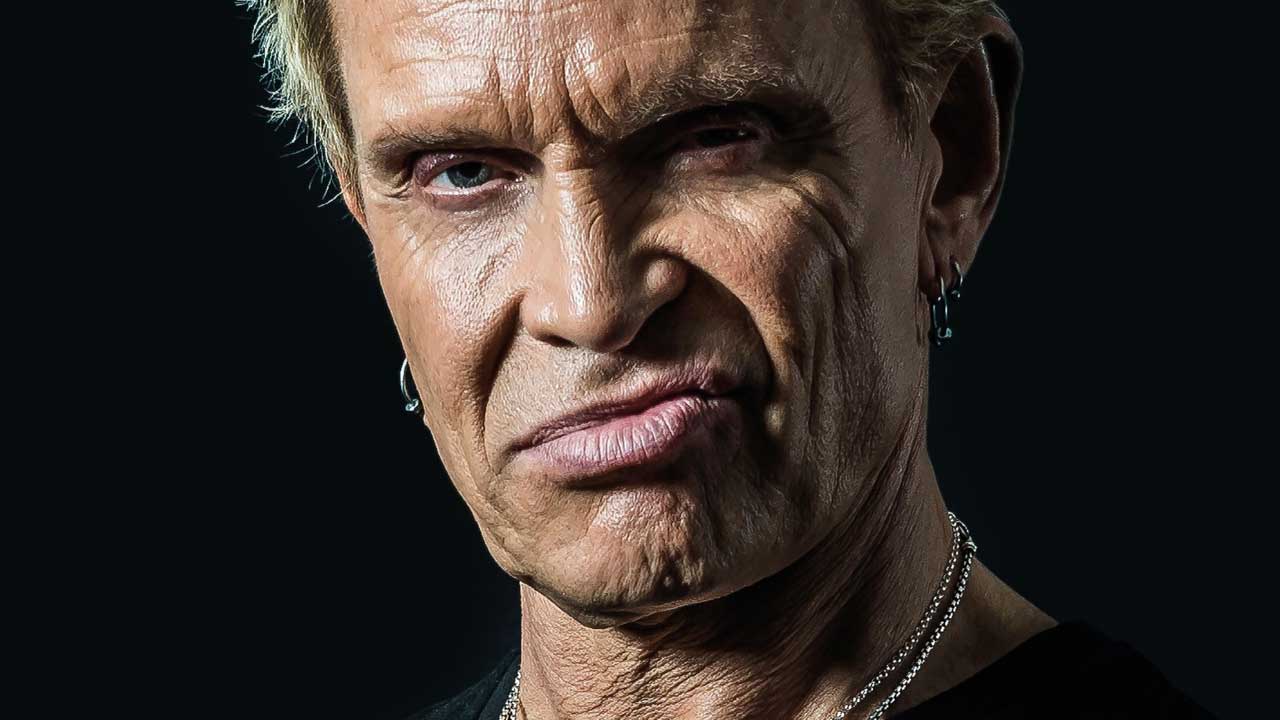
The Evolving Brand of a Rebel Icon
Billy Idol’s brand is as potent as ever. From his early days, it was a deliberate construction: the snarling, rebellious image, the iconic blonde quiff, the black leather, and the raw, energetic vocal delivery. This meticulously crafted persona wasn’t just for show; it was the engine of his success. It resonated with a generation seeking an alternative to the polished pop and rock of the time. His brand was built on authenticity, albeit a carefully curated authenticity, that spoke of defiance and individuality.
Maintaining Brand Relevance in a Shifting Music Landscape
The music industry is a relentless tide, constantly churning out new sounds and artists. For any established act, maintaining brand relevance is a significant challenge. Billy Idol’s approach has been a masterclass in resilience and strategic adaptation.
Adapting to Digital Distribution and Fan Engagement
In the pre-internet era, an artist’s reach was largely dictated by record labels, radio play, and television. The advent of digital music, streaming services, and social media has fundamentally altered this landscape. Billy Idol, like many artists of his generation, has had to navigate these new frontiers. While he might not be actively releasing a constant stream of new music in the same vein as an emerging artist, he has embraced the digital realm to connect with his existing fanbase and attract new ones.
This involves more than just uploading his back catalog to streaming platforms. It’s about leveraging social media to share archival footage, behind-the-scenes glimpses, and personal anecdotes. It’s about engaging with fans directly, fostering a sense of community that transcends mere passive consumption of music. This digital presence allows him to maintain his brand’s visibility and remind audiences of his enduring appeal. His Brand isn’t just about the music of the 80s; it’s about the enduring spirit of rebellion and rock and roll that he embodies.
The Power of Legacy and Live Performance
For many iconic artists, their live performances become the primary vehicle for sustaining their brand and income. Billy Idol is no exception. His tours are not just about nostalgia; they are vibrant celebrations of his music and his enduring stage presence. He doesn’t simply go through the motions; he delivers the same electrifying energy that captivated audiences decades ago. This commitment to live performance reinforces his Brand as a powerful rock and roll force.
Furthermore, the concept of “legacy” in the music industry has become increasingly valuable. Billy Idol’s music is now part of the cultural canon, sampled, covered, and celebrated in various forms. His brand has transcended individual songs to become synonymous with a particular era and a particular attitude. This enduring legacy ensures his continued relevance and provides a strong foundation for his current activities.
The Technological Undercurrents of an Enduring Career
While Billy Idol’s music is undeniably analog at its core – raw guitars, powerful drums, and a distinctive vocal – technology has played a crucial, albeit often unseen, role in the evolution of his career and the accessibility of his art. From the way his music was recorded to how it’s now distributed and consumed, Tech has been a constant companion, even if he’s not typically seen as a tech guru.
Leveraging Technology for Archival and Creative Output

The technological advancements in music production have allowed artists like Billy Idol to revisit and re-release their work in new and exciting ways. Remastering old albums with improved sound quality, creating deluxe editions with previously unreleased tracks, and even exploring innovative ways to present his visual legacy are all examples of how technology enhances his Brand.
Digital Archiving and Fan-Centric Content
The sheer volume of archival material an artist accumulates over a long career is immense. Technology, particularly digital archiving, allows for the preservation and cataloging of this wealth of content. This is invaluable for creating documentaries, special edition releases, and even for responding to fan requests for specific memorabilia or B-sides. The ability to digitize and make accessible these elements allows for deeper fan engagement and a richer understanding of his journey. This is where the Tech intersects directly with Brand building, turning past assets into present-day fan experiences.
The Role of Digital Tools in Modern Music Creation and Collaboration
Even if Billy Idol’s core sound remains rooted in traditional rock instrumentation, the tools available for music creation have transformed. Digital audio workstations (DAWs), virtual instruments, and sophisticated recording techniques can be used to refine existing tracks, create new remixes, or even lay the groundwork for entirely new musical explorations. While specific details about his current creative process might be private, it’s highly probable that he, like most contemporary musicians, utilizes some form of digital technology to enhance his creative output. This could involve collaborating with producers who are adept at using the latest Tech, or even incorporating elements that are a product of modern digital sound design, subtly weaving them into his signature sound.
The Financial Ecosystem of a Rock Legend
The question of “what happened to Billy Idol” also inevitably touches upon his financial well-being and how he sustains his career. The economics of the music industry have undergone seismic shifts, and navigating these changes requires savvy financial acumen, whether it’s directly managed or through trusted professionals. The intersection of Money, Brand, and Tech is crucial here.
Diversifying Income Streams in the Modern Music Economy
The days of relying solely on album sales for substantial income are largely over for many artists, especially those who achieved their peak success before the digital revolution. Billy Idol, like any seasoned professional in the entertainment industry, has likely developed a diversified income strategy.
The Enduring Value of Royalties and Licensing
Despite the decline in physical record sales, Billy Idol continues to earn from his extensive back catalog through royalties. Every time one of his songs is streamed, played on the radio, or used in a film, TV show, or advertisement, royalties are generated. The licensing of his music for commercial purposes can be a significant source of income, particularly for iconic tracks that evoke a specific era or mood. This is a prime example of how his established Brand directly translates into ongoing Money.
The Economic Power of Touring and Merchandise
As mentioned earlier, live performances are a cornerstone of sustaining an artist’s financial stability and their connection with fans. Billy Idol’s consistent touring schedule generates substantial revenue through ticket sales. Beyond that, merchandise sales – t-shirts, posters, vinyl reissues, and other branded items – offer another vital income stream. These products are tangible representations of his Brand, allowing fans to invest in their connection with him, thereby contributing directly to his Money flow.

Strategic Brand Partnerships and Endorsements
Savvy artists also leverage their personal brands for strategic partnerships and endorsements. While Billy Idol might not be endorsing breakfast cereals, his image and persona could be valuable to brands that align with his rebellious, energetic, and iconic status. These partnerships can provide significant financial injections and further amplify his Brand to new audiences, demonstrating the interconnectedness of Money, Brand, and even Tech if the endorsements involve digital platforms.
In conclusion, “what happened to Billy Idol” is a narrative of adaptation, resilience, and a deep understanding of how to maintain a powerful Brand in a constantly evolving world. He hasn’t simply faded into obscurity; he has intelligently navigated the shifting landscapes of Tech and Money, ensuring that his rebellious spirit and iconic music continue to resonate with audiences worldwide. His story is a testament to the enduring power of authenticity and the strategic application of modern tools to sustain a legacy that continues to inspire.
aViewFromTheCave is a participant in the Amazon Services LLC Associates Program, an affiliate advertising program designed to provide a means for sites to earn advertising fees by advertising and linking to Amazon.com. Amazon, the Amazon logo, AmazonSupply, and the AmazonSupply logo are trademarks of Amazon.com, Inc. or its affiliates. As an Amazon Associate we earn affiliate commissions from qualifying purchases.