
In the complex ecosystem of modern business and finance, understanding legal frameworks that profoundly impact corporate strategy, risk management, and financial outcomes is paramount. One such critical legal procedure, often misunderstood outside of legal circles, is the Daubert hearing. While seemingly a niche legal concept, its implications for businesses, investors, and financial stakeholders are extensive, directly influencing balance sheets, market valuations, and the very solvency of enterprises embroiled in high-stakes litigation. Far from a mere procedural formality, a Daubert hearing is a vital gatekeeping mechanism that protects businesses from the financial fallout of unreliable expert testimony, ensuring that substantial financial decisions and judgments are based on sound, credible evidence.

The Financial Stakes of Expert Testimony
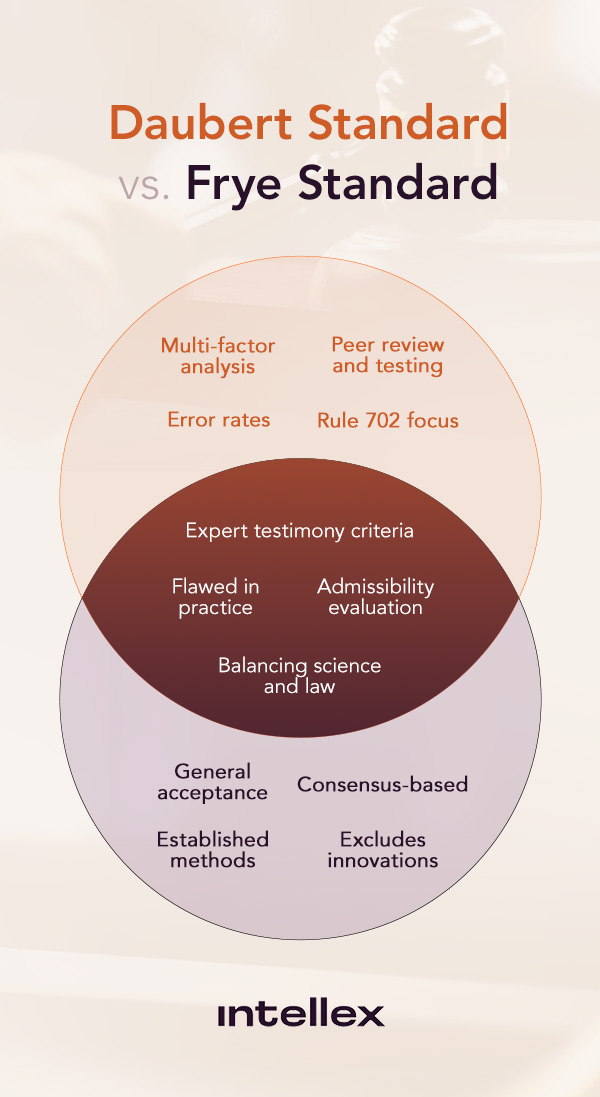
At its core, a Daubert hearing is a pretrial proceeding in U.S. federal courts (and many state courts) to determine the admissibility of expert witness testimony. It stems from the landmark 1993 Supreme Court case, Daubert v. Merrell Dow Pharmaceuticals, Inc., which established a standard for admitting expert scientific testimony. Prior to Daubert, the prevailing “Frye” standard focused on whether the scientific technique was “generally accepted” in the relevant scientific community. Daubert shifted this focus to the trial judge’s role as a “gatekeeper,” requiring them to assess whether an expert’s testimony is both relevant and reliable.
For businesses, the financial implications of expert testimony can be staggering. In cases ranging from product liability and patent infringement to environmental damages and complex financial fraud, experts often quantify damages, assess causation, and project future losses, directly influencing the scale of potential judgments. If an expert’s methodology is flawed, speculative, or lacks scientific rigor, their testimony could lead to financially ruinous judgments for a defendant company or prevent a plaintiff company from recovering legitimate losses. A Daubert hearing serves as the crucial financial firewall, preventing such unreliable, and potentially devastating, evidence from reaching a jury.
Protecting Assets and Minimizing Liabilities
A successful Daubert challenge can result in the exclusion of an opposing party’s key expert witness, significantly weakening their case. For a defendant company, this can mean the difference between a multi-million dollar judgment and a favorable settlement or even outright victory. By challenging the scientific validity of claims related to product defects, environmental contamination, or financial malfeasance, companies can protect their assets, avoid unwarranted liabilities, and preserve shareholder value.
Conversely, for a plaintiff company seeking to recover damages—perhaps due to a competitor’s patent infringement or a supplier’s breach of contract—ensuring their own expert testimony withstands Daubert scrutiny is critical. The ability to present robust, scientifically sound evidence of financial loss or intellectual property valuation directly impacts the potential for monetary recovery, influencing cash flow and long-term financial health. The upfront investment in highly qualified and defensible experts is, therefore, a strategic financial decision aimed at maximizing potential returns or minimizing financial exposure.
Impact on Business Valuations and Investor Confidence
Litigation, especially high-profile cases involving significant financial exposure, can cast a long shadow over a company’s financial prospects. Analyst ratings, investor sentiment, and ultimately, stock prices can be heavily influenced by the perceived risk and potential financial impact of ongoing legal battles. A company facing a lawsuit where the opposing side relies on questionable expert testimony faces heightened uncertainty, which can depress its market valuation.
The outcome of a Daubert hearing can dramatically shift this perception. If a key opposing expert is excluded, it signals reduced financial risk, potentially boosting investor confidence and stabilizing or even increasing stock prices. Conversely, if a company’s own expert testimony is deemed unreliable, it can signal increased liability, leading to market penalties. Thus, understanding and strategically managing Daubert challenges is not just a legal exercise but a critical component of maintaining a healthy corporate image and investor relations, directly influencing capital access and cost.
Navigating Daubert Challenges: A Business Imperative
For any organization operating in an environment where litigation is a possibility, integrating Daubert awareness into financial risk management strategies is essential. This involves proactive measures in expert selection, rigorous internal review of methodologies, and a clear understanding of the financial costs associated with challenging or defending expert testimony.
Due Diligence in Expert Selection

The financial ramifications of an expert’s testimony underscore the importance of meticulous due diligence in their selection. Businesses, often through their legal counsel, must engage experts not only for their impressive credentials but also for their ability to articulate their methodologies clearly, defend their reasoning, and demonstrate that their findings are based on sound scientific principles, verifiable data, and established techniques. This includes ensuring experts are familiar with the Daubert factors, which typically include:
- Testability: Whether the expert’s theory or technique can be (and has been) tested.
- Peer Review and Publication: Whether the theory or technique has been subjected to peer review and publication.
- Error Rate: The known or potential rate of error of the technique.
- Standards and Controls: The existence and maintenance of standards controlling the technique’s operation.
- General Acceptance: Whether the theory or technique is generally accepted in the relevant scientific community.
Failing to select an expert who can meet these criteria can lead to a costly exclusion, forcing a company to scramble for an alternative, potentially delaying litigation and increasing legal expenditures, all while undermining their core financial claims or defenses. Investing in a robust, Daubert-compliant expert upfront is a wise financial decision that mitigates significant future risks.
Cost Implications of Daubert Motions
Mounting a Daubert challenge or defending an expert’s testimony against one is not without significant financial cost. These motions often require extensive legal briefing, depositions of experts, and potentially mini-trials focused solely on the scientific or technical merits of the expert’s approach. This translates into substantial legal fees, expert fees for both the primary expert and any rebuttal experts, and internal resource allocation.
For businesses, budgeting for litigation must account for these potential Daubert-related expenses. While costly, a successful Daubert motion can drastically alter the trajectory of a case, potentially saving millions or even billions in potential judgments or securing significant recoveries. From a financial perspective, these costs are often viewed as a strategic investment to de-risk litigation, protect assets, or secure a more favorable financial outcome. Conversely, companies on the receiving end of a Daubert challenge must be prepared to invest resources in defending their experts, as an unsuccessful defense can lead to the financial crippling of their case.
Daubert in Practice: Case Studies and Financial Outcomes
The practical application of Daubert principles frequently arises in areas with substantial financial exposure, demonstrating its direct impact on corporate finance.
Product Liability and Consumer Safety
In product liability cases, expert testimony is pivotal in establishing causation, defect, and the extent of damages. For example, if a pharmaceutical company is sued over an alleged adverse drug effect, the plaintiff’s expert might claim a causal link based on novel scientific theories. A Daubert challenge can expose the lack of scientific rigor in such claims, potentially precluding testimony that could lead to massive jury awards. Conversely, a manufacturer defending against a claim must ensure its own experts can reliably demonstrate the safety of their product or the absence of causation, protecting against financially devastating recalls, legal judgments, and reputational damage that could impact future sales and stock performance. The exclusion of a causation expert could dismantle the entire financial claim against a company.
Patent Infringement and Intellectual Property Valuation
Intellectual property (IP) is a critical asset for many businesses, and its infringement can lead to significant financial losses. In patent infringement lawsuits, experts are crucial for assessing the validity of a patent, determining infringement, and calculating damages, often involving complex financial models for lost profits or reasonable royalties. A successful Daubert challenge to an expert’s damages model can dramatically reduce the financial recovery sought by the patent holder or the financial liability faced by the alleged infringer. The integrity of an expert’s methodology in valuing intellectual property directly impacts a company’s balance sheet and its ability to monetize its innovations. For tech companies, where IP can constitute the vast majority of their market valuation, the reliability of expert testimony in patent disputes is a make-or-break financial issue.
Proactive Financial Risk Management through Daubert Awareness
Integrating Daubert principles into a company’s financial risk management framework goes beyond reactive litigation strategies. It involves cultivating an internal culture that values scientific rigor and evidence-based decision-making in all aspects of operations that could potentially lead to legal scrutiny. This includes:
- Robust R&D Documentation: Meticulous record-keeping of research and development processes, quality control, and testing protocols can provide a strong evidentiary foundation for future expert testimony, bolstering financial defense against product liability claims.
- Compliance and Regulatory Adherence: Proactively adhering to scientific and regulatory standards can minimize the need for defensive expert testimony and reduce the likelihood of costly lawsuits.
- Internal Expert Training: For companies with in-house scientific or technical staff who might serve as experts, providing training on Daubert standards ensures their internal analyses and reports are prepared with the necessary rigor to withstand judicial scrutiny.
- Insurance and Legal Budgeting: Understanding the potential for Daubert challenges allows for more accurate budgeting for litigation costs and ensures adequate insurance coverage for legal defense and potential liabilities.
In conclusion, “What is a Daubert hearing?” is not just a question for legal professionals; it is a fundamental inquiry for CFOs, business leaders, and investors concerned with financial stability and growth. By acting as a critical filter for expert testimony, Daubert hearings directly influence litigation outcomes, shape financial liabilities, protect corporate assets, and ultimately, impact the bottom line. A comprehensive understanding and proactive approach to Daubert standards are indispensable elements of sound financial risk management in today’s litigious business landscape.
aViewFromTheCave is a participant in the Amazon Services LLC Associates Program, an affiliate advertising program designed to provide a means for sites to earn advertising fees by advertising and linking to Amazon.com. Amazon, the Amazon logo, AmazonSupply, and the AmazonSupply logo are trademarks of Amazon.com, Inc. or its affiliates. As an Amazon Associate we earn affiliate commissions from qualifying purchases.