
In the intricate world of modern technology, where precision and efficiency are paramount, sensors play a foundational role in enabling devices to perceive and react to their environment. Among these vital components, the CTS sensor stands out for its critical function in a myriad of applications, from automotive engines to industrial systems and consumer electronics. Understanding a CTS sensor involves delving into its fundamental principles, diverse applications, and the technological advancements that continually enhance its capabilities.
Understanding the Core Functionality of CTS Sensors
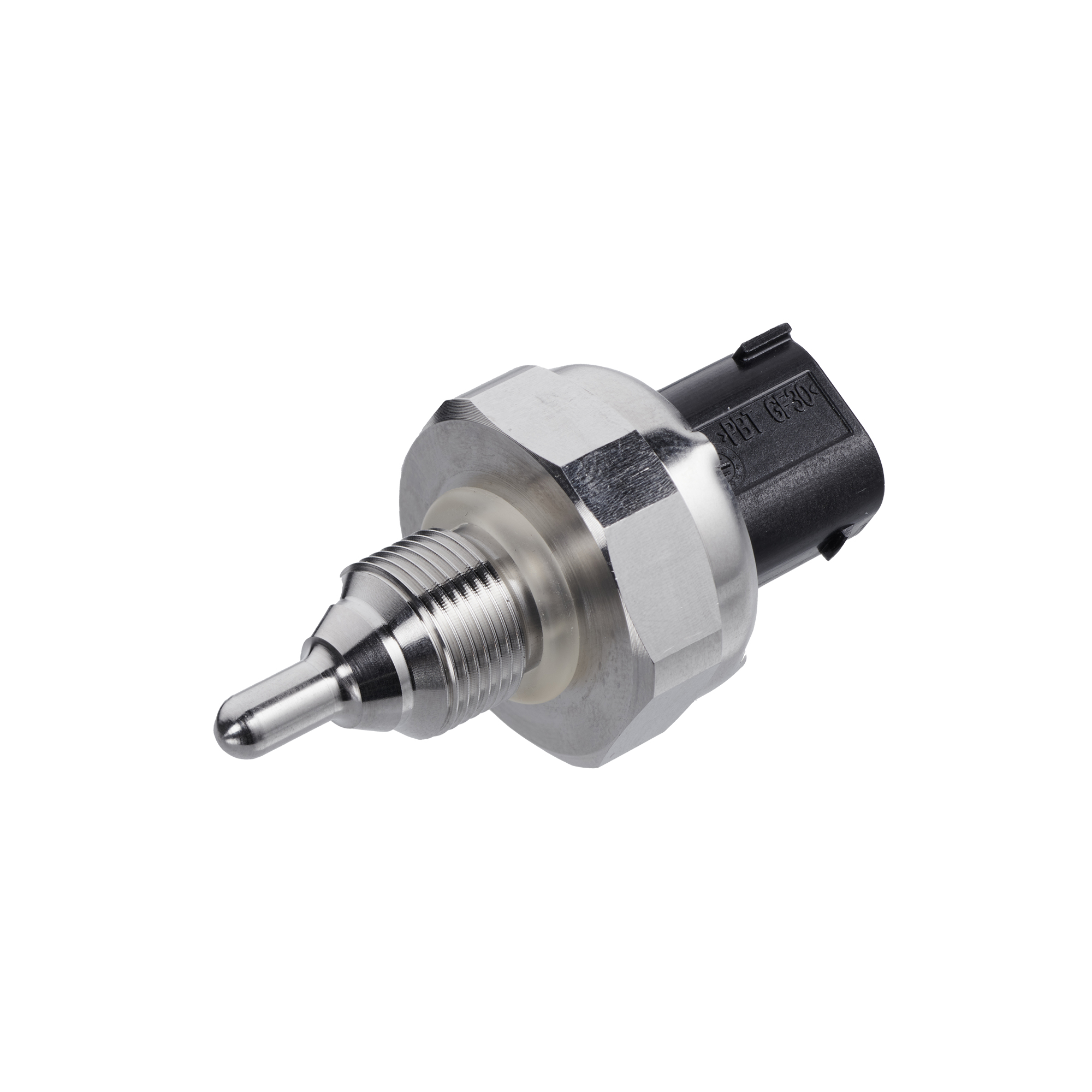
A CTS sensor, at its heart, is a device engineered to measure temperature, but with a specific focus on coolant systems. Its designation and operational mechanism are crucial to grasping its importance in controlling and optimizing system performance.

What “CTS” Stands For
The acronym “CTS” most commonly refers to a Coolant Temperature Sensor. While the “T” can sometimes denote “Thermal” in broader contexts, within the realm of engine management and many industrial applications, “Coolant” is the precise descriptor. This sensor is specifically designed to monitor the temperature of a liquid coolant, which is typically circulating within a closed system to dissipate heat from critical components. The data it collects is then transmitted to a control unit, such as an Engine Control Unit (ECU) in a vehicle or a Programmable Logic Controller (PLC) in an industrial setting, to make informed decisions about system operation.
The Principle of Operation: Thermistors and Resistance
The operational backbone of most CTS sensors is a thermistor, a type of resistor whose resistance is highly dependent on temperature. Specifically, CTS sensors typically employ a Negative Temperature Coefficient (NTC) thermistor. This means that as the temperature of the coolant increases, the electrical resistance of the thermistor decreases, and vice-versa.
Here’s how it works:
- Placement: The CTS sensor is strategically submerged in the coolant path, allowing its thermistor element to directly interface with the liquid.
- Resistance Change: As the coolant temperature changes, the thermistor’s internal resistance fluctuates accordingly.
- Voltage Signal: The control unit applies a small reference voltage across the thermistor. As the resistance changes, the voltage drop across the sensor also changes.
- Signal Conversion: The control unit measures this varying voltage. Using a pre-calibrated look-up table or mathematical algorithm, it converts the voltage signal back into a precise temperature reading. This process allows the system to accurately determine the coolant’s thermal state at any given moment.
This precise conversion from resistance to temperature is what makes the CTS sensor an indispensable component for real-time temperature monitoring and regulation.
Key Role in Engine Management
In automotive applications, where the CTS sensor is most commonly recognized, its role in engine management is absolutely critical. The engine’s operating temperature profoundly impacts everything from fuel efficiency and emissions to overall performance and longevity.
- Fuel Mixture Optimization: A cold engine requires a richer fuel mixture to start and run smoothly. The CTS sensor informs the ECU about the engine’s current temperature, allowing it to adjust fuel injection timing and duration to provide the optimal air-fuel ratio, preventing stalling and reducing cold-start emissions.
- Ignition Timing: Engine temperature also influences the ideal ignition timing. The ECU uses CTS data to advance or retard ignition, maximizing power output and fuel economy while minimizing engine knock.
- Cooling Fan Control: When the engine reaches a certain high temperature, the ECU uses CTS data to activate the engine’s cooling fans, preventing overheating and maintaining the engine within its optimal operating range.
- Idling Speed: Cold engines often need a slightly higher idle speed. The CTS sensor helps the ECU determine the appropriate idle RPM based on the engine’s thermal state.
- Emissions Control: By optimizing fuel mixture and combustion, the CTS sensor indirectly contributes to reducing harmful exhaust emissions, ensuring the vehicle complies with environmental regulations.
Without an accurate CTS sensor, an engine would struggle to operate efficiently, leading to poor fuel economy, increased emissions, reduced performance, and potentially severe damage from overheating.
Types and Applications Across Technology
While primarily associated with automotive engines, the fundamental principles of a CTS sensor extend to numerous other technological domains, each adapting the core concept to its specific needs.
Automotive Sector: Engine Coolant Temperature Sensors
As detailed, the automotive industry is a primary user of CTS sensors. Beyond the main engine coolant temperature sensor, some vehicles might employ additional temperature sensors in other parts of the cooling system, such as at the radiator outlet, to provide even more granular control and diagnostics. The sensor’s robust design must withstand vibrations, extreme temperature fluctuations, and exposure to various automotive fluids, ensuring reliability over the vehicle’s lifespan. Modern vehicles increasingly integrate these sensors into complex diagnostic systems, providing real-time data that mechanics can access to troubleshoot issues efficiently.
Industrial Applications: Process Control and HVAC
The need for precise temperature monitoring extends far beyond vehicles. In industrial settings, CTS sensors, or their industrial equivalents often simply called temperature sensors or thermistors, are vital for process control and HVAC (Heating, Ventilation, and Air Conditioning) systems.
- Manufacturing Processes: Industries like chemical processing, food and beverage production, and pharmaceuticals rely on maintaining precise temperatures for various stages. CTS-like sensors monitor the temperature of coolants or process fluids in reactors, heat exchangers, and distillation columns, ensuring product quality and operational safety.
- HVAC Systems: In commercial and residential buildings, HVAC systems utilize temperature sensors to regulate indoor climate. While not always monitoring “coolant” in the automotive sense, they monitor the temperature of refrigerant lines, water in chilled water loops, or air ducts to optimize cooling and heating efficiency, comfort, and energy consumption. They feed data to building management systems (BMS) to automate climate control.
- Heavy Machinery: Construction equipment, agricultural machinery, and power generators often have complex cooling systems. Like automotive engines, these systems require accurate temperature monitoring to prevent overheating of hydraulic fluids, transmission oils, or engine coolants, ensuring equipment reliability and preventing costly downtime.
Consumer Electronics: Battery Management and Thermal Regulation
Even in the realm of consumer electronics, the principles of thermal sensing are crucial, albeit with slightly different nomenclature or direct focus on “coolant” in all cases.
- Battery Management Systems (BMS): Lithium-ion batteries, prevalent in smartphones, laptops, and electric vehicles, are highly sensitive to temperature. Overheating can lead to reduced lifespan, performance degradation, or even thermal runaway (fires). BMS use thermistors (often integrated into the battery pack) to monitor individual cell temperatures or the overall pack temperature. This data helps control charging and discharging rates, activate cooling mechanisms, and ultimately ensure battery safety and longevity.
- Processors and Graphics Cards: High-performance computing devices generate significant heat. While not typically immersed in a liquid coolant in the same way an engine sensor is, temperature sensors (often embedded within the chip or near the heatsink) monitor CPU and GPU temperatures. This data informs fan speed control, power throttling, and even system shutdown protocols to prevent thermal damage.
- Refrigerators and Freezers: These appliances use temperature sensors to maintain precise internal temperatures, ensuring food preservation and energy efficiency. While some might monitor refrigerant lines, others simply monitor air temperature within the compartments, acting as a critical feedback loop for the compressor and defrost cycles.
The Importance of Accuracy and Reliability
The effectiveness of any system relying on a CTS sensor is directly tied to the sensor’s accuracy and reliability. A malfunctioning or imprecise sensor can have significant consequences.
Impact on Performance and Efficiency
An inaccurate CTS sensor can lead to a cascade of problems. If it reports a lower temperature than the actual coolant temperature, the control unit might mistakenly enrich the fuel mixture, leading to increased fuel consumption, higher emissions, and carbon buildup. Conversely, if it reports an artificially high temperature, the system might activate cooling fans prematurely, retard ignition timing unnecessarily, or even trigger warning lights, impacting performance and efficiency. In industrial processes, incorrect temperature readings can compromise product quality, waste energy, or even lead to unsafe operating conditions.
Diagnosing Malfunctions and Sensor Failure
CTS sensors, like any electronic component, can fail. Common failure modes include:
- Open Circuit: The thermistor circuit breaks, leading to an infinitely high resistance reading, which the control unit typically interprets as an extremely cold temperature.
- Short Circuit: The thermistor’s resistance drops to near zero, interpreted as an extremely hot temperature.
- Erratic Readings: The sensor provides inconsistent or fluctuating readings, often due to internal damage or corrosion.
- Out of Range: The sensor provides a reading that falls outside the expected operating parameters, indicating a fault.
Modern diagnostic systems (e.g., OBD-II in vehicles) are designed to detect these failures, often illuminating a “Check Engine” light and storing a diagnostic trouble code (DTC). Troubleshooting involves using a diagnostic scanner to read these codes and then testing the sensor’s resistance against a temperature chart to verify its accuracy.
Advancements in Sensor Technology
Sensor technology is continuously evolving. Newer CTS sensors boast enhanced features:
- Improved Precision: Tighter manufacturing tolerances and advanced materials lead to more accurate and repeatable temperature readings.
- Faster Response Times: Quicker thermal response allows for more immediate system adjustments, particularly beneficial in rapidly changing conditions.
- Integrated Diagnostics: Some sensors incorporate self-diagnostic capabilities, reporting their own health status to the control unit.
- Digital Outputs: Moving beyond analog resistance signals, some advanced sensors provide digital outputs (e.g., CAN bus compatible), reducing signal noise and simplifying integration with complex control systems.
- Miniaturization: Smaller form factors allow for integration into more compact designs and closer proximity to the heat source for more accurate measurement.
Installation, Maintenance, and Future Trends
Proper installation and periodic maintenance are key to ensuring the longevity and optimal performance of CTS sensors.
Typical Placement and Installation Considerations
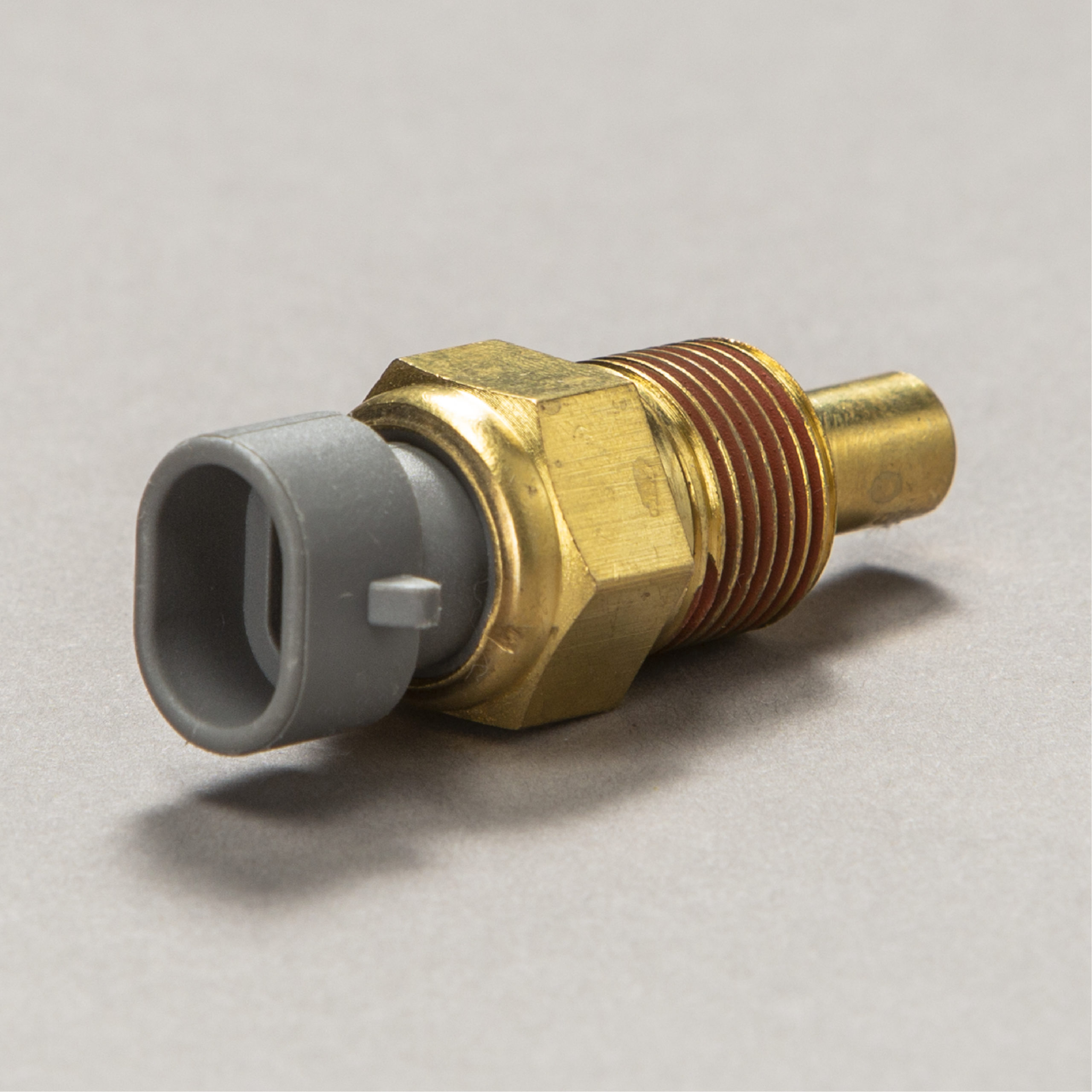
In automotive engines, the CTS sensor is typically located in a coolant passage on the engine block or cylinder head, often near the thermostat housing. This placement ensures it directly measures the temperature of the coolant as it exits the engine, providing a representative reading of the engine’s thermal state. Industrial sensors are often mounted in thermowells or direct immersion probes within pipes or tanks.
Key installation considerations include:
- Proper Sealing: Preventing coolant leaks is paramount, requiring appropriate thread sealant or O-rings.
- Correct Torque: Over-tightening can damage the sensor or its housing; under-tightening can lead to leaks.
- Electrical Connection: Ensuring a clean, corrosion-free electrical connection is vital for accurate signal transmission.
Maintenance and Replacement Protocols
While CTS sensors are generally robust, they are not immune to failure. Maintenance typically involves:
- Visual Inspection: Checking for signs of corrosion, physical damage, or coolant leaks around the sensor.
- Diagnostic Checks: Regularly scanning for trouble codes, especially if performance issues arise.
- Resistance Testing: If a fault is suspected, testing the sensor’s resistance at various temperatures (often by heating it in water while measuring) against manufacturer specifications.
Replacement is usually straightforward, involving draining some coolant, unscrewing the old sensor, and installing the new one. It’s crucial to use an OEM-equivalent or higher-quality replacement to ensure compatibility and accuracy.
Integration with IoT and Smart Systems
The future of CTS sensors, like many other sensing technologies, is increasingly tied to the Internet of Things (IoT) and smart systems.
- Predictive Maintenance: By integrating sensor data with cloud analytics and machine learning, systems can predict potential sensor failures or component issues before they occur, enabling proactive maintenance and reducing unscheduled downtime.
- Enhanced Automation: In smart homes or industrial smart factories, CTS data can contribute to highly automated environmental control, energy management, and process optimization, reacting dynamically to changing conditions.
- Remote Monitoring: Real-time temperature data from distributed sensors can be remotely monitored and analyzed, providing insights into operational efficiency and health across vast networks of devices and machinery.
From optimizing a car’s engine to ensuring the safety of industrial processes and managing battery health in consumer electronics, the CTS sensor remains a humble yet incredibly powerful component in the sophisticated landscape of modern technology. Its continuous evolution promises even greater precision, reliability, and integration into the intelligent systems of tomorrow.
aViewFromTheCave is a participant in the Amazon Services LLC Associates Program, an affiliate advertising program designed to provide a means for sites to earn advertising fees by advertising and linking to Amazon.com. Amazon, the Amazon logo, AmazonSupply, and the AmazonSupply logo are trademarks of Amazon.com, Inc. or its affiliates. As an Amazon Associate we earn affiliate commissions from qualifying purchases.