
In the dynamic world of branding, understanding the nuances between concepts is paramount. Two such concepts, often conflated or overlooked, are “contrast” and “contradiction.” While they both involve differences, their implications for brand strategy, identity, and perception are profoundly distinct. A masterful brand leverages contrast to its advantage, distinguishing itself and creating impact, while meticulously avoiding contradiction, which can erode trust and dilute its essence.
The Foundation of Distinctiveness: Leveraging Contrast in Branding
At its core, contrast refers to the state of being strikingly different from something else in juxtaposition or close association. In branding, contrast isn’t just about spotting differences; it’s about strategically highlighting them to achieve specific goals: differentiation, clarity, and impact.

Defining Brand Contrast
Brand contrast manifests in various forms. It could be the visual difference between a brand’s logo and its competitor’s, the tonal difference in its messaging compared to industry norms, or the experiential difference its product offers against alternatives. Effective contrast ensures that a brand doesn’t just exist but stands out. It provides a frame of reference that allows the target audience to clearly see what makes a brand unique and valuable. Without contrast, brands risk blending into the background, becoming indistinguishable from a sea of similar offerings.
Strategic Applications of Contrast in Branding
The intentional application of contrast is a cornerstone of robust brand strategy.
Differentiation from Competitors
This is perhaps the most obvious application. A brand needs to articulate how it is different and, ideally, better than its rivals. This could be through a superior product feature, a unique service model, a distinct brand personality, or an innovative approach to an old problem. For example, a luxury brand might contrast its artisanal craftsmanship with a mass-produced competitor, or a disruptive tech startup might contrast its agile, user-centric approach with a slow, bureaucratic incumbent. Highlighting these differences helps consumers make informed choices and develops loyalty based on perceived unique value.
Visual Hierarchy and Impact
In brand design, contrast is crucial for guiding the eye and creating visual interest. Contrasting colors, fonts, sizes, and textures ensure that key elements – like a call-to-action button or the brand name – grab attention. A high-contrast color palette can evoke energy and boldness, while a subtle contrast might suggest sophistication and elegance. Without proper visual contrast, designs can appear flat, unengaging, and fail to communicate effectively, leaving the audience confused about what to focus on.
Messaging Clarity and Emphasis
Contrast in messaging involves highlighting specific benefits or characteristics against a backdrop of common industry features. It’s about drawing a clear line between what everyone does and what only your brand does. This clarity ensures that the brand’s unique selling proposition (USP) is easily understood and remembered. For instance, a brand might contrast its simple, straightforward pricing model with competitors’ complex, hidden-fee structures, making its value proposition instantly clearer and more appealing.
The Perils of Inconsistency: Navigating Contradiction in Branding
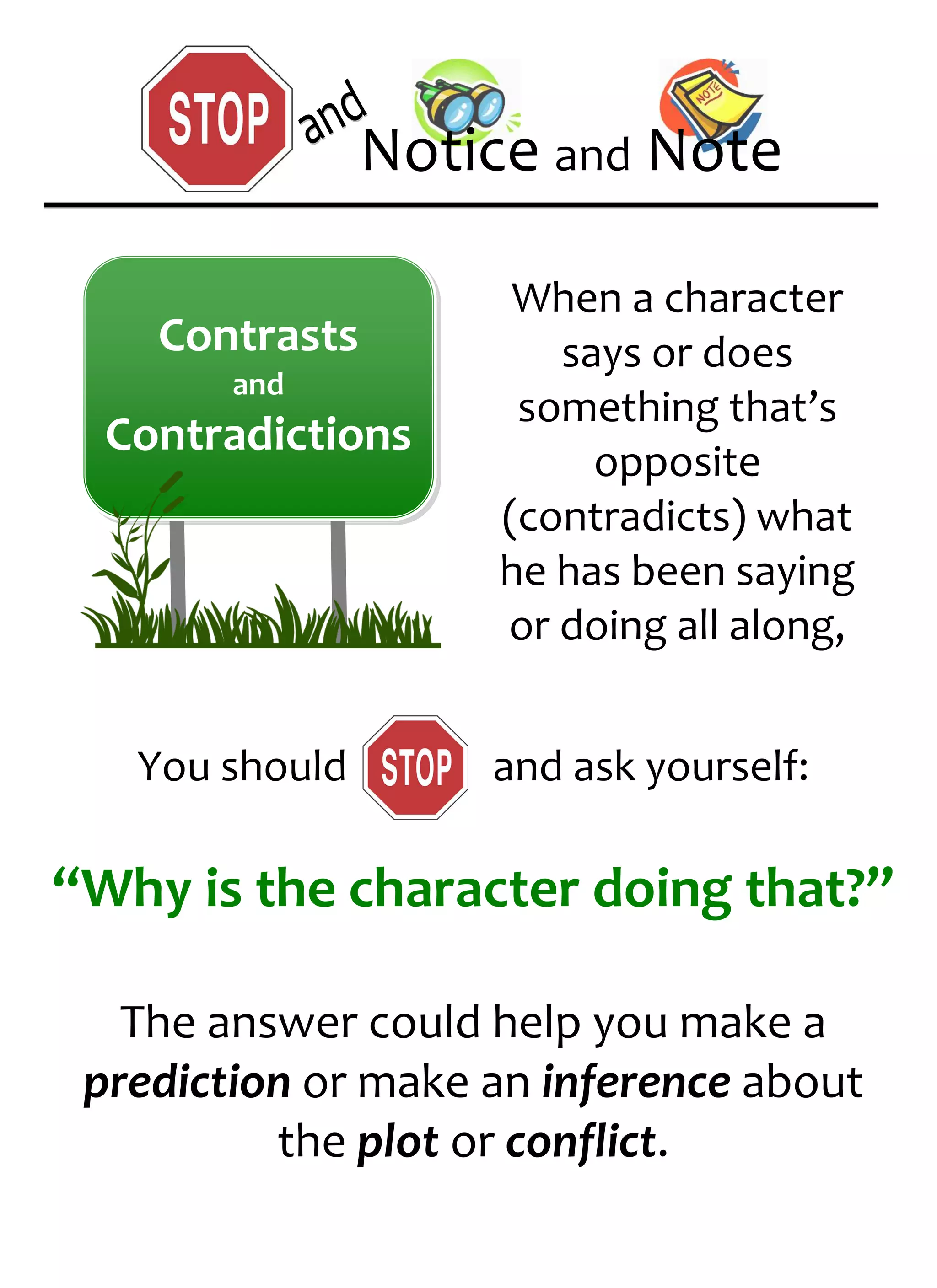
While contrast is about intentional differentiation, contradiction represents an unwelcome internal conflict or inconsistency. A contradiction occurs when two or more elements within a brand’s identity, messaging, or actions are logically incompatible or opposed, creating confusion and undermining credibility.
Defining Brand Contradiction
A brand contradiction emerges when a brand says one thing but does another, or when different facets of the brand communicate conflicting messages. It’s the equivalent of a person claiming to value honesty while regularly engaging in deceit. For a brand, this might look like an environmentally conscious brand using unsustainable manufacturing practices, a luxury brand featuring cheap, low-quality materials, or a “community-focused” company treating its employees poorly. These inconsistencies create cognitive dissonance for the audience, leading to skepticism and distrust.
Common Sources of Contradiction in Branding
Contradictions often arise from a lack of internal alignment, strategic oversight, or simply failing to live up to stated ideals.
Messaging Versus Action
This is perhaps the most damaging form of contradiction. A brand’s advertising might promise exceptional customer service, but its support channels are unresponsive and unhelpful. A brand might champion diversity and inclusion in its campaigns, but its internal hiring practices or leadership team lack representation. When actions don’t match words, the brand’s integrity is compromised, and its promises become hollow.
Internal Versus External Perception
A brand might cultivate a progressive, innovative image externally, while internally, its culture is rigid and resistant to change. Employees, who are often brand ambassadors, might experience a stark difference between the brand’s public persona and its operational reality. This internal/external mismatch can lead to employee dissatisfaction and, eventually, a fragmented brand image as internal discontent leaks outwards.
Inconsistent Visuals and Tone of Voice
While less severe than behavioral contradictions, inconsistencies in visual identity or tone of voice can still signal a lack of cohesion. Using a playful, informal tone on social media while maintaining a corporate, serious tone on the website, or employing disparate visual styles across different marketing channels without a unifying rationale, can confuse the audience about the brand’s true personality and values.
The Detrimental Impact of Contradiction
The consequences of brand contradiction are severe and far-reaching.
Eroding Trust
Trust is the bedrock of any strong brand-consumer relationship. When a brand contradicts itself, it signals insincerity and unreliability. Consumers feel misled, and once trust is lost, it is incredibly difficult to regain.
Diluting Identity
A contradictory brand struggles to define who it is. If its messages or actions are at odds, its core identity becomes muddled. This makes it challenging for the audience to form a clear, consistent impression of the brand, hindering memorability and loyalty.
Confused Audience and Lost Market Share
A confused audience is an unengaged audience. If consumers don’t understand what a brand stands for, or if they perceive it as inconsistent, they are less likely to choose its products or services. This directly impacts sales, market share, and long-term brand equity.
Leveraging Contrast for Unmistakable Brand Strength
To build a truly impactful brand, strategic contrast must be embraced and effectively communicated. This involves a deep understanding of your brand’s unique attributes and how to present them compellingly against the competitive landscape.
Crafting a Unique Selling Proposition (USP)
Your USP is the distillation of what makes your brand different and better. It is the clearest expression of contrast. Developing a strong USP requires thorough market research to identify gaps, understanding your core competencies, and clearly articulating the specific benefit only your brand can deliver. For example, a brand might contrast its personalized customer service with the industry’s automated approaches, or its hyper-specific niche product with generalist offerings.
Visual Contrast for Memorability and Recognition
Beyond merely making elements stand out, visual contrast can be a powerful tool for building a memorable brand identity. Think of iconic brands that use distinct color palettes (e.g., Coca-Cola red, Tiffany blue) or unique typographical choices that instantly set them apart. These visual contrasts become shorthand for the brand, fostering instant recognition and recall, even in crowded markets.
Communicating Value Through Distinction
Effective branding isn’t just about what you offer, but how you frame it. By contrasting your brand’s value proposition with common pain points or deficiencies in the market, you elevate your offering. Highlight how your solution directly addresses problems that competitors either ignore or exacerbate. This clear distinction helps consumers justify their choice and perceive a higher value in your brand.
Eliminating Contradiction for Unwavering Brand Integrity
While contrast builds distinction, the eradication of contradiction builds credibility and ensures long-term brand health. This requires vigilance, consistency, and a deep commitment to authenticity.
Ensuring Brand Alignment Across All Touchpoints
Every single interaction a consumer has with your brand—from a social media post to a customer service call, from a product’s packaging to its post-purchase support—must be consistent with the brand’s stated values and identity. This holistic alignment requires robust brand guidelines, internal training, and a clear understanding across all departments of what the brand stands for and how it behaves.
Auditing for Consistency
Regular brand audits are critical to identify and rectify potential contradictions. This involves reviewing all brand assets, communications, and customer experiences. Are there discrepancies between different marketing campaigns? Does the employee experience reflect the brand’s external promise? Is the product quality consistent with its positioning? Answering these questions honestly allows for proactive correction before contradictions erode trust.
Building an Authentic Brand Narrative
Authenticity is the antidote to contradiction. A brand truly committed to its values will find it easier to avoid contradictions because its actions will naturally stem from its core beliefs. Developing an authentic brand narrative involves clearly defining purpose, mission, and values, and then embedding these principles into every aspect of the business. When a brand’s narrative is genuine and consistently lived, its actions will reinforce its words, creating a powerful, trustworthy image.

The Synergistic Power of Distinction and Cohesion
Ultimately, the most successful brands master both contrast and the absence of contradiction. They differentiate themselves boldly and strategically through compelling contrast, ensuring they are seen, understood, and chosen. Simultaneously, they maintain unwavering internal and external consistency, meticulously avoiding contradictions that could undermine their integrity and erode consumer trust.
A brand that understands what makes it unique (contrast) and steadfastly adheres to its core identity across all facets (absence of contradiction) builds a powerful, resilient presence in the market. It stands out not just for being different, but for being dependably authentic—a true mark of enduring brand strength.
aViewFromTheCave is a participant in the Amazon Services LLC Associates Program, an affiliate advertising program designed to provide a means for sites to earn advertising fees by advertising and linking to Amazon.com. Amazon, the Amazon logo, AmazonSupply, and the AmazonSupply logo are trademarks of Amazon.com, Inc. or its affiliates. As an Amazon Associate we earn affiliate commissions from qualifying purchases.