
In the meticulous world of business finance, where precision, authenticity, and legal compliance are paramount, the concept of a “conformed copy” plays a crucial, though often unsung, role. Far from being a mere photocopy, a conformed copy serves a specific and vital function in financial transactions, regulatory filings, and corporate record-keeping, providing a reliable bridge between an original, executed document and its necessary proliferation for administrative and review purposes. Understanding its definition, application, and importance is essential for financial professionals navigating complex agreements and stringent oversight.
The Core Concept in Business and Finance
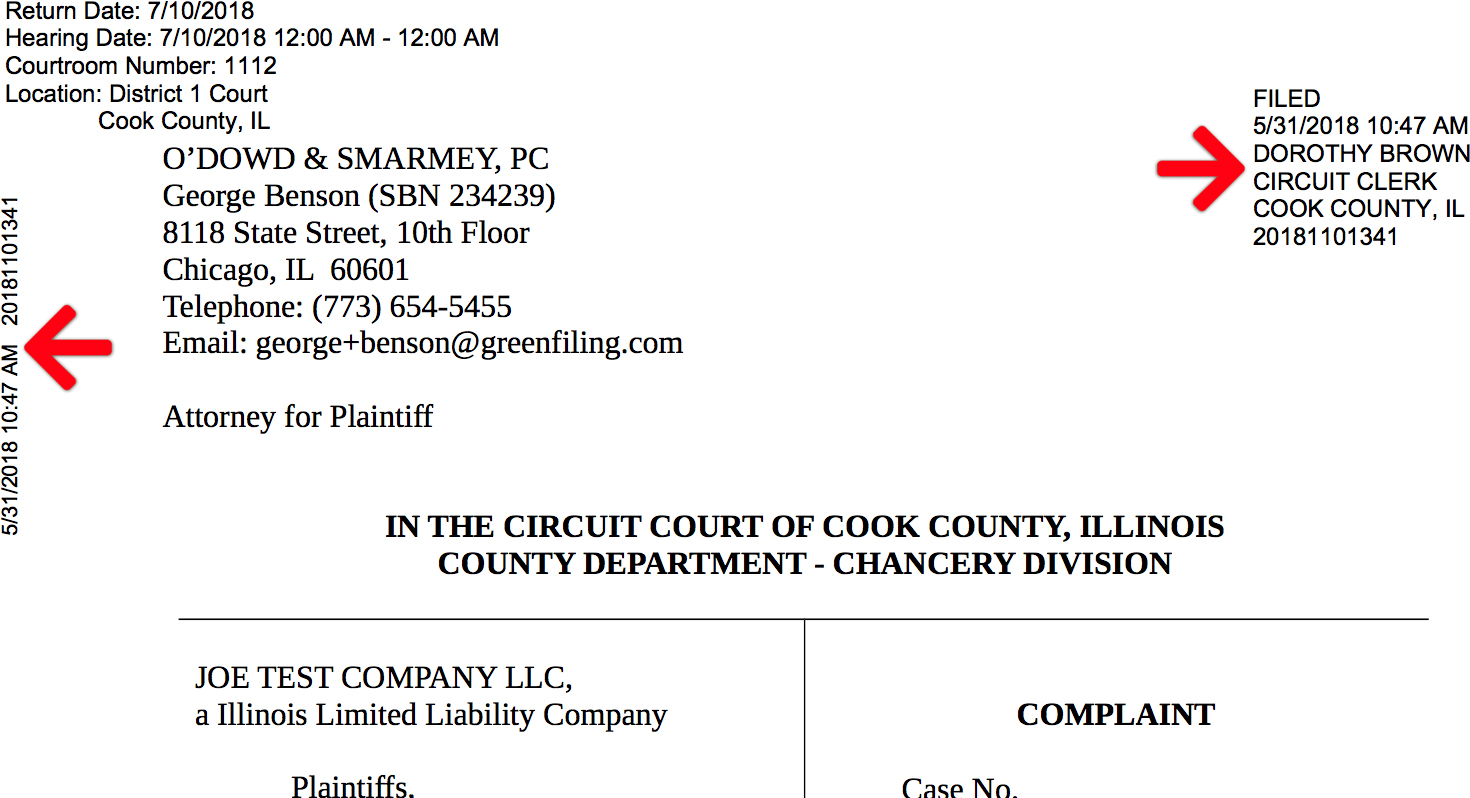
At its heart, a conformed copy is an exact replica of an original document that has been marked or noted to reflect the details of the original’s execution, specifically concerning signatures, seals, and dates. Crucially, while the original document bears the actual, physical (or secure digital) signatures of the parties involved, the conformed copy will instead indicate that the original was indeed signed. This indication typically takes the form of typed names where signatures appeared, or a notation such as “s/ [Signatory’s Name]” or “[Seal]” where seals were affixed. It confirms that the original document was properly executed, even though the copy itself does not contain the live signatures or physical seals.

Distinguishing from Original Documents
The distinction between a conformed copy and an original document is fundamental in financial contexts. An original document is the primary, legally binding instrument, carrying the actual, verifiable signatures, stamps, or seals that signify agreement and execution. It is the definitive proof of a transaction or agreement. Its uniqueness and integrity are often protected, with limited distribution.
A conformed copy, conversely, is a derivative. It is produced for administrative convenience, widespread distribution for review, or filing purposes when the original must be kept in a secure location or submitted to a central authority. While it doesn’t carry the direct legal weight of an original in terms of proving execution by its own physical marks, it acts as a reliable representation, stating that such execution occurred on the original. This allows financial teams, legal counsel, auditors, and other stakeholders to review the complete, final terms of an agreement without needing access to the irreplaceable original, thus streamlining workflows while maintaining a high degree of confidence in the document’s authenticity.
Why Conformed Copies Matter for Accuracy
The importance of conformed copies for accuracy in financial operations cannot be overstated. They ensure that all parties involved in a financial transaction or reporting process are working from identical, final versions of agreements, statements, or regulatory submissions. Any deviation, even minor, in a financial contract or legal instrument can have significant financial repercussions, leading to disputes, legal challenges, or regulatory penalties.
By consistently using conformed copies, organizations guarantee that:
- Terms are finalized: Everyone references the agreed-upon terms, reflecting any last-minute changes prior to execution.
- Execution is acknowledged: The “conformed” aspect explicitly states that the original was signed, dated, and sealed, eliminating ambiguity about whether the agreement truly came into force.
- Version control is maintained: It prevents confusion that could arise from circulating unsigned drafts or incomplete versions.
- Audit trails are robust: Conformed copies contribute to a clear audit trail, demonstrating which versions of documents were finalized and when, which is critical for compliance and financial scrutiny.
This level of precision is vital for investor confidence, regulatory compliance, and maintaining a solid financial standing.
Applications Across Financial Operations
The utility of conformed copies extends across numerous facets of business finance, impacting how organizations manage risk, ensure compliance, and execute transactions.
Legal & Regulatory Compliance
In the highly regulated landscape of finance, conformed copies are indispensable for demonstrating adherence to legal and regulatory requirements. Companies frequently prepare conformed copies of critical documents for submission to regulatory bodies such as the Securities and Exchange Commission (SEC), internal revenue services (IRS), or other industry-specific oversight authorities. For instance, when a public company files its annual reports (10-K), proxy statements, or registration statements, many of the underlying exhibits—such as material contracts, loan agreements, or compensation plans—are submitted as conformed copies. These documents assure regulators that the originals were properly executed, thereby satisfying disclosure obligations without requiring the original documents themselves to be physically submitted and potentially lost or damaged. For tax purposes, keeping conformed copies of executed agreements can be critical during an audit to substantiate deductions, revenue recognition, or asset valuations.
Mergers, Acquisitions, and Due Diligence
During mergers, acquisitions, and other complex corporate transactions, due diligence is a painstaking process involving the review of vast numbers of documents. Financial and legal teams scrutinize contracts, intellectual property agreements, real estate deeds, loan covenants, and more. Providing conformed copies of these documents during the due diligence phase allows the acquiring entity to thoroughly assess the target company’s assets, liabilities, and contractual obligations without requiring the target company to surrender its original, sensitive documents. This facilitates an efficient review process, enabling accurate financial modeling, risk assessment, and valuation before a deal is finalized. The precision offered by conformed copies ensures that the terms being evaluated are the final, executed terms, providing a true picture of the target’s financial and operational commitments.
Loan Agreements and Financial Transactions
Conformed copies are integral to various financial transactions, particularly those involving lending and credit. Banks and other financial institutions often require borrowers to submit conformed copies of corporate resolutions, security agreements, guarantees, and underlying collateral documents. While the original loan agreement itself would be signed in triplicate (or more, depending on parties), conformed copies of supporting documents ensure that all parties to a loan, as well as their internal legal and accounting departments, have a verified copy of all associated paperwork. This is crucial for managing credit risk, ensuring proper lien attachment, and facilitating syndicated loan arrangements where multiple lenders need access to the same definitive documentation. For instance, a conformed copy of a mortgage deed would confirm that the original was duly executed and recorded, securing the lender’s interest in the property.
Auditing and Record-Keeping
External and internal audits heavily rely on accurate and verifiable documentation. Conformed copies are essential for auditors to verify financial transactions, contractual obligations, and compliance with internal policies and external regulations. An auditor can compare a company’s financial records to conformed copies of sales contracts, purchase agreements, service level agreements, and other foundational documents to ensure that revenue is recognized correctly, expenses are properly accrued, and assets/liabilities are accurately represented on the financial statements. Furthermore, maintaining a comprehensive archive of conformed copies contributes to robust record-keeping practices, creating an undeniable audit trail that supports financial statements and disclosures for years, sometimes decades, after a transaction has concluded. This ensures transparency and accountability within the financial reporting ecosystem.
The Process of Creating a Conformed Copy
The creation of a conformed copy, while seemingly straightforward, requires careful attention to detail to ensure its integrity and reliability for financial and legal purposes.
Manual vs. Digital Conformation
Historically, creating a conformed copy was a manual process. After an original document was fully executed with wet signatures and physical seals, a photocopy would be made. Then, a legal assistant or paralegal would meticulously type in the names of the signatories where their physical signatures appeared, and add notations like “s/” or “[Seal]” where applicable. They would also ensure that the execution date was accurately reflected.
In the modern financial landscape, the process increasingly involves digital documents and electronic signatures. When documents are executed electronically using legally compliant e-signature platforms, a “conformed copy” can be generated directly by the system or created by converting the final, executed digital document into a non-editable format (like PDF). The digital version often includes an audit trail or certificate of completion that provides proof of execution, negating the need for manual transcription of signatures. In such cases, the digital conformed copy would simply be the final, executed PDF, perhaps with a clear header indicating it’s a conformed copy, with the digital signature block serving as the “conformation” that the original was signed.
Best Practices for Financial Professionals
For financial professionals and their support teams, adhering to best practices when dealing with conformed copies is critical:
- Accuracy is paramount: Ensure that every detail on the conformed copy (names, dates, terms, and the indication of execution) precisely matches the original. Even minor discrepancies can undermine its utility.
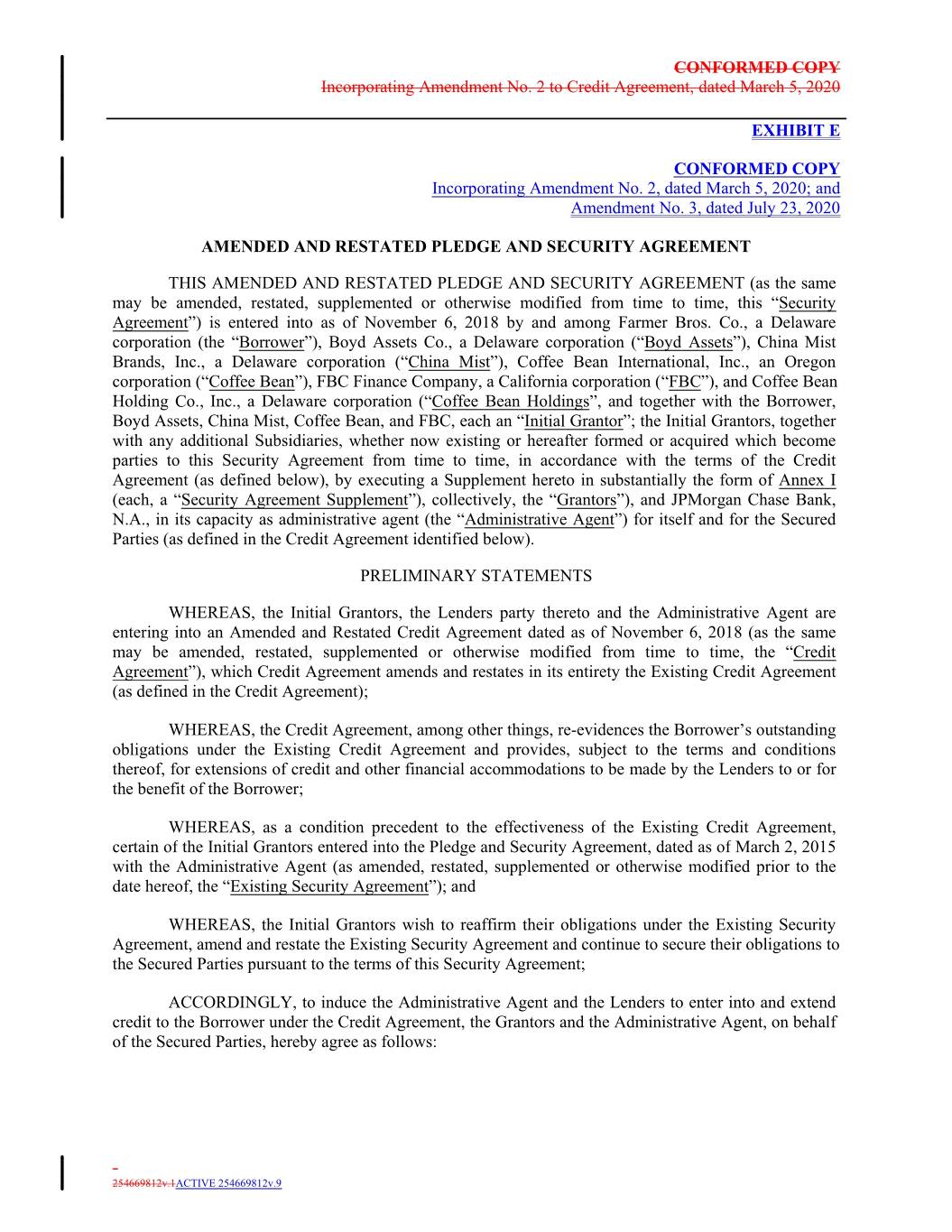
- Clear Identification: Always label a conformed copy clearly as such. This prevents confusion with unsigned drafts or actual originals.
- Security and Storage: Treat conformed copies with appropriate security, especially if they contain sensitive financial data. Store them in organized, accessible systems, whether physical or digital, that align with the organization’s record retention policies.
- Contextual Understanding: Understand why a conformed copy is being used and what purpose it serves. Is it for an auditor, a regulatory filing, or internal review? This understanding guides how it should be prepared and managed.
- Digital Integrity: When working with digital conformed copies, leverage secure document management systems that offer version control, audit trails, and encryption to maintain integrity and prevent unauthorized alteration. Ensure that electronic signatures are verifiable and compliant with relevant regulations (e.g., ESIGN Act in the U.S.).
Mitigating Risks and Ensuring Integrity
The diligent use and management of conformed copies are powerful tools in mitigating financial risks and upholding the integrity of business operations.
Trust and Verification in Financial Dealings
In complex financial dealings, trust is built upon transparency and verifiable documentation. Conformed copies foster this trust by providing all stakeholders—investors, lenders, partners, and regulators—with access to consistent, officially confirmed versions of executed agreements. This reduces the need for constant requests for original documents, speeding up processes while reassuring parties that they are reviewing final, binding terms. It ensures that the foundations of financial decisions are based on accurate representations of legal and contractual realities.
Preventing Fraud and Misrepresentation
One of the most significant roles of conformed copies in finance is in deterring and preventing fraud and misrepresentation. By clearly indicating that a document’s original was properly executed, conformed copies provide an important layer of verification. They make it much harder for individuals or entities to circulate fraudulent “final” documents that were never actually signed or to alter terms after execution without detection. For auditors and compliance officers, the ability to cross-reference financial transactions against clearly identified conformed copies of underlying agreements is a fundamental control against financial malfeasance. In an era where digital manipulation is a concern, the discipline around creating and managing conformed copies—especially those generated by secure digital execution platforms—serves as a critical safeguard for the financial health and reputation of an organization.
In conclusion, while the physical appearance of a conformed copy might seem unremarkable, its conceptual weight and practical applications within business finance are immense. It is a cornerstone of accurate record-keeping, regulatory compliance, efficient due diligence, and robust risk management, proving that sometimes, the confirmation of an original is just as vital as the original itself.
aViewFromTheCave is a participant in the Amazon Services LLC Associates Program, an affiliate advertising program designed to provide a means for sites to earn advertising fees by advertising and linking to Amazon.com. Amazon, the Amazon logo, AmazonSupply, and the AmazonSupply logo are trademarks of Amazon.com, Inc. or its affiliates. As an Amazon Associate we earn affiliate commissions from qualifying purchases.