
A composite roof represents a significant advancement in roofing technology, moving beyond traditional single-material systems to engineered solutions designed for superior performance and longevity. At its core, a composite roof is constructed from a blend of different materials, carefully selected and processed to leverage their individual strengths while mitigating their weaknesses. This scientific approach to material aggregation is what fundamentally defines and distinguishes composite roofing in the modern construction landscape, positioning it as a prime example of applied technology in building envelopes.
The Engineering Marvel: Deconstructing Composite Roofing
Unlike asphalt shingles, which are predominantly petroleum-based, or natural materials like wood and slate, composite roofs are a deliberate fusion of various components. The most common compositions include advanced polymers, recycled plastics, fiberglass, mineral fillers, and rubber, often reinforced with synthetic fibers. This multi-layered, multi-component design is not arbitrary; it’s the result of extensive materials science research aimed at creating a product with optimal physical and chemical properties.
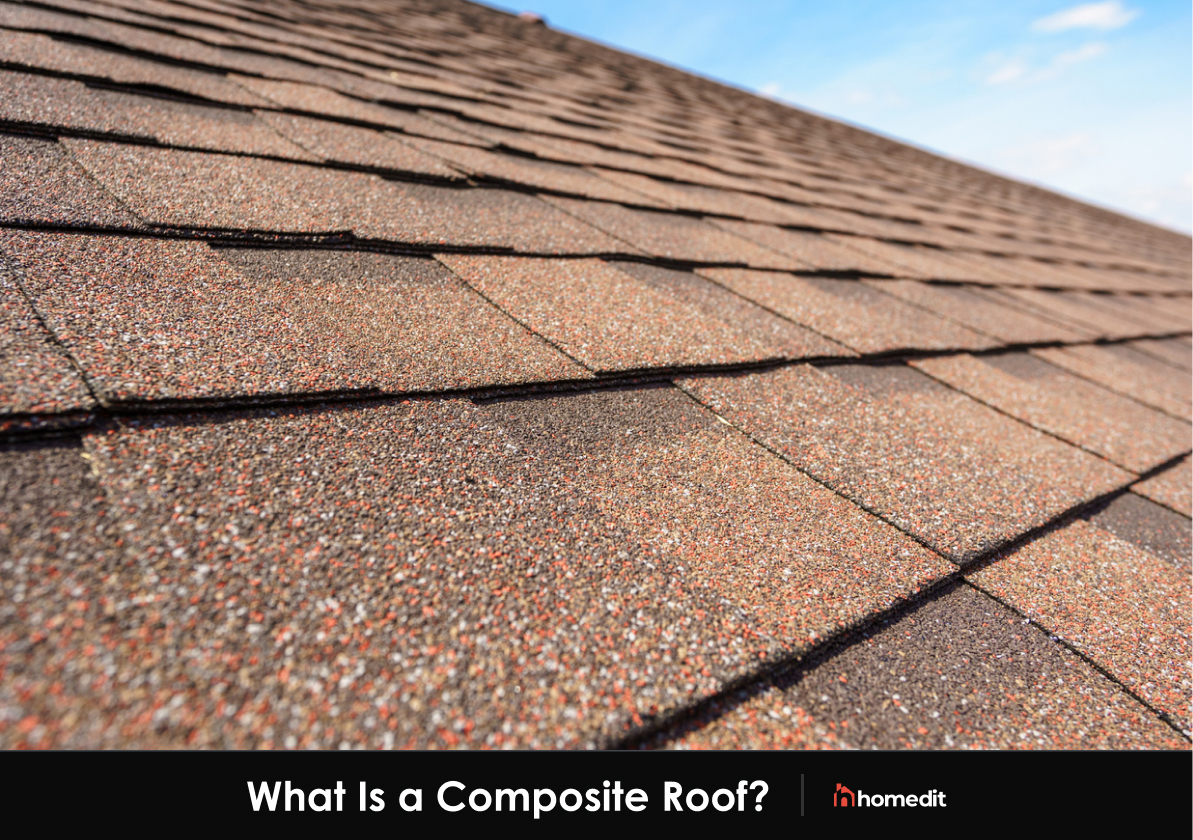
The term “composite” itself speaks to this engineered blend. It implies a material that gains new, enhanced properties through the synergistic combination of its constituent parts. For roofing, this translates into panels or shingles that are lighter, stronger, more durable, and often more environmentally sustainable than their conventional counterparts. The manufacturing process often involves sophisticated extrusion or compression molding techniques, ensuring uniform density, precise dimensions, and consistent quality across every unit. This controlled manufacturing environment is a hallmark of modern industrial technology, guaranteeing performance consistency that natural materials simply cannot match.
Advanced Material Science: The Core of Composite Durability
The technological edge of composite roofing lies deeply within its material composition and the scientific principles applied during its creation.
Polymer Science and Reinforcement
Many composite roofs utilize advanced polymer blends as their primary matrix. These polymers, often high-grade polypropylene, polyethylene, or PVC, are chosen for their resilience, chemical stability, and ability to form strong bonds with other materials. The introduction of fiberglass or other synthetic fibers acts as a reinforcement, much like rebar in concrete. These fibers distribute stress evenly throughout the material, preventing cracks and enhancing tensile strength, impact resistance, and dimensional stability. This engineered reinforcement significantly extends the material’s lifespan and its ability to withstand extreme weather events.
UV Resistance and Color Stability
One of the critical challenges for any exterior building material is degradation from ultraviolet (UV) radiation. Composite roofing addresses this with integrated UV stabilizers and advanced pigment technologies. These additives are blended directly into the polymer matrix during manufacturing, providing long-term protection against photo-degradation, fading, and brittleness. This technological advancement ensures that the roof maintains its aesthetic appeal and structural integrity over decades, a distinct advantage over materials that can rapidly degrade under intense sun exposure.
Recycled Content and Sustainability Technology
A notable aspect of composite roofing technology is its potential for incorporating recycled materials. Many manufacturers utilize post-industrial or post-consumer plastics and rubber, diverting waste from landfills and reducing the demand for virgin resources. This commitment to circular economy principles is a significant technological and environmental differentiator. Furthermore, the durability of composite roofs means fewer replacements over time, further reducing material consumption and waste generation throughout the building’s lifecycle. This sustainable aspect is a direct outcome of advanced material engineering that enables the robust performance of recycled content.
Technological Superiority: Performance & Longevity
The sophisticated engineering behind composite roofs translates into a suite of performance advantages that surpass many traditional roofing options.
Unrivaled Durability and Resistance
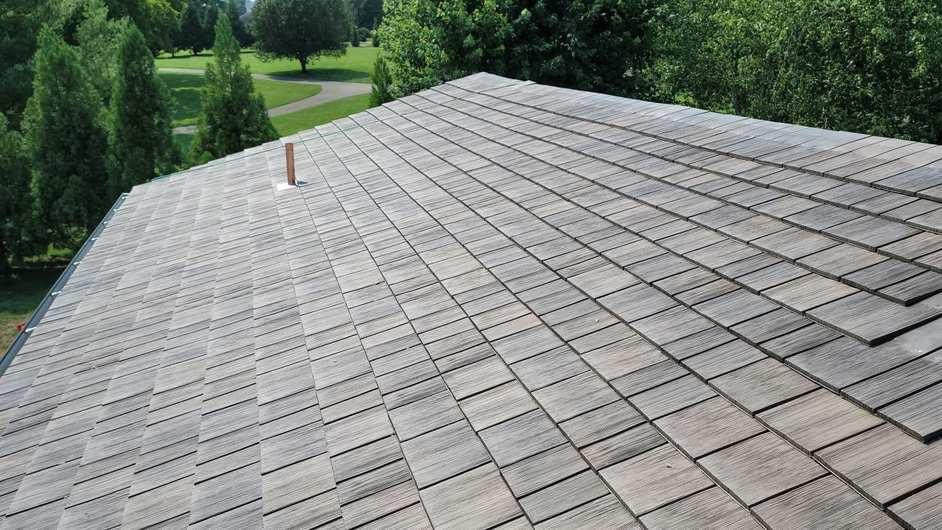
Composite roofs excel in resisting the elements. Their engineered composition provides superior resistance to impact from hail, high winds, and fire. Many composite products achieve Class 4 impact resistance ratings (the highest possible), signifying their ability to withstand severe hail without cracking. Their interlocking designs and robust fastening systems are often engineered to resist wind uplift exceeding 110 mph, crucial for hurricane and tornado-prone regions. The inherent fire-retardant properties of certain polymers and additives also allow many composite roofs to achieve Class A fire ratings, offering enhanced safety. These performance metrics are not accidental; they are the direct result of deliberate design and material selection informed by rigorous testing and simulation.
Thermal Performance and Energy Efficiency
The composition and structure of composite materials can also contribute to improved thermal performance. While not always primarily insulating, certain composite designs and lighter colors can reflect a significant portion of solar radiation, reducing heat absorption into the attic space. This “cool roof” technology, often enhanced with specialized reflective coatings or pigments, helps to lower indoor temperatures and reduce reliance on air conditioning, leading to measurable energy savings. The precise engineering of material density and surface characteristics plays a key role in achieving these thermal benefits, directly impacting a building’s energy footprint.
Low Maintenance and Extended Lifespan
The technological advancements in composite materials result in roofs that are virtually maintenance-free. Unlike wood, they won’t rot, warp, or attract pests. Unlike asphalt, they won’t dry out, crack, or shed granules prematurely. The inherent resistance to moss, algae, and mildew growth due to their non-porous surfaces further minimizes maintenance requirements. This robust durability translates into an extended lifespan, often exceeding 50 years, and sometimes even carrying limited lifetime warranties. This extended service life is a testament to the advanced materials science and manufacturing processes involved.
Smart Installation & Digital Integration
The installation of composite roofs also benefits from modern technological approaches, moving beyond traditional manual methods towards precision and potential digital integration.
Precision Manufacturing and Modular Design
Composite shingles or tiles are manufactured with exacting tolerances, ensuring a consistent fit and easier, more predictable installation. Many systems employ interlocking mechanisms or precise guides that simplify alignment and create a strong, continuous weather barrier. This modular, precision-engineered approach reduces installation errors and significantly improves overall roof integrity. This represents a shift towards industrialized construction where components are fabricated off-site with high accuracy, then assembled efficiently on-site.
Integration with Digital Tools and Smart Home Systems
While the composite roof itself is a physical product, its longevity and stability make it an ideal platform for integrating modern digital technologies. Advanced drones equipped with high-resolution cameras and thermal imaging can quickly and accurately assess roof conditions for maintenance planning. Building Information Modeling (BIM) software can precisely calculate material needs, simulate wind loads, and optimize layout designs for composite roofs. Furthermore, the robust nature of composite roofs makes them suitable for seamless integration with solar panel systems, providing a durable base for renewable energy generation. In the future, we may see composite roofs incorporating embedded sensors for real-time monitoring of temperature, moisture, or even structural integrity, transmitting data to smart home systems for proactive maintenance alerts or energy optimization.
The Future of Roofing: Innovation in Composites
The trajectory of composite roofing technology points towards continuous innovation, driven by advancements in material science, manufacturing, and sustainability.
Self-Healing Materials and Enhanced Functionality
Researchers are exploring self-healing polymers that could automatically repair minor cracks and punctures, further extending the lifespan and reducing maintenance needs. Future composites may also integrate advanced functionalities, such as thermoelectric materials for passive energy generation or photocatalytic coatings that actively purify the air. These cutting-edge material science developments promise roofs that are not just protective but actively contribute to the building’s performance and environmental impact.
Advanced Recycling and Cradle-to-Cradle Design
The focus on sustainability will intensify, with greater emphasis on “cradle-to-cradle” design principles. This means designing composite roofs from the outset to be fully recyclable at the end of their exceptionally long service life, creating a truly closed-loop material cycle. Innovations in chemical recycling and material separation technologies will play a crucial role in achieving this vision, transforming roofing waste into valuable new resources.

AI-Driven Design and Manufacturing
Artificial intelligence and machine learning are poised to revolutionize the design and manufacturing of composite roofs. AI algorithms can optimize material compositions for specific climatic conditions, predict long-term performance under various stresses, and refine manufacturing processes for greater efficiency and reduced waste. This data-driven approach will lead to increasingly customized, high-performance, and cost-effective composite roofing solutions, truly embodying the spirit of technological advancement in construction.
In essence, a composite roof is far more than just a cover for a building; it is a sophisticated, technologically engineered system that embodies the latest advancements in material science, manufacturing processes, and sustainable building practices. Its enduring appeal lies in its unparalleled blend of durability, performance, and aesthetic versatility, marking it as a benchmark in modern roofing technology.
aViewFromTheCave is a participant in the Amazon Services LLC Associates Program, an affiliate advertising program designed to provide a means for sites to earn advertising fees by advertising and linking to Amazon.com. Amazon, the Amazon logo, AmazonSupply, and the AmazonSupply logo are trademarks of Amazon.com, Inc. or its affiliates. As an Amazon Associate we earn affiliate commissions from qualifying purchases.