
The coach light, a seemingly simple exterior fixture, holds a profound significance far beyond its basic function of illumination. It is a cornerstone of architectural design, a silent storyteller of a property’s character, and a vital component in crafting its visual brand identity. Rooted deeply in history, these distinctive lights have evolved from practical necessity to sophisticated design elements, playing a crucial role in shaping first impressions and defining the aesthetic narrative of a home or commercial establishment. Understanding what a coach light truly is involves delving into its historical lineage, its defining design attributes, and its strategic application in elevating a property’s unique appeal.

The Enduring Legacy of the Coach Light
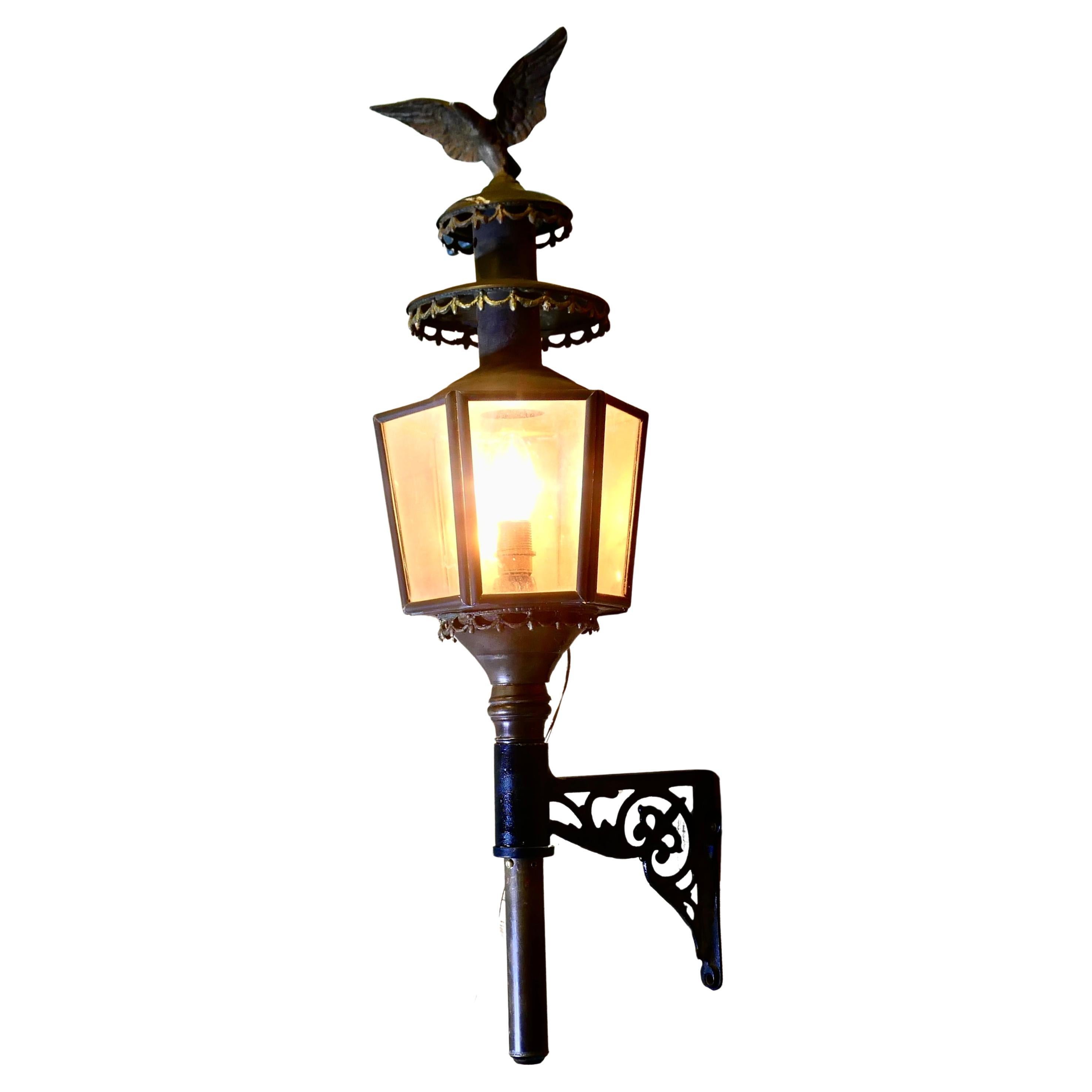
To appreciate the modern coach light, one must first journey back to its origins. The very name “coach light” harks back to an era when horse-drawn carriages traversed unlit streets and pathways. These early lanterns, typically mounted on the sides of coaches or near stable entrances, served a purely utilitarian purpose: to guide travelers and deter nocturnal threats. Their robust construction and enclosed design were essential for protecting the flame from wind and weather, ensuring a steady, if modest, source of light. This foundational role in navigation and safety laid the groundwork for their subsequent integration into residential and commercial architecture.
From Carriage to Curb Appeal
As urban landscapes developed and static structures became more prominent, the coach light transitioned from a mobile accessory to a fixed architectural feature. Homes, inns, and public buildings began adopting these lanterns, recognizing their inherent ability to not only illuminate but also to signify presence and welcome. The classic design elements – a structured frame, often with glass panels, enclosing a light source – became synonymous with warmth, security, and a certain traditional elegance. This evolution marked the beginning of the coach light’s role in establishing the exterior “brand” of a property, signaling its style and inviting demeanor to all who approached.
Architectural Integration
The widespread adoption of coach lights led to their seamless integration into various architectural styles. From the Colonial homes of early America to the Victorian mansions of the 19th century and the Craftsman bungalows of the early 20th, coach lights were adapted to complement diverse aesthetics. Their presence became an expected, even essential, element for creating a cohesive and historically accurate façade. This long-standing tradition underscores their power as a design motif, capable of anchoring a property’s visual identity and linking it to a rich historical tapestry, thereby imbuing it with a sense of timelessness and established character.
Defining Characteristics and Design Elements
What distinguishes a coach light from other exterior lighting fixtures is a combination of traditional form and specific design sensibilities. While modern interpretations offer significant variation, the core elements remain largely consistent, contributing to its instantly recognizable appeal. These characteristics are central to how a coach light communicates a particular brand message or aesthetic.
Classic Styles and Modern Interpretations
At its heart, a classic coach light features a box-like or lantern-style enclosure, often with a peaked or decorative roof, housing the light source. Glass panels, typically clear or seeded, protect the bulb and diffuse the light. Historically, these were often gas or oil lanterns, but today they predominantly house electric bulbs, including LED technology.
While the traditional aesthetic leans towards ornate details, dark finishes (such as bronze, black, or copper), and sometimes beveled glass, contemporary coach lights offer streamlined profiles, minimalist frames, and innovative materials. These modern iterations retain the essential “lantern” quality but adapt it to suit contemporary architectural trends, demonstrating the fixture’s versatility in serving various brand identities, from rustic charm to sleek modernity.
Materials and Craftsmanship
The choice of materials is paramount to both the durability and the aesthetic impact of a coach light. Common materials include aluminum, brass, copper, steel, and sometimes composite materials, often finished with weather-resistant coatings. The quality of craftsmanship, from the precision of the metalwork to the integrity of the glass panels, directly influences the fixture’s lifespan and its ability to maintain its visual appeal over time. A well-crafted coach light speaks volumes about the attention to detail and enduring quality associated with the property it adorns, subtly enhancing its perceived value and brand prestige. The texture, weight, and finish of the materials contribute significantly to the overall tactile and visual experience, reinforcing the property’s design narrative.
Functional Aesthetics: Light and Shadow
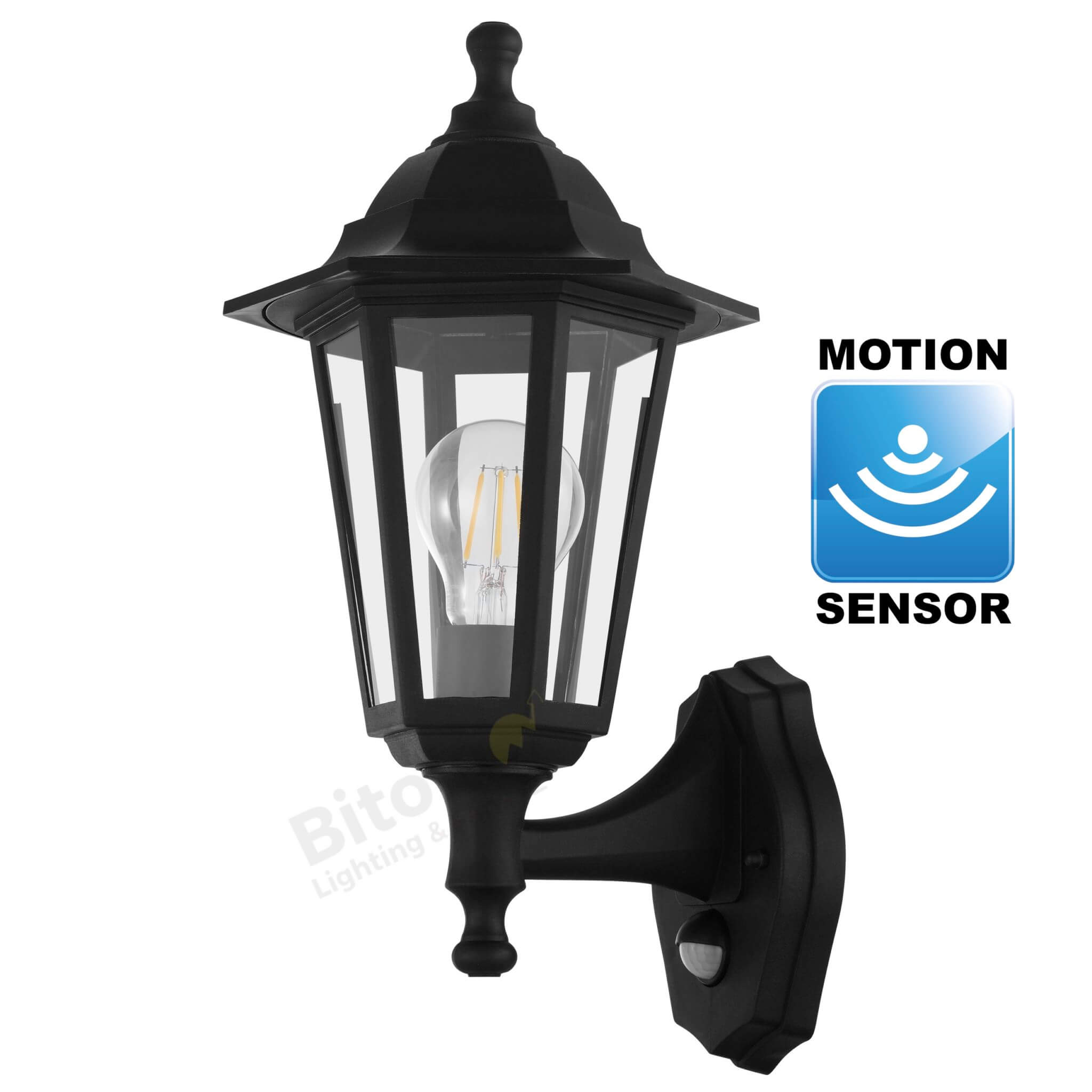
Beyond its decorative form, the coach light’s primary function is to cast light. However, its design considers not just illumination but also the interplay of light and shadow it creates. The enclosed nature of the fixture often results in a warm, inviting glow rather than harsh, direct light. This quality is crucial for creating ambiance and highlighting architectural features without overwhelming them. The way light spills from a coach light can define pathways, accent doorways, and add depth to a façade, contributing to the property’s overall evening persona. This thoughtful use of light and shadow is an integral part of its functional aesthetics, allowing it to shape the mood and visual appeal of the exterior space.
The Role of Coach Lights in Property Branding and Identity
The strategic deployment of coach lights is a powerful, yet often underestimated, tool in property branding. They are not merely light sources; they are design statements that articulate a property’s personality, communicate its style, and contribute significantly to its overall identity. For residential properties, this translates to curb appeal; for commercial spaces, it contributes to brand recognition and atmosphere.
Enhancing Curb Appeal and First Impressions
Curb appeal is the visual attractiveness of a house or property as seen from the street, and it plays a critical role in its perceived value and desirability. Coach lights are front-line ambassadors in this regard. Properly chosen and placed, they can dramatically elevate a property’s exterior, adding layers of sophistication, warmth, and historical gravitas. They act as visual anchors, drawing the eye to entryways and defining the perimeter of a welcoming space. A consistent style of coach lights across a property ensures a cohesive look that reinforces a strong visual brand, signaling attention to detail and a commitment to aesthetic excellence. This first impression is invaluable, whether for potential buyers, clients, or simply welcoming guests.
Communicating Architectural Style
One of the most potent branding functions of a coach light is its ability to reinforce and communicate a property’s architectural style. A Georgian-style home might benefit from traditional, multi-paned lanterns with a dark, rich finish, echoing its historical roots. A modern farmhouse might opt for simpler, more robust designs with matte black finishes. A contemporary minimalist structure could feature sleek, unadorned fixtures in brushed metals. The correct choice ensures that the lighting does not conflict with, but rather enhances, the inherent design language of the building, creating a harmonious and authentic visual identity. This thoughtful alignment of lighting with architecture is a subtle yet powerful branding strategy that speaks to design integrity.
Crafting an Inviting Ambiance
Beyond style, coach lights are instrumental in crafting a specific ambiance. The soft, often downward-directed illumination can transform a stark exterior into a warm, inviting tableau. They highlight textures, create depth, and soften harsh lines, contributing to a sense of comfort and security. For businesses, this translates into a welcoming storefront or entryway that beckons customers. For homes, it creates an atmosphere that says “welcome home.” This emotional connection fostered by the ambiance is a crucial aspect of a property’s brand, making it memorable and appealing on a deeper, more visceral level. The ability of coach lights to evoke feelings of safety, warmth, and welcome is a testament to their psychological impact on visitors and occupants alike.
Strategic Selection: Choosing the Right Coach Light for Your Brand
Selecting the appropriate coach light is not a trivial decision; it is a strategic branding exercise. The choices made regarding style, scale, finish, and placement directly impact the story your property tells and the impression it leaves. A well-executed lighting scheme reinforces the desired brand identity, while a mismatched one can detract from it.
Matching Style to Story
Every property has a story, whether it’s one of historical grandeur, modern innovation, rustic charm, or coastal elegance. The coach light should be a consistent voice in this narrative. Before selecting fixtures, consider the overarching architectural style and the desired emotional response. Is the aim to convey tradition, avant-garde sophistication, understated luxury, or approachable comfort? Research styles that authentically align with your property’s inherent character. For instance, a property aiming for a “heritage” brand would select coach lights that faithfully reproduce or evoke historical designs, while a “contemporary chic” brand would lean towards minimalist, geometric forms. This deliberate stylistic alignment is key to a cohesive and impactful brand statement.
Scale and Proportion
One of the most common pitfalls in exterior lighting design is incorrect scale. A coach light that is too small for a grand doorway will appear insignificant and diminish the entrance’s impact. Conversely, an oversized fixture can overwhelm the architectural details. Proportion is crucial for visual balance and harmony. Generally, coach lights flanking a door should be approximately one-quarter to one-third the height of the door, including any trim. For single fixtures above an entrance, the size should be proportional to the width of the doorway. Paying meticulous attention to scale ensures that the coach lights complement, rather than compete with, the property’s architectural features, contributing to an overall sense of refined design and intentional branding.
The Power of Placement
The placement of coach lights is as critical as their design. Typically, they are positioned on either side of an entryway, at strategic intervals along a wall, or near garage doors. Each placement serves a dual purpose: illumination and aesthetic enhancement. Correct height placement is vital for both functionality and visual appeal, usually at eye level or slightly above, to avoid glare and maximize light spread. Thoughtful placement can highlight architectural nuances, define boundaries, and create visual pathways that guide the eye. This strategic deployment of light and form ultimately contributes to a well-articulated exterior brand, making the property more navigable, more secure, and infinitely more appealing.
aViewFromTheCave is a participant in the Amazon Services LLC Associates Program, an affiliate advertising program designed to provide a means for sites to earn advertising fees by advertising and linking to Amazon.com. Amazon, the Amazon logo, AmazonSupply, and the AmazonSupply logo are trademarks of Amazon.com, Inc. or its affiliates. As an Amazon Associate we earn affiliate commissions from qualifying purchases.