
Understanding the concept of a “closed basement” is crucial for homeowners and real estate investors looking to maximize property value, minimize long-term costs, and enhance a home’s overall financial health. While the term might evoke images of a sealed-off, inaccessible space, in the context of residential property and finance, it typically refers to a basement that is deliberately sealed, insulated, and often finished to create a conditioned, dry, and usable living area. This distinction carries significant financial implications, impacting everything from energy bills and maintenance costs to resale value and potential income generation.
Defining the “Closed” Basement in Financial Terms
At its core, a “closed basement” refers to a foundation system and the resulting interior space that is actively managed to control environmental factors like temperature, humidity, and air quality. Unlike a traditional, open crawl space or an unfinished, damp basement, a closed basement is integrated into the home’s thermal envelope and moisture control strategy. This proactive approach transforms a potentially problematic area into a valuable asset.
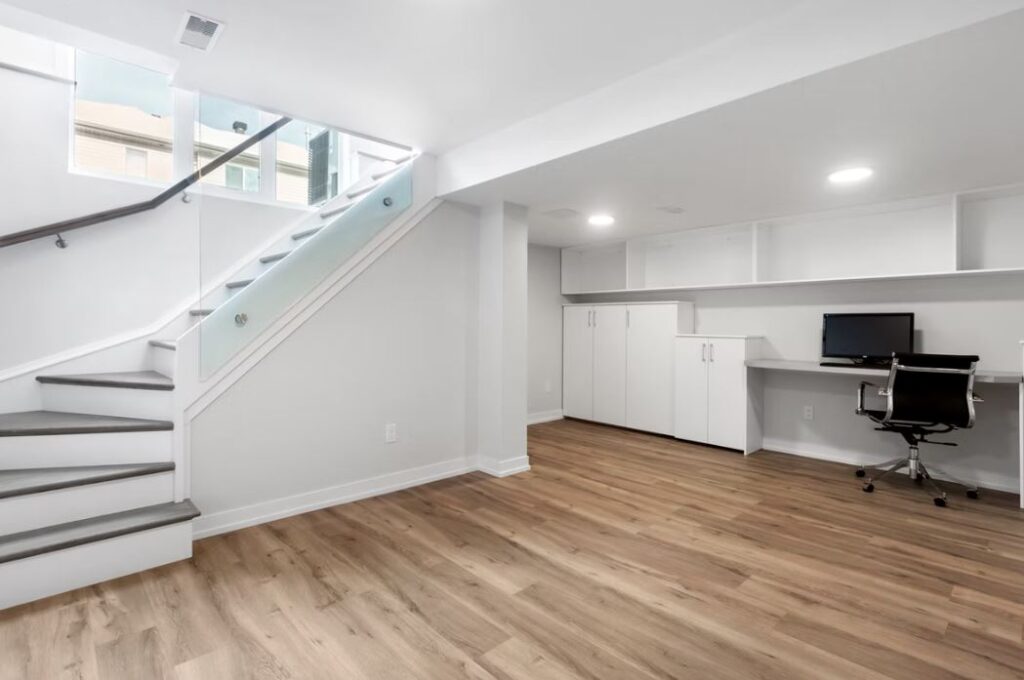
Beyond Unfinished: The Sealed and Insulated Foundation
The fundamental principle of a closed basement involves sealing and insulating the foundation walls and sometimes the floor. This is achieved through various techniques:
- Moisture Control: Implementing effective waterproofing solutions, both on the exterior (e.g., foundation coatings, drainage systems) and interior (e.g., vapor barriers, sump pumps, dehumidifiers). This prevents water infiltration, a major source of damage and costly repairs.
- Air Sealing: Eliminating drafts and uncontrolled air leakage through cracks, gaps, and penetrations in the foundation walls and floor slab. This is critical for energy efficiency and preventing the entry of outdoor pollutants or pests.
- Insulation: Adding thermal insulation to the basement walls and sometimes the floor. This helps maintain a stable temperature within the basement, preventing heat loss in winter and heat gain in summer, thus reducing the workload on the HVAC system.
Financially, these measures represent an upfront investment that pays dividends over time. They protect the structural integrity of the home, reduce utility expenses, and prevent costly mold remediation or foundation repairs down the line. A truly “closed” basement is not just dry; it’s a part of the home’s conditioned living space, even if it’s not yet finished with drywall and flooring.
Finished vs. Unfinished: A Key Distinction for Value
While the foundation of a closed basement lies in its sealing and insulation, the term often extends to or implies a finished basement. A finished basement takes the sealed and insulated shell and adds interior finishes such as drywall, flooring, lighting, and sometimes plumbing for bathrooms or kitchenettes. This transforms the space into additional habitable square footage, which is a major driver of property value.
From a financial perspective:
- Unfinished Closed Basement: Provides significant benefits in energy efficiency, moisture control, and structural integrity. It protects the home’s existing value and reduces future liabilities. While not directly adding “finished square footage” for appraisal purposes, it creates a much more desirable and easily convertible space.
- Finished Closed Basement: Directly increases the home’s appraised value by adding usable living space. This space can function as extra bedrooms, a family room, a home office, a gym, or even an accessory dwelling unit (ADU) depending on local zoning and regulations. The return on investment (ROI) for finishing a basement can be substantial, often ranging from 70% to 100% or more of the cost, especially in markets where additional space is highly valued.
The decision to simply “close” or to fully “finish” a basement involves different budget considerations and ROI expectations, but both steps contribute positively to a home’s financial profile.
The Financial Benefits of a Closed Basement
Investing in a closed basement yields a multitude of financial advantages, making it a strategic decision for homeowners and investors alike. These benefits span across energy savings, property value appreciation, and risk mitigation.
Enhanced Property Value and ROI
One of the most compelling financial benefits of a closed basement, particularly a finished one, is its direct impact on property value. Appraisers typically consider finished basement square footage, even if valued slightly less per square foot than above-ground living space, as a significant addition. This increases the overall square footage listed for the home, making it more attractive to potential buyers and justifying a higher asking price.
Furthermore, a dry, well-maintained basement signals to buyers that the home has been meticulously cared for, reducing concerns about costly future repairs. For investors, this translates to a higher potential sale price and a stronger return on their initial investment in the basement project. The ROI for basement finishing projects is consistently strong, often outpacing other home improvements.
Energy Efficiency and Reduced Utility Costs
A sealed and insulated basement prevents significant heat loss in winter and heat gain in summer. Basements, even below grade, are major sources of energy transfer. Unsealed basements can account for 15-20% of a home’s total heat loss. By integrating the basement into the home’s thermal envelope, the HVAC system operates more efficiently, consuming less energy to maintain comfortable temperatures throughout the house. This directly translates to lower monthly utility bills, offering ongoing savings that accumulate significantly over the years. These savings improve the home’s operational economics, making it more affordable to own and increasing its attractiveness to energy-conscious buyers.
Mitigating Moisture-Related Expenses
Moisture is the bane of any basement. Uncontrolled humidity and water infiltration can lead to a host of expensive problems, including:
- Mold and Mildew Growth: Requiring costly professional remediation, posing health risks, and damaging personal property.
- Structural Damage: Water can compromise foundation integrity, rot wood framing, and corrode metal components, leading to very expensive structural repairs.
- Pest Infestations: Damp environments attract pests like termites, rodents, and insects, leading to further damage and extermination costs.
- Damage to Stored Items: Valuable personal belongings, furniture, and appliances stored in a damp basement are at risk of damage.
A closed basement actively prevents these issues by controlling moisture. The initial investment in waterproofing and sealing acts as an insurance policy against these potentially devastating and financially draining problems, protecting the homeowner’s equity and peace of mind.
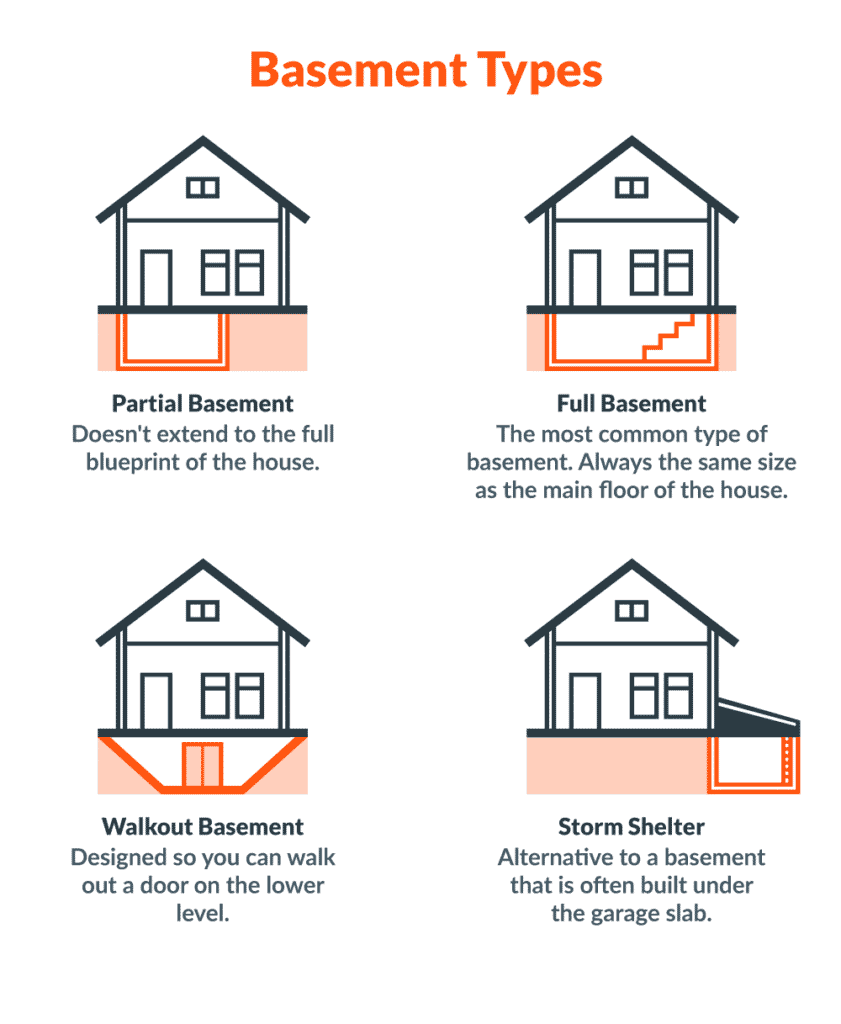
Potential for Rental Income or Home Business Space
A finished, closed basement opens up opportunities for generating income. Depending on local zoning laws and the design, it can be converted into:
- An Accessory Dwelling Unit (ADU): A separate living space with its own entrance, kitchen, and bathroom, which can be rented out for long-term income, providing a consistent revenue stream that can offset mortgage payments or other expenses.
- Short-Term Rental (e.g., Airbnb): In tourist-heavy areas, a well-appointed basement suite can serve as a profitable short-term rental.
- Home Office or Business Space: For entrepreneurs and remote workers, a dedicated and professional-looking basement space can eliminate the need for renting external office space, leading to significant savings. It can also be designed to host clients or operate a small business, adding to its economic utility.
These income-generating possibilities greatly enhance the financial flexibility and overall value proposition of a property with a closed basement.
Costs Associated with Achieving a Closed Basement
While the financial benefits are clear, achieving a truly closed basement involves an investment. Understanding these costs is essential for proper financial planning and budgeting.
Initial Investment: Waterproofing, Insulation, and Finishing
The initial costs can vary widely depending on the current state of the basement, the chosen materials, labor rates, and the extent of the project (i.e., merely sealing and insulating vs. a full finish).
- Waterproofing: Can range from a few thousand dollars for interior sealants and drainage systems to tens of thousands for exterior excavation, membrane installation, and extensive French drains. This is often the most critical and foundational investment.
- Air Sealing and Insulation: Materials like rigid foam boards, spray foam, or batt insulation, combined with caulking and sealants, can add several thousand dollars. The type of insulation and R-value desired will influence this cost.
- Finishing: This category encompasses framing, electrical wiring, plumbing extensions, HVAC ductwork, drywall installation, flooring, painting, and fixture installation. These costs are comparable to adding any new living space within a home and can easily range from $20,000 to $75,000 or more for a moderately sized basement, depending on the finishes and amenities (e.g., adding a bathroom or kitchen will significantly increase costs).
It’s crucial to obtain multiple bids from reputable contractors and to factor in potential contingency funds (10-20% of the project cost) for unforeseen issues.
Maintenance Considerations
While a closed basement reduces the likelihood of major moisture-related issues, it doesn’t eliminate all maintenance.
- Sump Pump Maintenance: If a sump pump is installed, it requires periodic checks and potential replacement every 5-10 years.
- Dehumidifier Operation: In humid climates, even a well-sealed basement might benefit from a dehumidifier, adding to electricity costs and requiring filter cleaning.
- Drainage System Checks: Exterior drainage systems (gutters, downspouts, French drains) need to be kept clear of debris to function effectively.
These are typically minor costs compared to the savings and benefits, but they should be factored into long-term financial planning for the home.
Strategic Considerations for Homeowners and Investors
Approaching a closed basement project requires strategic thinking, balancing initial outlay with long-term financial gains.
Assessing Your Home’s Potential
Before embarking on any project, a thorough assessment is vital.
- Current Condition: Evaluate existing moisture problems, foundation integrity, and the presence of any hazardous materials (e.g., asbestos, lead paint). These issues must be addressed first and will impact the budget.
- Zoning and Building Codes: Understand local regulations regarding basement finishing, egress requirements for bedrooms, and the legality of ADUs. Non-compliance can lead to fines and difficulties during resale.
- Market Demand: Research whether finished basements or additional living spaces are highly valued in your specific real estate market. In some areas, the ROI might be higher than others.
A professional inspection by a structural engineer or a basement waterproofing specialist can provide invaluable insights and help plan the project effectively, minimizing surprises and ensuring a sound investment.
Financing Options and Budgeting
Several financing options exist for basement projects:
- Home Equity Line of Credit (HELOC) or Home Equity Loan: Leveraging your existing home equity often provides favorable interest rates.
- Cash-Out Refinance: Refinancing your mortgage for a larger amount and taking the difference in cash.
- Personal Loan: Generally higher interest rates but can be quicker for smaller projects.
- Savings: Using cash on hand avoids interest payments but ties up liquid assets.
Creating a detailed budget is paramount. Break down costs by category (materials, labor, permits, contingencies) and track expenses meticulously. Prioritize critical structural and moisture control elements before aesthetic finishes.
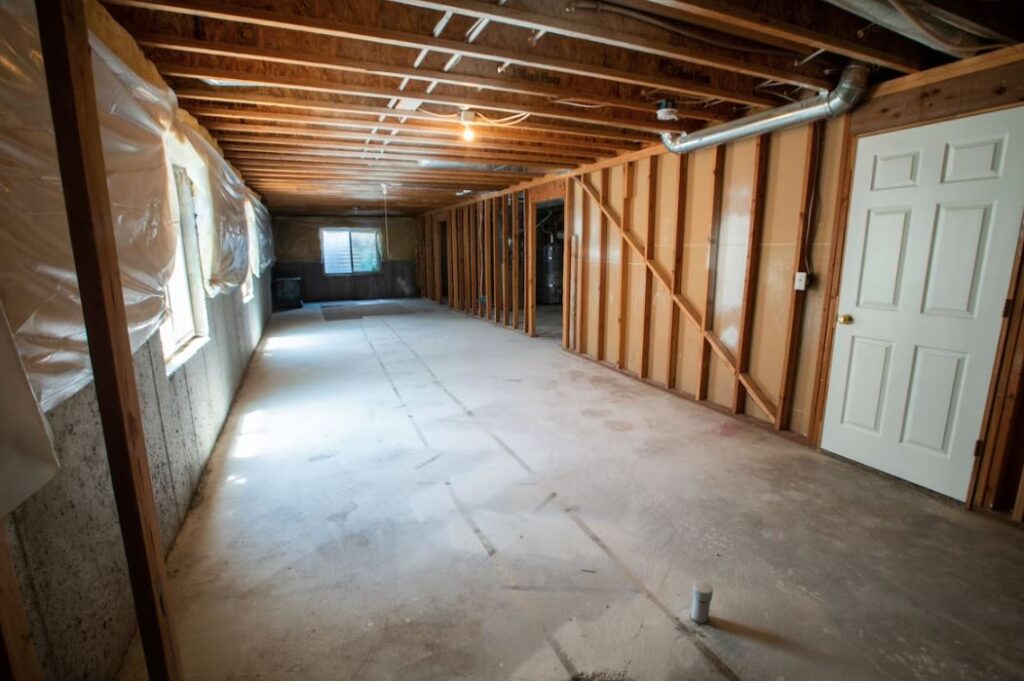
Maximizing Resale Value
When planning a closed basement, design choices should consider future resale.
- Neutral Finishes: Opt for timeless, neutral colors and materials that appeal to a broad range of buyers.
- Functional Layout: Design a versatile space that can serve multiple purposes (e.g., a large family room that can be easily sectioned off for a future bedroom).
- Adequate Lighting and Egress: Ensure plenty of natural and artificial light, and meet all egress window requirements for safety and appeal.
- Professional Workmanship: High-quality installation and finishes not only last longer but also command a higher perceived value from buyers.
A well-executed closed basement is more than just extra space; it’s a significant financial asset that enhances a home’s functionality, efficiency, and market desirability for years to come.
aViewFromTheCave is a participant in the Amazon Services LLC Associates Program, an affiliate advertising program designed to provide a means for sites to earn advertising fees by advertising and linking to Amazon.com. Amazon, the Amazon logo, AmazonSupply, and the AmazonSupply logo are trademarks of Amazon.com, Inc. or its affiliates. As an Amazon Associate we earn affiliate commissions from qualifying purchases.