
In the vast ecosystem of electronic devices and systems, power supplies are the unsung heroes, converting raw utility power into a usable form. Among the various classifications, the Class 2 power supply stands out due to its specific safety characteristics and widespread application, particularly in low-voltage technology. Far from being a mere technical specification, understanding what constitutes a Class 2 power supply is crucial for designers, installers, and end-users alike, impacting everything from product safety to installation practices.
Defining Class 2 Power Supplies: The Core Concept
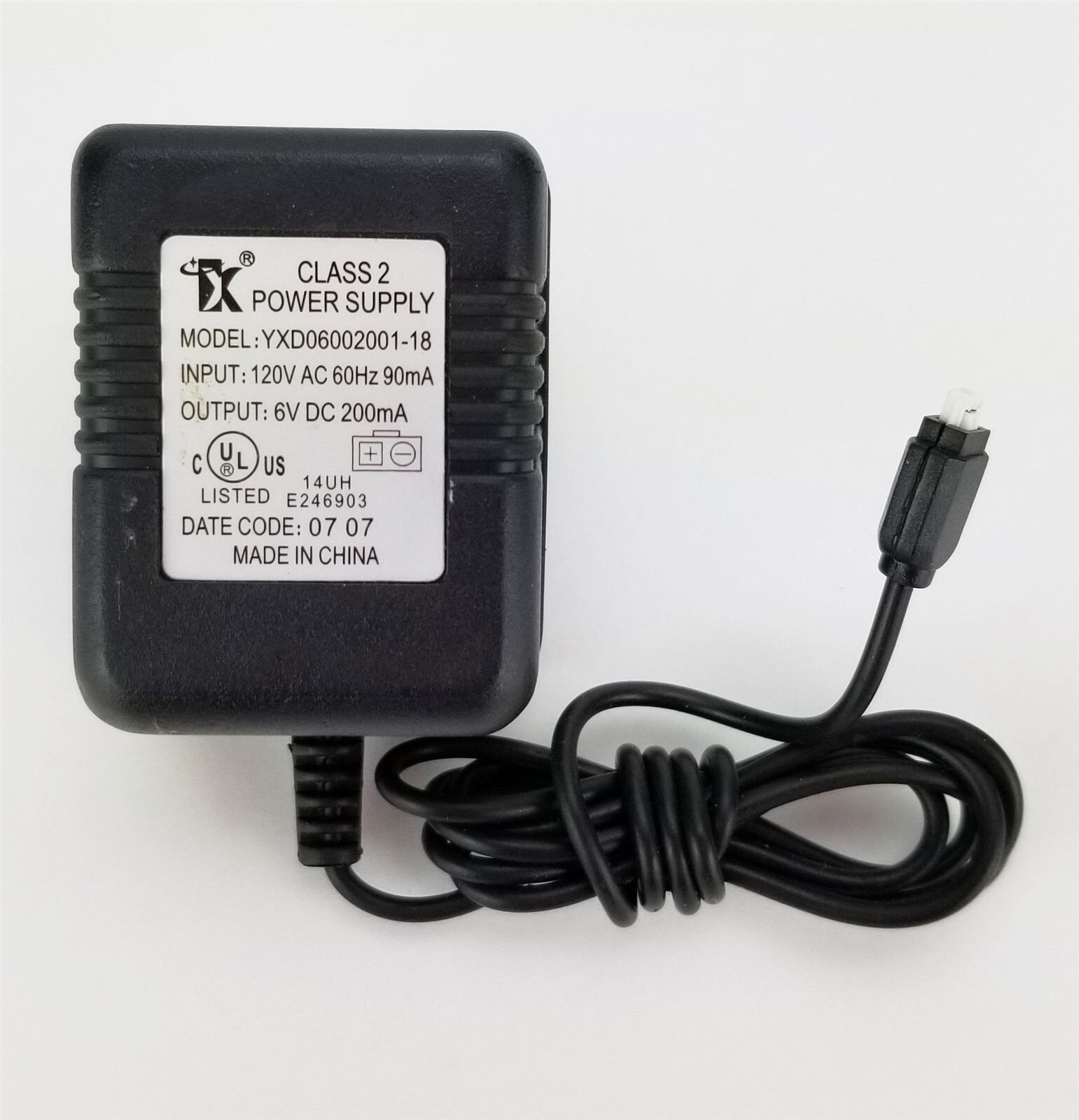
At its heart, a Class 2 power supply is defined by its inherent limitation on output power, current, and voltage, specifically designed to mitigate the risk of electric shock and fire. This classification is primarily a safety standard, ensuring that even under fault conditions, the energy delivered to the load remains below hazardous levels. These power supplies operate on the principle of Safety Extra-Low Voltage (SELV) or Protective Extra-Low Voltage (PELV), where the output circuit is isolated from the mains input and grounded potentially, respectively, thus significantly reducing shock hazard.

The Principle of Limited Power
The core principle behind Class 2 is power limitation. Unlike general-purpose power supplies that might deliver substantial current and voltage, a Class 2 unit is engineered to deliver only a limited amount of energy. This limitation means that contact with the output circuit, even in an unprotected state, is unlikely to cause a dangerous electric shock. The power limit is typically around 100 VA (Volt-Amperes) or watts, with specific voltage and current thresholds that must not be exceeded. For instance, under dry conditions, the voltage is often capped at 30V RMS for AC or 42.4V peak for AC, or 60V DC. These thresholds are critical because they define the “safe-to-touch” nature of the output wiring and connected devices.
Regulatory Frameworks (UL 1310 and NEC)
The definition and requirements for Class 2 power supplies are not arbitrary; they are meticulously detailed by various national and international safety standards. In North America, the Underwriters Laboratories (UL) standard UL 1310, “Class 2 Power Units,” is the predominant guideline for the design and testing of these devices. This standard dictates construction, performance, and testing criteria to ensure that a power supply indeed meets Class 2 safety requirements.
Complementary to UL 1310, the National Electrical Code (NEC) — specifically Article 725, “Class 1, Class 2, and Class 3 Remote-Control, Signaling, and Power-Limited Circuits” — governs the installation practices for Class 2 circuits. The NEC’s classification of Class 2 circuits directly influences how wiring can be run, the types of cables permitted, and whether conduit is required. A key advantage derived from the inherent safety of Class 2 circuits is that they generally do not require the same rigorous installation methods (e.g., fire-rated enclosures, heavy-gauge wiring, or professional electricians for termination) as line-voltage circuits, simplifying deployment and reducing costs in many applications.
Key Electrical and Safety Characteristics
The specific attributes that define a Class 2 power supply are rooted in its electrical performance and protection mechanisms. These characteristics ensure that the “limited power” principle is upheld consistently, even under adverse conditions.
Voltage and Current Output Limitations
The most defining characteristic of a Class 2 power supply is its strictly regulated output voltage and current. For AC outputs, the voltage typically does not exceed 30 V RMS, while for DC outputs, it’s limited to 60 V DC. Current is also constrained, usually to a maximum of 5 A at 0-20 V DC and 3.2 A at 20-60 V DC. These limits are not arbitrary; they are established to prevent both electric shock (by keeping voltage below levels that can cause significant current flow through the human body) and fire hazards (by limiting the total power, thus minimizing heat generation under fault conditions).
Inherent Safety Through Isolation
A crucial safety feature of Class 2 power supplies is the robust isolation between the primary (AC mains) and secondary (low voltage output) circuits. This is typically achieved through an isolation transformer, which physically and electrically separates the high-voltage input from the low-voltage output. This isolation prevents dangerous voltages from the mains side from accidentally transferring to the output side, even in the event of an internal component failure. The construction often includes reinforced insulation or double insulation, providing an extra layer of protection beyond basic insulation.
Overcurrent and Over-temperature Protection
To further ensure safety, Class 2 power supplies are mandated to include reliable overcurrent protection. This usually comes in the form of a fuse, a self-resetting thermal cut-off, or electronic current limiting that automatically restricts the output current if it exceeds a predetermined safe threshold. This protection is vital in preventing damage to the power supply itself and, more importantly, to the connected load, and prevents overheating that could lead to fire. Similarly, many Class 2 units incorporate over-temperature protection, which shuts down the unit if internal temperatures rise to unsafe levels, guarding against thermal runaway.
Wiring and Installation Implications
The limited power and inherent safety of Class 2 circuits have significant implications for wiring and installation. Due to the reduced shock and fire hazard, Class 2 wiring can often be run without conduit, in different pathways than line voltage wiring, and sometimes even by individuals without full electrical licensing, depending on local codes. This flexibility simplifies installations, reduces labor costs, and speeds up deployment for a wide array of low-voltage applications. However, it’s crucial to still adhere to local electrical codes for wire sizing, insulation type, and proper separation from higher voltage circuits to maintain safety and compliance.
Diverse Applications Across Modern Technology
Class 2 power supplies are ubiquitous, forming the backbone of countless electronic devices and systems in both residential and commercial settings. Their inherent safety makes them the preferred choice for applications where human interaction with the circuit is possible or where simplified installation is desired.
Revolutionizing LED Lighting Systems
Perhaps one of the most prominent applications of Class 2 power supplies is in modern LED lighting. LED drivers are often designed to be Class 2 compliant, providing the necessary low voltage and current to safely power LED strips, modules, and fixtures. This enables safer installation of recessed lighting, under-cabinet lighting, landscape lighting, and other low-profile or accessible fixtures. The limited power output means that LED fixtures themselves do not need extensive safety measures against electric shock, allowing for smaller, sleeker designs and simplifying the entire lighting system’s safety certification.

Powering Consumer Electronics and IoT Devices
Most consumer electronics that plug into a wall outlet but operate on low voltage — such as laptops (via their power bricks), smartphones, tablets, routers, modems, smart home hubs, and various small appliances — rely on Class 2 power supplies. These external or internal power units convert household AC voltage to a safe, regulated DC voltage, ensuring the device is safe to handle while also protecting sensitive internal components. The rise of the Internet of Things (IoT) has further amplified the use of Class 2 power supplies, as countless sensors, actuators, and smart devices require safe, low-power operation.
Enhancing Safety in Control and Security Systems
Building automation systems, access control systems, security alarms, and surveillance cameras frequently utilize Class 2 power supplies. In these applications, the low-voltage wiring often runs throughout a building, passing through walls and ceilings, and is routinely handled by installers and maintenance personnel. The use of Class 2 circuits drastically reduces the risk of electrical hazards during installation, troubleshooting, and daily operation, providing peace of mind and simplifying compliance with building codes.
Specialized Use Cases
Beyond these common examples, Class 2 power supplies find their way into a myriad of specialized applications. These include certain medical devices where patient safety is paramount, industrial control systems for sensors and low-power actuators, telecommunications equipment, and even some automotive charging systems where the external power source needs to be safe for user interaction. Their versatility and safety profile make them an indispensable component in modern technological infrastructure.
Advantages and Practical Considerations
The adoption of Class 2 power supplies brings a host of advantages, primarily centered around safety, ease of installation, and cost-effectiveness. However, understanding their limitations is equally important for appropriate system design.
Unparalleled Safety Benefits
The primary advantage of Class 2 power supplies is their inherent safety. By limiting voltage and current to non-hazardous levels, they significantly reduce the risk of electric shock and fire. This makes systems powered by Class 2 supplies safer for end-users, installers, and maintenance personnel. In environments where wiring might be exposed or easily accessible, this safety feature is paramount.
Simplified Design and Installation
Due to their limited power output and the resulting low risk, Class 2 circuits often bypass many of the stringent wiring regulations applied to line-voltage circuits. This translates into simpler, less expensive wiring materials (e.g., thinner gauge wires, absence of conduit in many cases), reduced labor costs, and faster installation times. Designers gain more flexibility in system architecture, and installers can work more efficiently without requiring the same level of protective gear or specialized tools often associated with high-voltage wiring.
Cost Efficiency and Compliance
The reduced material and labor costs associated with Class 2 wiring can lead to significant overall cost savings for projects, especially large-scale installations like commercial LED lighting or extensive security systems. Furthermore, using compliant Class 2 power supplies ensures that the entire system adheres to safety standards, simplifying regulatory approval processes and reducing potential liabilities.
Understanding the Limitations
Despite their numerous advantages, Class 2 power supplies do have limitations. Their restricted power output means they are unsuitable for high-power applications. If a system requires significant power, multiple Class 2 supplies might be needed, or a different power supply classification must be chosen. Additionally, for very long cable runs in low-voltage DC systems, voltage drop can become an issue, potentially requiring larger gauge wire than initially anticipated or distributed power supplies closer to the load. System designers must carefully calculate power requirements and voltage drop to ensure optimal performance.
Distinguishing from Other Power Supply Classifications
To fully appreciate the role of Class 2 power supplies, it’s helpful to understand how they differ from other common classifications, particularly Class 1 and Class 3 power supplies, as defined by safety standards.
Class 1 Power Supplies: Grounded for Safety
Class 1 power supplies operate with hazardous voltages, meaning the output voltage is not inherently limited to safe-to-touch levels. Their primary safety mechanism relies on a protective earth (ground) connection. Any conductive parts of the enclosure that could become live in the event of an insulation failure are connected to this ground wire. If a fault occurs, the ground connection provides a low-resistance path for fault current, triggering a circuit breaker or fuse and disconnecting power. This requires a three-prong plug and a properly grounded electrical system. Many traditional appliances and industrial equipment use Class 1 power supplies.
Class 3 Power Supplies: SELV in Practice
Class 3 power supplies, sometimes referred to in the context of Safety Extra-Low Voltage (SELV) circuits, share the characteristic of having a limited output voltage, typically below the same thresholds as Class 2 (e.g., 60V DC, 30V AC RMS). The key distinction, however, often lies in the source of the power and the protective measures. While Class 2 supplies are defined by their internal power limiting means (transformer, PTC, fuse, etc.), Class 3 circuits are inherently limited by the source of the power, often an approved Class 2 power supply itself. The output of a Class 3 circuit must also be isolated from the mains and not connected to ground. This makes them ideal for applications where human contact with the low-voltage circuit is highly probable, such as within certain medical equipment or portable electronics, offering the highest level of shock protection.
The Unique Role of Class 2 in Safety Engineering
Class 2 power supplies strike a balance between power delivery and safety, making them exceptionally versatile. They offer significant safety advantages over Class 1 by inherently limiting energy, thus reducing reliance on a perfect earth ground connection for safety. While Class 3 offers comparable voltage limits, Class 2 is explicitly defined by the power supply unit itself providing the limiting function and isolation, making it a distinct product category with specific installation rules. This unique combination of inherent safety, simplified installation, and reasonable power delivery positions Class 2 power supplies as a cornerstone technology for the safe and efficient operation of countless modern electronic systems.
aViewFromTheCave is a participant in the Amazon Services LLC Associates Program, an affiliate advertising program designed to provide a means for sites to earn advertising fees by advertising and linking to Amazon.com. Amazon, the Amazon logo, AmazonSupply, and the AmazonSupply logo are trademarks of Amazon.com, Inc. or its affiliates. As an Amazon Associate we earn affiliate commissions from qualifying purchases.