
Creating user accounts is a foundational element of almost any modern digital service, from e-commerce platforms to enterprise applications. While seemingly straightforward, the process is laden with critical security implications, user experience considerations, and regulatory compliance requirements. A best practice for user account creation isn’t a single silver bullet but rather a holistic approach integrating robust security measures, seamless user experience design, and an unwavering commitment to data privacy. This multifaceted strategy ensures not only the protection of user data and system integrity but also fosters user trust and long-term engagement.
Prioritizing Security from the Outset
Security must be embedded into the very fabric of the user account creation process, not merely an afterthought. The initial touchpoints of registration are often the most vulnerable and, if compromised, can lead to severe data breaches and reputational damage.
Strong Password Policies and Management
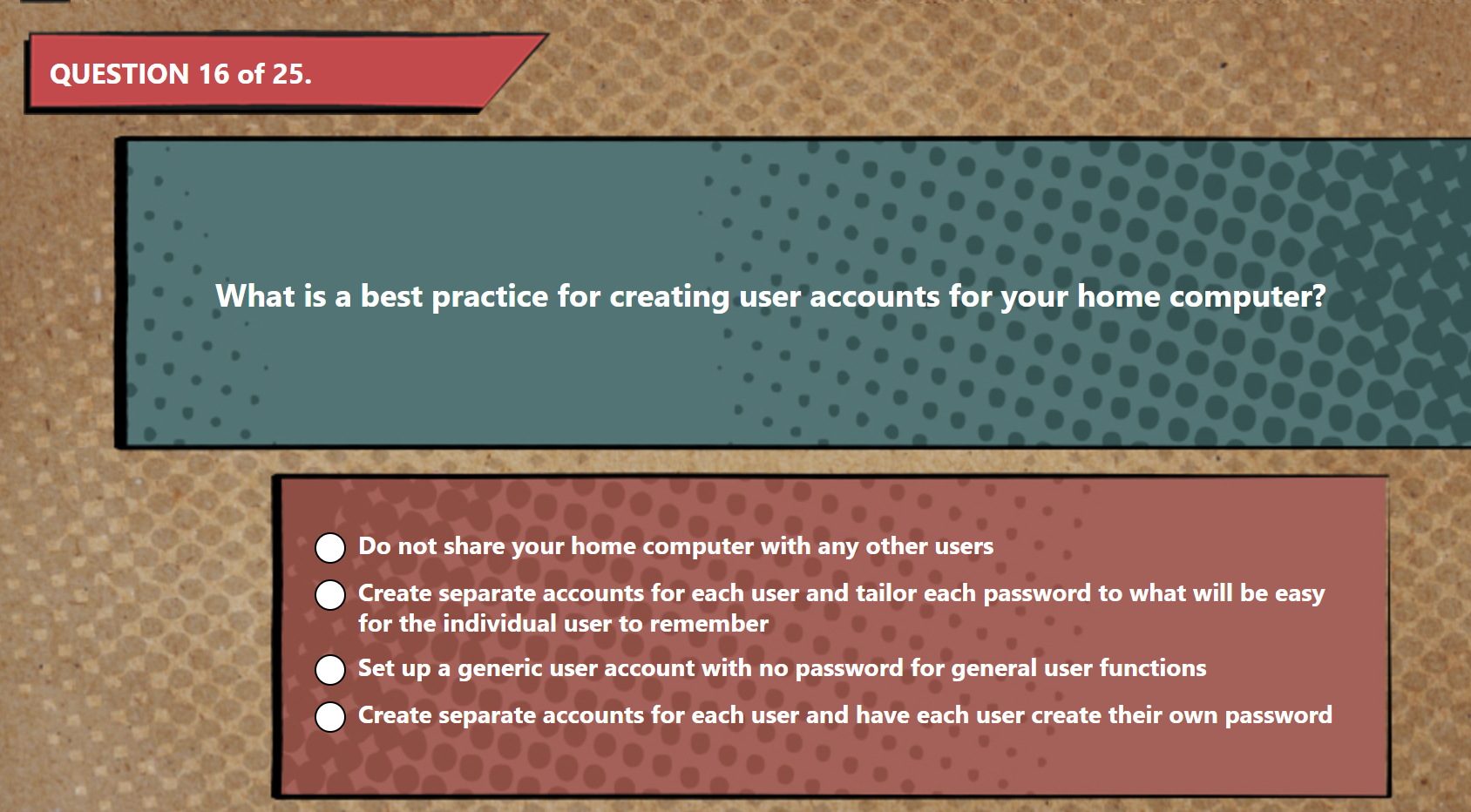
The first line of defense for any user account is a strong password. Best practices dictate a minimum password length, typically 12-16 characters, coupled with complexity requirements that mandate a mix of uppercase and lowercase letters, numbers, and special symbols. However, simply enforcing complexity isn’t enough; systems should actively prevent the use of commonly leaked passwords or dictionary words. More advanced systems can also assess password strength in real-time during registration. Crucially, educating users on the benefits of unique, strong passwords and encouraging the use of password managers can significantly enhance overall security. Furthermore, implementing multi-factor authentication (MFA) as a standard or highly recommended option adds a critical layer of security beyond just the password. MFA, whether through SMS codes, authenticator apps, or hardware tokens, makes it exponentially harder for unauthorized users to gain access even if the password is compromised.
Data Encryption in Transit and at Rest
All user data, particularly sensitive information collected during account creation (like email addresses, names, and even potentially payment details), must be encrypted both when it travels across networks and when it resides in databases. For data in transit, the ubiquitous use of HTTPS/SSL/TLS protocols is non-negotiable, ensuring that communications between the user’s browser and the server are encrypted and secure from eavesdropping. For data at rest, robust encryption standards (e.g., AES-256) applied to database fields containing sensitive user information prevent unauthorized access even if the database itself is compromised. This dual-layer encryption strategy minimizes the risk of data exposure.
Role-Based Access Control (RBAC)
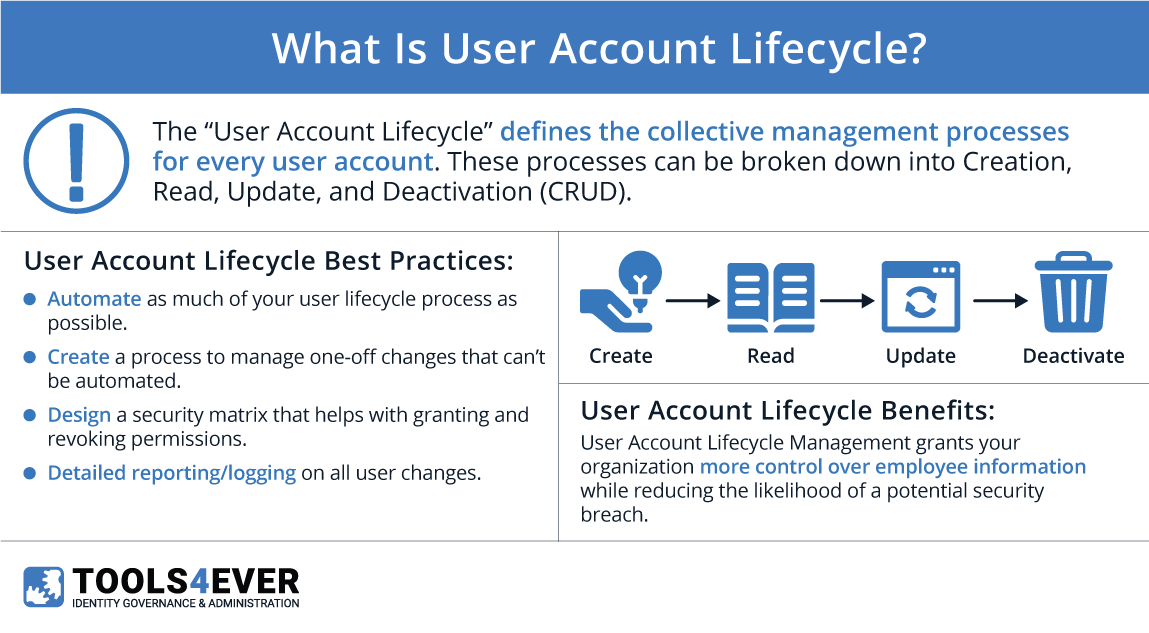
When an account is created, especially within an organizational context, its permissions and privileges must be meticulously defined. Role-Based Access Control (RBAC) is a best practice that ensures users are granted only the minimum necessary access to perform their designated functions. This principle of “least privilege” significantly reduces the attack surface. For instance, a standard user account should not have administrative privileges, and internal system administrators should only access user data when absolutely necessary and under strict auditing controls. Proper RBAC implementation prevents privilege escalation attacks and limits the scope of damage should an account be compromised.
Secure Session Management and Timeout
Once a user logs in, a secure session is established. Best practices for session management include generating unique, unpredictable session IDs that are transmitted over secure channels (HTTPS). Sessions should have reasonable timeout durations, especially for sensitive applications, automatically logging out inactive users to prevent unauthorized access if a device is left unattended. For highly sensitive operations, re-authentication or shorter session lifespans should be enforced. Session fixation vulnerabilities must also be mitigated by issuing a new session ID upon successful login.
Streamlining the User Experience While Maintaining Integrity
Security should never come at the complete expense of usability. A clunky, frustrating account creation process can lead to user abandonment. The goal is to strike a balance between robust security and a smooth, intuitive user journey.
Intuitive Onboarding Flows
The account creation form should be clear, concise, and easy to navigate. Best practices suggest minimizing the number of required fields initially, only asking for essential information (e.g., email and password) to get the user started. Additional, non-critical information can be collected later through progressive profiling, after the user has experienced some value from the service. Clear error messages and inline validation guide users, preventing frustration. Visual cues and progress indicators can also enhance the perception of ease and speed.
Email Verification and Account Confirmation
A mandatory step in nearly all secure account creation processes is email verification. After submitting initial details, the user receives an email with a unique, time-sensitive link to confirm their email address. This practice serves multiple purposes: it verifies the email address belongs to the user, prevents bot registrations, and ensures a valid communication channel for password resets or security notifications. The verification link should ideally expire after a short period (e.g., 24 hours) and be designed to prevent replay attacks.
Social Login Integration (with caveats)
Offering social login options (e.g., “Sign in with Google,” “Log in with Facebook”) can significantly reduce friction during registration, as users often prefer the convenience of using existing credentials. However, this convenience comes with caveats. Developers must carefully consider the privacy implications, ensuring that only necessary data is requested from the social provider. They must also implement secure authorization flows (like OAuth 2.0) and provide alternative registration methods for users who prefer not to link their social accounts or if the social provider is unavailable. Dependence on third-party identity providers introduces an external dependency that must be managed.
Clear Privacy Policies and Terms of Service
Transparency is paramount. During account creation, users must be presented with clear, easily understandable privacy policies and terms of service. This ensures they are fully aware of how their data will be collected, stored, used, and shared. Obtaining explicit consent for data processing, especially for sensitive data, is not just a best practice but often a legal requirement (e.g., GDPR, CCPA). These documents should be readily accessible and concise, avoiding overly complex legal jargon where possible.
Implementing Robust Account Recovery Mechanisms
Inevitably, users will forget their passwords or lose access to their accounts. Secure and reliable account recovery mechanisms are crucial for user retention and preventing unauthorized access attempts.

Secure Password Reset Procedures
The most common recovery mechanism is the password reset. Best practices for this include using a unique, time-limited reset link sent to the user’s verified email address or phone number. The link should invalidate any previous reset requests and expire relatively quickly. Under no circumstances should a system email a user their old password in plain text. Furthermore, systems should implement rate limiting on password reset requests to prevent attackers from enumerating email addresses or launching denial-of-service attacks. If security questions are used, they must be unique, unguessable, and never stored as plain text answers.
Multi-Factor Authentication (MFA) for Recovery
For critical applications or accounts holding highly sensitive data, MFA should extend to the account recovery process itself. This means that in addition to a password reset link, the user might need to provide a code from an authenticator app, answer a security question, or verify via a secondary device. This layered approach significantly hardens the recovery process against social engineering and phishing attempts.
Account Lockout Policies
To prevent brute-force attacks on login credentials, account lockout policies are essential. After a predetermined number of failed login attempts (e.g., 5-10 attempts), the account should be temporarily locked out for a set period (e.g., 15-30 minutes). This discourages automated attack tools. However, care must be taken to balance security with usability, as overly aggressive lockouts can lead to denial-of-service against legitimate users.
Continuous Monitoring and Compliance
The responsibility for user account security doesn’t end after creation. It’s an ongoing commitment that requires vigilant monitoring and adherence to evolving regulations.
Audit Logging and Activity Tracking
Comprehensive audit logs are indispensable. Every significant action related to a user account—creation, login, password change, privilege modification, data access, and recovery attempts—should be meticulously logged. These logs should include timestamps, IP addresses, user IDs, and the nature of the action. Secure, tamper-proof logging provides an invaluable forensic tool for investigating security incidents, identifying suspicious activity, and demonstrating compliance. Alerts should be configured to flag unusual login patterns or multiple failed attempts.
Regular Security Audits and Penetration Testing
Proactive identification of vulnerabilities is critical. Regular security audits, vulnerability scanning, and penetration testing by independent security experts help uncover weaknesses in the account creation and management processes that might be overlooked during development. These assessments should simulate real-world attacks to evaluate the effectiveness of existing security controls.
Compliance with Data Protection Regulations
User account creation and the subsequent handling of user data are heavily regulated worldwide. Compliance with data protection regulations such as GDPR (General Data Protection Regulation) in Europe, CCPA (California Consumer Privacy Act) in the US, HIPAA (Health Insurance Portability and Accountability Act) for healthcare data, and others is not optional. Best practices include designing systems with “privacy by design” principles, ensuring explicit consent for data processing, providing users with rights to access, rectify, or delete their data, and implementing robust data breach notification procedures.
User Education on Security Best Practices
Ultimately, users are a critical link in the security chain. Educating them about the importance of strong, unique passwords, the dangers of phishing, the benefits of MFA, and how to identify suspicious activity empowers them to protect their own accounts. Providing in-app guidance, helpful tips during onboarding, and clear support channels reinforces a culture of security.
Technical Implementation Considerations
Beyond the policy and user experience layers, specific technical implementations underpin secure user account creation.
Hashing and Salting Passwords
Storing passwords in plain text is one of the gravest security errors a system can make. Instead, passwords must always be stored as cryptographic hashes. A hash function transforms a password into a fixed-length string of characters that is nearly impossible to reverse-engineer. To further strengthen this, a unique, random “salt” should be added to each password before hashing. Salting prevents “rainbow table” attacks and ensures that even identical passwords result in different stored hashes, thwarting bulk credential compromises. Algorithms like bcrypt, scrypt, or Argon2 are recommended for their computational intensity, which makes brute-forcing more difficult.
Input Validation and Sanitization
All user input, especially during account creation, must be rigorously validated and sanitized to prevent common web vulnerabilities. This includes checking for expected data types, lengths, and formats. Server-side validation is crucial, as client-side validation can be bypassed. Sanitization involves cleaning input to remove or neutralize potentially malicious code (e.g., HTML tags, SQL keywords) that could lead to SQL injection, cross-site scripting (XSS), or other injection attacks.
API Security for Account Management
If user accounts are created or managed via APIs, these endpoints must be secured with robust authentication (e.g., OAuth 2.0, API keys with proper secret management), authorization, and rate limiting. All API communications should occur over HTTPS, and input validation/sanitization rules must apply just as strictly to API payloads as they do to web forms. Comprehensive logging of API requests related to account management is also essential for auditing and security monitoring.
In conclusion, establishing best practices for creating user accounts requires a comprehensive strategy that meticulously balances cutting-edge security measures with an intuitive user experience and unwavering regulatory compliance. By prioritizing security from the ground up, streamlining the user journey, providing robust recovery options, and committing to continuous monitoring and technical excellence, organizations can build trust, protect sensitive data, and secure their digital ecosystems effectively.
aViewFromTheCave is a participant in the Amazon Services LLC Associates Program, an affiliate advertising program designed to provide a means for sites to earn advertising fees by advertising and linking to Amazon.com. Amazon, the Amazon logo, AmazonSupply, and the AmazonSupply logo are trademarks of Amazon.com, Inc. or its affiliates. As an Amazon Associate we earn affiliate commissions from qualifying purchases.