
The 1964 Roosevelt dime holds a unique and significant place in American numismatic history, marking a pivotal moment in the nation’s coinage. Understanding its value transcends mere face value, delving into a complex interplay of precious metal content, historical context, condition, and collector demand. For individuals managing personal finance or considering numismatic assets, deciphering the worth of this particular coin requires a nuanced perspective on both bullion markets and specialized collecting niches.
The Historical Significance of the 1964 Dime
To truly appreciate the financial and historical significance of the 1964 dime, one must understand the dramatic shift it represents in U.S. monetary policy. This year stands as a dividing line, making its dimes distinct from those that followed.
The End of Silver Coinage
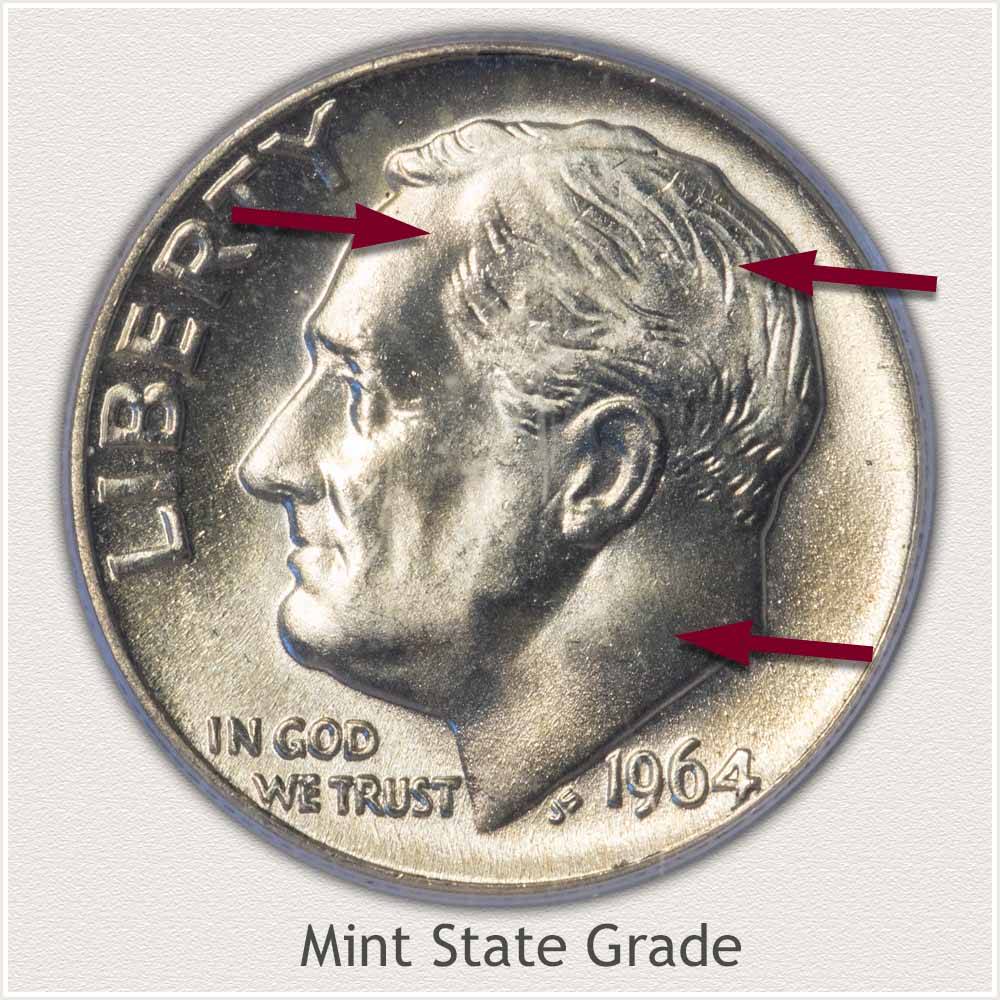
Perhaps the most crucial aspect of the 1964 dime is its composition. It was the last year that U.S. dimes, quarters, and half-dollars were struck for general circulation in 90% silver. This change was necessitated by the rising market price of silver, which, by the early 1960s, threatened to exceed the face value of the coins themselves, leading to widespread hoarding. The Coinage Act of 1965 officially eliminated silver from dimes and quarters, replacing it with a copper-nickel clad composition. Half-dollars continued to be struck in a reduced 40% silver alloy until 1970, but dimes and quarters became purely base metal. This transition makes every 1964 dime a tangible piece of history, representing the conclusion of over a century and a half of silver circulating currency in the United States.
A Bridge Between Eras
The 1964 dime, therefore, acts as a bridge. It connects the traditional era of precious metal coinage to the modern era of clad coinage. Its existence is a testament to the economic pressures and policy decisions of the time. This historical context imbues even common circulated 1964 dimes with a baseline value beyond their ten-cent face value, primarily due to their intrinsic silver content. For collectors and those interested in financial history, this historical significance enhances its appeal as an asset class.
Factors Influencing a 1964 Dime’s Value
While every 1964 dime contains silver, not all are valued equally. A range of factors dictates whether a specific coin fetches slightly more than its melt value or commands a significant premium in the numismatic market.
Condition is King: Grading the Dime
The physical condition of a coin, often referred to as its “grade,” is the most significant determinant of its numismatic value. Coins are graded on a 70-point scale, with higher numbers indicating better preservation. For the 1964 dime, key grades include:
- Good (G-4) to Fine (F-12): These are coins that have seen extensive circulation. Most of the design details are worn smooth, but major features are still discernible. Their value primarily derives from their silver content.
- Very Fine (VF-20) to About Uncirculated (AU-58): These coins show moderate to light wear on the highest points of the design. Letters and minor details are sharper. While still retaining a strong connection to their silver value, they may start to command a slight premium for their aesthetic appeal.
- Uncirculated (Mint State, MS-60 to MS-70): These coins have never been released into general circulation and retain their original mint luster. Details are sharp, and there is no visible wear. Coins graded MS-65 or higher, often described as “Gem Uncirculated,” are highly sought after by collectors and can fetch substantial premiums, especially if they possess strong eye appeal and minimal distracting marks.
- Proof (PR/PF-60 to PR/PF-70): Proof coins are specially struck coins, typically with highly polished dies and blanks, resulting in a mirror-like finish and sharp, frosted designs. These were not intended for circulation and were sold directly to collectors. 1964 Proof dimes, identifiable by their pristine appearance, are generally more valuable than their business strike (circulated) counterparts, even in lower proof grades.
Mint Mark Variations
The mint mark indicates where a coin was struck. For 1964 dimes, two possibilities exist:
- No Mint Mark: Dimes struck at the Philadelphia Mint bear no mint mark.
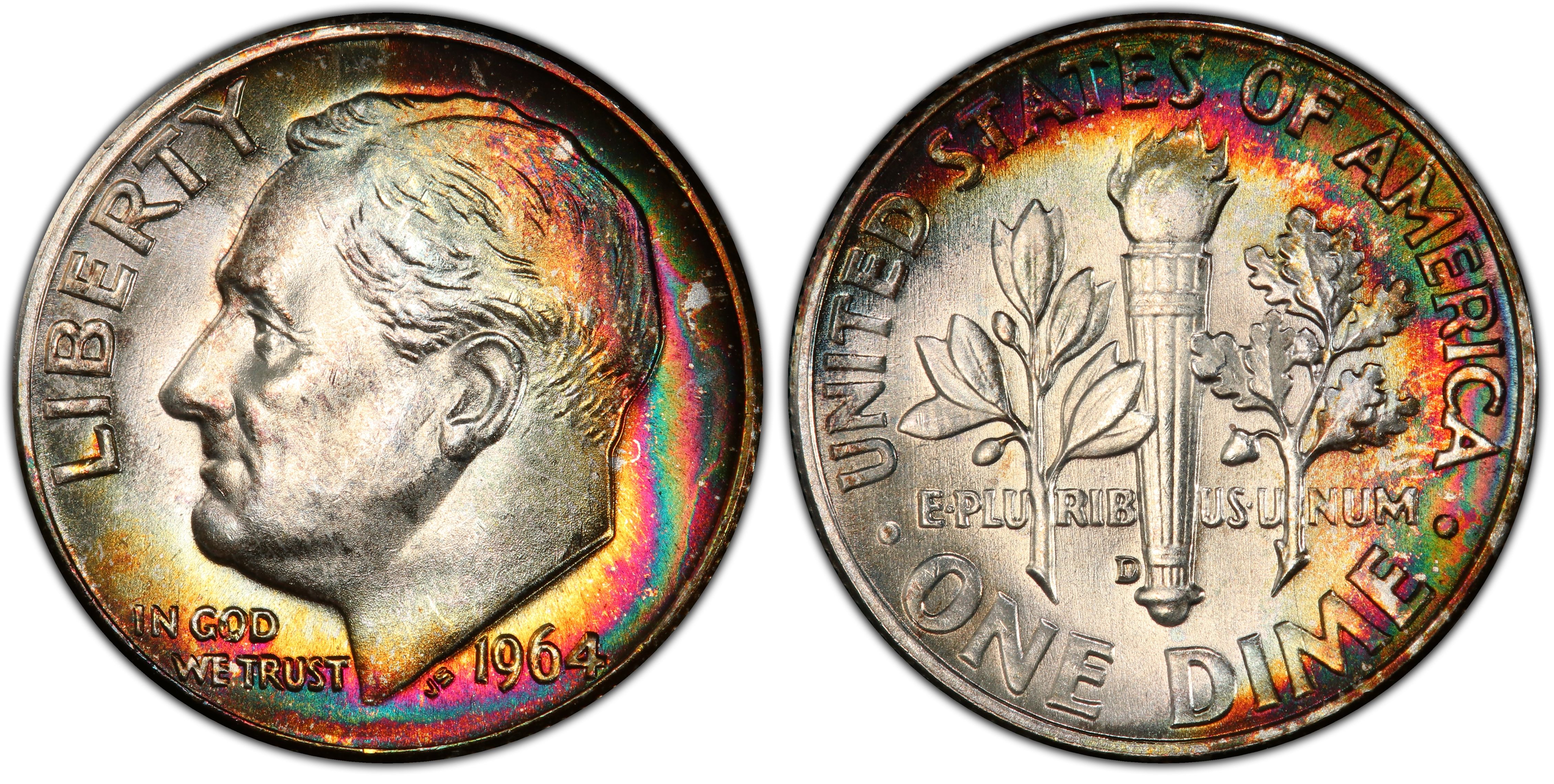
- “D” Mint Mark: Dimes struck at the Denver Mint bear a small “D” on the reverse, near the bottom.
While both are common, certain collectors may have preferences, and sometimes a slight value difference can emerge between the two, particularly in higher grades. However, for 1964 dimes, neither mint mark is significantly rarer than the other, and the value is largely driven by condition and silver content.
Key Date and Error Varieties
Unlike some coin series, the 1964 Roosevelt dime is not considered a “key date” in itself, as millions were produced by both mints. However, specific varieties or errors can elevate a coin’s value dramatically. While less common for such a widely produced issue, potential errors to look for include:
- Doubled Dies: Where the design appears slightly doubled due to a die manufacturing error.
- Repunched Mint Marks (RPMs): Where the mint mark was stamped more than once or misaligned.
- Off-Center Strikes: Where the coin blank was not properly centered when struck.
- Broadstrikes: Where the coin was struck without the retaining collar, causing it to spread outwards.
Identifying these errors often requires magnification and specialized knowledge. If an error is suspected, professional verification is advisable, as genuine, significant errors can drastically increase a coin’s worth from a few dollars to hundreds or even thousands, depending on the rarity and prominence of the error.
Market Demand and Numismatic Trends
The overall health of the coin collecting market and specific trends within numismatics also play a role. Interest in silver coins, particularly those marking historical transitions, tends to be robust. However, like any market, demand can fluctuate based on economic conditions, collector demographics, and the popularity of specific series. Sustained interest in Roosevelt dimes, especially high-grade examples or those with unique characteristics, helps maintain their numismatic value.
Unraveling the Worth: A Price Guide
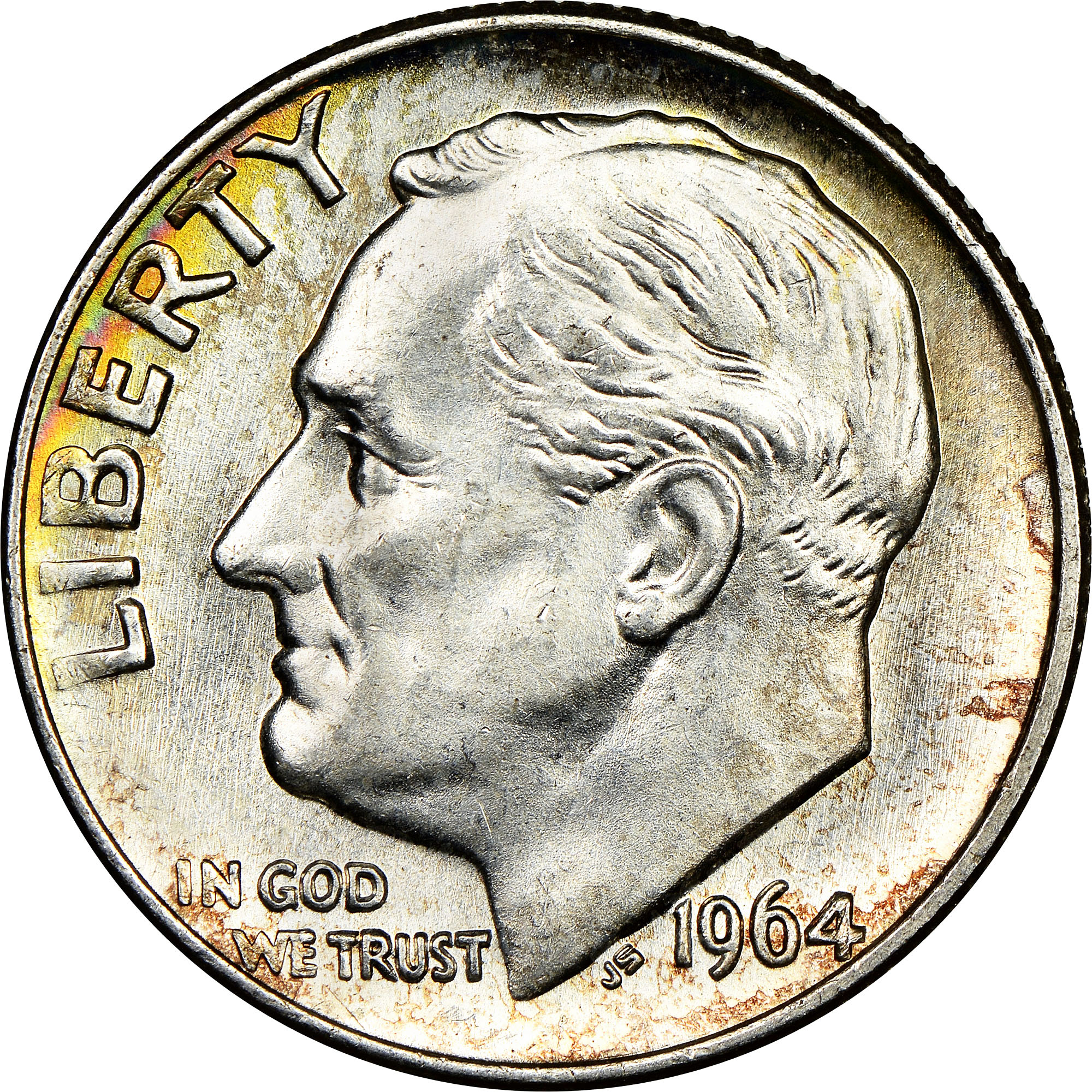
Pinpointing an exact value for a 1964 dime requires consideration of its intrinsic metal value and its potential numismatic premium.
Bullion Value vs. Numismatic Value
For most circulated 1964 dimes, their primary value is tied directly to their silver content. Each 90% silver dime contains approximately 0.07234 troy ounces of pure silver. Therefore, to calculate its melt value, you would multiply this silver weight by the current spot price of silver. For example, if silver is trading at $25 per troy ounce, a 1964 dime’s melt value would be roughly $25 * 0.07234 = $1.81. This forms the baseline value below which these coins rarely fall.
Numismatic value, on the other hand, is the premium collectors are willing to pay above the melt value due to the coin’s rarity, condition, historical significance, or aesthetic appeal. Only coins in higher grades (Uncirculated or Proof) or those possessing rare errors typically command a significant numismatic premium.
General Circulated Values
Most 1964 dimes found in circulation today will be in Good to Fine condition. For these coins, their worth will be slightly above or at their melt value.
- Good (G-4) to Fine (F-12): Typically trade for 1.5x to 2.5x their silver melt value. As of recent market averages, this might range from $1.80 to $3.00, fluctuating with silver prices. Dealers often purchase these coins in bulk for their silver content.
Uncirculated and Proof Values
Coins that have been preserved since their minting and exhibit no wear fetch higher prices.
- About Uncirculated (AU-50 to AU-58): These coins show very light traces of wear but still retain some luster. They might sell for $3.00 to $6.00, depending on the exact grade and eye appeal.
- Uncirculated (MS-60 to MS-64): These are unworn coins that may have some bag marks or less-than-perfect luster. Prices generally range from $5.00 to $15.00.
- Gem Uncirculated (MS-65 and higher): These coins are visually stunning, with full luster and minimal flaws. A 1964 dime in MS-65 might sell for $20.00 to $40.00, while exceptionally high grades like MS-67 could reach $100.00 or more, especially if graded by a reputable third-party grading service like PCGS or NGC.
- Proof (PR-60 to PR-69): Proof dimes from 1964 were specially minted and have a distinctive appearance. Even lower-grade proofs (PR-60 to PR-65) can start around $5.00 to $15.00. High-grade Proofs, particularly those with deep cameo contrast (PR-67 DCAM or higher), are highly prized and can command $50.00 to several hundred dollars, sometimes even more for perfect PR-70 examples, though these are exceedingly rare.
Key Considerations for Sale
When looking to sell or buy, always consult current pricing guides and recent auction results. Prices are dynamic and can change based on current silver prices and market demand. For high-value examples, always seek appraisals from reputable coin dealers or professional grading services.
Maximizing the Value of Your 1964 Dime
If you possess a 1964 dime and believe it might be worth more than its silver content, taking specific steps can help you accurately assess and potentially maximize its value as a financial asset.
Proper Handling and Storage
The first rule of preserving a coin’s value is proper handling. Always hold coins by their edges to avoid transferring oils from your skin, which can cause permanent damage or discoloration over time. Store coins in inert, PVC-free holders or albums designed for numismatic preservation. Avoid cheap plastic flips or containers, as these can react with the coin over time and degrade its surface. Proper storage prevents environmental damage, scratches, and wear, thereby preserving its existing grade and potential value.
Professional Authentication and Grading
For any 1964 dime you suspect might be in an uncirculated condition, or if you believe it exhibits a rare error, professional authentication and grading by a third-party service (such as PCGS or NGC) is highly recommended. These services provide an impartial assessment of the coin’s condition and verify its authenticity. While there is a fee involved, a professionally graded coin often sells for a higher price and provides confidence to potential buyers, making it a sound investment for high-value pieces.
Researching the Market
Before buying or selling, conduct thorough research. Familiarize yourself with current market trends for 1964 dimes in various conditions. Websites like PCGS, NGC, CoinValues.com, and reputable online auction sites can provide valuable data on recent sales. This research will give you a realistic expectation of what your coin might be worth and help you negotiate effectively. Understanding current silver spot prices is also critical for appreciating the base value.
Navigating Sales Channels
When it comes time to sell, choose the channel that best suits the coin’s value.
- Local Coin Dealers: Good for quick sales, especially for common circulated dimes or lower-grade uncirculated examples. They offer convenience but typically buy at wholesale prices.
- Online Marketplaces (eBay, Etsy): Suitable for selling individual coins directly to collectors. You have more control over pricing, but you’ll need to manage shipping, photography, and customer service. Ensure accurate descriptions and high-quality images.
- Coin Shows: Provide an opportunity to get multiple offers from different dealers and collectors in person.
- Auction Houses (Specialized Coin Auctions): Best for high-value, professionally graded coins or rare error varieties. They reach a wide audience of serious collectors but charge commissions on sales.
By understanding the historical context, the critical factors influencing value, and strategic approaches to preservation and sale, individuals can effectively manage their 1964 dime as a tangible asset within their broader financial portfolio.
aViewFromTheCave is a participant in the Amazon Services LLC Associates Program, an affiliate advertising program designed to provide a means for sites to earn advertising fees by advertising and linking to Amazon.com. Amazon, the Amazon logo, AmazonSupply, and the AmazonSupply logo are trademarks of Amazon.com, Inc. or its affiliates. As an Amazon Associate we earn affiliate commissions from qualifying purchases.