
The term “Indian Head Nickel” often refers to the iconic Buffalo Nickel, a beloved piece of American coinage that captures a significant period in the nation’s history. For those holding a 1937 specimen, understanding its potential financial value involves delving into the nuanced world of numismatics, where factors like condition, rarity, mint marks, and historical anomalies can dramatically sway a coin’s market price, transforming it from face value into a considerable financial asset.
Understanding the “Indian Head Nickel” Misnomer
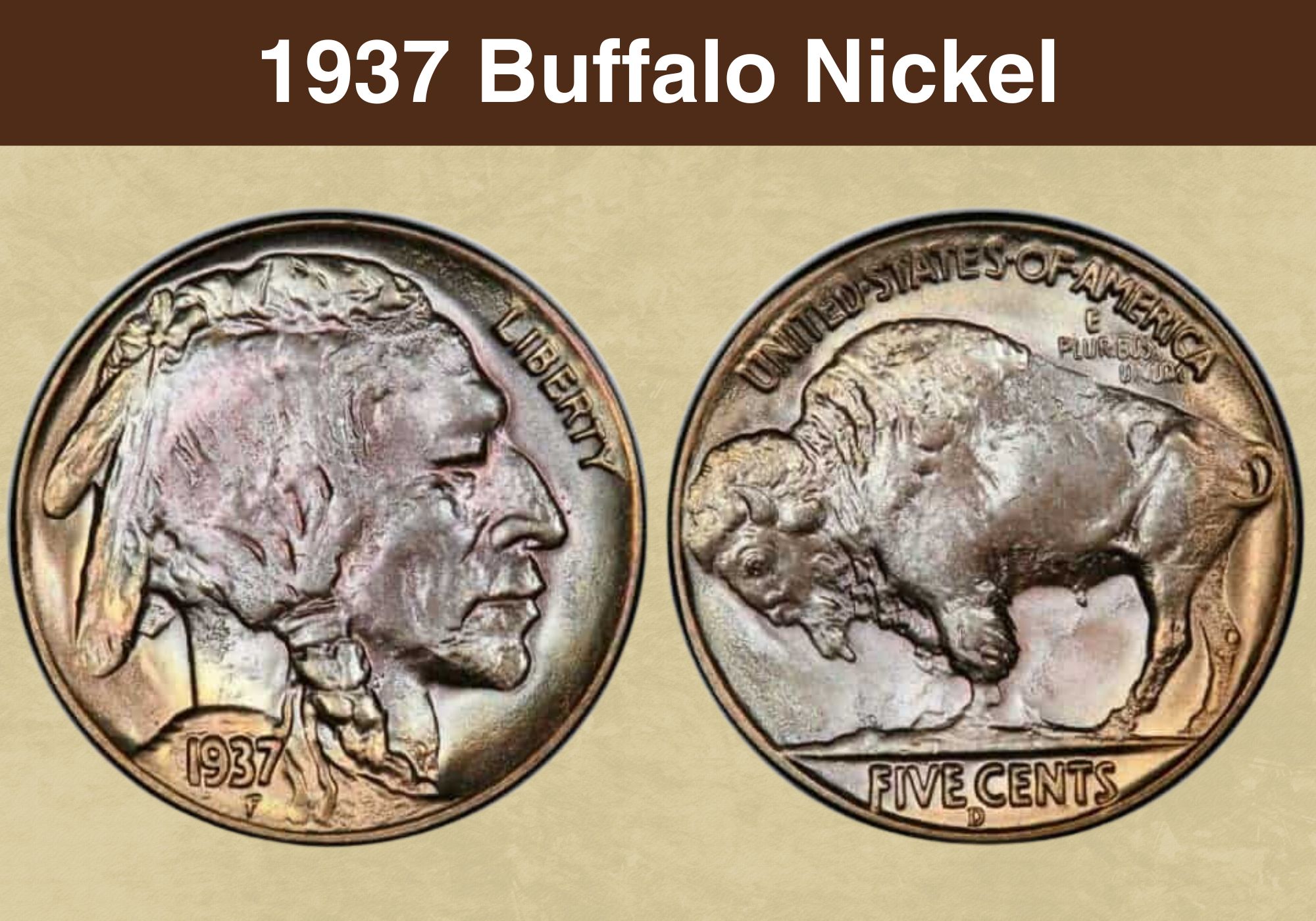
While the title uses “Indian Head Nickel,” it’s crucial for accurate financial assessment to clarify this common misidentification. The “Indian Head” name more accurately applies to the Indian Head Cent (or Penny) produced from 1859 to 1909. The nickel coin featuring a Native American profile on the obverse and a buffalo on the reverse, issued between 1913 and 1938, is officially known as the Buffalo Nickel or Type 1/Type 2 Nickel. However, due to the prominent depiction of a Native American chief, the colloquial “Indian Head Nickel” persists among collectors and the general public alike. For the purpose of valuation, we will focus on the 1937 Buffalo Nickel.
The Buffalo Nickel: A Brief History (1913-1938)
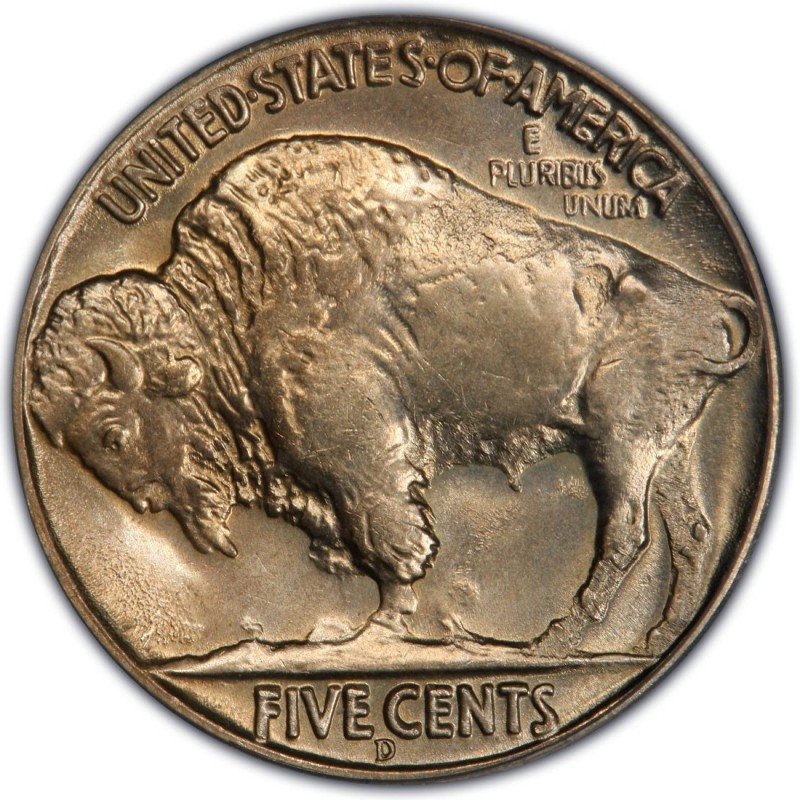
Designed by sculptor James Earle Fraser, the Buffalo Nickel was introduced in 1913, replacing the earlier Liberty Head Nickel. Fraser’s design aimed to capture the essence of the American West. The Native American depicted on the obverse is a composite portrait of three real chiefs: Iron Tail of the Oglala Sioux, Two Moons of the Cheyenne, and Big Tree of the Kiowa. The reverse features an American Bison, rumored to be Black Diamond, a resident of the Bronx Zoo. This coin’s design was widely celebrated but also proved challenging for striking, leading to a modified “Type 2” design later in 1913 with a recessed denomination to prevent wear. Production continued until 1938 when it was replaced by the Jefferson Nickel.
Why “Indian Head” is Used Colloquially
The strong visual representation of a Native American profile made the coin instantly recognizable. The term “Indian Head” likely emerged as a simple, descriptive shorthand to distinguish it from other contemporary coinage, like the Lincoln Cent or the Winged Liberty (Mercury) Dime. While technically incorrect for the nickel, its widespread use necessitates addressing it when discussing the financial potential of such a coin, as potential sellers and buyers may use this phrase in their searches.
Factors Influencing a Coin’s Value
The worth of any collectible coin, including a 1937 Buffalo Nickel, is not static. It’s a dynamic figure influenced by several key financial and numismatic factors. Understanding these elements is paramount for anyone looking to assess, buy, or sell such an asset.
Condition and Grading (The Cornerstone of Value)
The physical condition of a coin is, without a doubt, the single most significant determinant of its market value. A coin’s grade reflects its state of preservation, ranging from heavily worn to pristine.
Circulated vs. Uncirculated
Coins that have been used in commerce are “circulated” and show varying degrees of wear. Uncirculated coins, also known as “Mint State” (MS), have never been used and retain their original mint luster. The difference in value between a circulated and an uncirculated coin can be hundreds or even thousands of dollars.
Professional Grading Services (PCGS, NGC)
For serious collectors and significant financial transactions, third-party grading services like the Professional Coin Grading Service (PCGS) and the Numismatic Guaranty Corporation (NGC) are indispensable. These independent experts evaluate coins, assign a numerical grade (on the Sheldon scale of 1 to 70), and encapsulate them in a tamper-evident holder. This authentication and grading process adds credibility, enhances liquidity, and often significantly increases a coin’s market value by instilling buyer confidence.
Key Grading Terms (Good, Fine, VF, AU, MS)
- Good (G): Heavy wear, design elements faint but recognizable.
- Fine (F): Moderate wear, main features clear but lacking detail.
- Very Fine (VF): Light to moderate wear, all major details visible.
- About Uncirculated (AU): Slight traces of wear on the highest points, most original luster remaining.
- Mint State (MS): No trace of wear, full original luster. Often followed by a number (e.g., MS-65) indicating how close to perfect it is.
Rarity and Mintage Figures (Supply-Side Economics)
The mintage figure, or the total number of coins produced by a specific mint in a given year, directly impacts a coin’s rarity. Coins with lower mintages are generally scarcer and, assuming a consistent demand, command higher prices. Conversely, high mintage coins, while still valuable in high grades, tend to have lower base values. For the 1937 Buffalo Nickel, knowing the mintage from each of the three active mints (Philadelphia, Denver, and San Francisco) is essential.
Mint Mark Significance (D for Denver, S for San Francisco, P for Philadelphia)
Mint marks indicate where a coin was produced. For Buffalo Nickels, “D” signifies the Denver Mint and “S” signifies the San Francisco Mint. Coins struck at the primary Philadelphia Mint usually bear no mint mark (though some later coins did). The specific mint mark can significantly affect value due to varying production numbers and survival rates for each mint. A coin from a branch mint might be rarer and thus more valuable than one from Philadelphia for the same year.
Die Varieties and Errors (The Collector’s Holy Grail)
Some of the most valuable coins are those with distinct die varieties or minting errors. These anomalies occur during the production process and can make a coin unique.
Common Errors (Doubled Dies, Repunched Mint Marks, Overdates)
These include instances where the die struck the planchet multiple times (doubled die), the mint mark was punched more than once or incorrectly (repunched mint mark), or a date was struck over a previous one (overdate). While some errors are minor, others are highly sought after.
Famous Buffalo Nickel Errors (1937-D 3-Legged Buffalo)
Crucially for the 1937 Buffalo Nickel, one of the most famous and valuable error coins in U.S. numismatics is the 1937-D “3-Legged” Buffalo Nickel. This extraordinary error occurred when a mint employee at the Denver Mint, attempting to polish out a die clash (damage from the dies striking each other without a planchet in between), inadvertently removed the right front leg of the buffalo on the reverse die. This significantly diminished detail in that area, making the buffalo appear to have only three legs. This specific variety commands a massive premium over a standard 1937-D nickel.
Market Demand and Economic Climate (The Demand Side)
Even with rarity and pristine condition, a coin’s value is ultimately tied to collector demand and broader economic factors. Numismatic trends, the popularity of specific series, and the overall health of the economy can influence how much collectors are willing to pay. A robust economy often sees higher prices for collectibles, while economic downturns can lead to decreased demand or even an influx of coins onto the market as individuals liquidate assets.
Pinpointing the Value of a 1937 Buffalo Nickel
To assess the worth of a 1937 Buffalo Nickel, it’s essential to consider its specific mint mark and, critically, whether it exhibits any known varieties.
Standard 1937 Mintages and Base Values
The year 1937 saw robust production of Buffalo Nickels across all three operating mints.

- 1937 (Philadelphia, No Mint Mark): Mintage: 79,480,000. These are widely available, and in circulated conditions (Good to Fine), they might be worth around $1 to $5. In uncirculated condition (MS-60 to MS-65), values can range from $30 to $200, with superb examples (MS-66 or higher) fetching more.
- 1937-D (Denver Mint): Mintage: 12,920,000. These are scarcer than their Philadelphia counterparts. Circulated examples typically trade for $5 to $20. Uncirculated values (MS-60 to MS-65) can range from $75 to $500, with top-tier examples reaching higher.
- 1937-S (San Francisco Mint): Mintage: 5,635,000. The lowest mintage for the year, making these relatively rarer. Circulated coins can be valued between $10 and $40. Uncirculated examples (MS-60 to MS-65) might command $150 to $800, with premium grades exceeding $1,000.
These values are estimates and can fluctuate based on the market. Precise grading is crucial.
The 1937-D “3-Legged” Buffalo Nickel: A Premium Anomaly
This specific variety stands out as one of the most sought-after and valuable errors in American coinage.
Its Origin and Discovery
As mentioned, the error originated from an overzealous die polishing at the Denver Mint. The coin was discovered relatively quickly after its release, leading to significant interest among collectors.
Value Implications (Significant Increase)
A 1937-D “3-Legged” Buffalo Nickel in even circulated condition (Good to Fine) can be worth hundreds of dollars, typically ranging from $500 to $1,500. In Very Fine (VF) condition, prices can jump to $1,500 to $4,000. Uncirculated examples (MS-60 and above) are highly prized, often selling for $10,000 to $50,000, with superb, high-grade examples breaking the $100,000 mark at auction. The financial premium on this variety is immense, making careful inspection of any 1937-D nickel a critical step.
Other Potential 1937 Varieties or Errors
While the “3-Legged” variety is the most famous, other minor die varieties or errors, such as repunched mint marks (RPMs) or doubled dies (DDs), might exist for 1937 Buffalo Nickels. These are usually less dramatic in their impact on value than the 3-legged error but can still add a premium for specialized collectors. Consult a reputable numismatic reference guide or an expert for a comprehensive list.
Investing in Collectible Coins: Financial Considerations
Beyond the sheer joy of collecting, rare coins can represent a tangible asset class with distinct financial advantages and considerations.
Diversification and Tangible Assets
Including rare coins in a diversified investment portfolio can offer a hedge against inflation and market volatility. Unlike stocks or bonds, coins are physical assets whose value is often less correlated with broader financial markets. They provide a tangible store of wealth.
Research and Due Diligence
As with any investment, thorough research is paramount. Understanding market trends, historical pricing, and the specific nuances of coin grading and authenticity is crucial. Relying on reputable sources and expert advice minimizes risk.
Liquidity and Market Fluctuations
While high-grade rare coins can command substantial prices, their liquidity can be lower than more traditional financial assets. Selling a high-value coin may take time, especially if you aim to achieve its full market potential. Furthermore, the numismatic market can experience its own fluctuations based on collector interest and economic conditions.
Storage and Preservation Costs
Maintaining the value of collectible coins requires proper storage to prevent damage or deterioration. This often involves acid-free holders, climate-controlled environments, and secure storage options (e.g., bank safe deposit boxes). These costs, along with potential insurance premiums, should be factored into the overall investment.
When to Consult an Expert
For high-value coins, especially if you suspect you possess a rare variety like the 1937-D “3-Legged” Buffalo, consulting a professional numismatist or submitting the coin to a third-party grading service (PCGS, NGC) is highly recommended. Their expertise provides authentication, accurate grading, and a reliable valuation, which is critical for making informed financial decisions.
Maximizing Your Return: Selling Your Coin
If you decide to sell your 1937 Buffalo Nickel, choosing the right venue and strategy can significantly impact your financial return.
Reputable Dealers and Auction Houses
Selling to a reputable coin dealer offers convenience and immediate payment, though dealers typically buy below retail to ensure their profit margin. For higher-value coins, an established auction house (e.g., Heritage Auctions, Stack’s Bowers Galleries) can provide broader exposure to serious collectors, potentially yielding higher prices, albeit with commissions and a longer sale process.
Online Marketplaces (eBay, Dedicated Coin Forums)
For lower to mid-range value coins, online platforms like eBay can be effective. However, sellers must accurately describe and photograph the coin, manage shipping, and contend with platform fees. For authenticated and graded coins, specialized online numismatic forums or marketplaces can also connect sellers directly with knowledgeable buyers.
Understanding Premiums and Commissions
Regardless of the selling method, be aware of premiums (what a buyer pays above the intrinsic value) and commissions (fees charged by dealers, auction houses, or online platforms). Factor these costs into your expected net proceeds when evaluating your selling options.
In conclusion, while a common 1937 Buffalo Nickel might only hold modest value, the existence of key varieties, most notably the 1937-D “3-Legged” error, means that even a single coin from this year can represent a substantial financial asset. Diligent research, professional grading, and a solid understanding of market dynamics are essential for unlocking its true investment potential.
aViewFromTheCave is a participant in the Amazon Services LLC Associates Program, an affiliate advertising program designed to provide a means for sites to earn advertising fees by advertising and linking to Amazon.com. Amazon, the Amazon logo, AmazonSupply, and the AmazonSupply logo are trademarks of Amazon.com, Inc. or its affiliates. As an Amazon Associate we earn affiliate commissions from qualifying purchases.