
The expiration of a land lease represents a pivotal moment with significant financial implications for both the land owner (lessor) and the party leasing the land (lessee). Unlike outright property ownership, a land lease separates the ownership of the land from the ownership of any structures built upon it. As the end of a lease term approaches, it triggers a cascade of financial decisions, negotiations, and potential outcomes that can dramatically affect asset values, income streams, and future development opportunities. Understanding these dynamics is crucial for prudent financial planning and maximizing value.

Understanding the Basics of a Land Lease
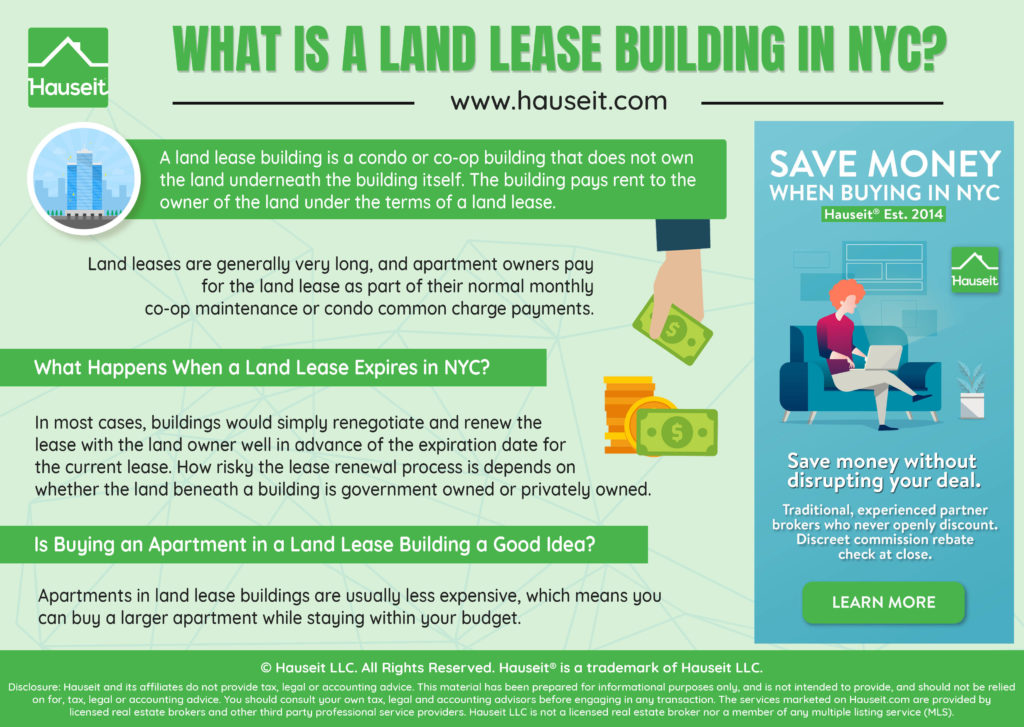
A land lease, also known as a ground lease, is a contractual agreement where the lessee pays rent to the lessor for the use of the land over a specified period. The distinguishing feature is that the lessee typically constructs and owns improvements (buildings, infrastructure) on the leased land. This arrangement is a common financial instrument in real estate, offering distinct advantages and disadvantages depending on the perspective of the parties involved.
Types of Land Leases
Land leases are not monolithic; they manifest in various forms, each with unique financial and legal structures:
- Residential Ground Leases: In certain markets, homeowners might own their house but lease the land beneath it. This model is common in places like Hawaii or parts of Maryland and can offer a more affordable entry into homeownership, as the land purchase cost is avoided. However, the lease terms heavily influence the long-term financial viability and resale value of the home.
- Commercial Ground Leases: Businesses frequently utilize ground leases for commercial developments such as shopping centers, office buildings, or industrial parks. This allows developers to conserve capital that would otherwise be spent on land acquisition, freeing it up for construction and operational expenses. The long-term nature of these leases (often 50 to 99 years) is essential for amortizing significant building investments.
- Agricultural Leases: Farmers lease land for cultivation, with terms often tied to harvest cycles or longer periods for specific crop rotations.
- Subordinated vs. Unsubordinated Leases: This distinction is critical for financing. In a subordinated ground lease, the land owner agrees to place their interest behind the lessee’s mortgage for the improvements. This makes it easier for the lessee to obtain financing but increases the lessor’s risk. In an unsubordinated lease, the land owner’s interest remains superior, making financing for the lessee potentially more challenging or expensive.
Key Terms and Considerations
Several clauses within a land lease agreement hold significant financial sway, particularly as the expiration date looms:
- Lease Term: The duration of the lease is paramount. Long-term leases (50+ years) provide stability and allow for amortization of substantial investments, but their eventual expiry can still trigger significant events.
- Rent Escalation Clauses: These dictate how lease payments will change over time, often tied to inflation (CPI), fixed percentages, or periodic market rate adjustments. Understanding these clauses is vital for financial forecasting.
- Renewal Options: Some leases explicitly grant the lessee the right to renew, often with pre-determined terms or a framework for negotiation. The absence or ambiguity of such a clause can create considerable uncertainty.
- Improvements and Reversion Clauses: Perhaps the most financially impactful terms, these clauses define ownership of the structures built by the lessee, both during the lease term and, crucially, upon its expiration. Many ground leases stipulate that all improvements revert to the lessor at the end of the term, often without compensation to the lessee.
- Transferability: The ability for the lessee to sell or assign their leasehold interest and the associated improvements is important for liquidity and exit strategies.
Navigating Expiration: Options for Lessees
For the lessee, the approaching expiry of a land lease demands proactive financial strategy and careful negotiation. The options available largely depend on the original lease terms and the current market conditions.
Renewal Negotiations
One common path is to negotiate a renewal of the lease. This process often begins several years before the actual expiration to provide ample time for discussions. Key financial considerations include:
- New Lease Rate: The lessor will likely seek to adjust the rent to reflect current market values for the land, which could be significantly higher than the original terms, especially for long-term leases signed decades ago. Lessees must conduct thorough financial analysis to determine if the proposed new rent is sustainable and competitive.
- New Lease Terms: Beyond rent, other terms like the new lease duration, rent escalation mechanisms, and even the reversion clauses may be subject to renegotiation. Lessees must carefully evaluate these changes for their long-term financial implications.
- Market Dynamics: The demand for the land, general economic conditions, and the value of existing improvements will all influence the bargaining power of both parties.
Purchasing the Land
For many lessees, outright purchasing the land represents the most desirable outcome, transitioning from a leasehold to a freehold interest. This eliminates ongoing lease payments and the uncertainties of future renewals.
- Negotiation of Purchase Price: The price will be based on the land’s current market value, often influenced by its location, zoning, and potential for redevelopment. The presence of existing improvements, particularly if they are valuable and desirable, can complicate valuation and negotiation.
- Financing Considerations: Securing financing for the land purchase will be a major financial hurdle, requiring a mortgage or other capital sources.
- Due Diligence: A thorough review of the land’s title, environmental reports, and any encumbrances is essential before committing to a purchase.
Relocation or Sale of Improvements
If renewing the lease or purchasing the land is not viable or desired, the lessee might explore options for their improvements.
- Sale of Leasehold Interest: The lessee may attempt to sell their leasehold interest, which includes the right to use the land until expiration and ownership of the improvements. However, as the lease term shortens, the value of this leasehold interest typically diminishes significantly, especially if the reversion clause means the buildings will revert to the lessor for free. Buyers will factor in the remaining lease term and the need to negotiate a new lease with the lessor.
- Relocation or Demolition: In rare cases, if the improvements are movable (e.g., modular buildings) or if the lease permits and it’s financially feasible, the lessee might dismantle and relocate them. More commonly, if structures have little salvage value and reversion is imminent, demolition might be necessary to clear the site as per lease terms. Both options incur significant costs.
Reversion to Lessor
This is often the most financially detrimental outcome for a lessee. As stipulated in many ground lease agreements, when the lease expires, all improvements built on the land by the lessee revert to the lessor.
- Complete Loss of Asset: For the lessee, this means losing ownership of the buildings they invested in, often without any compensation. This constitutes a complete write-off of the asset’s remaining book value.
- Financial Planning Failure: The possibility of reversion underscores the critical importance of understanding lease terms from the outset and amortizing the cost of improvements over the lease term, rather than assuming indefinite ownership.
- Impact on Business Continuity: For a business, reversion can mean the loss of their operational base and significant disruption.
Implications for Lessors
For the land owner (lessor), the expiration of a land lease presents significant financial opportunities and strategic decisions regarding their asset.
Reclaiming the Asset
Upon lease expiration, the lessor regains full control and possession of their land. Critically, if the lease includes a reversion clause, they also acquire ownership of any existing improvements, often at no cost.
- Asset Valuation: The lessor must assess the value of the acquired improvements. Are they in good condition? Do they align with the highest and best use of the land? This can represent a significant windfall.
- Strategic Control: The lessor gains complete flexibility to decide the future use of their property, unencumbered by a long-term lease agreement.
Renegotiation and New Terms
If the lessee seeks to renew, the lessor is in a strong position to renegotiate lease terms, particularly the rent.
- Maximizing Income Stream: Lessors can leverage current market rates and demand for the land to command a significantly higher lease payment, thereby enhancing their recurring income stream.
- Modernizing Lease Agreements: Expiration provides an opportunity to update outdated lease agreements with more favorable clauses for the lessor, incorporating new legal standards, environmental considerations, and more robust rent escalation mechanisms.
Redevelopment Opportunities
The expiration of a land lease often unlocks significant redevelopment potential for the lessor, especially if the existing improvements are old, inefficient, or no longer represent the highest and best use of the prime land.
- Higher and Better Use: The lessor can analyze the market to determine if the land could generate greater returns through a different type of development (e.g., converting an older commercial building to high-rise residential).
- Capital Investment: Redevelopment typically requires substantial capital investment, and the lessor must conduct thorough feasibility studies, market analysis, and secure financing. This can be a strategic move to significantly increase the overall value and income-generating potential of the property.
Financial Considerations and Planning
Both lessees and lessors must engage in sophisticated financial planning as a land lease approaches its expiration. The stakes are high, impacting asset valuations, tax obligations, and future cash flows.
Valuing Improvements and Land
The valuation process during lease expiration is inherently complex.
- Separate Appraisals: It often requires separate appraisals for the land and the improvements, especially if the lessee seeks to sell their leasehold interest or purchase the land.
- Impact of Lease Term on Value: For the lessee, the value of their improvements (and the associated leasehold interest) depreciates rapidly as the lease term dwindles, particularly if a reversion clause is in effect. Potential buyers will heavily discount the price to account for the limited time of ownership and the future need to negotiate a new lease or face reversion.
- Highest and Best Use: For the lessor, the land’s value will be assessed based on its highest and best potential use, which might be different from its current use under the expiring lease.
Tax Implications
The financial outcomes of lease expiration trigger various tax considerations:
- Capital Gains Tax: If the lessee sells their leasehold interest or the lessor sells the now-unencumbered land, capital gains tax may apply.
- Income Tax: Lease payments received by the lessor are typically treated as taxable income.
- Property Taxes: The lease agreement usually specifies who is responsible for property taxes during the lease term. Post-expiration, the lessor assumes full responsibility for taxes on the land and any reverted improvements.
- Depreciation: Lessees can often depreciate the value of their improvements over the lease term. Upon reversion, any remaining undepreciated basis might be treated as a loss.
Legal and Professional Guidance
Given the financial complexities and potential for significant capital at stake, engaging specialized professionals is not merely advisable but often essential.
- Real Estate Attorneys: Critical for interpreting existing lease agreements, drafting new terms, and navigating negotiations or potential disputes. They ensure compliance and protect the financial interests of their clients.
- Financial Advisors/Accountants: Crucial for evaluating the financial viability of renewal options, assessing purchase prices, structuring deals, and understanding the tax implications of various outcomes.
- Certified Appraisers: Provide independent, expert valuations of both the land and improvements, which are vital for fair negotiations and informed decision-making.
Mitigating Risks and Maximizing Value
Effective management of a land lease expiration requires foresight, strategic planning, and continuous communication to mitigate risks and capitalize on financial opportunities.
Due Diligence from the Outset
The most effective risk mitigation occurs at the very beginning of a land lease.
- For Lessees: Thoroughly understanding all lease clauses, especially those pertaining to renewal, rent escalations, improvements, and reversion, before signing. Financial modeling of future lease costs and the potential impact of reversion on asset value is crucial. Recognizing that an asset built on leased land has a finite ownership period can dramatically alter initial investment decisions.
- For Lessors: Drafting clear, unambiguous lease agreements that protect future flexibility and value, while also ensuring market-competitive terms for initial and renewed leases.
Proactive Communication
Avoiding last-minute panic or disputes requires open and early dialogue.
- Early Engagement: Both parties should initiate discussions regarding the lease’s future several years before its expiration (e.g., 5-10 years for long-term leases). This provides ample time for negotiation, financial planning, and exploring all options without undue pressure.
- Scenario Planning: Lessees should develop financial projections for various scenarios: renewal at different rates, land purchase, or the eventual reversion. Lessors should similarly plan for renegotiation, redevelopment, or reclaiming the land and improvements.

Exit Strategy Planning
For lessees, having a clear exit strategy is paramount. This should be considered throughout the lease term, especially when making significant investments in improvements.
- Investment Horizon: Investments in buildings should align with the remaining lease term, ensuring that the financial returns from these investments can be realized before the lease expires or before the value of the leasehold interest significantly diminishes.
- Contingency Plans: What will happen if renewal negotiations fail? What if the lessor demands an exorbitant price for the land? Having alternative plans for operations or the disposition of assets is a vital financial safeguard.
The expiration of a land lease is a complex financial event demanding meticulous attention to contractual details, market dynamics, and future financial planning. By understanding the intricacies involved and engaging in strategic foresight, both lessors and lessees can navigate this transition effectively, protecting their investments and maximizing their financial outcomes.
aViewFromTheCave is a participant in the Amazon Services LLC Associates Program, an affiliate advertising program designed to provide a means for sites to earn advertising fees by advertising and linking to Amazon.com. Amazon, the Amazon logo, AmazonSupply, and the AmazonSupply logo are trademarks of Amazon.com, Inc. or its affiliates. As an Amazon Associate we earn affiliate commissions from qualifying purchases.