
The handling of an unclaimed deceased individual is a complex issue fraught with ethical considerations, but at its core lies a significant and often unacknowledged financial burden that falls upon various public and private entities. Far from a simple administrative task, the process involves a chain of custody, a series of investigative steps, and ultimately, a disposition, each carrying an associated cost that must be absorbed, often by the taxpayer. Understanding the financial lifecycle of an unclaimed body provides critical insight into the strains on public services, the intricacies of public finance, and the often-overlooked necessity of end-of-life financial planning.

The Initial Financial Strain: Hospital and Medical Examiner Costs
When an individual dies in a hospital, nursing home, or under circumstances requiring medical-legal investigation, and no next of kin or responsible party is immediately identifiable or willing to claim the body, the initial financial liabilities begin to accrue. Hospitals and medical examiners’ offices are the first responders to this fiscal challenge.
Storage and Preservation Expenses
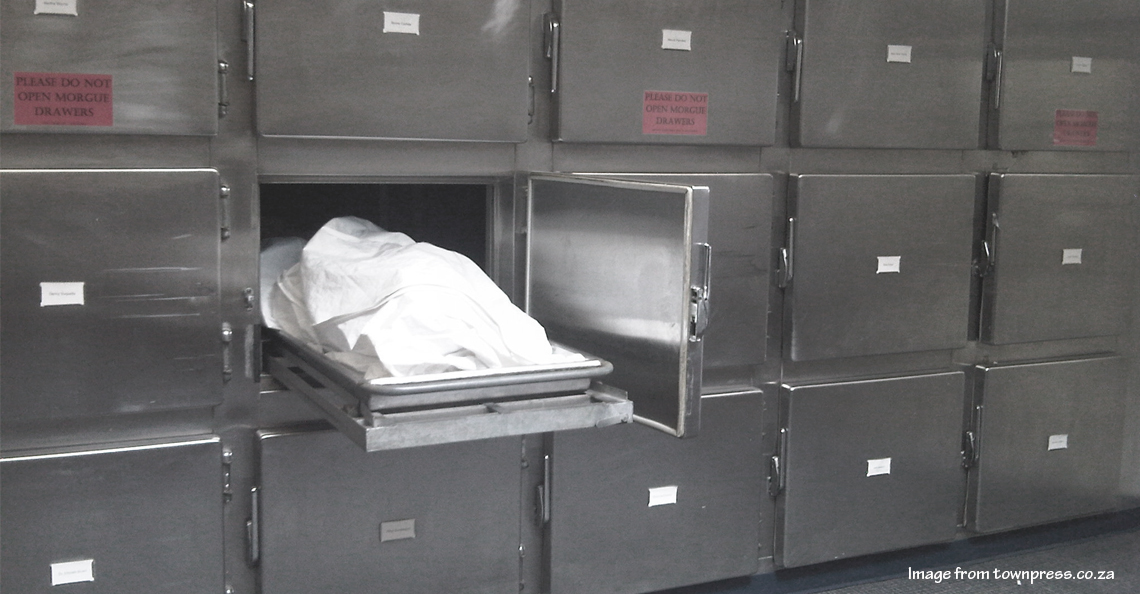
Upon death, a body requires immediate and proper storage to prevent decomposition and maintain dignity. Hospitals typically have morgue facilities, but these are designed for temporary holding. An unclaimed body can remain in hospital morgues for days or even weeks while identification efforts are underway, incurring direct costs related to refrigeration, facility maintenance, and staffing. These are operational overheads that, while part of general hospital budgets, become specific, unrecoverable expenses when associated with an unclaimed decedent. For a medical examiner or coroner’s office, the situation is similar. They are legally mandated to investigate certain deaths, and part of this involves maintaining bodies in their custody. The longer a body remains unclaimed, the greater the utility costs, specialized equipment maintenance, and personnel hours are expended. These costs are often absorbed within existing public health or law enforcement budgets, diverting funds that could otherwise be used for other critical services.
Investigative and Identification Costs
Before a body can be deemed truly “unclaimed,” diligent efforts must be made to identify the deceased and locate next of kin. This investigative phase is resource-intensive and expensive. It involves:
- Forensic Pathology: Autopsies and external examinations performed by medical examiners to determine cause and manner of death, even if basic, carry professional fees and laboratory costs.
- Fingerprinting and Dental Records: Collaboration with law enforcement agencies to use biometric data for identification comes with administrative costs and database access fees.
- DNA Analysis: In cases where other identification methods fail, DNA analysis may be required, which is a highly specialized and costly procedure. A single DNA profile can cost hundreds or even thousands of dollars, placing a significant demand on forensic budgets.
- Genealogical Research: Some jurisdictions employ or contract with professional genealogists to trace family trees and locate relatives, an expense that can quickly accumulate, especially for individuals with complex histories or limited initial identifying information.
- Administrative Overhead: Staff time spent on phone calls, database searches, legal notifications, and paperwork related to identifying the deceased and notifying potential next of kin represents a substantial hidden cost. Each hour spent on an unclaimed case is an hour not spent on other pressing public safety or health matters.
These initial financial outlays are typically covered by municipal or county budgets, drawing directly from taxpayer dollars allocated for public health and safety services.
The Evolving Economic Responsibility: From Local to State Governments
When all efforts to locate next of kin fail, or if identified relatives are unwilling or unable to take responsibility for the disposition, the financial burden shifts and often solidifies into a public responsibility. This is where state and local government agencies step in, often mandated by law to provide a respectful final disposition.
Public Administrator Roles and Costs
In many jurisdictions, a “Public Administrator” or similar office is designated to handle the affairs of deceased individuals who have no known next of kin or estate to manage their final arrangements. This office effectively becomes the legal and financial representative of the decedent. Their responsibilities include:
- Estate Investigation: Public administrators must investigate if the deceased possessed any assets, bank accounts, real estate, or other forms of wealth that could cover funeral expenses. This process can involve legal fees, property appraisals, and extensive record searches.
- Asset Management and Liquidation: If assets are found, the Public Administrator is responsible for managing them, liquidating necessary portions to pay for disposition, and ensuring any remaining funds are properly distributed or escheated to the state.
- Funeral Arrangements: They coordinate directly with funeral homes for cremation or burial services. Even when a simple disposition is chosen, basic services (transportation, basic cremation, or simple burial plot) still incur significant costs. Funeral homes, while often offering discounted rates for indigent or unclaimed cases, are still businesses with operational expenses they must cover.
The administrative costs of the Public Administrator’s office itself, including salaries, legal counsel, and operational expenses, are a direct charge against public funds, particularly when the decedent leaves no recoverable estate.
Indigent Burial Programs and Their Budgets
For individuals who die without an estate sufficient to cover their final expenses, or whose bodies remain unclaimed, the responsibility for disposition often falls to specific indigent burial or public assistance programs. These programs are typically funded through county or state budgets.
- Budgetary Allocations: Governments allocate specific budgets for these programs, which cover basic cremation or burial services. The choice between cremation and burial often comes down to cost-efficiency, with cremation generally being the less expensive option. However, even a “simple” cremation involves costs for the cremation itself, a basic container, and the disposition of ashes. A burial requires a plot, opening and closing fees, and a basic casket, all of which are significantly more expensive.
- Rising Costs: The costs associated with even basic funeral services have steadily risen over the years, putting increasing pressure on these governmental budgets. As populations age and economic disparities grow, the number of unclaimed and indigent deaths can increase, further straining these limited public funds.
- Impact on Other Services: Every dollar spent on an unclaimed or indigent burial is a dollar that cannot be used for education, infrastructure, healthcare, or other essential public services. This creates a challenging fiscal dilemma for local and state authorities, balancing the need for dignified disposition with broader budgetary constraints.
Long-Term Financial Implications: Unclaimed Estates and Asset Recovery

While the immediate focus is on the costs of identification and disposition, the financial implications of unclaimed bodies can extend further, particularly concerning unclaimed estates.
Escheatment Laws and State Coffers
If an unclaimed individual is found to have assets but no identifiable heirs, those assets may ultimately “escheat” to the state. Escheatment is the legal process by which unclaimed property, including bank accounts, real estate, or other financial assets, reverts to the state government when the owner dies intestate (without a will) and without legal heirs.
- Revenue Source vs. Cost Offset: For states, escheatment can sometimes be a revenue source, offsetting some of the costs incurred in handling unclaimed bodies. However, the process of identifying, securing, and liquidating escheated property is often complex and resource-intensive, involving legal fees, administrative costs, and sometimes property maintenance expenses.
- Time and Effort: It can take years for an estate to fully escheat, meaning the initial costs of handling the body are rarely immediately offset by potential future revenue. Moreover, a significant portion of unclaimed bodies belong to individuals with minimal or no assets, negating any potential for recovery through escheatment.
Ethical Considerations vs. Fiscal Realities
The pursuit of assets from an unclaimed decedent often brings ethical considerations into direct conflict with fiscal realities. Governments are tasked with providing dignified services while also being fiscally responsible to their taxpayers. The cost of extensive genealogical searches or asset recovery efforts must be weighed against the likelihood of success and the potential return on investment. Sometimes, the administrative and legal costs to recover a small estate outweigh the value of the assets themselves, leading to difficult decisions about how much public money to invest in the search. This balance is a constant challenge for public administrators and budget planners.
The Ripple Effect: Costs for Communities and Public Health
Beyond direct expenses, the phenomenon of unclaimed bodies has a broader ripple effect on community resources and public health infrastructure, representing indirect financial costs.
Strain on Public Services
The resources diverted to managing unclaimed bodies — from police time in initial investigations to social services involved in searching for family, and public health departments overseeing disposition — are resources taken away from other essential services. This strain is particularly felt in smaller communities or those with higher rates of poverty and homelessness, where unclaimed deaths may be more frequent and local budgets already stretched thin. Emergency services, overburdened by other demands, find additional stress when responding to and processing scenes involving deceased individuals without immediate identification or familial contact.
Budgetary Allocations and Trade-offs
Public budgets are finite. When unexpected costs arise, such as an increase in unclaimed deaths, funds must be reallocated. This often means cuts or underfunding in other areas, such as preventative health initiatives, mental health services, or elder care programs. The decision-making process for these budgetary trade-offs is complex, involving public policy makers who must weigh the dignity of the deceased against the pressing needs of living citizens. It highlights the interconnectedness of public finance across seemingly disparate sectors.
Future Financial Planning and Prevention
Addressing the financial burdens associated with unclaimed dead bodies requires a multi-faceted approach, including proactive measures related to end-of-life financial planning and public awareness.
The Cost of Proactive Measures
Investing in public health initiatives that encourage comprehensive end-of-life planning can significantly reduce the incidence and financial strain of unclaimed bodies. This includes:
- Public Awareness Campaigns: Educating the public about the importance of designating next of kin, creating wills, and making funeral pre-arrangements.
- Access to Legal Services: Providing accessible and affordable legal resources for estate planning, particularly for vulnerable populations.
- Digital Estate Planning: Promoting the documentation of digital assets and contacts, which can be crucial for identification and notifying loved ones.
While these initiatives require initial investment, the long-term cost savings in reduced investigative work, prolonged storage, and public disposition expenses can be substantial.
Encouraging End-of-Life Financial Preparedness
From an individual finance perspective, ensuring that one’s affairs are in order is not merely an act of kindness to loved ones but a critical step in preventing an economic burden on the state. Financial tools such as pre-paid funeral arrangements, life insurance policies, or even a simple savings account designated for final expenses can ensure a dignified and privately funded disposition. For financial advisors and planners, discussing these often-uncomfortable topics with clients is not just about wealth transfer, but also about securing peace of mind and preventing an unforeseen public financial liability. The unclaimed dead body, in its silent way, serves as a stark reminder of the broader financial ecosystem that underpins life’s final transitions.
aViewFromTheCave is a participant in the Amazon Services LLC Associates Program, an affiliate advertising program designed to provide a means for sites to earn advertising fees by advertising and linking to Amazon.com. Amazon, the Amazon logo, AmazonSupply, and the AmazonSupply logo are trademarks of Amazon.com, Inc. or its affiliates. As an Amazon Associate we earn affiliate commissions from qualifying purchases.