
The landscape of functional foods and nutritional supplements is a fiercely competitive arena, constantly shaped by evolving consumer preferences, scientific understanding, and innovative product development. Within this dynamic environment, some brands rise to prominence, establish a loyal following, and then, for various reasons, appear to recede from the spotlight. Zone Perfect bars, once a ubiquitous presence in health-conscious households and gym bags, represent a compelling case study in brand evolution, adaptation, and the challenges of sustaining market leadership. Tracing their journey reveals significant shifts in branding strategy, product positioning, and consumer engagement that ultimately define their current standing.

The Dawn of a Nutritional Powerhouse
Zone Perfect bars emerged as a leading player in the late 1990s and early 2000s, capitalizing on a burgeoning interest in controlled macronutrient intake and the concept of “eating in the Zone.” Developed by Barry Sears, Ph.D., the “Zone Diet” advocated for a specific ratio of carbohydrates, protein, and fat (40-30-30, respectively) to optimize hormonal balance, manage weight, and enhance performance. Zone Perfect bars were initially branded as the convenient, on-the-go embodiment of this dietary philosophy, offering a precisely formulated snack designed to keep blood sugar stable and energy levels consistent.
A Pioneer in Performance Nutrition
At its inception, Zone Perfect held a distinct advantage by aligning itself with a popular, scientifically-backed dietary program. This association provided immediate credibility and a clear target audience: individuals committed to the Zone Diet, athletes seeking sustained energy, and health-conscious consumers looking for nutritionally balanced snacks. The brand’s early marketing emphasized scientific formulation, balanced nutrition, and the promise of sustained energy and satiety. This wasn’t just another granola bar; it was a carefully engineered dietary tool.
The Original Brand Promise
The brand’s initial promise was powerful: simplify complex nutrition science into an accessible, delicious bar. Packaging often highlighted the 40-30-30 macronutrient ratio prominently, reinforcing its scientific underpinning. Flavors were indulgent yet positioned as healthy, bridging the gap between desire and discipline. This strong brand identity and clear value proposition allowed Zone Perfect to carve out a significant niche, distinguishing itself from both traditional snack bars and more basic protein bars. They were premium, purpose-driven, and positioned for optimal body performance.
Shifting Sands: Consumer Trends and Competitive Pressures
The early success of Zone Perfect was predicated on a specific understanding of nutrition that, while still relevant in some circles, evolved considerably over the subsequent decades. Consumer demands for health and wellness became more nuanced, fragmented, and sophisticated, presenting new challenges for established brands like Zone Perfect.
The Evolution of Wellness Demands
The early 2000s saw a strong emphasis on low-fat and, subsequently, low-carb diets. As the understanding of nutrition advanced, so did consumer preferences. The “clean label” movement gained momentum, prioritizing ingredients that were recognizable, minimally processed, and free from artificial additives. There was a surge in demand for non-GMO, organic, gluten-free, and plant-based options. New dietary trends like ketogenic, paleo, and intermittent fasting also emerged, each with its own specific macronutrient requirements and ingredient preferences, often diverging from the strict 40-30-30 Zone ratio.
Zone Perfect, with its initial formulation and branding, faced the difficult task of adapting to these diverse and sometimes contradictory demands. Reformulating products to meet “clean label” standards while maintaining taste and texture proved challenging. Introducing new lines for plant-based or ketogenic consumers required significant R&D and a potential dilution of the core “Zone” identity. The brand had to decide whether to stick to its foundational principles or pivot to embrace broader, more contemporary wellness trends.
A Crowded Category and Differentiated Offers
As the functional food market exploded, Zone Perfect encountered an ever-increasing number of competitors. These newcomers often specialized in particular niches, offering highly tailored solutions for specific dietary needs or preferences. From high-protein, low-sugar bars for fitness enthusiasts to whole-food-based bars for clean eaters, the market became saturated with brands vying for consumer attention. Many new entrants leveraged sleek, modern branding, emphasizing transparency and natural ingredients, which sometimes made established brands like Zone Perfect appear less contemporary.
Competing on price, ingredient profile, and brand story became more challenging. While Zone Perfect maintained a reputation for quality and efficacy, its original branding around a specific dietary protocol might have felt prescriptive or less adaptable to consumers exploring a wider array of dietary approaches. The sheer volume of choice meant that consumers no longer defaulted to the most established name but actively sought brands that directly aligned with their current dietary philosophy and values.
Marketing, Messaging, and Market Penetration
Effective brand communication and robust market penetration are crucial for longevity. As consumer attention became more fragmented across digital and traditional channels, Zone Perfect faced the challenge of maintaining relevance and visibility amidst a sea of new brands and evolving marketing tactics.
The Challenge of Staying Relevant
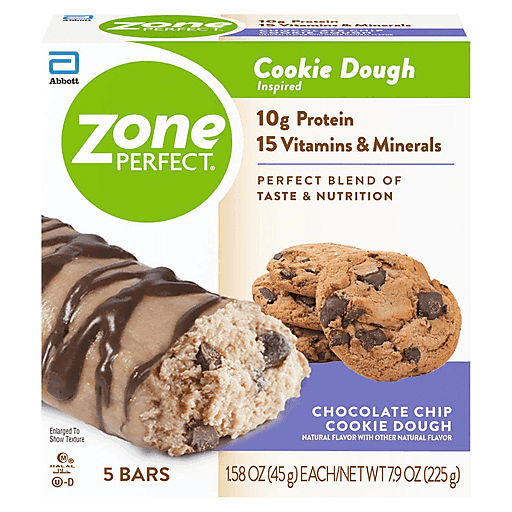
Zone Perfect’s early marketing relied heavily on its association with the Zone Diet and its scientific credentials. However, as the dietary landscape diversified, this singular focus became less universally appealing. Younger consumers, in particular, often gravitate towards brands that tell a compelling story, emphasize sustainability, or connect with aspirational lifestyle elements beyond just macronutrient ratios. The brand’s messaging needed to evolve to resonate with a broader, more trend-aware audience without alienating its loyal base.
Adapting digital marketing strategies, engaging with influencers, and creating content that spoke to a modern wellness ethos became imperative. The brand’s ability to refresh its visual identity, packaging design, and advertising campaigns to reflect contemporary aesthetics and values played a significant role in how it was perceived against more agile, digitally native competitors. Did its messaging feel dated, or could it convey a timeless commitment to balanced nutrition in a fresh way?
Retail Shelf Space and Brand Visibility
Beyond messaging, securing and maintaining prime retail shelf space is a constant battle in the CPG industry. Supermarkets, health food stores, and convenience stores continually optimize their offerings based on sales data, emerging trends, and supplier relationships. As new brands entered the market with aggressive pricing, innovative flavors, and eye-catching packaging, Zone Perfect had to work harder to justify its presence.
Its distribution remained strong, often found alongside other nutritional bars. However, increased competition meant less dominant shelf presence and the risk of being overshadowed by newer, more heavily promoted alternatives. The rise of direct-to-consumer models and specialized online retailers also meant that brands could bypass traditional retail gatekeepers, making it harder for established brands without a robust e-commerce strategy to capture mindshare.
Corporate Ownership and Brand Stewardship
The trajectory of many brands is profoundly influenced by their corporate parent. Zone Perfect has been part of the Abbott Laboratories portfolio, a global healthcare company known for its diverse range of nutritional products, medical devices, and pharmaceuticals. This ownership brings significant resources but also strategic implications.
The Parent Company’s Influence
Abbott’s acquisition of Zone Perfect provided the brand with substantial R&D capabilities, manufacturing infrastructure, and vast distribution networks. This stability allowed the brand to scale and maintain a broad market presence. However, being part of a larger corporate entity also means that brand strategies are often aligned with broader corporate objectives, which may include portfolio rationalization, cost efficiencies, or a focus on particular growth segments within the larger nutrition division (e.g., medical nutrition, pediatric formulas).
Decisions regarding product innovation, marketing spend, and market positioning are made within a larger corporate context. This can lead to a more conservative approach to radical rebranding or a slower response to rapidly shifting market trends compared to independent, agile startups. Abbott’s other successful nutritional brands, such as Ensure and Pedialyte, have distinct markets, and Zone Perfect’s position within this diverse portfolio likely shaped its strategic direction.
Reformulation and Brand Consistency
Over the years, Zone Perfect has undertaken reformulations, often to address consumer concerns about ingredients, sugar content, or to comply with evolving dietary guidelines. While necessary for continued relevance, reformulations can be a double-edged sword for a brand. They can alienate long-time customers accustomed to the original taste and texture, and if not communicated effectively, can lead to perceptions of inconsistency. Maintaining the brand’s core identity and promise through these changes is a delicate balancing act.
Some reformulations, for instance, saw the introduction of higher protein versions or ingredients aligning with the “cleaner” label trend. While aiming to modernize, these changes sometimes subtly shifted the brand’s original character. The challenge was to innovate while retaining the essence of what made Zone Perfect beloved by its initial consumers.
The Enduring Legacy and Future Outlook
While Zone Perfect bars may not dominate the headlines or hold the same cultural cachet they once did, they have not disappeared. They remain available in many retail outlets, often alongside Abbott’s other nutritional products, reflecting a strategic decision to maintain their presence for a specific segment of the market. Their journey offers valuable lessons for any brand navigating the tumultuous waters of consumer packaged goods.
Key Takeaways for Brand Longevity
The Zone Perfect story underscores several critical lessons for brand longevity:
- Adaptability is Paramount: Brands must continuously monitor and respond to evolving consumer preferences, dietary science, and cultural trends. A static brand, even with a strong initial concept, risks becoming obsolete.
- Strategic Differentiation: In a crowded market, a clear and compelling differentiator is vital. While Zone Perfect initially had this, maintaining it required constant refinement as competitors emerged.
- Consistent Messaging: While adapting, a brand must maintain a consistent core message and identity to avoid confusing consumers or diluting its equity.
- Agility in Innovation: The pace of product innovation in functional foods is rapid. Brands need agile R&D and marketing capabilities to launch new products or reformulate existing ones efficiently.
- Understanding Corporate Impact: For brands within larger corporations, understanding the parent company’s broader strategic goals is crucial, as these can significantly influence brand direction and investment.

A Muted Presence, Not an Absence
Today, Zone Perfect continues to occupy its niche, catering to consumers who appreciate its balanced nutrition profile and convenience. Its presence is perhaps more muted than in its heyday, reflecting a market that has expanded far beyond the “Zone Diet” principles it once championed. The brand has evolved, though perhaps not as dramatically or visibly as some of its more trend-driven counterparts. It serves as a reminder that even established and scientifically backed brands must relentlessly reinvent, listen to their consumers, and strategically position themselves to maintain relevance and secure their place on store shelves and in consumer minds. The legacy of Zone Perfect is not one of complete disappearance, but rather a compelling narrative of navigating significant shifts in the demanding world of health and wellness branding.
aViewFromTheCave is a participant in the Amazon Services LLC Associates Program, an affiliate advertising program designed to provide a means for sites to earn advertising fees by advertising and linking to Amazon.com. Amazon, the Amazon logo, AmazonSupply, and the AmazonSupply logo are trademarks of Amazon.com, Inc. or its affiliates. As an Amazon Associate we earn affiliate commissions from qualifying purchases.