
Gift cards have become a ubiquitous and convenient form of gifting and personal spending, offering a flexible alternative to cash. However, their utility often becomes complex when international borders are crossed. Understanding which gift cards can be used globally is a critical aspect of personal finance, particularly for individuals sending gifts abroad, managing travel expenses, or engaging in international online commerce. The distinctions lie in the type of card, the issuing network, associated fees, and adherence to various financial regulations.
Understanding the Nuances of International Gift Card Use
Navigating the landscape of international gift card usability requires a clear understanding of the underlying financial mechanisms and limitations. Not all gift cards are created equal when it comes to cross-border transactions, and overlooking these differences can lead to frustration and financial loss.

The Core Challenge: Geographic and Currency Restrictions
The primary hurdle for international gift card usage is the inherent geographic and currency restrictions imposed by issuers and retailers. Most traditional store-specific or “closed-loop” gift cards are designed for domestic use only. A gift card for a U.S. retailer, for instance, is typically only valid at that retailer’s locations or online stores within the U.S. and often exclusively for transactions denominated in U.S. dollars. This limitation is tied to inventory systems, tax regulations, and the operational scope of the issuing brand. Attempting to use such a card abroad would likely result in rejection, as the underlying financial infrastructure isn’t set up to process transactions in foreign currencies or reconcile them with international tax and sales frameworks.
Differentiating Between Open-Loop and Closed-Loop Cards
The key to international usability lies in the distinction between open-loop and closed-loop gift cards:
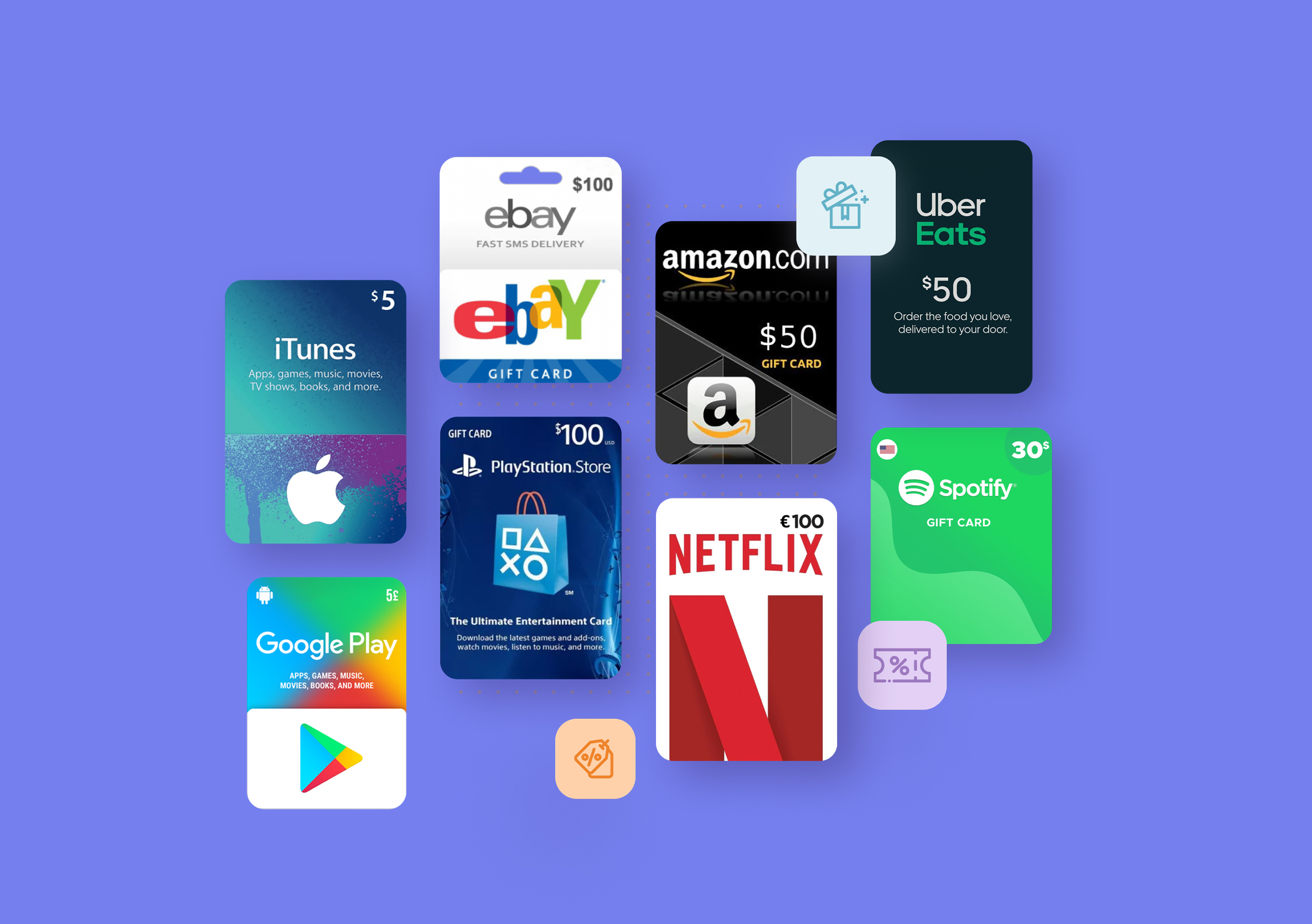
- Closed-Loop Gift Cards: These are specific to a single merchant or a limited group of affiliated merchants. Examples include gift cards for Amazon, Starbucks, or a particular department store. As mentioned, their international utility is severely restricted, if not entirely absent, due to their localized operational design. While some global brands might offer cards usable across different countries (e.g., a global hotel chain), these are exceptions and usually require explicit international functionality.
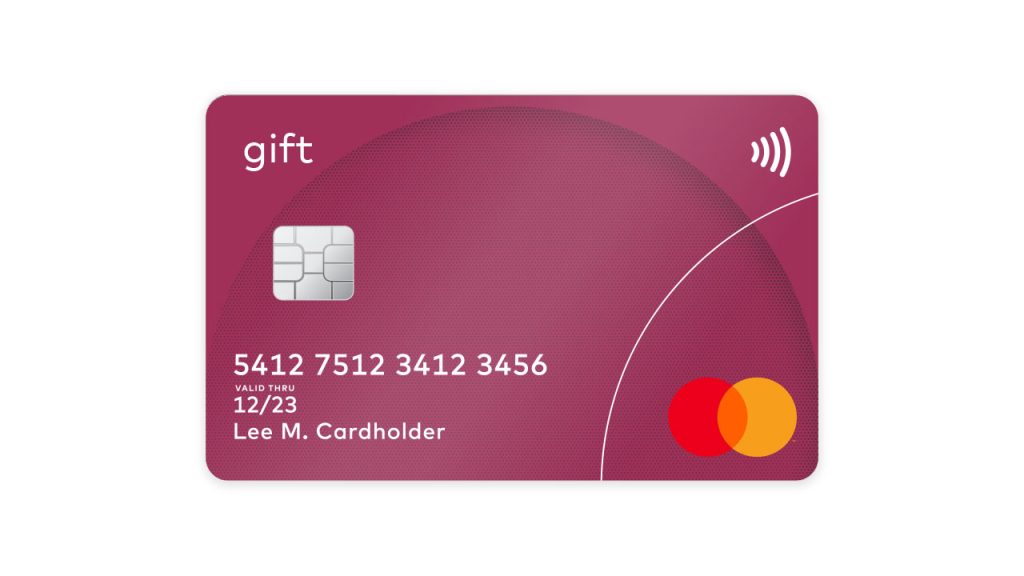
- Open-Loop Gift Cards: These cards are branded by major payment networks such as Visa, MasterCard, and American Express. They function much like a debit or credit card, accepted anywhere the respective network is honored. This broad acceptance is what makes them prime candidates for international use. Because they operate on global payment networks, they are equipped to handle currency conversions and international transaction processing, making them a more versatile financial tool for cross-border applications.
Currency Conversion and Associated Fees
Even with open-loop cards, international use introduces the complexity of currency conversion and associated fees, which are crucial considerations from a personal finance perspective. When a gift card denominated in one currency (e.g., USD) is used to make a purchase in another currency (e.g., EUR), the payment network performs a currency conversion. This conversion typically uses an exchange rate determined by the network, which may not always be the interbank rate and often includes a markup.
Furthermore, most open-loop cards, especially those issued by banks for international use, will levy a foreign transaction fee. This fee, typically ranging from 1% to 3% of the transaction amount, is applied to purchases made outside the issuing country or in a foreign currency. These fees can quickly erode the value of the gift card, making careful budgeting and awareness essential. In addition to foreign transaction fees, some gift cards may also carry activation fees, monthly service fees, or inactivity fees, further impacting their effective value over time. Understanding and factoring in these costs is vital for anyone considering international gift card usage.
Top Contenders for International Gift Card Usability
When seeking gift cards for international use, certain types consistently outperform others due to their inherent design and network capabilities. These options leverage established global financial infrastructure, providing greater flexibility and broader acceptance.
Visa and MasterCard Gift Cards: The Gold Standard
Visa and MasterCard gift cards are arguably the most reliable options for international spending. Their ubiquitous acceptance mirrors that of their debit and credit card counterparts, making them incredibly versatile.
- Why they work: Both Visa and MasterCard operate vast, interconnected global payment networks. When a transaction occurs internationally, their systems are designed to process the payment, perform currency conversion, and settle funds between banks across different countries. This robust infrastructure means that a Visa or MasterCard gift card issued in one country can typically be used wherever Visa or MasterCard are accepted globally, whether at a physical point-of-sale terminal or for online purchases.
- Important considerations: Despite their broad acceptance, there are specific financial considerations.
- Activation: Many open-loop gift cards require activation before use, sometimes involving online registration that links the card to a specific user for security and compliance purposes. This step is particularly crucial for international transactions, as it can help prevent fraud.
- Fees: As discussed, foreign transaction fees are almost a certainty. These are deducted directly from the card’s balance, reducing its purchasing power. Cardholders should also be aware of any potential monthly maintenance fees or inactivity fees that could further deplete the balance if the card is not used promptly.
- Currency Conversion: The exchange rate applied will be determined by the payment network on the day the transaction posts, not necessarily the day of purchase. This introduces a slight element of exchange rate risk, which, while usually minor for gift card amounts, is a financial factor to acknowledge.
- ATM Access: While some Visa/MasterCard prepaid debit cards allow ATM withdrawals (often for a fee), most standard Visa/MasterCard gift cards do not. They are typically intended for point-of-sale and online purchases only. This distinction is important for budgeting and cash flow management abroad.
American Express Gift Cards: A Strong Alternative
American Express gift cards also offer significant international utility, operating on the robust American Express global network. They stand as a strong alternative to Visa and MasterCard, often favored for their premium branding and customer service.
- Similarities and differences with Visa/MC: Like Visa and MasterCard, American Express gift cards benefit from widespread international acceptance, particularly in major urban centers and establishments catering to tourists and business travelers. They also handle currency conversions and may incur foreign transaction fees. A key difference can sometimes be in the breadth of acceptance; while Amex is widely accepted, Visa and MasterCard generally boast an even larger network of merchants globally, particularly in smaller businesses or less tourist-heavy regions. However, for a recipient who frequently uses American Express, these gift cards offer a familiar and reliable payment method. Users should again verify activation requirements and fee structures specific to their Amex gift card product.
Digital Wallets and Virtual Cards: Modern Solutions
The rise of digital finance has introduced new ways to manage and utilize gift funds internationally. While not strictly “gift cards” in the traditional sense, these digital solutions offer similar gifting and spending functionality with enhanced international flexibility.
- Prepaid Digital Cards/Virtual Cards: Many financial technology (fintech) companies offer virtual prepaid cards that can be loaded with funds and linked to digital wallets like Apple Pay or Google Pay. These virtual cards often operate on Visa or MasterCard networks, inheriting their international acceptance. The advantage here is immediate digital delivery and often more transparent fee structures, sometimes even offering competitive currency exchange rates for specific multi-currency accounts.
- Digital Wallet Gift Funds: Some digital wallets, like PayPal, allow users to send funds directly to another PayPal account, which can then be used for online purchases or transferred to a linked bank account, regardless of country. While this isn’t a “gift card,” it serves the same gifting purpose and offers unparalleled international flexibility, albeit with PayPal’s own conversion fees. Additionally, some digital wallet providers offer their own prepaid cards or branded gift cards that can be loaded and managed within the app, potentially offering better international transaction terms than traditional physical gift cards. These solutions are particularly appealing for recipients who are tech-savvy and already use digital payment platforms.
Navigating Common Pitfalls and Maximizing Value
Effective management of international gift cards goes beyond merely selecting the right type. Prudent financial practices and attention to detail are crucial to maximize their value and avoid common pitfalls.
Always Read the Fine Print: Terms and Conditions
This is perhaps the most critical advice for any financial instrument, and gift cards are no exception. The terms and conditions document, often found on the back of the card or on the issuer’s website, contains vital information regarding:
- Geographic Restrictions: Explicitly states where the card can and cannot be used.
- Fees: Detailed breakdown of activation fees, foreign transaction fees, monthly maintenance fees, and inactivity fees.
- Expiration Dates: When the card’s value will expire.
- Customer Service: Contact information for balance inquiries and dispute resolution, which is particularly important for international transactions.
Ignoring these details can lead to unexpected charges or an inability to use the card as intended.
Activation and Registration Requirements
Many open-loop gift cards, especially those intended for higher values or international use, require activation before they can be used. This usually involves visiting a website or calling a toll-free number. Some may also require registration, where the user provides personal details, potentially linking the card to their name and address. This serves several financial purposes: it helps prevent fraud, complies with “Know Your Customer” (KYC) regulations, and can make it easier to recover funds if the card is lost or stolen. For international use, ensuring the card is properly activated and registered for the recipient’s region (if applicable) is paramount.
Beware of Expiration Dates and Inactivity Fees
Unlike some store credit, gift cards often have expiration dates. While many jurisdictions have laws extending the minimum expiration period (e.g., five years in the U.S. for federal cards), this can vary by card type and issuer. Inactivity fees are another insidious way card value can diminish; these are monthly fees charged if the card hasn’t been used for a specified period (e.g., 6-12 months). From a financial planning perspective, it is always advisable to use gift cards promptly to avoid losing funds to these charges. For international recipients, timely use might require additional planning around their spending habits and local acceptance.
Security Measures for International Transactions
Using any payment instrument internationally carries inherent security risks. For gift cards, these include:
- Fraud: Phishing attempts or skimming devices at ATMs/POS terminals can compromise card details.
- Loss or Theft: Unlike credit cards, gift cards generally lack the same level of consumer protection. If lost or stolen, recovery of funds can be challenging, though some registered cards offer limited protection.
- Online Security: When used for online purchases, ensure the website is secure (HTTPS) and reputable to protect card details.
It’s financially prudent to treat gift cards with the same care as a debit or credit card, keeping the card number and security code confidential and monitoring the balance regularly for unauthorized transactions.
Practical Scenarios and Strategic Considerations
Understanding the mechanics of international gift cards is best applied through practical scenarios, where financial planning and strategic choices can optimize their utility.
Gifting to Relatives Abroad
For sending financial gifts to relatives in another country, open-loop Visa, MasterCard, or American Express gift cards are often considered. However, the sender should carefully weigh the pros and cons against alternative money transfer services. While a gift card offers a tangible gift, the foreign transaction fees and potential unfavorable exchange rates can mean the recipient receives less actual value than if funds were transferred directly via a service optimized for international remittances. For significant amounts, direct bank transfers or specialized money transfer apps might be more cost-effective. For smaller, symbolic gifts, a prepaid international gift card can still be an appealing option.
Travel and Expense Management
Travelers often find open-loop prepaid cards (which are essentially reloadable gift cards) useful for managing expenses abroad. Loading a specific budget onto such a card can help control spending, and if the card is lost or stolen, the maximum exposure is limited to the loaded amount. Some multi-currency travel cards even allow users to load funds in multiple currencies, potentially locking in exchange rates and avoiding foreign transaction fees for those specific currencies, offering a savvy financial tool for frequent travelers.
Online International Shopping
For online shopping from international retailers, open-loop gift cards are generally well-suited. Many international e-commerce sites accept major credit card networks. The convenience here lies in the ability to use a fixed amount without exposing a primary credit card’s details. However, shoppers must still be aware of the currency conversion rates and any foreign transaction fees that will apply to their online purchase. The billing address requirement for online transactions can sometimes be a sticking point; ensure the gift card issuer’s system supports transactions where the billing address might differ from the actual user’s address or is an international one.
Alternatives When Gift Cards Fall Short
While international gift cards offer flexibility, they aren’t always the most efficient or cost-effective solution for cross-border financial transfers. For larger sums, or for recipients who require access to cash, better alternatives exist:
- International Money Transfer Services: Companies like Wise (formerly TransferWise), Remitly, or Xoom (a PayPal service) specialize in sending money across borders with transparent fees and often more favorable exchange rates than traditional banks or gift card conversions.
- Multi-Currency Accounts: For individuals frequently dealing with multiple currencies, opening a multi-currency bank account or using a fintech provider that offers such accounts (like Revolut or Wise Borderless account) can be a superior solution. These accounts allow holding and transacting in various currencies, minimizing conversion fees.
- Direct Bank Transfers: For established relationships and larger sums, a direct bank transfer, though sometimes involving higher fees, remains a secure and reliable method.
Ultimately, the choice of using a gift card internationally should be an informed financial decision, weighing convenience against potential costs and considering the specific needs of the recipient and the nature of the transaction.
aViewFromTheCave is a participant in the Amazon Services LLC Associates Program, an affiliate advertising program designed to provide a means for sites to earn advertising fees by advertising and linking to Amazon.com. Amazon, the Amazon logo, AmazonSupply, and the AmazonSupply logo are trademarks of Amazon.com, Inc. or its affiliates. As an Amazon Associate we earn affiliate commissions from qualifying purchases.