
A rook piercing, nestled in the antihelix fold of the ear’s cartilage, is a distinctive and often sophisticated choice for body adornment. While the initial question of “what gauge” might seem purely technical, for individuals keen on cultivating a deliberate personal brand, the selection of jewelry gauge is a pivotal design decision that profoundly impacts visual identity, aesthetic perception, and overall self-presentation. Understanding the standard gauges and their implications allows for strategic choices that align seamlessly with one’s unique brand narrative.
The Standard Gauge for Rook Piercings and Its Visual Impact
The journey of any piercing begins with fundamental technical specifications, and for a rook piercing, this centers on the jewelry’s gauge. However, even at this foundational level, the choice carries immediate visual weight that contributes to an individual’s brand identity.

Understanding Gauge: A Quick Primer
In the world of body piercing, “gauge” refers to the thickness of the jewelry post or wire. Counterintuitively, the smaller the gauge number, the thicker the jewelry. For instance, a 14-gauge (14g) piece of jewelry is thicker than a 16-gauge (16g) piece. This system is crucial for ensuring proper healing, comfort, and the ability to accommodate a wide range of jewelry styles. The choice of gauge directly influences the visual prominence and the “feel” of a piercing, making it a subtle yet powerful component of personal aesthetic and, by extension, personal branding.
Standard Rook Gauge: The Foundation of Your Look
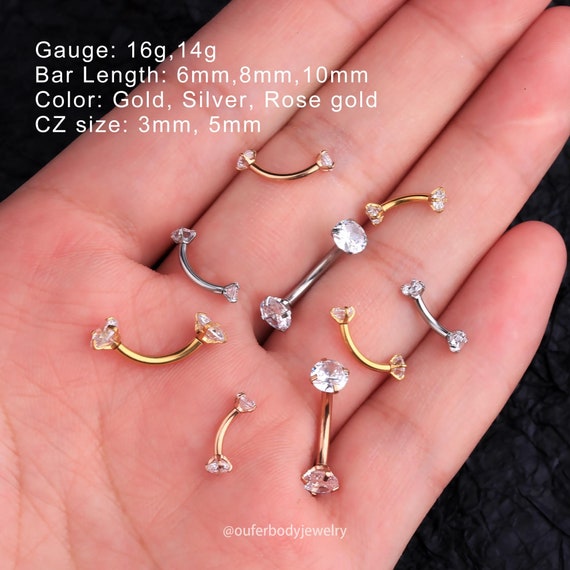
For a rook piercing, the most common and widely recommended starting gauge is 16-gauge (1.2mm). This size strikes an optimal balance: it is thick enough to promote stable healing and minimize the risk of rejection or migration, yet fine enough to offer a delicate and refined aesthetic that many seek with a rook piercing. In some cases, a piercer might opt for a slightly thicker 14-gauge (1.6mm), particularly if the individual’s anatomy lends itself better to it or if a bolder initial statement is desired. However, 16g remains the industry standard for its versatility and healing benefits.
From a branding perspective, selecting the standard 16g for a rook piercing often communicates a sense of classic elegance and understated sophistication. It allows the piercing to integrate seamlessly into a curated ear, providing a subtle focal point without overpowering other elements. This initial choice lays the groundwork for how the piercing contributes to an individual’s overall visual brand – whether that brand emphasizes minimalist chic, intricate detailing, or a blend of both.
Gauge as a Component of Personal Branding and Aesthetic Design
Beyond the technical necessity, the gauge of a rook piercing acts as a critical design element, shaping how the piercing contributes to an individual’s personal brand. Every decision, from the placement to the jewelry, is an opportunity to articulate a visual identity.
Subtlety vs. Statement: How Gauge Influences Perception
The choice between a 16g and a 14g, or even considering smaller gauges post-healing, is a direct dial for the perceived “volume” of your piercing’s visual impact.
- 16-gauge (1.2mm): Opting for 16g generally aligns with a brand identity that values subtlety, elegance, and intricate detail. It allows for delicate jewelry pieces, such as small curved barbells or dainty rings, which can blend harmoniously with other piercings or stand alone as a refined accent. This choice projects an image of thoughtful curation, precision, and an appreciation for understated beauty. It speaks to a personal brand that might be described as classic, sophisticated, or minimalist.
- 14-gauge (1.6mm): While less common as a starting gauge for rooks due to the anatomy and potential healing challenges, a 14g can create a bolder presence. For those whose personal brand leans towards a more striking, edgy, or pronounced aesthetic, a 14g rook could be a deliberate choice. It accommodates chunkier jewelry designs and can make the piercing a more definitive focal point. This communicates a brand identity that embraces strength, unconventional flair, or a more assertive form of self-expression.
Understanding these nuances allows individuals to consciously select a gauge that reinforces their desired perception, whether they aim for a demure elegance or a more prominent declaration of style.
Curating Your Ear Canvas: Gauge in a Holistic Piercing Strategy
Modern personal branding often extends to a holistic approach to body adornment, transforming the ear into a carefully curated canvas. The gauge of a rook piercing plays a vital role in this broader design strategy. When planning a “curated ear” – a collection of multiple piercings designed to complement each other – the gauge of each piercing affects the overall visual balance and flow.
For example, a delicate 16g rook might be chosen to sit alongside a bolder 18g helix and a classic 20g lobe piercing, creating a dynamic interplay of sizes and textures. The consistent consideration of gauge across all piercings ensures that the collective look tells a cohesive story, reflecting a personal brand that is either harmoniously symmetrical, playfully asymmetrical, or elegantly varied. This strategic application of gauge allows individuals to articulate a sophisticated visual narrative, turning individual piercings into a collective statement of personal style and brand identity. It’s about how each piece contributes to the overall “logo” of one’s personal aesthetic.
Beyond the Standard: Customization, Evolution, and Brand Consistency

While 16g is the standard, the journey of a rook piercing and its contribution to personal branding doesn’t end there. Post-healing, there’s scope for customization, and the astute individual recognizes how evolving choices reflect and reinforce a dynamic personal brand.
The Role of Jewelry Design and Material in Branding
The gauge dictates the available jewelry options, and these options are crucial branding tools. Once a rook piercing has fully healed (which can take 6-12 months or longer), individuals often explore a wider array of jewelry.
- Material: From surgical stainless steel to titanium, gold (yellow, white, rose), and platinum, the material itself conveys brand messages. Titanium and surgical steel might suggest practicality and modernism, while gold denotes luxury, tradition, or warmth. The choice of material should align with the overarching tone of one’s personal brand.
- Design: A 16g allows for a vast selection of jewelry, from simple curved barbells to intricate clicker rings, ornate clusters, or even small dangling charms. Each design element, whether it’s the minimalism of a plain titanium ring or the opulence of a diamond-studded piece, contributes to the perceived brand. A minimalist design might reinforce a brand of quiet confidence and efficiency, while an elaborate piece could signify creativity, extravagance, or a bohemian spirit.
By carefully selecting jewelry that fits the chosen gauge and resonates with their personal brand, individuals can continuously refine and express their identity. The jewelry becomes an extension of their narrative, a visual cue to their values, tastes, and aspirations.
Navigating Gauge Changes for Evolving Personal Brands
While stretching a rook piercing to a significantly larger gauge is uncommon due to the delicate nature of the cartilage, minor gauge adjustments can be made with professional guidance. For instance, an individual might start with 16g and, after healing, decide they prefer the look of a very slightly thinner 18g (which offers even more delicate jewelry options) or, conversely, a slightly bolder 14g.
Such a decision isn’t merely aesthetic; it’s a recalibration of one’s visual brand. A shift to a finer gauge might signal a transition towards increased subtlety or refinement, reflecting a personal brand maturing into a more understated elegance. Conversely, moving to a thicker gauge could indicate a desire for a more pronounced presence, perhaps aligning with a brand that has grown bolder or more avant-garde. Any such change should be carefully considered, ensuring it aligns with the evolving narrative of the personal brand and is executed safely by a professional piercer to maintain the integrity of the piercing and, by extension, the visual brand.
Professionalism, Perception, and Your Piercing Brand
The impact of body modifications on professional perception is a key consideration within personal branding. While attitudes are evolving, understanding the societal context of piercings and making strategic choices remains paramount for maintaining a consistent and effective brand across all spheres of life.
Balancing Personal Expression with Professional Contexts
For individuals whose personal brand extends into professional or corporate environments, the visibility and perceived “appropriateness” of a rook piercing can be a factor. A 16g rook, often adorned with subtle, high-quality jewelry (like a small titanium barbell or a simple gold ring), tends to be less conspicuous than larger or more elaborately decorated piercings. This makes it a strategic choice for those who wish to express their individuality without risking a perception clash in more conservative settings.
The choice of gauge, combined with discreet jewelry, can project a brand that is sophisticated, detail-oriented, and capable of nuanced self-expression while respecting professional boundaries. It showcases an individual who understands how to manage their personal aesthetic to be both authentic and situationally appropriate – a valuable branding trait in itself. Conversely, an overtly bold gauge or flashy jewelry, while authentic to some personal brands, might require careful consideration of its impact in specific professional contexts.
Longevity and Care: Protecting Your Piercing Investment and Brand
The long-term health and appearance of a rook piercing are integral to its continued contribution to a personal brand. A well-healed, cared-for piercing with high-quality jewelry speaks volumes about an individual’s attention to detail, self-care, and investment in their personal presentation.
Proper initial gauging (16g being ideal) facilitates better healing, reducing complications that could detract from the piercing’s aesthetic. Consistent aftercare, using appropriate cleaning solutions, and selecting body-safe jewelry materials are not just health imperatives; they are brand maintenance activities. A healthy, vibrant piercing with sparkling, well-maintained jewelry reinforces a brand image of quality, diligence, and pride in one’s appearance. Neglecting care or choosing substandard jewelry, conversely, can lead to issues that undermine the intended brand message, suggesting a lack of attention or care. Thus, the longevity and pristine condition of your rook piercing are as much a part of your personal brand as the initial gauge selection.
Strategic Gauge Selection for a Distinct Personal Brand
Ultimately, the answer to “what gauge is a rook piercing?” extends far beyond a simple measurement. While 16-gauge (1.2mm) is the recommended standard for initial piercing, this seemingly minor technical detail opens a gateway to significant personal branding opportunities. It is the starting point for a thoughtful design process, where gauge choice influences the visual impact, complements a curated aesthetic, and aligns with an individual’s desired self-expression.
By consciously selecting a gauge that resonates with their personal brand identity – whether it signifies subtle elegance, bold individuality, or professional sophistication – individuals transform a piercing from a mere adornment into a powerful statement. The strategic integration of gauge, jewelry design, and ongoing care ensures that a rook piercing not only looks aesthetically pleasing but consistently communicates a coherent and compelling personal brand to the world.
aViewFromTheCave is a participant in the Amazon Services LLC Associates Program, an affiliate advertising program designed to provide a means for sites to earn advertising fees by advertising and linking to Amazon.com. Amazon, the Amazon logo, AmazonSupply, and the AmazonSupply logo are trademarks of Amazon.com, Inc. or its affiliates. As an Amazon Associate we earn affiliate commissions from qualifying purchases.