
For millions, the simple joy of wearing earrings is often overshadowed by discomfort, irritation, and allergic reactions. This significant market segment demands specialized products, creating a distinct challenge and opportunity for jewelry brands. Brands that genuinely understand and cater to sensitive ears are not just selling accessories; they are offering comfort, confidence, and a return to personal expression. The essence of a successful sensitive ear brand lies in its strategic approach to materials, design, marketing, and the cultivation of trust.
Understanding the Sensitive Ear Market: A Brand Perspective
The sensitive ear market is a critical niche driven by physiological realities. An estimated 10-15% of the population, and even higher rates in specific demographics, experience contact dermatitis from jewelry, predominantly due to nickel. Beyond nickel, sensitivities can extend to cobalt, copper, and even some gold alloys. For brands, identifying and deeply understanding this niche is the first step towards building a robust and reputable product line. It’s not merely about offering an alternative; it’s about making a brand promise of comfort and safety. This promise forms the cornerstone of their identity and marketing message within this specialized segment.
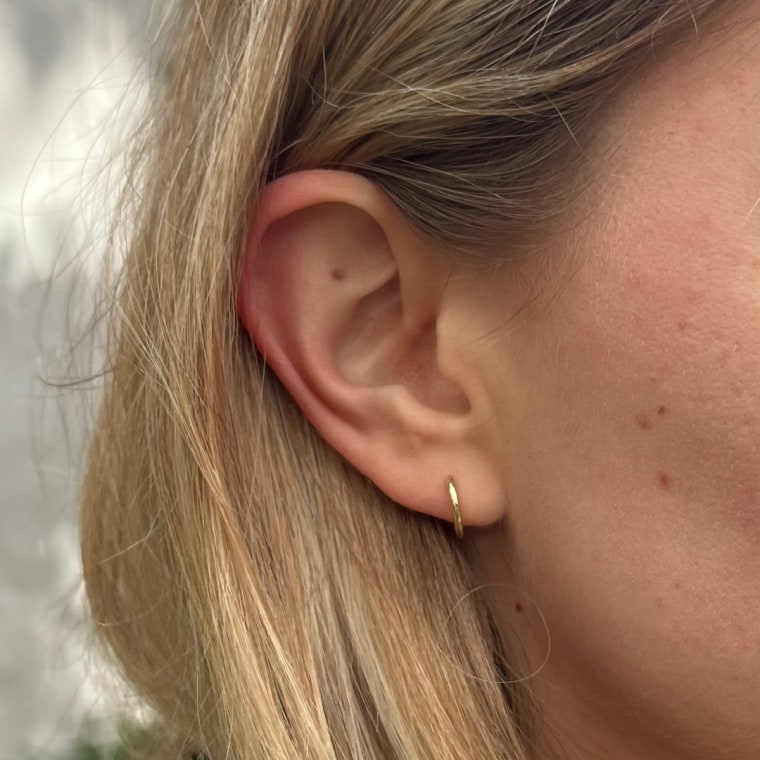
Successful brands in this space invest heavily in consumer research and product development. They go beyond surface-level assumptions to investigate the precise triggers of irritation, the desired aesthetics, and the practical considerations of daily wear. This dedication informs their material selection, design innovations, and quality control processes. By making comfort a core tenet of their brand’s mission, these companies transform a common problem into an opportunity for genuine connection with a loyal customer base. Their branding is built on empathy and a commitment to solving a persistent, often frustrating, personal challenge for their consumers.
The Material Foundation: Branding Hypoallergenic Excellence
The choice of materials is arguably the most critical factor for sensitive ears, and it forms a fundamental pillar of any brand’s hypoallergenic strategy. Brands differentiate themselves by the specific materials they champion and the transparency with which they communicate their composition.
Surgical-Grade Stainless Steel
Many reputable brands position surgical-grade stainless steel (often 316L or 316LVM) as an accessible and reliable option. This material is widely used in medical implants due to its inertness and low nickel release, making it a safe bet for most individuals with sensitivities. Brands marketing surgical steel earrings often highlight its durability, affordability, and medical-grade heritage, making it an entry point for consumers seeking irritation-free options without a premium price tag. The branding emphasizes a blend of practicality and proven safety.
Titanium and Niobium
For those with extreme sensitivities or a preference for lightweight options, titanium (especially implant-grade, like G23 or G5 ASTM F-136) and niobium are premium choices. These metals are celebrated for their unparalleled inertness, meaning they react minimally, if at all, with the body. Brands featuring titanium and niobium often target a higher-end segment or those who have reacted to other “hypoallergenic” options. Their marketing emphasizes the advanced material science, exceptional lightness, and superior bio-compatibility, positioning these metals as the ultimate solution for sensitive ears. The brand narrative often focuses on innovation and uncompromising comfort.
Precious Metals: Gold and Platinum
When it comes to precious metals, purity is paramount, and brands clearly communicate this. For gold, 14k or 18k yellow gold is generally safe, as the higher gold content (and thus lower alloy content, particularly nickel) reduces the risk of reaction. White gold, however, often contains nickel or requires rhodium plating, which can wear off, exposing irritants. Brands offering white gold must transparently state their alloy composition or guarantee rhodium plating thickness and durability. Pure 24k gold is highly inert but too soft for most jewelry. Platinum, being extremely inert and naturally white, is another excellent and luxurious choice for sensitive ears. Brands offering these precious metals emphasize their intrinsic value, timeless elegance, and the meticulous care taken to ensure their hypoallergenic properties, often detailing the specific purity levels and alloy constituents to instill confidence.
Hypoallergenic Coatings and Composites
Some brands innovate with hypoallergenic coatings or advanced composite materials to expand their product range beyond solid metals, especially for fashion jewelry. These solutions involve applying a protective, inert layer over base metals. For such products, brand transparency is crucial. Brands must clearly communicate the nature of the coating, its durability, and the underlying material. Marketing these options requires a strong emphasis on the testing and quality assurance behind the coating, building trust in what might otherwise be perceived as a less reliable solution compared to solid hypoallergenic metals.
Design Innovation and Brand Trust for Comfort
Beyond material selection, the design and manufacturing processes employed by a brand are pivotal in ensuring comfort for sensitive ears. Thoughtful design contributes significantly to a brand’s reputation for quality and care.
Post and Backing Design
Subtle design elements, such as the thickness of earring posts and the security of backings, are critical for sensitive ears. Brands that prioritize comfort often use thicker posts (e.g., 20 gauge or lower) to reduce micro-trauma during insertion and minimize irritation within the piercing channel. Furthermore, secure, high-quality backings (like screw-backs or robust friction backs) are designed to keep the earring stable, preventing excessive movement and rubbing that can exacerbate sensitivity. Brands featuring these design choices often highlight their commitment to comfort and durability, subtly communicating a superior user experience. This attention to detail builds significant brand trust, as it directly addresses common pain points.
Weight and Balance Considerations
Heavy earrings can pull on the earlobe, causing discomfort and potentially stretching the piercing over time, which can increase sensitivity. Brands renowned for sensitive ear jewelry meticulously consider the weight and balance of their designs. They utilize lightweight materials or clever construction to create visually substantial pieces that are comfortable to wear all day. Marketing efforts often highlight these ergonomic considerations, appealing to consumers who prioritize long-term wearability and health of their piercings. The focus on lightweight design becomes a unique selling proposition, reinforcing the brand’s understanding of sensitive ear needs.
“Nickel-Free” vs. “Hypoallergenic”: Brand Messaging
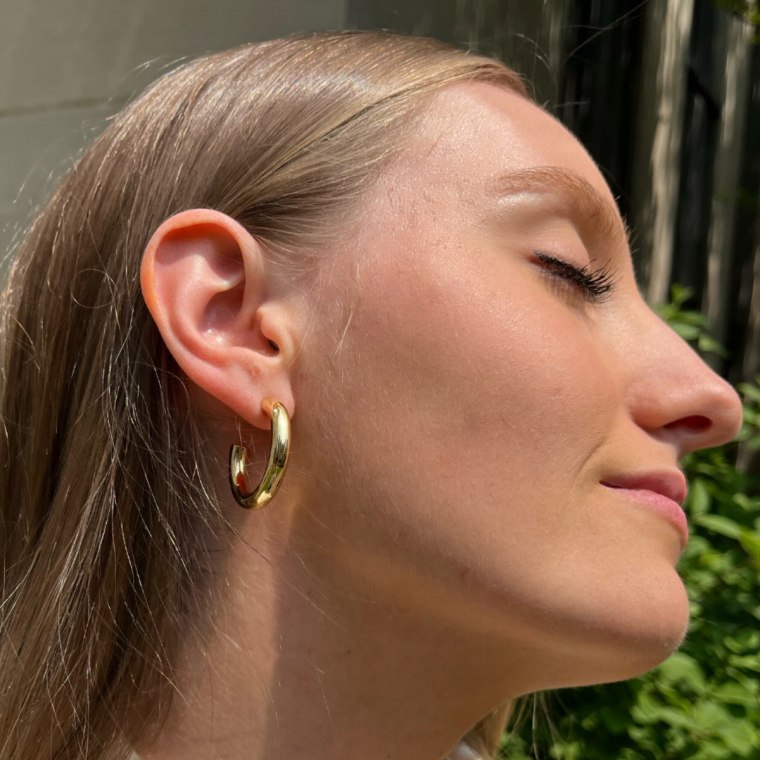
The terminology surrounding sensitive ear jewelry can be confusing for consumers, making clear brand messaging indispensable. “Nickel-free” is a specific claim, indicating the absence of nickel, which addresses the most common metal allergy. Many brands proudly use this term. However, “hypoallergenic” is a broader term suggesting a reduced likelihood of allergic reaction, but it doesn’t always guarantee the complete absence of all irritants (e.g., cobalt or copper, which some individuals may react to). Reputable brands provide clear, precise definitions for their terms, educating consumers rather than just labeling products. They might state “nickel-free” and then elaborate on their broader “hypoallergenic” commitment, outlining the other materials excluded or tests performed. This transparency strengthens brand credibility and helps consumers make informed choices.
Quality Control and Manufacturing Standards
A brand’s commitment to sensitive ears is also reflected in its rigorous quality control and manufacturing standards. Brands that excel in this niche implement strict protocols to prevent cross-contamination with allergenic metals during production. They often test materials and finished products for nickel release, adhering to international standards such as the EU Nickel Directive. Marketing efforts can highlight these behind-the-scenes commitments, showcasing lab testing, certification processes, or the use of dedicated manufacturing lines. By demonstrating a robust quality assurance framework, brands reinforce their pledge of safety and reliability, solidifying consumer trust and distinguishing themselves from competitors who may offer less vetted options.
Marketing Transparency: Building a Sensitive Ear Brand
In the sensitive ear market, transparency is not just a best practice; it is a prerequisite for building and maintaining brand loyalty. Consumers seeking hypoallergenic options are often wary due to past negative experiences, making clear and honest communication paramount.
Clear Labeling and Product Descriptions
Effective brands prioritize explicit and comprehensive labeling. This means providing detailed information about the materials used in every component of the earring – from the post and backing to the decorative elements. Online product descriptions are equally critical, detailing not only the metal composition but also any coatings, platings, or specific hypoallergenic processes involved. A brand that clearly states “316L Surgical Stainless Steel post and backing, titanium bezel, nickel-free” instills far more confidence than one simply labeling an item “hypoallergenic” without further detail. This level of granular information minimizes guesswork for the consumer, reducing purchase anxiety and building a foundation of trust.
Storytelling and Authenticity
Beyond factual descriptions, successful brands often leverage storytelling to build an emotional connection with their target audience. Sharing the “why” behind their focus on sensitive ears—whether it’s a founder’s personal struggle with allergies, a dedication to inclusive design, or a commitment to ethical sourcing of hypoallergenic materials—can resonate deeply. Authentic narratives create a powerful brand identity that extends beyond the product itself. This human element demonstrates a genuine understanding and empathy for the consumer’s needs, transforming a transactional relationship into one built on shared values and trust.
Leveraging Certifications and Endorsements
When available, third-party certifications or endorsements can significantly bolster a brand’s credibility. While specific “hypoallergenic” certifications are not universally standardized across all regions, brands can highlight compliance with relevant industry standards (e.g., EU Nickel Directive for nickel release). Collaborations with dermatologists, allergists, or medical professionals who endorse their products can also lend authoritative weight to a brand’s claims. By showcasing these external validations, brands provide an added layer of assurance to consumers, signaling that their claims are not merely marketing rhetoric but are backed by scientific or professional verification.
Customer Education
Leading sensitive ear brands position themselves not just as sellers but as trusted educators. They provide valuable content that empowers consumers with knowledge: articles explaining different metal allergies, guides on identifying safe jewelry, and tips for caring for sensitive piercings. This educational approach helps demystify complex material science and allows consumers to make more informed choices, not just within the brand’s own offerings but across the wider market. By acting as a resource, the brand strengthens its authority and establishes itself as a reliable partner in the consumer’s journey towards comfortable wear. This commitment to empowerment fosters a deeper, more enduring relationship than simple product promotion.
Cultivating Brand Loyalty Through Comfort and Quality
For brands in the sensitive ear market, the ultimate goal is not just to make a sale, but to foster enduring loyalty. This is achieved through consistent product performance, robust customer support, and a commitment to continuous improvement based on consumer feedback.
Consistency in Product Performance
The most crucial factor for cultivating loyalty in the sensitive ear segment is the consistent delivery of an irritation-free experience. A consumer who trusts a brand to provide comfort will return repeatedly. One negative experience, however, can swiftly erode that trust. Brands must therefore ensure that every product, across every line, upholds its hypoallergenic promise. This unwavering consistency in performance builds an invaluable reputation, driving repeat purchases and generating powerful positive word-of-mouth recommendations—a cornerstone of growth in this specialized market.
After-Sale Support and Guarantees
Brands that stand behind their products through comprehensive after-sale support and clear guarantees build immense confidence. Offering hassle-free return policies for items that cause irritation, or providing explicit warranties on the hypoallergenic properties of their jewelry, demonstrates a brand’s commitment to customer satisfaction. This level of accountability signals that the brand prioritizes the consumer’s comfort and experience above all else, reinforcing their brand promise and converting first-time buyers into loyal advocates.
Community Building
Many sensitive ear brands successfully cultivate communities around their offerings. By creating platforms (online forums, social media groups, or newsletters) where customers can share experiences, tips, and personal stories, brands foster a sense of belonging. This community aspect allows consumers to feel understood and supported, deepening their connection to the brand. Furthermore, it provides invaluable direct feedback, enabling brands to refine existing products, identify new needs, and even co-create future collections. This collaborative approach ensures the brand remains highly relevant and responsive to its core demographic.

Expanding Product Lines
Once a brand has firmly established its reputation for sensitive ear comfort, it often strategically expands its product lines. This might involve introducing hypoallergenic necklaces, bracelets, or rings using the same trusted materials and design principles that made their earrings successful. This expansion capitalizes on existing brand loyalty, allowing consumers to extend their comfortable jewelry wardrobe across different categories. It reinforces the brand’s identity as a comprehensive solution for sensitive skin, rather than just an earring specialist, thereby growing its market share and strengthening its overall brand equity through a consistent commitment to comfort and quality.
aViewFromTheCave is a participant in the Amazon Services LLC Associates Program, an affiliate advertising program designed to provide a means for sites to earn advertising fees by advertising and linking to Amazon.com. Amazon, the Amazon logo, AmazonSupply, and the AmazonSupply logo are trademarks of Amazon.com, Inc. or its affiliates. As an Amazon Associate we earn affiliate commissions from qualifying purchases.