
The Digital Language of Urban Mobility
In the intricate tapestry of modern urban infrastructure, traffic lights serve as more than mere regulators; they are critical nodes in a vast, interconnected digital communication network designed to manage the flow of vehicles and pedestrians. The yellow traffic light, in particular, transcends its traditional role as a simple cautionary signal. From a technological perspective, it represents a precise, algorithmically determined interlude, a crucial transition state within a complex system that orchestrates the movement of millions. Understanding its meaning today requires delving into the underlying software, sensor data, and communication protocols that govern its activation and duration. It is, in essence, a coded instruction from the city’s smart infrastructure, interpreted by human drivers and increasingly by autonomous systems.
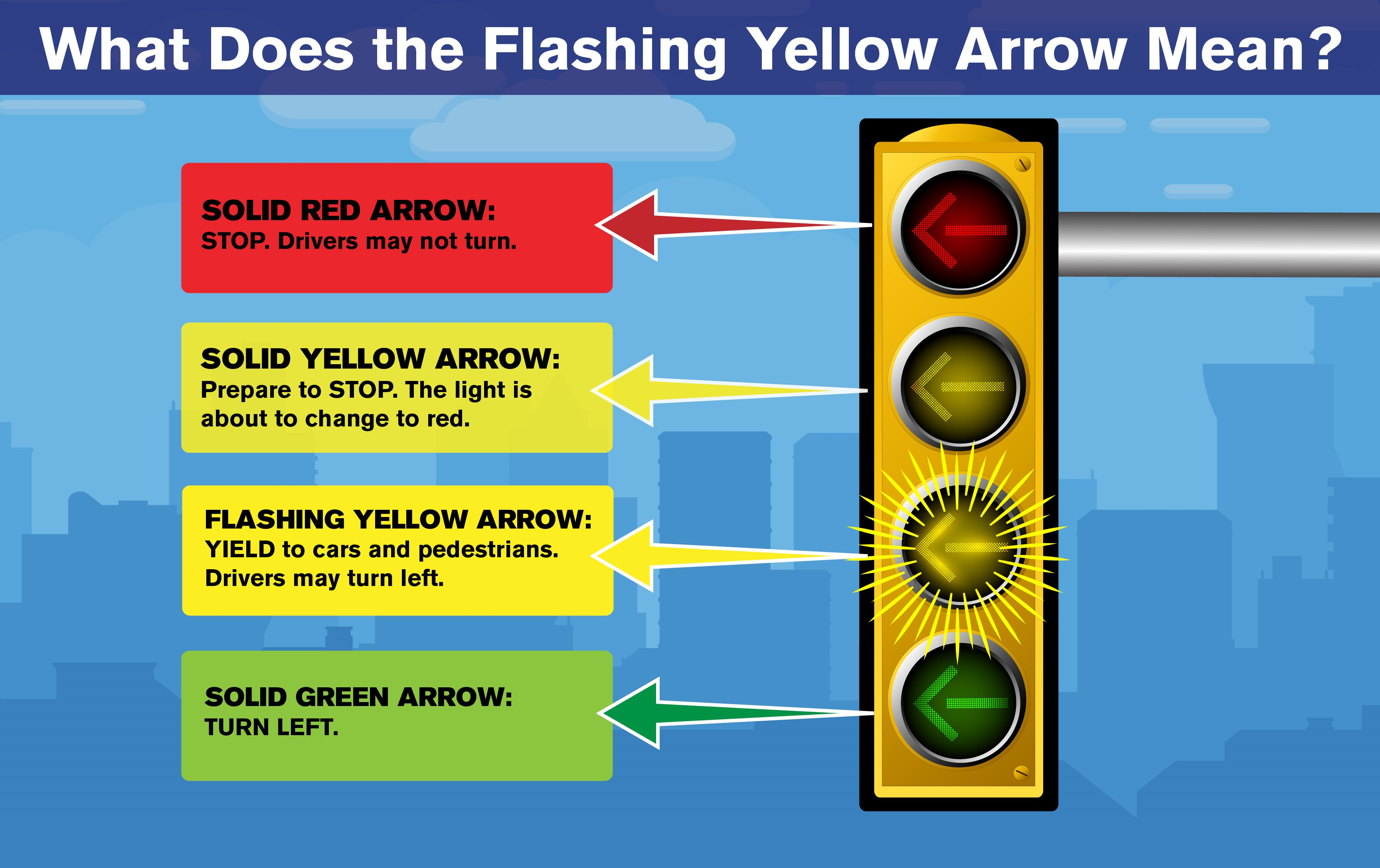
Beyond Simple Timing: Algorithmic Orchestration
The days of traffic lights operating on fixed, pre-programmed timers are largely behind us in sophisticated urban environments. Modern traffic signal controllers are complex embedded systems running sophisticated algorithms that dynamically adjust to real-time conditions. The illumination of a yellow light is not arbitrary; it’s the output of these algorithms processing a multitude of inputs. These inputs can include vehicle detection data from inductive loops, radar, or camera systems; pedestrian push-button requests; pre-set coordination patterns with adjacent intersections; and even broader traffic management center directives influenced by factors like special events or emergency vehicle preemption. The “meaning” of the yellow light thus becomes a reflection of the system’s current computational state and its immediate predictive assessment of traffic flow requirements. It’s a calculated decision to prepare for a change, optimized for efficiency and safety across the network.
The Driver-System Interface
From a human-computer interaction (HCI) standpoint, the yellow light acts as a critical visual cue within the urban mobility interface. Drivers are the primary “users” of this system, and the yellow light is a non-verbal command to prepare for an impending state change. Its duration, often calculated based on approach speed limits and intersection geometry, is programmed to provide sufficient time for drivers to react safely—either to clear the intersection if too close to stop, or to prepare to stop if sufficient distance allows. For autonomous vehicles (AVs) and advanced driver-assistance systems (ADAS), this interface is shifting from visual interpretation to direct machine-to-machine communication via Vehicle-to-Infrastructure (V2I) protocols. In this evolving landscape, the “meaning” of the yellow light is not just a visual prompt but a digital data packet containing precise timing information, trajectory predictions, and recommended actions, enabling AVs to make instantaneous, optimized decisions, potentially reducing the ambiguity inherent in human interpretation.
Data, Sensors, and Predictive Analytics
The operational logic behind the yellow traffic light is deeply rooted in an intricate web of data collection and predictive analytics. It functions as a critical output of a system constantly observing, analyzing, and forecasting traffic patterns to maintain optimal flow and safety. The duration and activation of this transitional signal are direct consequences of sophisticated algorithms processing vast amounts of real-time and historical data.
Real-Time Data Inputs
The intelligence of a smart traffic system begins with its array of sensors. Inductive loops embedded in the pavement detect the presence and flow of vehicles. Radar and lidar sensors provide more granular data on vehicle speed, lane occupancy, and queue lengths. Advanced camera systems, often equipped with computer vision capabilities, can differentiate between vehicle types, track pedestrian movements, and even detect incidents like stopped vehicles or debris. Each of these data points feeds into the central traffic controller. When a green phase is nearing its scheduled end, or when a cross-street is demanding service, the system aggregates this real-time information. It calculates optimal clearance times, considering factors like the average vehicle speed on approach, the size of the intersection, and the presence of turning movements. The yellow light, therefore, is not a fixed interval but a dynamically adjusted component of the signal cycle, finely tuned by immediate conditions to provide the precise window needed for a safe transition.
Predictive Traffic Flow and Optimization
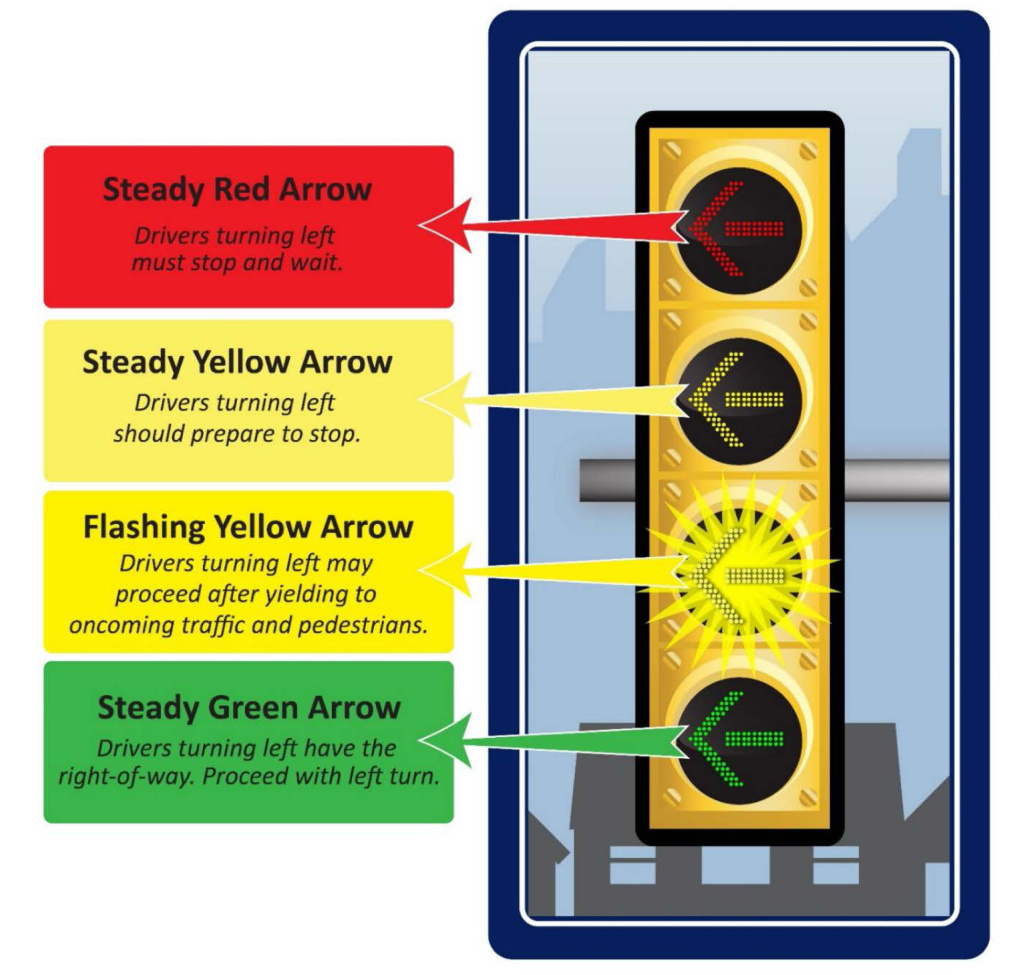
Beyond reacting to immediate conditions, modern traffic management systems employ predictive analytics to anticipate future traffic states. Leveraging historical data—such as daily commute patterns, special event schedules, and weather forecasts—alongside real-time inputs, these systems can forecast congestion points and adjust signal timings proactively. Machine learning models analyze these datasets to identify patterns and predict demand. For instance, if a system anticipates a surge in traffic from a particular direction due to a sporting event concluding, it might subtly extend green phases for that approach while maintaining an optimal yellow light duration that accounts for slightly higher average speeds or densities. The yellow light, in this context, embodies a predictive decision, an instruction derived from an algorithmic forecast of how traffic will behave in the next few seconds, all aimed at minimizing delays and preventing gridlock across an entire network, rather than just optimizing a single intersection.
The Future of Dynamic Signalization: AI and IoT Integration
The role and “meaning” of the yellow traffic light are poised for significant transformation with the deeper integration of Artificial Intelligence (AI) and the Internet of Things (IoT). These technologies are moving traffic signals from reactive devices to proactive, intelligent nodes within an expansive, self-optimizing urban nervous system.
Vehicle-to-Infrastructure (V2I) Communication
The advent of V2I communication promises to redefine how traffic signals interact with vehicles. Instead of relying solely on physical sensors, vehicles equipped with V2I technology can wirelessly transmit their position, speed, and intended trajectory directly to the traffic light controller. This allows for hyper-localized, real-time adjustments to signal timing. For example, if a connected vehicle is approaching an intersection and the system knows it can safely clear before the cross-traffic’s green light, the yellow phase might be precisely timed to facilitate this, or even extended by a fraction of a second if a heavy truck is detected needing more time. Conversely, if no vehicles are detected approaching, the yellow phase could be shortened or even skipped in certain scenarios to accelerate the cycle for waiting traffic. The yellow light’s meaning evolves from a universal visual warning to a personalized, data-driven directive, optimized for each individual vehicle’s journey through the intersection.
Adaptive AI Models for Urban Congestion
AI is at the forefront of creating truly adaptive traffic management systems. Instead of pre-programmed logic, AI models can learn from continuous data streams, recognizing complex patterns that human engineers might miss. These models can manage entire networks of intersections, rather than optimizing them in isolation. An AI-powered system might observe congestion building several blocks away and proactively adjust the yellow light timings at preceding intersections to meter traffic flow, preventing a cascade effect. It can also prioritize certain types of traffic, such as emergency vehicles, public transit, or even freight. The yellow light, under AI control, becomes a highly contextual and dynamic element, its duration and appearance dictated by a sophisticated model’s real-time assessment of overall urban mobility health, optimizing for metrics like reduced travel time, fuel consumption, and emissions across the entire city. This means its “meaning” is no longer just “prepare to stop,” but rather “this is the optimal transition point calculated by the city’s brain to keep everything moving smoothly.”
Edge Computing and Decentralized Decision-Making
Edge computing plays a crucial role in enhancing the responsiveness and resilience of smart traffic systems. Instead of sending all sensor data to a central server for processing, edge devices—often embedded directly within the traffic signal controller or nearby roadside units—can perform real-time data analysis and make immediate decisions. This reduces latency, making signal changes, including the yellow phase, even more responsive to rapidly changing conditions. For instance, if a pedestrian steps into the road unexpectedly, an edge device could instantly trigger a yellow flash or a red light for vehicular traffic without waiting for a round trip to a central cloud. This decentralized approach also improves system robustness; if central communication is disrupted, the local intersection can continue to operate intelligently. The yellow light, therefore, gains an additional layer of meaning: an autonomous, intelligent decision made at the point of action, reflecting immediate local conditions with high fidelity and minimal delay.
Digital Security and System Integrity
As traffic signals become more sophisticated, interconnected, and reliant on digital systems, the integrity and security of these systems become paramount. The “meaning” of a yellow traffic light can be fundamentally altered or compromised if the underlying technology is vulnerable to cyber threats. Ensuring that the yellow light reliably signals its intended transition state requires robust digital security measures.

Protecting the Network
Modern traffic management systems are complex networks of controllers, sensors, communication links, and central management software. Each component represents a potential attack surface. A cybersecurity breach could range from Denial-of-Service (DoS) attacks that freeze signals to unauthorized access that allows malicious actors to manipulate signal timings. If an attacker gains control over a traffic light controller, they could arbitrarily extend or shorten yellow light phases, or even eliminate them entirely. This not only causes confusion and increases the risk of accidents but could also be exploited for broader nefarious purposes, such as creating gridlock, facilitating escape routes, or disrupting critical infrastructure. Therefore, the “meaning” of a yellow light hinges on the trustworthiness of the system that controls it. Implementing strong encryption for V2I communication, securing APIs for central management, and regularly auditing embedded system firmware are essential to ensuring that the yellow light consistently means what it’s supposed to mean—a safe, algorithmically determined transition. Without stringent security protocols, the integrity of this critical urban interface can be jeopardized, turning a sign of order into a source of chaos.
aViewFromTheCave is a participant in the Amazon Services LLC Associates Program, an affiliate advertising program designed to provide a means for sites to earn advertising fees by advertising and linking to Amazon.com. Amazon, the Amazon logo, AmazonSupply, and the AmazonSupply logo are trademarks of Amazon.com, Inc. or its affiliates. As an Amazon Associate we earn affiliate commissions from qualifying purchases.