
In the intricate world of premium beverages, where discerning palates seek experiences as much as products, the aroma of white tea emerges as a potent, often understated, element of brand identity. For brands operating in the competitive luxury tea market, understanding, articulating, and consistently delivering the unique olfactory signature of white tea is not merely a matter of product description but a cornerstone of strategic positioning and consumer engagement. This isn’t just about a pleasant smell; it’s about a carefully cultivated sensory profile that underpins marketing narratives, product design, and the very essence of a brand’s promise.
The Olfactory Signature: White Tea’s Distinctive Aroma as a Core Brand Asset
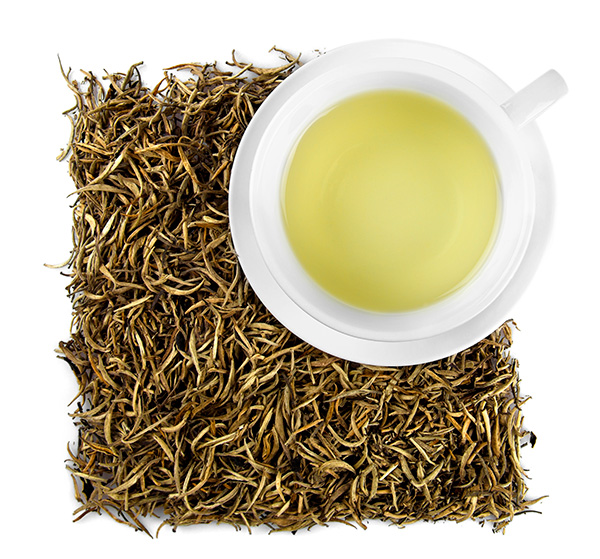
White tea, the least processed of all tea types, is revered for its delicate character, often described as possessing a whisper-soft fragrance that is both complex and ethereal. This subtlety, however, is precisely what makes its aroma such a powerful and sophisticated brand asset. Unlike the bolder, more robust notes of black teas or the grassy vibrancy of greens, white tea’s scent profile is defined by its understated elegance and nuanced layers.
Brands that successfully leverage white tea’s aroma begin by intimately understanding its primary olfactory notes. Typically, a high-quality white tea, such as Silver Needle (Baihao Yinzhen) or White Peony (Bai Mudan), offers a profile that includes:
- Floral Tones: Often reminiscent of orchids, honeysuckle, or sweet pea. These are not overpowering but rather delicate and lingering, suggesting freshness and purity. Brands frequently highlight these floral notes to convey sophistication and a natural, unspoiled quality.
- Fruity Undertones: Hints of stone fruits like peach or apricot, sometimes with a subtle citrus zest. These notes add a layer of sweetness and warmth, inviting exploration without being saccharine. For marketing, these aspects can suggest indulgence and a gentle complexity.
- Hay or Grassy Freshness: A very light, clean, and sometimes slightly sweet hay-like scent, particularly noticeable in younger, less mature white teas. This conveys naturalness, freshness, and often, the pastoral origins of the tea leaves. Brands might use this to emphasize authenticity and close ties to nature.
- Honey or Vanilla Sweetness: A very mild, natural sweetness that isn’t cloying but rather rounds out the aroma. This note enhances the perception of comfort and luxurious ease, often associated with a premium experience.
- Delicate Vegetal or Woody Hints: Barely perceptible, these notes ground the aroma, preventing it from becoming overly light. They signify the earthiness and natural composition of the tea, linking it to its raw, unprocessed state.
For tea brands, recognizing and emphasizing these distinct aromatic qualities allows for the creation of a coherent sensory identity. The aroma isn’t just a characteristic; it’s a narrative element, a promise of purity, tranquility, and refined taste that resonates deeply with target demographics seeking premium, authentic experiences.
Strategic Communication: Articulating White Tea’s Scent in Marketing and Messaging
Translating the ephemeral nature of white tea’s aroma into compelling brand narratives requires a masterful use of language and imagery. Effective brands understand that describing scent isn’t just about listing adjectives; it’s about invoking emotions, memories, and desired states of being.
Crafting the Aromatic Lexicon
Marketing white tea’s smell demands a vocabulary that elevates and romanticizes the experience. Brands often employ:
- Evocative Descriptors: Moving beyond “floral” to “orchid-like luminescence” or “the whisper of spring blossoms.”
- Sensory Analogies: Comparing the scent to “the first dew of morning” or “a gentle breeze through an orchard,” connecting it to universal experiences of freshness and purity.
- Lifestyle Association: Aligning the aroma with moments of quiet contemplation, luxury, or wellness. The scent becomes a gateway to a desired lifestyle.
Consider how a brand might describe a Silver Needle tea: “Its delicate perfume, reminiscent of fresh spring orchids and sun-warmed hay, invites a moment of serene contemplation.” This goes beyond description to suggest an entire experience, tying the aroma directly to the brand’s aspirational messaging.
Visual and Experiential Reinforcement
The communication of white tea’s aroma extends beyond textual descriptions. Packaging design, visual aesthetics, and even the brewing instructions themselves play a crucial role in reinforcing the brand’s aromatic promise.
- Packaging: Elegant, minimalist designs often reflect the tea’s delicate nature. Soft color palettes, natural textures, and subtle graphics can visually communicate the tea’s gentle fragrance and purity. A brand’s choice of airtight containers also subtly signals its commitment to preserving the precious aroma.
- Photography: Images often feature light-filled settings, natural elements like blossoms or flowing water, and scenes of tranquility, all designed to prime the consumer for a delicate, pure, and calming aromatic experience.
- Storytelling: Narratives about the tea’s origin, the artisanal harvesting process, and the pristine environments where it grows all contribute to an aura of natural purity and authenticity that supports the delicate aromatic profile.
By strategically weaving these elements together, brands create a multi-sensory brand universe where the aroma of white tea is not just perceived but deeply felt and understood as a core part of the brand’s unique offering.

Designing the Sensory Experience: Packaging and Presentation that Elevate White Tea’s Fragrance
The journey from leaf to cup is punctuated by critical touchpoints where packaging and presentation can either preserve or diminish the delicate aroma of white tea. For brands, this isn’t merely about aesthetics; it’s about safeguarding a key brand differentiator and delivering on the implicit promise of quality.
Protecting the Ephemeral
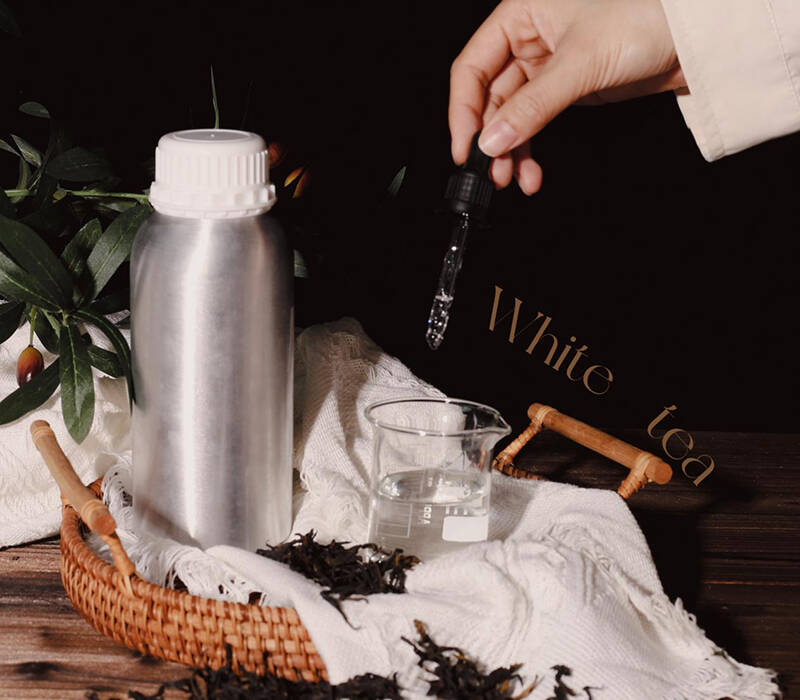
White tea’s volatile aromatic compounds are highly susceptible to degradation from light, air, moisture, and foreign odors. Premium brands invest significantly in packaging solutions that act as guardians of this precious fragrance:
- Airtight Seals: Essential for preventing oxidation and the escape of delicate scent molecules. Double-lidded tins, vacuum-sealed pouches, or high-quality resealable bags are standard.
- Opaque Materials: Protecting tea from light exposure is crucial, as UV rays can degrade aromatic compounds. Aluminum tins or opaque, UV-resistant bags are preferred over clear glass or plastic.
- Inert Materials: Packaging materials must not impart any foreign odors that could taint the tea’s natural scent. Food-grade plastics, lined tins, or specialized foils are chosen to ensure aromatic purity.
The investment in superior packaging communicates a brand’s respect for the product’s integrity and its understanding of the consumer’s desire for an uncompromised sensory experience. It reinforces the brand’s commitment to quality from the very first interaction.
Enhancing the Ritual
Beyond preservation, packaging and presentation can elevate the very ritual of preparing and enjoying white tea, amplifying the aromatic experience.
- Tactile Elements: The feel of a weighty, textured tin or a soft, linen-like tea pouch can subconsciously prepare the consumer for a luxurious and refined experience before the tea is even opened.
- Unboxing Experience: A well-designed interior, perhaps with an inner layer of tissue paper or a thoughtful insert describing the tea’s profile, can heighten anticipation and draw attention to the tea’s aromatic qualities as it is revealed.
- Brewing Guidance: Clear, elegant instructions on water temperature and steeping time, often included with premium teas, guide the consumer towards optimal extraction of flavor and aroma, ensuring the best possible sensory outcome. This positions the brand as an authority and an enabler of the perfect tea moment.
By meticulously designing every aspect of the physical product’s interaction, brands ensure that the intrinsic value of white tea’s delicate aroma is not only preserved but actively enhanced, creating a memorable and branded sensory journey for the consumer.
Leveraging Aromatic Nuance for Market Differentiation and Brand Loyalty
In a crowded market, where product features can often be replicated, the unique aromatic profile of white tea offers a powerful avenue for differentiation and the cultivation of deep brand loyalty. Brands that master the art of highlighting and consistently delivering specific aromatic nuances can carve out distinct niches and foster a loyal customer base.
Distinctive Positioning
Differentiation through aroma can manifest in several ways:
- Source Specificity: Highlighting white teas from particular regions or estates known for unique aromatic qualities (e.g., “our Fujian Silver Needle, with its unmistakable orchid-honey notes”). This builds a narrative of terroir and exclusivity around the scent.
- Cultivar Focus: Emphasizing specific tea plant cultivars that naturally yield distinct aromatic profiles. For instance, some cultivars might lend themselves to stronger fruity notes, while others lean towards a purer floral bouquet.
- Processing Innovation: While white tea is minimally processed, subtle variations in drying or handling can influence its final aroma. Brands might subtly hint at proprietary methods that preserve or enhance certain delicate notes.
By focusing on these specific aromatic distinctions, brands can move beyond generic descriptions and offer a highly specialized, nuanced product that appeals to connoisseurs and those seeking unique sensory experiences. This targeted approach establishes a clear identity and avoids direct competition on price alone.
Fostering Brand Loyalty Through Consistency
Once a brand establishes a particular aromatic signature for its white tea, consistency becomes paramount. Consumers who fall in love with a specific scent profile expect that experience to be reproducible with every purchase.
- Rigorous Quality Control: Implementing strict standards for leaf selection, processing, and storage ensures that the aromatic profile remains constant from batch to batch. This involves sensory evaluation by expert tea tasters who can identify deviations.
- Transparent Sourcing: Building long-term relationships with growers and maintaining transparent supply chains helps ensure a consistent raw material input, which is critical for consistent aroma.
- Educating Consumers: Providing information on proper storage and brewing techniques empowers consumers to replicate the ideal aromatic experience at home, reinforcing their satisfaction with the brand.
Ultimately, “what white tea smells like” transcends a simple botanical description for brands. It is a critical component of their identity, a deeply personal element that, when expertly managed and communicated, transforms a product into an experience, fostering loyalty and defining a distinct place in the luxury beverage market.
aViewFromTheCave is a participant in the Amazon Services LLC Associates Program, an affiliate advertising program designed to provide a means for sites to earn advertising fees by advertising and linking to Amazon.com. Amazon, the Amazon logo, AmazonSupply, and the AmazonSupply logo are trademarks of Amazon.com, Inc. or its affiliates. As an Amazon Associate we earn affiliate commissions from qualifying purchases.