
The single letter ‘V’ might seem innocuous, yet its meaning in text is remarkably versatile and context-dependent, reflecting the dynamic nature of digital communication. From casual messaging to technical documentation, ‘V’ serves as a concise shorthand, an indicator, and even a command, adapting to the specific digital environment in which it appears. Understanding its various interpretations is key to navigating the ever-evolving landscape of online interaction and software interfaces.
The Versatility of ‘V’ in Modern Digital Dialogue
In the realm of everyday digital communication—text messages, social media posts, and instant chats—’V’ frequently appears as an abbreviation or part of a common phrase. Its primary utility here is efficiency, allowing users to convey meaning quickly and with minimal keystrokes.
Common Abbreviations and Acronyms
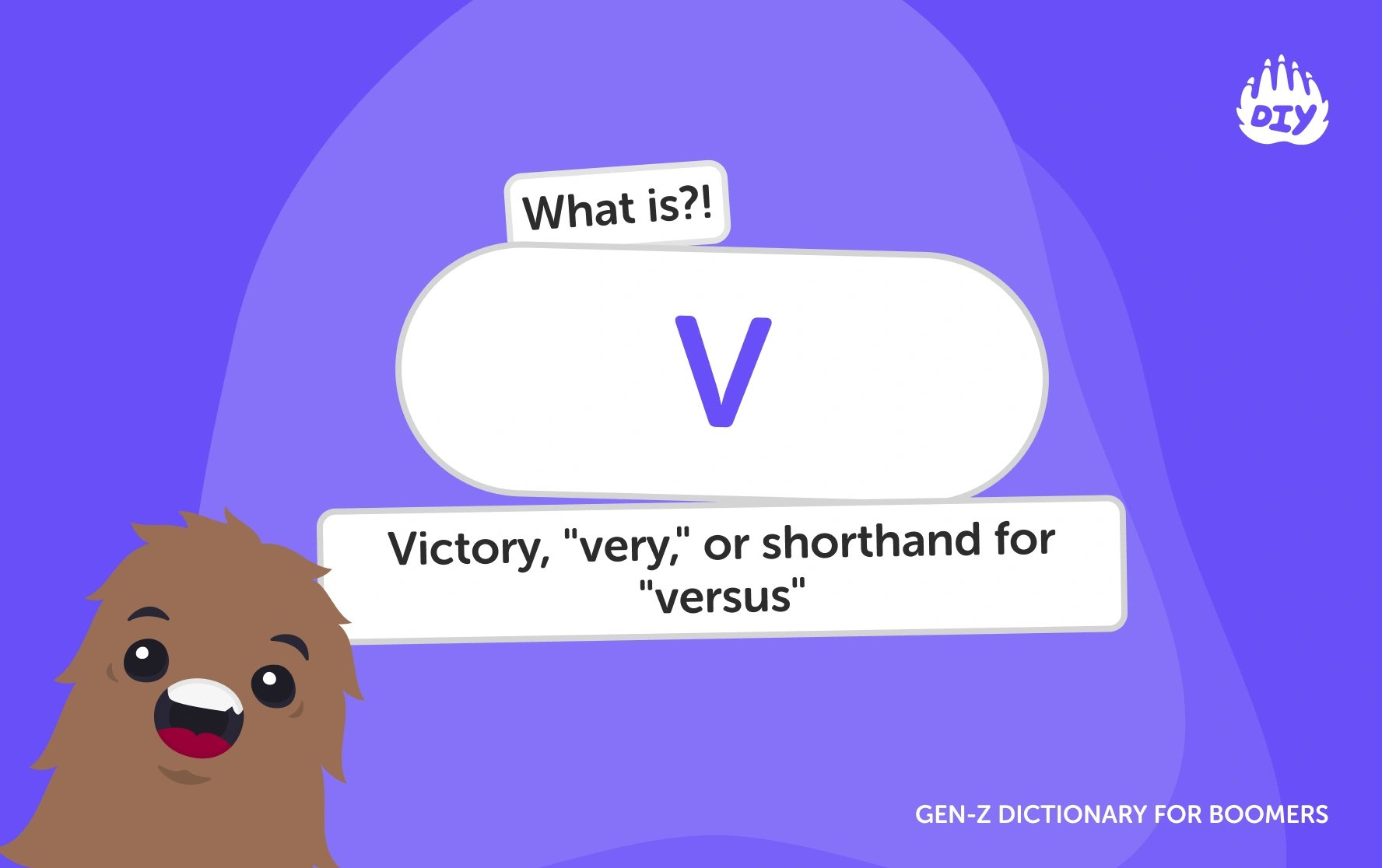
One of the most widespread uses of ‘V’ in informal text is as a stand-in for “very.” For instance, someone might text “v happy” instead of “very happy,” or “v cool” instead of “very cool.” This usage is particularly prevalent in platforms where character limits or the desire for rapid communication dictate brevity. While grammatically informal, it’s universally understood within the context of casual digital banter.
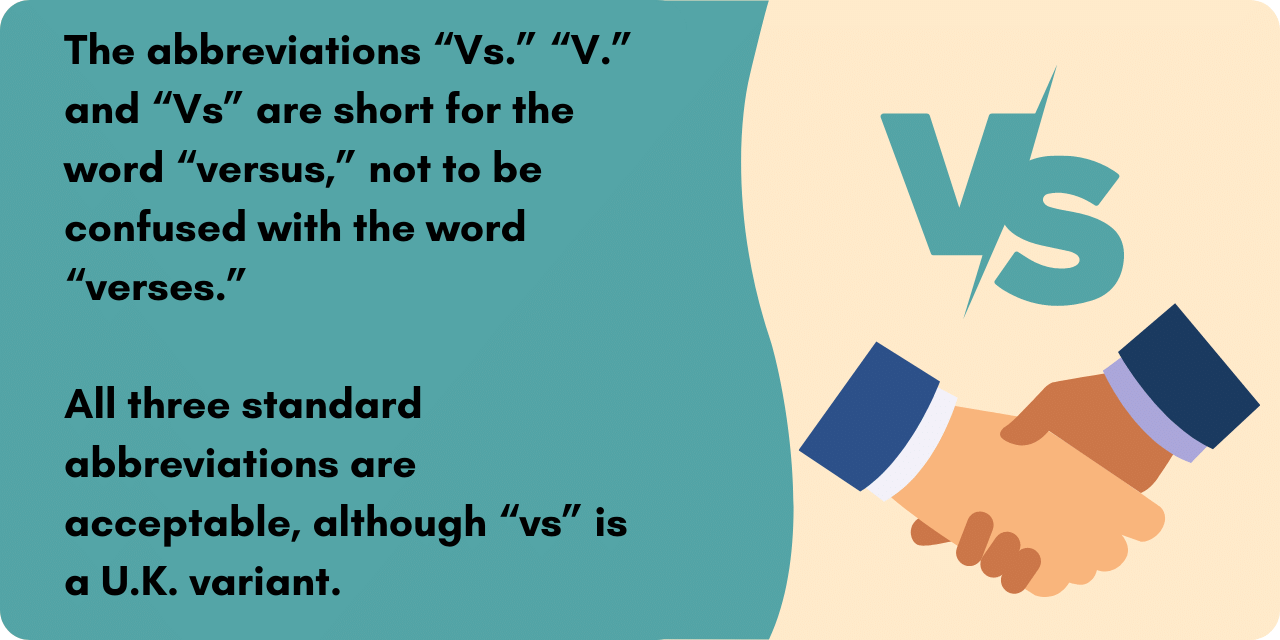
Another common abbreviation involves ‘V’ as part of “vs.” or “v.s.,” short for “versus.” This typically indicates a comparison or opposition between two entities, as in “Apples v Oranges” or “Team A vs Team B.” While often seen in more formal contexts like legal documents or sports matchups, its digital application extends to informal discussions comparing products, ideas, or preferences.
Less frequently, but still present, ‘V’ can stand for “victory,” often stylized as a “V-sign” emoji (✌️) or simply communicated through the letter itself in celebratory contexts. However, the standalone letter is less common for this specific meaning compared to its use in abbreviations. In some niche communities or older internet slang, ‘V’ might also have represented “video,” though this has largely been superseded by more explicit terms or embedded media.
Evolving Slang and Niche Communities
Digital language is fluid, and ‘V’ can sometimes take on specialized meanings within particular online communities or subcultures. For instance, in gaming, ‘V’ might refer to specific in-game items, commands, or even ‘V-bucks’ in Fortnite. While these uses are highly contextual and not universally understood, they highlight how a simple letter can become a functional piece of jargon within a defined digital space. The constant evolution of internet slang means that new interpretations of ‘V’ can emerge and dissipate, requiring users to stay attuned to the specific communication norms of the platforms and groups they engage with. This adaptability is a hallmark of digital literacy, where understanding the unspoken rules of communication is as important as literal interpretations.
Beyond Simple Shorthand: ‘V’ in Technical Applications
Moving beyond casual chat, ‘V’ plays a more structured and often critical role in various technical contexts. Here, its meaning is typically more precise, serving as an identifier, a command flag, or a component of system architecture. These applications are fundamental to how software operates, how versions are managed, and how users interact with digital tools.
Software Versioning
Perhaps one of the most common technical uses of ‘V’ is in software versioning. Almost every application, operating system, and piece of digital content goes through iterative development, and these iterations are tracked using version numbers. ‘V’ almost invariably precedes these numbers, as in “v1.0,” “v2.3,” or “v beta.” This system provides crucial information:
- Progress: A higher version number (e.g., from v1 to v2) usually indicates significant changes, new features, or major overhauls.
- Compatibility: Version numbers help users and developers determine if software components are compatible with each other.
- Updates and Bug Fixes: Specific patch versions (e.g., v1.0.1) denote minor updates, bug fixes, or security patches, allowing users to know they have the most stable or secure iteration.
- Development Stages: Terms like “v alpha,” “v beta,” or “v release candidate” indicate the stage of development, communicating the software’s stability and readiness for widespread use.
Understanding these version indicators is essential for managing software, troubleshooting issues, and ensuring digital environments remain secure and functional.
Command-Line Interfaces and Programming
In the world of command-line interfaces (CLIs) and programming, ‘V’ frequently appears as a flag or parameter, often prefixed with a hyphen (e.g., -v).
- Verbose Output: One of the most common uses is
-vor--verbose, which instructs a command or program to provide more detailed output than usual. This is invaluable for debugging, monitoring processes, and understanding exactly what a piece of software is doing step-by-step. For system administrators, developers, and power users, ‘verbose’ output is a critical diagnostic tool. - Version Information: Similar to software versioning, many command-line tools offer an option like
-vor--versionto display the specific version number of the tool being executed. This helps in confirming the installed version, which is crucial for reproducibility and compatibility. - Variables and Keywords: In programming languages, ‘v’ can be used as a variable name or part of a keyword. While a single ‘v’ is rarely used for significant variables due to its lack of descriptive power, it might appear in specific algorithms, temporary assignments, or within larger function names (e.g.,
isValid(),returnValue). - Virtual Environments: The concept of “virtual” is central to modern computing, encompassing virtual machines (VMs), virtual private networks (VPNs), and virtual reality (VR). While ‘V’ isn’t always a standalone abbreviation here, its presence within these terms (‘VM’, ‘VPN’) signifies an abstract or simulated environment, critical for security, testing, and resource isolation in tech.
File Naming Conventions and Systems
Beyond executables and code, ‘V’ also finds its place in file management. Users often append ‘v’ followed by a number to file names to denote different iterations or backups of a document or project. For example, a designer might save “projectproposalv1.docx,” then “projectproposalv2.docx” after revisions. This manual version control helps users track changes, revert to previous states, and organize their digital assets effectively, especially in collaborative environments lacking automated version control systems.
Context is King: Deciphering Ambiguity
Given the multifaceted nature of ‘V’, its true meaning is almost entirely dependent on the context in which it appears. A single ‘V’ could mean “very” to a friend, “version” to a developer, or “verbose” to a system administrator. Ignoring context can lead to misunderstandings, inefficiencies, or even errors in technical operations.
The Role of Surrounding Words and Phrases
The words and symbols immediately surrounding ‘V’ are the most powerful indicators of its intended meaning.
- If ‘V’ is followed by an adjective (e.g., “v happy”), it’s almost certainly “very.”
- If it precedes a number (e.g., “v1.2”), it indicates “version.”
- If it’s part of a command-line argument (e.g.,
ls -v), it points to a specific flag or option for that command. - If it’s nestled between two nouns (e.g., “Android v iOS”), it signifies “versus.”
Analyzing the grammatical structure and the semantic relationship between ‘V’ and its neighbors is crucial for accurate interpretation.
Sender, Platform, and Audience Considerations
The source of the text and the platform it’s on also provide vital clues. A text from a friend on WhatsApp will use ‘V’ differently than an error message in a software log or an instruction on a developer forum.
- Sender: A tech-savvy colleague might use ‘V’ in a technical sense, while a casual acquaintance is more likely to use it as informal shorthand.
- Platform: Social media platforms often encourage brevity and informal language, favoring ‘V’ as “very.” Documentation portals or developer consoles, however, will lean towards its technical meanings.
- Audience: The intended recipients of the message greatly influence the choice of language. Technical audiences will understand specific flags and version numbers, whereas general audiences might not.
When in Doubt, Ask!
In situations where context alone isn’t enough to clarify the meaning of ‘V’, the simplest and most effective solution is often to ask for clarification. In professional or technical settings, misinterpreting a critical command or version can have real consequences. Politely inquiring “What does ‘v’ mean in this context?” or “Could you elaborate on ‘v’?” demonstrates a commitment to clear communication and accurate understanding, a vital aspect of collaborative digital work.
The Future of Textual Communication and ‘V’
As digital communication continues to evolve, propelled by advancements in AI, natural language processing, and new interface paradigms, the role of concise elements like ‘V’ will likely persist. AI tools, with their ability to infer context and predict user intent, are becoming increasingly adept at interpreting such abbreviations. Predictive text and intelligent assistants can often suggest the full word “very” even when only “v” is typed, bridging the gap between shorthand and formality.
The ongoing challenge lies in balancing efficiency with clarity. While abbreviations save time, excessive or ambiguous shorthand can hinder effective communication, especially across diverse audiences or in critical technical environments. The nuanced understanding of what ‘V’ signifies across different digital landscapes underscores the importance of digital literacy – not just knowing how to use tools, but how to interpret the language that flows through them. As our interactions become ever more digital, mastering these linguistic shortcuts and their varied applications remains a valuable skill in the modern tech era.
aViewFromTheCave is a participant in the Amazon Services LLC Associates Program, an affiliate advertising program designed to provide a means for sites to earn advertising fees by advertising and linking to Amazon.com. Amazon, the Amazon logo, AmazonSupply, and the AmazonSupply logo are trademarks of Amazon.com, Inc. or its affiliates. As an Amazon Associate we earn affiliate commissions from qualifying purchases.