
In an era defined by rapid technological evolution, the automotive industry stands at the precipice of its most profound transformation since the invention of the internal combustion engine. At the heart of this revolution is a concept often abbreviated as TXM, which, in the context of cars, most aptly stands for Total eXperience Management. Far from being a mere buzzword, TXM represents a paradigm shift from viewing a car as a mere mode of transport to understanding it as a highly sophisticated, connected, and intelligent platform designed to offer an integrated, personalized, and intuitive experience for every occupant. It encompasses every touchpoint, interaction, and functional aspect of a vehicle, driven by cutting-edge technology to redefine mobility itself.
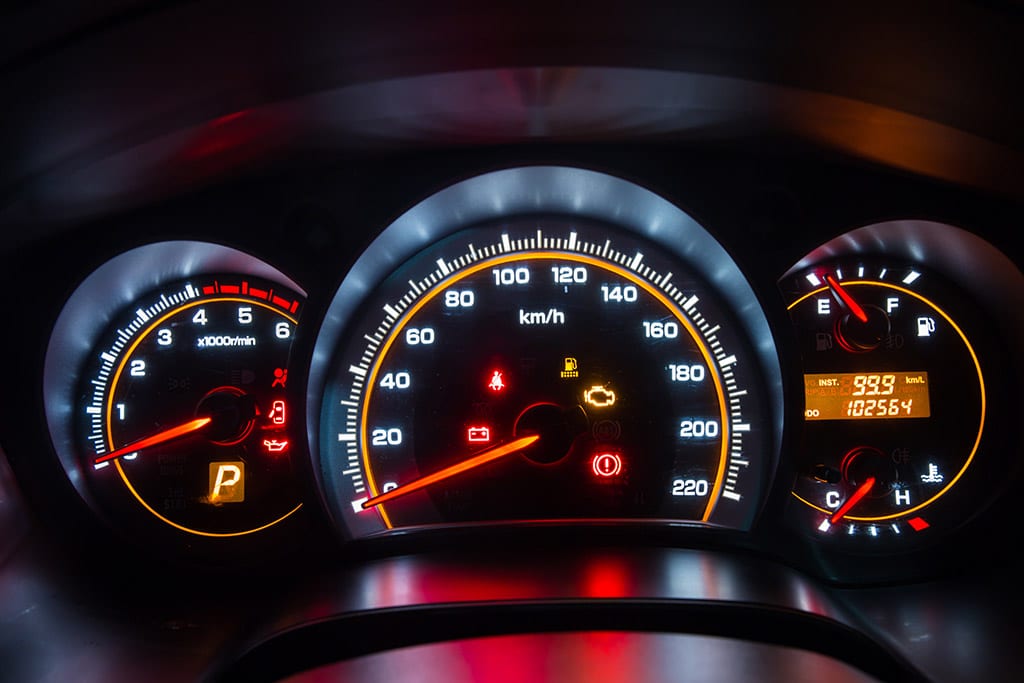
The Dawn of Total eXperience Management (TXM) in Automotive
Total eXperience Management for cars is an overarching philosophy that seeks to unify all aspects of a vehicle’s functionality, interaction, and service into a seamless, cohesive, and deeply personalized journey. It moves beyond the traditional focus on isolated systems – be it infotainment, engine performance, or climate control – to an integrated ecosystem where every component works in harmony to anticipate needs, enhance comfort, improve safety, and optimize overall utility.
Beyond Infotainment: A Holistic Approach
Historically, much of the “experience” discussion in automotive centered around the infotainment system – the digital screen, navigation, and audio controls. While critical, infotainment is just one facet of TXM. Total eXperience Management extends to every physical and digital interaction point: the responsiveness of the steering, the tactile feedback of buttons, the ambient lighting, the proactive safety features, the predictive maintenance alerts, the integration with smart home devices, and even the financial aspects of ownership and usage. It’s about creating an emotional connection and delivering tangible value throughout the entire lifecycle of the vehicle and its users.
From Isolated Systems to Integrated Ecosystems
The shift to TXM signifies a departure from modular, siloed hardware and software to a deeply interconnected digital architecture. Legacy vehicles often comprised disparate electronic control units (ECUs) managing specific functions with limited communication between them. Modern TXM-enabled vehicles, however, are built on centralized, software-defined platforms that leverage high-speed communication networks (like Automotive Ethernet and 5G) to allow real-time data exchange across all systems. This integration fosters intelligent decision-making, enabling features like dynamic personalized settings, proactive safety interventions, and predictive maintenance algorithms that draw insights from an enormous array of sensors and contextual data. The car itself becomes a data center on wheels, constantly learning, adapting, and evolving.
Core Technologies Powering Automotive TXM
The realization of TXM in automotive is contingent upon a sophisticated blend of advanced technologies working in concert. These foundational elements are transforming vehicles into intelligent, responsive companions.
Advanced Telematics and 5G Connectivity
At the heart of any integrated experience is robust connectivity. Advanced telematics systems, coupled with the rollout of 5G cellular technology, provide the high-bandwidth, low-latency communication backbone necessary for TXM. This enables a constant, real-time flow of data between the vehicle, cloud services, other vehicles (V2V), infrastructure (V2I), and even pedestrians (V2P). This connectivity facilitates over-the-air (OTA) software updates, streaming high-definition content, remote diagnostics, emergency services, and the crucial exchange of data required for autonomous driving functions and intelligent traffic management. The vehicle is no longer an isolated entity but an active node within a vast, interconnected mobility network.
AI, Machine Learning, and Predictive Intelligence
Artificial Intelligence (AI) and Machine Learning (ML) are the brains behind TXM, allowing vehicles to not just execute commands but to understand, learn, and anticipate. AI algorithms analyze vast datasets – from driving patterns and occupant preferences to external environmental factors and vehicle health metrics – to personalize settings, optimize routes, predict maintenance needs, and enhance safety systems. For instance, an AI-powered climate control system might learn preferred temperatures based on time of day, outside weather, and passenger count. Predictive intelligence extends to detecting potential component failures before they occur, scheduling service appointments automatically, and even advising on optimal driving behaviors for fuel efficiency or reduced wear and tear.
Sensor Fusion and Environmental Awareness
Modern vehicles are equipped with an ever-growing array of sensors, including cameras, radar, lidar, ultrasonic sensors, and GNSS (Global Navigation Satellite System) receivers. TXM leverages “sensor fusion” – the process of combining data from multiple sensors to create a more comprehensive and accurate understanding of the vehicle’s surroundings. This enhanced environmental awareness is crucial for advanced driver-assistance systems (ADAS) like adaptive cruise control, lane-keeping assist, automatic emergency braking, and, ultimately, fully autonomous driving. By creating a rich, real-time digital model of the world around the car, TXM ensures safer, smoother, and more intuitive navigation and interaction within dynamic environments.
Cloud-Native Architectures and Over-the-Air Updates
The backbone of TXM’s adaptability and scalability lies in cloud-native software architectures. Rather than being confined to the physical hardware of the car, many critical services and applications reside in the cloud. This allows for rapid development, deployment, and scaling of new features and functionalities. Over-the-air (OTA) updates, similar to those received by smartphones, are a direct benefit of this architecture. They enable manufacturers to continuously improve vehicle performance, introduce new features, enhance security, and even fix bugs without the need for a physical visit to a service center. This keeps the vehicle perpetually up-to-date, extending its lifecycle and enhancing its value proposition long after purchase.
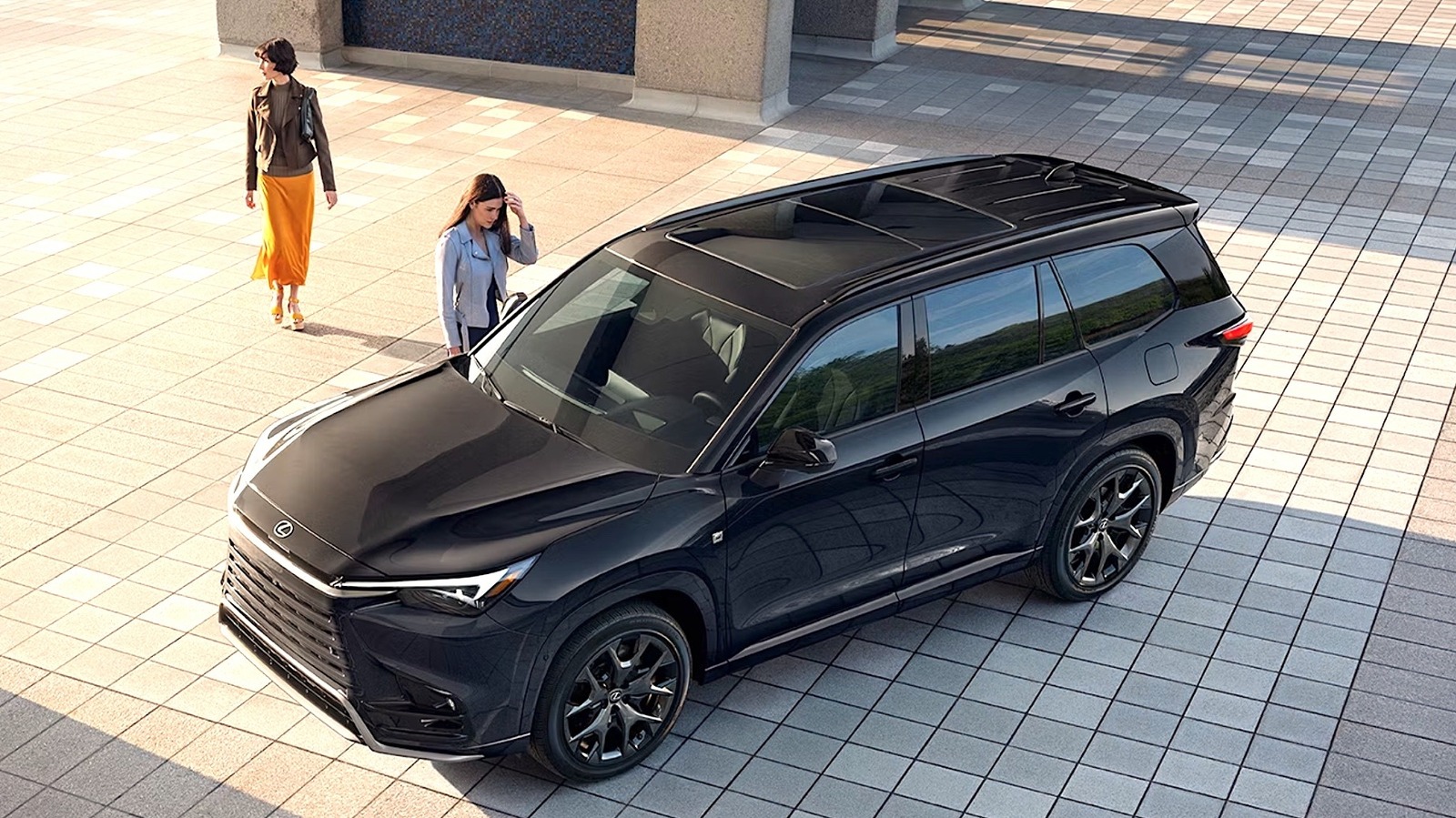
Transforming the In-Car Journey: Benefits of TXM
The integration of these technologies through TXM translates into tangible benefits that fundamentally alter how individuals interact with and perceive their vehicles.
Hyper-Personalization and Adaptive Environments
TXM moves beyond simple seat and mirror memory settings to create a truly adaptive and hyper-personalized environment. From the moment an authenticated driver approaches the vehicle, TXM can adjust everything: seat position, steering wheel height, preferred climate, infotainment settings, navigation home screen, ambient lighting, and even the stiffness of the suspension. These preferences can be learned over time, evolving with the user’s habits and even adapting based on contextual factors like traffic, weather, or the presence of specific passengers. The car essentially becomes an extension of the individual, tailored precisely to their needs and mood.
Enhanced Safety and Proactive Assistance
Safety gains are among the most significant advantages of TXM. Beyond passive safety features, TXM enables proactive and predictive safety measures. Advanced ADAS systems become more intelligent, not just alerting drivers but actively intervening to prevent accidents. Vehicle-to-everything (V2X) communication allows cars to “see” around corners, anticipate hazards obscured by other vehicles, and receive real-time alerts about road conditions or emergency vehicles. Driver monitoring systems can detect fatigue or distraction, offering timely warnings or even gently intervening. The goal is to create a continually aware vehicle that acts as a vigilant co-pilot, significantly reducing the potential for human error.
Seamless Integration with Digital Lifestyles
For many, a car is no longer just a separate entity but an integrated component of their broader digital lifestyle. TXM facilitates this by providing seamless connectivity with smartphones, smart home devices, and wearable technology. Users can start their car remotely, precondition the cabin, send navigation directions from their phone, or even interact with home devices from within the vehicle. Payment systems for fuel, tolls, or parking can be integrated directly into the car’s interface. This creates a continuous, uninterrupted digital experience that extends from home to car and beyond, enhancing convenience and efficiency.
Predictive Maintenance and Optimized Ownership
TXM leverages vehicle diagnostics and AI to move from reactive repairs to predictive maintenance. By continuously monitoring the health and performance of hundreds of components, the system can identify potential issues before they escalate into costly failures. This allows for scheduled, proactive maintenance, reducing downtime, extending the lifespan of parts, and optimizing overall operational costs. For fleet managers and individual owners alike, this translates to greater reliability, lower total cost of ownership, and peace of mind knowing the vehicle is constantly self-assessing its condition.
Navigating the Future: Challenges and Opportunities for Automotive TXM
While the promise of TXM is immense, its full realization comes with a unique set of challenges and opportunities that the industry must address.
Data Privacy, Security, and Trust
The core of TXM is data – vast amounts of personal, operational, and environmental data. This raises significant concerns regarding data privacy, ownership, and cybersecurity. Ensuring robust encryption, secure communication protocols, and transparent data handling policies is paramount to building and maintaining consumer trust. Regulations like GDPR are beginning to set precedents, but the automotive sector faces unique challenges given the sensitivity and volume of data involved. Establishing clear consent mechanisms and empowering users to control their data will be critical for TXM adoption.
Interoperability and Ecosystem Complexity
The automotive landscape is fragmented, with numerous manufacturers, technology providers, software developers, and infrastructure operators. For TXM to deliver a truly seamless experience, interoperability standards and collaborative ecosystems are essential. Vehicles need to communicate effectively with diverse infrastructures, smart cities, and a multitude of third-party applications. This requires open standards, robust APIs, and cooperation across competitors to create a truly integrated and expansive mobility network. The complexity of managing these interconnected systems also presents a significant engineering challenge.

The Evolving Role of the Automobile
Ultimately, TXM is redefining the very purpose and perception of the automobile. No longer merely a means of getting from A to B, the car is transforming into a personalized mobile hub – an office, an entertainment center, a communication device, and a safe haven. This evolution opens up new business models, revenue streams (e.g., subscription services for advanced features), and societal impacts. As vehicles become more autonomous and intelligent, the focus shifts from driving to the “experience” within the vehicle, pushing manufacturers to become not just carmakers, but holistic mobility solution providers and software companies. The journey towards fully realized Total eXperience Management is complex, but its potential to reshape personal mobility is undeniable.
aViewFromTheCave is a participant in the Amazon Services LLC Associates Program, an affiliate advertising program designed to provide a means for sites to earn advertising fees by advertising and linking to Amazon.com. Amazon, the Amazon logo, AmazonSupply, and the AmazonSupply logo are trademarks of Amazon.com, Inc. or its affiliates. As an Amazon Associate we earn affiliate commissions from qualifying purchases.