
In the intricate world of aquatic husbandry, understanding the chemical parameters of a fish tank is not merely a hobbyist’s pursuit but a crucial element with tangible financial implications. Among these, nitrate stands out as a key indicator of water quality that directly impacts the health of your aquatic investment, operational costs, and even potential revenue streams. Far from being a niche scientific concern, effective nitrate management is a bedrock of sound financial planning for anyone involved with aquariums, from casual enthusiasts to professional breeders and maintenance providers.
Nitrate as a Hidden Cost: Protecting Your Aquatic Investment
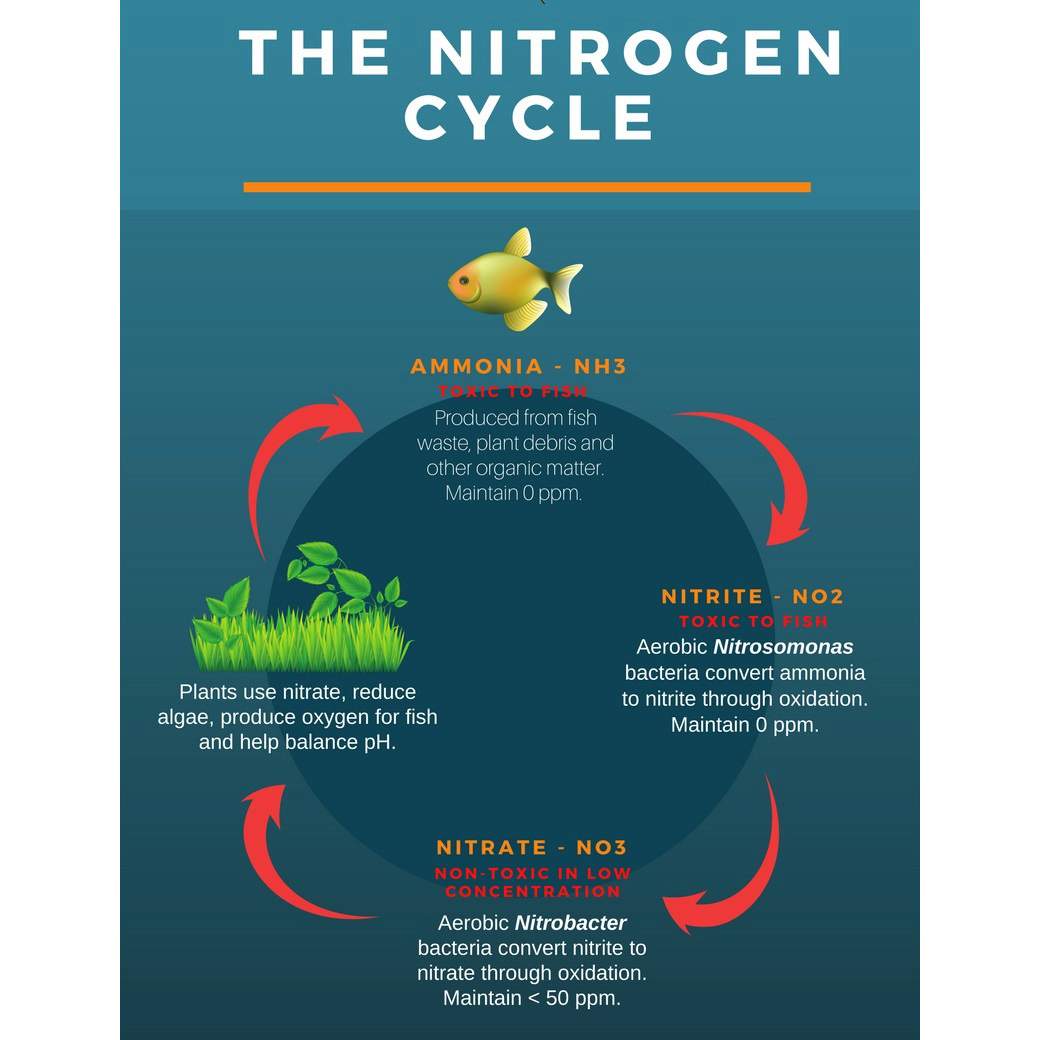
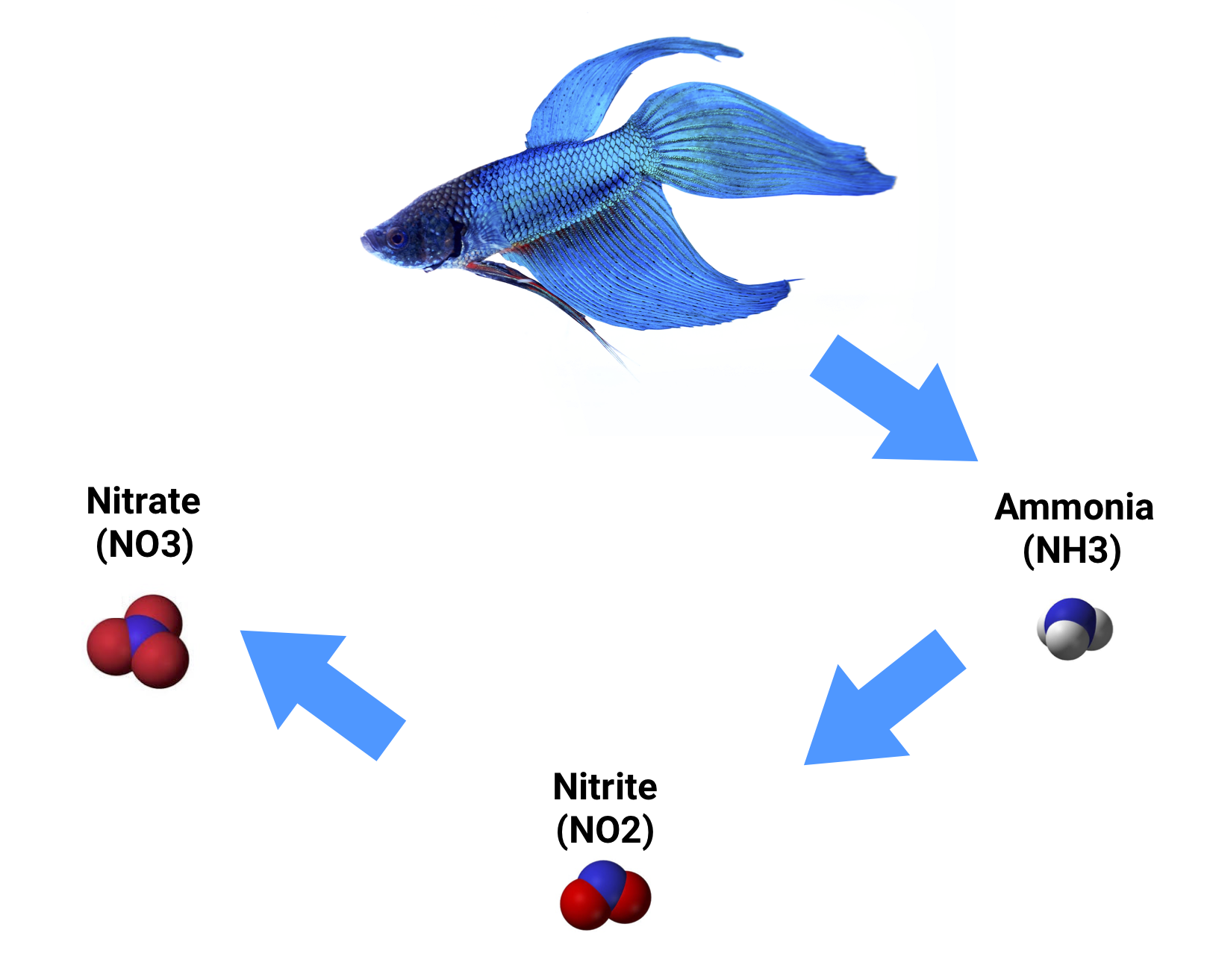
The seemingly benign compound, nitrate (NO3-), is the final product in the nitrogen cycle, a natural biological process occurring in every fish tank. While less toxic than its predecessors, ammonia and nitrite, nitrate accumulates over time and, in high concentrations, becomes a silent killer that can severely erode your financial investment in the hobby or business.
Safeguarding Your Initial Capital
Consider the substantial upfront investment in an aquarium setup. This includes not only the tank itself but also filtration systems, lighting, heaters, substrate, decor, and, most significantly, the livestock. High-end aquarium fish can range from dozens to thousands of dollars per specimen, with entire collections easily totaling five or six figures. Ignoring nitrate levels is akin to leaving a significant financial asset uninsured and unprotected.
When nitrate levels rise unchecked, fish become stressed, their immune systems weaken, and they become highly susceptible to diseases. The eventual outcome is often morbidity and mortality. Each fish lost due to preventable water quality issues represents a direct financial loss. This isn’t just the replacement cost of the fish; it also includes the value of their growth potential, their role in a breeding program, or their aesthetic contribution to a display tank that clients might pay to view or maintain. Protecting this initial capital through diligent nitrate management is paramount to preserving the financial integrity of your aquatic venture.
Avoiding Emergency Costs and Professional Interventions
Neglecting nitrate can trigger a cascade of emergency expenses. A sudden fish health crisis, often precipitated by chronic high nitrate stress, necessitates immediate action. This could involve purchasing costly medications, specialized water conditioners, or even emergency equipment to rectify the situation. Furthermore, if you’re a hobbyist without extensive experience, you might find yourself needing to consult professional aquarium maintenance services, incurring significant hourly rates for emergency calls and specialized treatments.
For businesses, such emergencies can lead to reputational damage, particularly if they involve client tanks or a public display. The cost of rectifying a client’s tank issue, or the lost revenue from a failing display, can far outweigh the minor ongoing costs of proactive nitrate monitoring and control. Investing in regular nitrate testing kits and implementing a consistent maintenance schedule is a minimal expenditure that acts as a robust preventative measure against potentially catastrophic and expensive emergencies.
The True Cost of Neglect: System Collapse and Asset Depreciation
In extreme cases, persistent high nitrate levels, combined with other neglected parameters, can lead to a complete system collapse. This means the loss of an entire tank’s inhabitants, the failure of beneficial bacteria colonies, and potentially irreversible damage to aquatic plants. Rebuilding a collapsed ecosystem is not only time-consuming but also incredibly expensive. It involves restarting the nitrogen cycle from scratch, repurchasing all livestock, and potentially replacing filter media or even entire filtration units if they’ve been compromised.
Beyond immediate losses, long-term neglect impacts the value of your aquatic assets. A well-maintained aquarium, with healthy inhabitants and pristine water quality, retains its value and can even appreciate if it houses rare specimens or a thriving, established ecosystem. Conversely, a tank plagued by chronic nitrate issues, algae blooms, and sickly fish will rapidly depreciate, losing any potential resale value for its components or inhabitants. Understanding nitrate isn’t just about fish health; it’s about shrewd asset management and preventing financial write-offs.
Optimizing Operational Expenses Through Nitrate Management
Effective nitrate management is not just about avoiding losses; it’s about optimizing the ongoing operational costs associated with running an aquarium, whether for personal enjoyment or commercial enterprise. Strategic control of nitrate directly translates into efficiency and savings.
Efficient Filtration and Water Change Strategies
The primary methods for controlling nitrate accumulation are through biological filtration and regular water changes. While essential, both incur costs. Biological filtration requires appropriate media and energy for pumps. Water changes involve the cost of tap water (metered rates), water conditioners to remove chlorine/chloramines, and the energy expended on heating replacement water to tank temperature.
By accurately monitoring nitrate levels, you can fine-tune your water change schedule. Instead of arbitrary weekly changes, you can perform them based on actual need. This prevents unnecessary water usage and conditioner expenditure when nitrate levels are low, while ensuring timely intervention when they begin to climb. Furthermore, investing in high-quality biological filter media that efficiently converts ammonia and nitrite, thus preventing rapid nitrate buildup, can reduce the frequency of demanding maintenance tasks, freeing up valuable time and resources. For commercial operations, this efficiency directly impacts labor costs and utility bills.
Smart Feeding Practices and Nutritional Investment
Overfeeding is one of the most significant contributors to nitrate accumulation. Uneaten food decomposes, releasing ammonia, which then converts to nitrite and finally nitrate. Fish waste also contributes heavily to this cycle. From a financial standpoint, overfeeding is a double-edged sword: you are literally throwing money away in excess food, and then you incur further costs (water changes, filter media) to deal with the resulting water quality degradation.
Adopting smart feeding practices – feeding smaller amounts more frequently, ensuring all food is consumed within minutes, and choosing high-quality, digestible foods – is a direct cost-saving measure. It reduces food waste, minimizes the bioload on your filtration system, and slows the rate of nitrate buildup. This prolongs the life of filter media and reduces the frequency of water changes, directly translating into savings on consumables and utilities. Viewing fish food as an investment in health rather than a mere expense encourages more judicious use.
Proactive Testing: A Small Expense Preventing Large Losses
The cost of a reliable nitrate test kit is negligible compared to the potential financial losses incurred by high nitrate levels. These kits, available in liquid reagent or digital formats, provide accurate readings that empower you to make informed decisions. Delaying or neglecting testing is a false economy.
For a few dollars, a test kit can identify rising nitrate levels before they become critical, allowing for prompt, targeted interventions like a small water change or a reduction in feeding, rather than a costly emergency overhaul. For businesses providing aquarium services, carrying professional-grade testing equipment is an essential business tool. It ensures client satisfaction, prevents expensive callbacks, and establishes credibility. Proactive testing is an insurance policy for your aquatic assets, offering significant peace of mind for a minimal premium.
Monetizing the Aquarium Hobby: Nitrate Management for Profit
For those looking to transition from hobbyist to entrepreneur, or for existing aquatic businesses, mastering nitrate management is not just about cost control, but a direct pathway to profitability and sustained income.
Breeding Programs: Healthy Fry, Higher Returns
Successful fish breeding is a lucrative aspect of the aquarium trade, especially for rare or desirable species. However, breeding success is inextricably linked to water quality, and nitrate plays a critical role. High nitrate levels can inhibit breeding behavior, reduce egg viability, and dramatically increase mortality rates among fragile fry. Healthy, low-nitrate environments promote robust breeding cycles and significantly higher survival rates for offspring.
Each healthy fry represents a potential sale, and higher survival rates directly translate into increased inventory and higher revenue. Investment in rigorous nitrate control systems—from dedicated breeding tanks with specific filtration to precise water change protocols—is an investment that yields exponential returns through successful propagation. Understanding and meticulously controlling nitrate is a core competency for any financially viable breeding operation.
Selling Aquatic Plants: The Role of Nitrate in Growth and Market Value
Aquatic plants are a significant segment of the aquarium market, valued for their aesthetic appeal and their role in a balanced ecosystem. Interestingly, plants consume nitrate as a nutrient, making them a natural ally in nitrate control. However, while some nitrate is beneficial for plant growth, excessive levels, combined with other imbalances, can lead to aggressive algae growth that smothers and outcompetes desirable plants, rendering them unsalable.
For plant growers, managing nitrate to optimal levels (often in conjunction with other nutrients like phosphates and potassium) is crucial for cultivating lush, vibrant, and healthy specimens. High-quality plants fetch premium prices. Plants that are struggling, covered in algae, or exhibiting nutrient deficiencies due to improper nitrate balance (either too high leading to algae, or too low causing starvation) will have little to no market value. Therefore, balancing nitrate levels is a direct determinant of product quality and profitability in the aquatic plant business.
Aquarium Maintenance Services: Expert Knowledge as a Business Asset
Individuals or businesses offering aquarium maintenance services rely heavily on their expertise in water chemistry, with nitrate management being a cornerstone. Clients pay for peace of mind, knowing their expensive aquatic displays are in expert hands. An understanding of nitrate enables service providers to diagnose problems, implement effective solutions, and provide preventative care that keeps client tanks pristine and healthy.
The ability to consistently maintain low nitrate levels, prevent issues, and ensure the longevity of a client’s aquatic setup builds trust, generates recurring revenue, and allows for premium pricing. Conversely, a lack of nitrate expertise leading to recurring problems for clients will quickly erode reputation and business opportunities. For a service provider, nitrate knowledge isn’t just good practice; it’s a valuable, marketable skill that underpins client satisfaction and business growth.
Long-Term Financial Planning for Aquatic Enthusiasts
Integrating nitrate management into long-term financial planning ensures the sustainability and continued enjoyment of your aquatic investment.
Budgeting for Sustainable Aquarium Care
Successful aquarium keeping requires a consistent budget for consumables (food, water conditioners, test kits), electricity, and potential equipment upgrades. By understanding the dynamics of nitrate, you can budget more accurately. For instance, anticipating the need for filter media replacement or recognizing the impact of stocking levels on water change frequency allows for better financial forecasting. Proactive budgeting for regular maintenance items related to nitrate control prevents sudden, unexpected expenses that can derail personal finances or business operations.

Resale Value and Asset Depreciation in Aquatics
Just like any other valuable asset, an aquarium system and its inhabitants can depreciate or appreciate depending on care and maintenance. A meticulously maintained tank with a stable, healthy ecosystem and thriving, perhaps even rare, fish can command a significant resale value. Conversely, a neglected tank with chronic nitrate issues will struggle to find a buyer and may even need to be salvaged for parts, representing a total loss of investment. Consistent nitrate control protects the long-term value of your entire aquatic setup, enabling you to recover a substantial portion of your initial investment if you ever decide to sell or upgrade.
In conclusion, “what is nitrate in a fish tank” transcends a simple scientific inquiry. It is a fundamental question whose answer holds profound financial implications. From protecting substantial investments and optimizing operational expenses to unlocking avenues for profit and ensuring long-term asset value, nitrate management is an indispensable aspect of responsible and financially savvy aquatic stewardship.
aViewFromTheCave is a participant in the Amazon Services LLC Associates Program, an affiliate advertising program designed to provide a means for sites to earn advertising fees by advertising and linking to Amazon.com. Amazon, the Amazon logo, AmazonSupply, and the AmazonSupply logo are trademarks of Amazon.com, Inc. or its affiliates. As an Amazon Associate we earn affiliate commissions from qualifying purchases.