
In the realm of luxury dining, few items command attention quite like a truly exceptional steak. Beyond mere sustenance, the most expensive steaks in the world represent a confluence of meticulous breeding, specialized rearing, stringent grading, and global demand. For the financially astute consumer or the business observer, understanding what drives these exorbitant price tags offers a fascinating glimpse into the economics of ultra-premium goods. This isn’t just about a cut of meat; it’s about a carefully cultivated product existing within a high-value market segment.
The Pinnacle of Bovine Luxury: Understanding Ultra-Premium Steaks
When we talk about the “most expensive” steak, we’re not merely referring to a standard sirloin or ribeye. We’re discussing rare breeds, often from specific geographical locations, that have been raised under conditions far exceeding conventional practices. The price premium isn’t arbitrary; it’s a reflection of a complex economic ecosystem designed to produce and market a truly elite product.
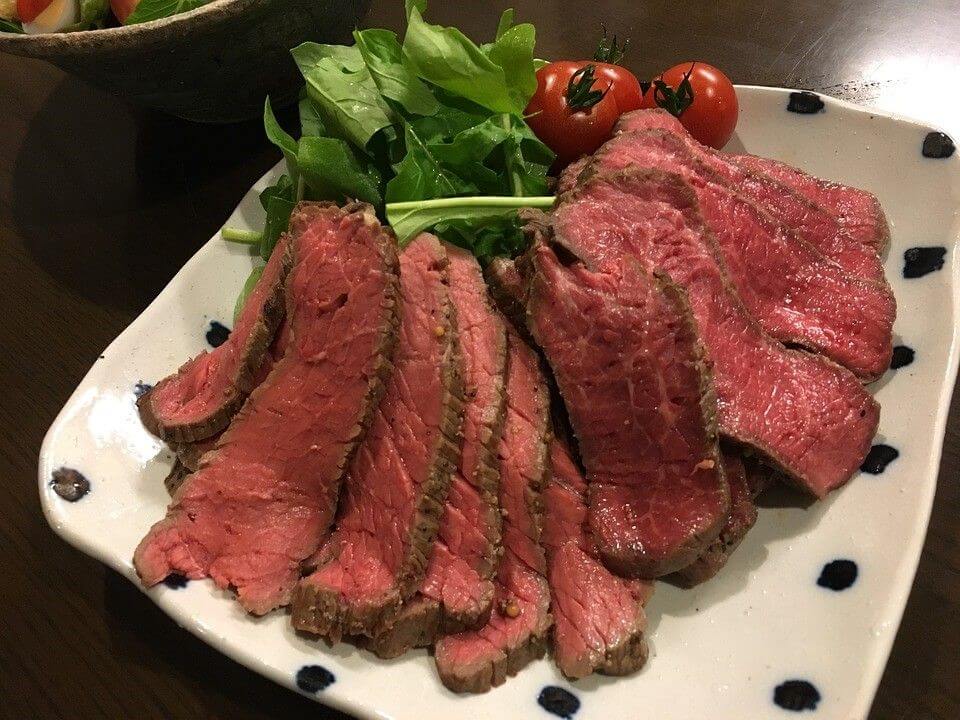
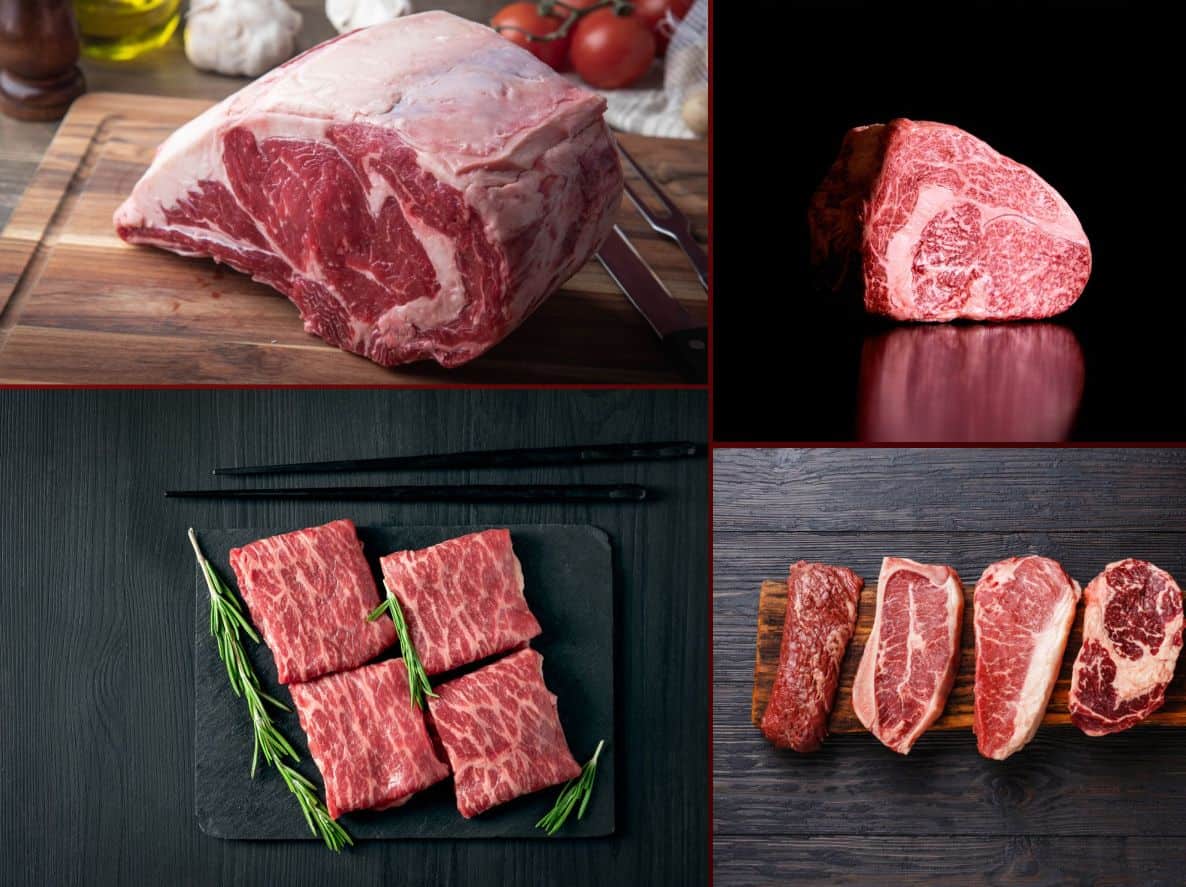
The undisputed champion in the luxury steak market is Japanese Wagyu, particularly those from specific prefectures such as Kobe, Matsusaka, and Miyazaki. “Wagyu” literally translates to “Japanese cow,” and these breeds are genetically predisposed to produce an extraordinary amount of intramuscular fat, known as marbling. This marbling is what gives Wagyu its signature melt-in-your-mouth texture and rich flavor.
Within Japanese Wagyu, the grading system is paramount to its valuation. The Beef Marbling Standard (BMS) ranges from 1 to 12, with 12 being the highest. Combined with yield and meat quality scores, this culminates in an overall grade, with A5 Wagyu representing the pinnacle. An A5 grade signifies not just exceptional marbling but also superior color, brightness, firmness, and texture. This meticulous grading process ensures consistency and justifies the premium pricing by guaranteeing a certain level of quality to the buyer.
Factors Driving Exorbitant Steak Prices
The journey from calf to plate for an ultra-premium steak involves numerous stages, each contributing significantly to its final market value. These factors can be broken down into economic inputs, supply chain dynamics, and market positioning.
1. Breeding and Rearing Costs
The initial investment in genetics is substantial. Purebred Wagyu cattle lines are carefully maintained and often protected. Beyond genetics, the daily care of these animals is unlike any other. They often enjoy specialized diets, which can include beer or sake mash, and even receive massages to ensure even fat distribution and reduce stress, which can negatively impact meat quality. These practices, while seemingly indulgent, are part of the brand and quality assurance, requiring significant labor and material costs. The long rearing period, often 2.5 to 3 years, means a longer capital tie-up for breeders, further increasing the cost basis.
2. Scarcity and Provenance
True Japanese Wagyu, especially from highly regarded prefectures, is a limited commodity. Japan has strict regulations on the export of its top-tier beef, controlling supply and maintaining exclusivity. The specific geographical origin and the traditions associated with its production create a powerful “terroir” effect, similar to fine wines. A steak labeled “Kobe Beef” must meet incredibly strict criteria: it must come from a purebred Tajima-gyu cattle born and raised in Hyogo Prefecture, processed in designated slaughterhouses in Hyogo, and meet exacting quality standards. This exclusivity inherently drives up market prices due to limited availability.
3. Grading and Quality Assurance
As mentioned, the rigorous grading system (A5 for Japanese Wagyu) isn’t just a label; it’s a guarantee of a specific, high-end product. The process involves skilled graders and strict adherence to national standards. This certification adds a layer of trust and perceived value, allowing producers and distributors to command higher prices. Consumers are willing to pay more for a product whose quality is reliably certified.
4. Dry-Aging Process
While not exclusive to Wagyu, dry-aging can significantly enhance the flavor and tenderness of high-quality beef, and it adds considerably to the cost. This process involves storing large cuts of meat in carefully controlled environments (temperature, humidity, airflow) for extended periods, often 30 to 120 days. During this time, enzymes break down muscle fibers, tenderizing the meat, and moisture evaporates, concentrating the flavor. However, dry-aging also results in significant weight loss (up to 30-40%) due to moisture evaporation and trimming of the hardened outer crust. This “shrinkage” means less sellable product from the original weight, directly increasing the cost per usable pound. Furthermore, the specialized facilities and extended inventory holding costs contribute to the premium.
5. Supply Chain and Logistics
Importing ultra-premium beef across continents involves complex logistics. This includes specialized refrigeration, expedited shipping, customs duties, and strict handling protocols to maintain quality. Each step in this intricate supply chain adds to the cost, especially for perishable goods requiring precise temperature control and swift delivery. Distributors and importers also factor in their own margins, reflecting the expertise and risk involved in handling such high-value, sensitive products.
6. Restaurant Markups
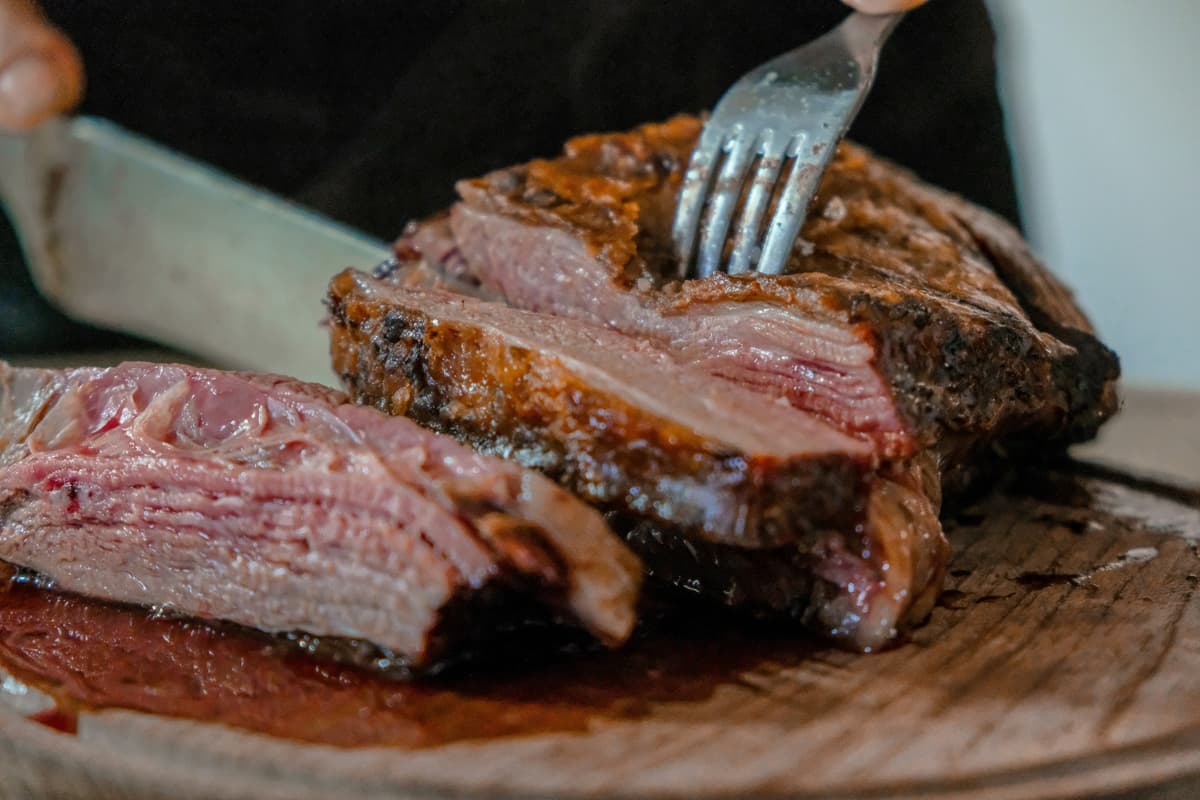
For the end-consumer, a significant portion of the cost comes from the restaurant markup. Fine dining establishments offering these steaks often apply substantial markups—sometimes 300% to 500% or more over their wholesale cost. This isn’t purely profit; it covers the cost of a highly skilled chef, specialized cooking equipment, an exquisite dining ambiance, sommelier services, highly trained waitstaff, and the overall experience associated with luxury dining. Customers are paying not just for the steak, but for the entire curated experience.
The World’s Rarest and Most Costly Cuts
While A5 Japanese Wagyu reigns supreme, specific variants and unique preparations push the boundaries of expense:
1. Olive-Fed Wagyu (Sanuki Wagyu)
From Kagawa Prefecture in Japan, Sanuki Wagyu cattle are fed a diet that includes toasted olive pulp. This unique feed is said to impart a distinctively rich, umami flavor and an even more delicate marbling. Its rarity and the specialized feeding regimen make it one of the most exclusive and expensive steaks in the world, often surpassing standard A5 Wagyu prices.
2. Vintage or Aged Wagyu
Beyond standard dry-aging, some specialized producers or restaurants offer “vintage” Wagyu, referring to meat from older, more mature animals, or beef that has been aged for an exceptionally long period. This extended aging process deepens the flavor profile, but also results in greater material loss and higher inventory costs, pushing prices into the ultra-luxury bracket.
3. Premium Dry-Aged Prime Beef (Non-Wagyu)
While Japanese Wagyu often tops the list, exceptional examples of USDA Prime beef (the highest grade in the U.S.) or premium European breeds like Rubia Gallega can also command significant prices, especially after extensive dry-aging. These aren’t typically “the most expensive” overall, but a well-aged 200-day Ribeye from a top American producer can still reach hundreds of dollars per serving in a high-end steakhouse.
Is It Worth the Price Tag? A Financial Perspective
From a purely financial standpoint, whether the “most expensive steak” is “worth it” is subjective and depends heavily on individual disposable income, perceived value, and opportunity cost.
For a consumer with a significant budget, the experience of a truly exquisite, rare steak can be seen as an experiential investment. It’s a culinary journey, a status symbol, and an indulgence in unparalleled quality. The joy derived from such a unique meal might justify the cost, much like a collector might pay a premium for a rare piece of art.
However, from an objective value perspective, the law of diminishing returns applies acutely. The jump in quality from a very good steak to an excellent one might be significant, but the jump from an excellent steak to the “most expensive” often involves marginal improvements in flavor or texture at exponentially higher costs. Much of the additional cost covers rarity, provenance, branding, and the elaborate dining experience rather than a proportional increase in intrinsic taste.
For many, the opportunity cost of spending hundreds or even thousands on a single meal could be invested elsewhere – savings, other experiences, or philanthropic endeavors. Understanding this trade-off is crucial for financial decision-making, even in the realm of luxury spending. The decision to purchase the most expensive steak is often less about absolute culinary necessity and more about discretionary spending, status, and the pursuit of ultimate indulgence.
Beyond the Plate: Economic Impact and Status
The market for ultra-expensive steaks highlights several key economic principles. It demonstrates the power of scarcity, branding, and meticulous quality control in creating a high-value product. It showcases how demand from affluent consumers globally can sustain a niche market for luxury goods, even when prices reach astronomical levels.
For restaurants, offering these steaks can be a strategic business decision. While the profit margins on individual steaks can be high, the true value often lies in the halo effect it creates. Featuring the world’s most expensive steak attracts a clientele willing to spend more on other high-margin items like fine wines, appetizers, and desserts. It elevates the restaurant’s brand image, signaling an establishment of unparalleled quality and exclusivity.
In conclusion, the title of “most expensive steak” is typically held by a cut of A5 Japanese Wagyu, often from specific, highly regarded prefectures and potentially enhanced by unique feeding regimens or extended aging processes. Its cost is a complex equation derived from meticulous breeding, high rearing costs, extreme scarcity, rigorous grading, intricate logistics, and significant restaurant markups. For those who purchase it, it’s not just a meal, but an investment in an experience, a status symbol, and a testament to the intricate economics of global luxury.
aViewFromTheCave is a participant in the Amazon Services LLC Associates Program, an affiliate advertising program designed to provide a means for sites to earn advertising fees by advertising and linking to Amazon.com. Amazon, the Amazon logo, AmazonSupply, and the AmazonSupply logo are trademarks of Amazon.com, Inc. or its affiliates. As an Amazon Associate we earn affiliate commissions from qualifying purchases.