
Navigating the landscape of employment laws can be complex, especially when it comes to understanding specific wage requirements for different demographics. For minors entering the workforce in Michigan, comprehending the state’s minimum wage regulations is crucial for both young workers and their employers. This guide delves into the specifics of Michigan’s minimum wage for minors, outlining the legal framework, specific rates, employer obligations, and the broader financial implications for young individuals embarking on their career journeys.
Understanding Michigan’s Minimum Wage Landscape
Michigan, like many states, maintains its own minimum wage laws that can differ from federal standards. These state-specific regulations often include provisions for various categories of workers, including minors.
The General Minimum Wage in Michigan
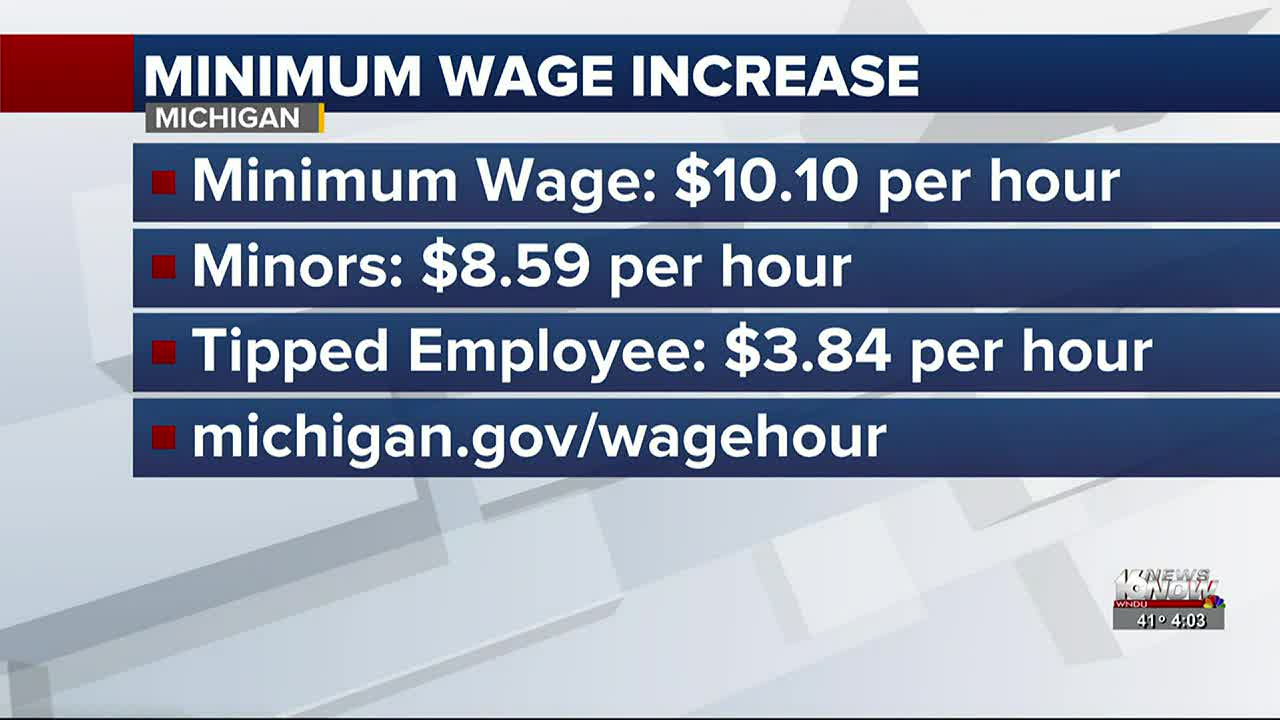
Michigan’s general minimum wage is typically updated annually, often tied to economic indicators or legislative mandates. As of recent updates, the state’s general minimum wage rate applies to most adult workers aged 18 and older who are not subject to specific exemptions. This rate serves as the baseline from which other special wage rates, including those for minors, are often derived. It’s imperative for individuals to consult the Michigan Department of Labor and Economic Opportunity (DLEO) for the most current hourly rates, as these figures are subject to change.
Federal vs. State Minimum Wage
When both federal and state minimum wage laws apply to an employee, the law that provides the higher wage rate is the one that employers must follow. The federal minimum wage, currently set at a lower rate than Michigan’s, acts as a national floor. However, since Michigan’s state minimum wage generally exceeds the federal standard, Michigan employers are typically required to pay their employees, including eligible minors, at least the state’s higher rate or a state-defined sub-minimum wage if applicable. This ensures that Michigan workers benefit from the more favorable compensation standard.
The Youth Minimum Wage Exception
Michigan law, under the Michigan Youth Employment Standards Act, recognizes that certain categories of workers, specifically minors, may be paid a different minimum wage rate. This distinction is often rooted in the understanding that minors are frequently engaged in entry-level positions, potentially require more training, and are gaining initial work experience. The law delineates specific rules for employees under the age of 18, setting parameters for their wages, work hours, and permissible occupations. This youth minimum wage is a key aspect for any minor seeking employment in the state.
Specific Minimum Wage Rates for Minors in Michigan
Michigan law explicitly addresses the minimum wage for young workers, offering specific rates that differ from the general adult minimum wage. These rates are designed to balance the goal of providing fair compensation with the recognition of minors’ status as developing members of the workforce.
The Standard Minor Wage Rate
For minors under 18 years of age, Michigan law typically permits a sub-minimum wage rate. This rate is usually a percentage of the standard adult minimum wage. Historically, this rate has been set at approximately 85% of the prevailing adult minimum wage. For instance, if the general adult minimum wage is $10.33 per hour, the minor’s minimum wage might be around $8.78 per hour. This specific rate is applicable to most non-tipped minor employees and is intended to facilitate entry into the labor market for young individuals. Employers must adhere strictly to these published rates, which are updated alongside the general minimum wage. It is vital for both minors and employers to verify the exact current percentage and resulting hourly rate through official state resources.
The “Tipped Employee” Minor Wage
The landscape for minors working in tipped occupations, such as servers or baristas, introduces another layer of complexity. Michigan law allows for a lower direct wage for tipped employees, provided that their tips, when combined with the direct wage, meet or exceed the standard adult minimum wage. For minors in tipped roles, the minimum direct wage an employer must pay is also typically a percentage of the general tipped minimum wage rate (which is itself lower than the non-tipped minimum wage).
Employers must ensure that the “tip credit” system works correctly. If a minor’s direct tipped wage plus their earned tips do not average out to at least the full applicable adult minimum wage for all hours worked in a pay period, the employer is legally obligated to make up the difference. This safeguard ensures that minors in tipped positions ultimately receive compensation equivalent to or exceeding the standard adult minimum wage, even if their direct hourly rate is lower.
Training Wage and Other Exceptions
Michigan law also includes provisions for a “training wage,” which may apply to certain new employees, including minors, for a limited period. This special minimum wage rate is typically lower than the standard minor wage and is permissible for the first 90 calendar days of employment. The intent behind a training wage is to support employers in the cost of training new workers and to encourage job creation for entry-level positions. After this initial training period, the minor must be paid at least the standard minor minimum wage.
Beyond the general minor wage and training wage, there are also specific, albeit rare, exemptions such as certain student learners or individuals working in seasonal agricultural jobs under specific conditions. These exceptions often come with strict criteria and time limits. For the vast majority of minors, the standard minor minimum wage and the specific rules for tipped employees will apply. It is always recommended to consult the official publications of the Michigan DLEO for a comprehensive understanding of all current exceptions and their applicability.
Employer Responsibilities and Minor Worker Rights

Ensuring compliance with Michigan’s minimum wage laws for minors extends beyond simply paying the correct hourly rate. Employers have significant responsibilities, and minors are afforded specific rights under state law.
Accurate Record-Keeping and Pay Stubs
Employers are legally required to maintain accurate and detailed records of all hours worked by minors. This includes clock-in and clock-out times, total daily and weekly hours, and a clear breakdown of wages paid. Furthermore, employers must provide detailed pay stubs with each paycheck. These stubs should clearly itemize gross wages, all deductions (such as taxes), and net pay. For minors, understanding these deductions is a crucial step in financial literacy, and accurate pay stubs enable them to verify they are being paid correctly. Any discrepancies should be promptly addressed with the employer.
Overtime Rules for Minors
While minors in Michigan have specific restrictions on the number of hours they can work, if they do work more than 40 hours in a workweek, they are generally entitled to overtime pay. Michigan’s overtime law mandates that employees receive 1.5 times their regular rate of pay for all hours worked over 40 in a seven-day workweek. This rule applies equally to minor workers who exceed the 40-hour threshold, provided they are not otherwise exempt. It’s important to note, however, that the Michigan Youth Employment Standards Act places strict limits on the number of hours minors can work, especially during school days and weeks, which often prevent them from accumulating significant overtime.
Deductions and Wage Protections
Michigan law outlines specific rules regarding what can and cannot be deducted from an employee’s wages, including minors. Permissible deductions typically include federal, state, and local income taxes, as well as Social Security and Medicare taxes (FICA). Other deductions for benefits like health insurance or retirement contributions are only allowed if explicitly authorized in writing by the employee (or their parent/guardian for minors). Employers cannot make deductions for things like cash register shortages, breakage, or uniforms if the deduction would bring the employee’s pay below the minimum wage. Minors have the right to receive their full wages without unauthorized or illegal deductions.
Filing a Wage Complaint
If a minor believes they have not been paid the correct minimum wage, overtime, or if unauthorized deductions have been made, they have the right to file a wage complaint. The Michigan Department of Labor and Economic Opportunity (DLEO) is the primary state agency responsible for investigating such claims. Minors, or their parents/guardians, can typically access complaint forms and guidance on the DLEO website. Filing a complaint is a protected right, and employers are prohibited from retaliating against an employee for exercising this right.
Financial Implications for Minors and Families
Earning a minimum wage job as a minor is often the first step into the world of personal finance. Understanding the financial implications can set a strong foundation for future fiscal responsibility.
Budgeting and Financial Literacy
For many minors, their first job provides an invaluable opportunity to learn about budgeting, saving, and managing earned income. Even with a minimum wage, understanding how to allocate funds for wants versus needs, setting aside money for savings goals, and recognizing the impact of taxes on gross pay are critical life skills. Parents and guardians can play a significant role in guiding minors through this process, helping them create simple budgets and track their spending, fostering a sense of financial independence and responsibility.
Impact on College Savings and Future Goals
While a minor’s minimum wage earnings may not seem substantial, consistent employment can significantly contribute to their financial future. Monies earned can be saved for various goals, such as college tuition, vocational training, purchasing a first car, or investing in future entrepreneurial endeavors. Even small contributions made consistently can accumulate over time, teaching the power of compound interest and long-term financial planning. This early exposure to earning and saving can instill valuable habits that extend far beyond their teenage years.
Understanding Tax Obligations
Minors, like adult workers, are subject to certain tax obligations. Their earnings may be subject to federal income tax, Michigan state income tax, and FICA taxes (Social Security and Medicare), depending on their total annual income. Employers will typically require minors to complete a W-4 form to determine appropriate tax withholdings. While many minors may earn below the threshold for owing federal or state income tax, FICA taxes are generally withheld regardless of income level. Understanding these obligations is crucial for accurate tax filing and can be an eye-opening experience for young workers about the broader economic system. Parents often claim minors as dependents, and a minor’s income can have implications for the parents’ tax returns as well, particularly concerning certain tax credits or deductions.

Key Takeaways for Minor Workers and Employers
For minors in Michigan, starting a job is an exciting milestone. Understanding the specific minimum wage laws, their rights, and their responsibilities is paramount.
Minors should proactively learn about the current minimum wage rates applicable to them, understand their pay stubs, and keep track of their hours worked. They should not hesitate to ask questions if they are unsure about their pay or working conditions. Resources from the Michigan Department of Labor and Economic Opportunity are readily available to help clarify these details.
For employers, strict adherence to Michigan’s Youth Employment Standards Act and the state’s minimum wage laws is not just a legal obligation but also a critical component of fostering a fair and ethical workplace. Regularly reviewing current wage rates, understanding specific rules for minors (including work hours and permissible tasks), and maintaining meticulous records will ensure compliance and protect both the business and its young employees. Staying informed through official state government channels remains the most reliable method for obtaining accurate and up-to-date information on minimum wage regulations for minors in Michigan.
aViewFromTheCave is a participant in the Amazon Services LLC Associates Program, an affiliate advertising program designed to provide a means for sites to earn advertising fees by advertising and linking to Amazon.com. Amazon, the Amazon logo, AmazonSupply, and the AmazonSupply logo are trademarks of Amazon.com, Inc. or its affiliates. As an Amazon Associate we earn affiliate commissions from qualifying purchases.