
In the vast landscape of medical technology, precision is not merely a goal but an absolute necessity. From diagnostic imaging to robotic surgery, the underlying principles that govern human anatomy provide the bedrock upon which sophisticated technological solutions are built. Among these foundational concepts, the midsagittal plane stands out as a critical reference point, enabling advanced functionalities in software, hardware, and artificial intelligence applications across healthcare.
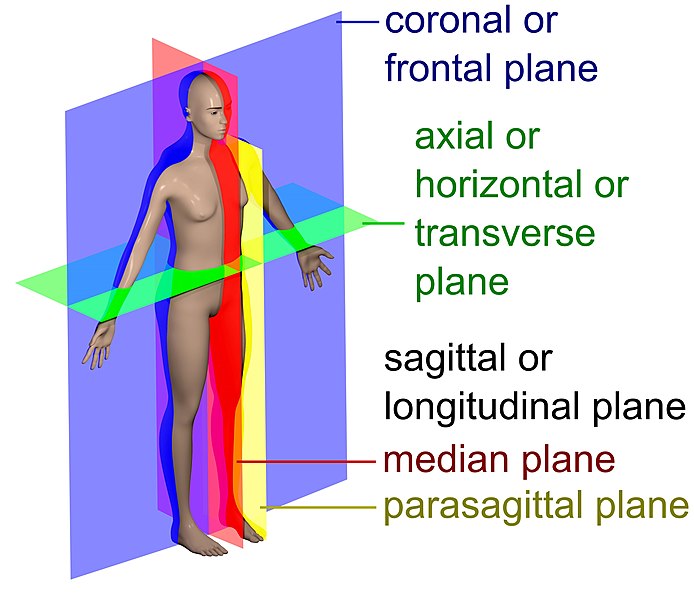
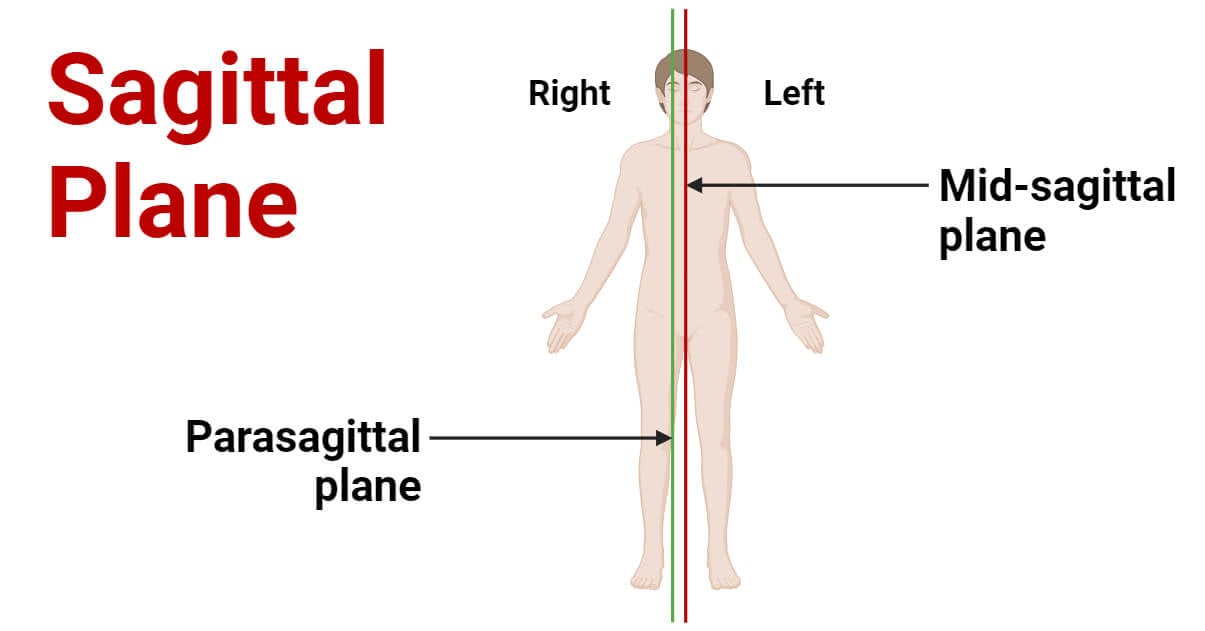
At its core, the midsagittal plane is a conceptual line that divides a bilaterally symmetrical organism, such as a human, directly into two equal right and left halves. It is a specific type of sagittal plane, which itself is any vertical plane that divides the body into left and right sections. What distinguishes the midsagittal plane is its precise central location, passing through the midline structures of the body, including the spinal cord, nose, and navel. This anatomical landmark, while seemingly simple, carries profound implications for how technology interfaces with and interprets the human form.
The Midsagittal Plane in Advanced Medical Imaging and Diagnostics
The advent of digital medical imaging revolutionized diagnostics, moving from static X-rays to dynamic, multi-dimensional views of the body’s interior. Technologies like Computed Tomography (CT), Magnetic Resonance Imaging (MRI), and advanced Ultrasound machines generate vast amounts of data, which sophisticated software algorithms then process, reconstruct, and render for clinical interpretation. The midsagittal plane plays an indispensable role in this process.
Software Reconstruction and Visualization
Medical imaging devices capture slices of the body at various orientations. Imaging software, a cornerstone of modern radiology, leverages mathematical models to reconstruct these raw data sets into coherent 2D and 3D images. When radiologists or clinicians need to visualize specific structures or pathologies along the body’s central axis, selecting a midsagittal view is often paramount. This view provides a consistent, standardized reference, allowing for comparative analysis of symmetrical organs, assessment of spinal alignment, or detailed examination of brain structures situated along the midline. Software interfaces are designed to easily generate and manipulate these views, offering tools for zooming, panning, and annotating the reconstructed midsagittal images. Without the precise definition of this plane, automated segmentation and measurement tools, critical for accurate diagnosis and progression monitoring, would lack a reliable standard reference.
Data Analysis and AI-Driven Diagnostics
The true power of the midsagittal plane in imaging extends beyond mere visualization. For AI algorithms in diagnostic tools, understanding and identifying the midsagittal plane is a foundational step in automated image analysis. Machine learning models, trained on thousands of medical scans, learn to identify anatomical landmarks and pathologies. The midsagittal plane often serves as a key fiducial marker, helping algorithms orient themselves within complex 3D data. For instance, in neuroimaging, AI might use the midsagittal plane to normalize brain scans, ensuring that comparisons between different patients or over time are anatomically consistent. This normalization is crucial for detecting subtle asymmetries or volumetric changes indicative of neurological conditions. Furthermore, in orthopedic applications, AI can analyze midsagittal views of the spine to automatically detect curvature abnormalities or vertebral misalignments, greatly assisting clinicians in screening and treatment planning.
Precision Engineering: Surgical Robotics and 3D Anatomical Modeling
Beyond diagnostics, the midsagittal plane is an indispensable concept in the realm of surgical robotics and the development of highly accurate 3D anatomical models. These technologies demand extreme precision and an intimate understanding of spatial relationships within the human body.
Robotic-Assisted Surgery and Navigation Systems
Surgical robotics, such as the da Vinci Surgical System, empower surgeons with enhanced dexterity, precision, and visualization. For these robots to operate effectively, they rely on advanced navigation and guidance systems that map the surgical field in real-time. The midsagittal plane, along with other anatomical landmarks, serves as a crucial reference for calibrating the robotic arms, planning surgical trajectories, and avoiding critical structures. In spine surgery, for example, precise alignment relative to the midsagittal plane is essential for implant placement and correction of deformities. Robotic systems often use preoperative imaging data, precisely aligned using the midsagittal plane, to create a digital “blueprint” of the patient’s anatomy, which the robot then uses for guidance during the procedure. This integration of anatomical understanding with sophisticated engineering ensures that surgical actions are performed with unparalleled accuracy, minimizing invasiveness and improving patient outcomes.

3D Anatomical Modeling and Simulation Software
The creation of accurate 3D anatomical models, essential for medical education, surgical planning, and prosthetic design, fundamentally depends on understanding and applying anatomical planes. Software platforms like Visible Body, OsiriX, or various CAD (Computer-Aided Design) programs used in biomedical engineering leverage the midsagittal plane as a primary axis for building and manipulating virtual anatomies.
- Medical Education: In virtual dissection tables and augmented reality (AR)/virtual reality (VR) anatomy trainers, the midsagittal plane provides a consistent way for students to explore the body’s internal structures. Educators can virtually “slice” through a 3D model along this plane, revealing the intricate relationships between organs and tissues along the body’s central axis, offering an interactive learning experience far beyond traditional textbooks or cadavers.
- Surgical Planning: Before complex surgeries, surgeons often use patient-specific 3D models derived from CT or MRI scans. These digital twins allow for rehearsal and planning, and the midsagittal plane is critical for assessing symmetry, determining incision points, and anticipating challenges. For neurosurgery, visualizing pathologies relative to the midsagittal plane is vital for safe access.
- Prosthetics and Implants: Designing custom prosthetics or surgical implants requires precise alignment with the human body. Engineers use 3D modeling software, often referencing the midsagittal plane, to ensure that devices are symmetrical, fit correctly, and maintain proper biomechanical function. For example, spinal implants must be designed to restore the spine’s natural curvature and alignment, which is assessed in relation to the midsagittal axis.
The Midsagittal Plane in Augmented Reality, Virtual Reality, and Telemedicine
Emerging technologies like AR, VR, and advancements in telemedicine are further integrating the concept of the midsagittal plane to enhance medical practice and training.
Immersive Learning and Surgical Training
Augmented reality and virtual reality technologies are transforming medical education and surgical training. In AR, virtual anatomical overlays can be projected onto a patient during surgery or onto a mannequin during training. The accurate alignment of these overlays, often facilitated by tracking the patient’s midsagittal plane, ensures that the virtual information corresponds precisely with the physical reality. VR simulations allow medical professionals to practice complex procedures in a risk-free environment. These simulations often include virtual patients that can be “sliced” along the midsagittal plane, providing trainees with invaluable experience in understanding spatial relationships and surgical approaches from various perspectives, enhancing their spatial reasoning and precision.
Telemedicine and Remote Collaboration
The growing field of telemedicine benefits from standardized anatomical references like the midsagittal plane. When medical images are shared remotely for consultation or collaborative diagnosis, maintaining consistent orientation is paramount. Software platforms used in telemedicine often allow remote users to manipulate 3D models and imaging slices, including views along the midsagittal plane, ensuring that all parties are discussing the same anatomical context. This consistency facilitates accurate diagnoses and effective treatment planning, regardless of geographical distance. For instance, a specialist consulting on a complex spinal case via telemedicine might request specific midsagittal views to assess spinal alignment, ensuring clear communication and shared understanding across different locations.
Future Trends: Digital Twins and Personalized Medicine
As technology continues to advance, the concept of the midsagittal plane will remain central to innovations in personalized medicine and the creation of “digital twins.”
Personalized Digital Twins
The idea of a “digital twin”—a virtual replica of an individual’s biology, physiology, and pathology—is gaining traction. These highly detailed, dynamic models will allow for predictive modeling of disease progression, personalized drug efficacy testing, and highly individualized treatment plans. The construction of an accurate digital twin starts with foundational anatomical data, including precise measurements and symmetrical relationships defined by planes like the midsagittal. These digital twins will not only represent a patient’s current state but also simulate responses to various interventions, all based on a precise anatomical framework.
AI in Anatomical Mapping and Predictive Analytics
Artificial intelligence will increasingly be used to create highly detailed, patient-specific anatomical maps, refining the understanding of individual variations around the midsagittal plane. AI algorithms can identify subtle asymmetries or deviations that might be precursors to disease or indicators of unique anatomical features relevant for surgical planning. Predictive analytics, leveraging these detailed anatomical maps, can then forecast the effectiveness of different therapeutic approaches, leading to truly personalized and optimized medical interventions.
In conclusion, while the midsagittal plane is a fundamental concept rooted in classical anatomy, its impact on modern technology is profound and ever-expanding. From powering the sophisticated visualization tools in medical imaging software to guiding the precise movements of surgical robots and enabling immersive educational experiences in AR/VR, this simple anatomical reference underpins much of the innovation driving healthcare forward. As technology continues to evolve, the ability to accurately interpret, model, and interact with the human body, anchored by core anatomical principles like the midsagittal plane, will remain paramount to achieving higher standards of precision, personalization, and efficacy in medicine.
aViewFromTheCave is a participant in the Amazon Services LLC Associates Program, an affiliate advertising program designed to provide a means for sites to earn advertising fees by advertising and linking to Amazon.com. Amazon, the Amazon logo, AmazonSupply, and the AmazonSupply logo are trademarks of Amazon.com, Inc. or its affiliates. As an Amazon Associate we earn affiliate commissions from qualifying purchases.