
Microdiscectomy surgery, a common procedure for alleviating back pain caused by a herniated disc, represents a significant decision point for individuals, not just from a health standpoint but crucially from a financial one. While the immediate focus for patients is often on relief and recovery, understanding the intricate financial implications of such a specialized medical intervention is paramount. This exploration delves into microdiscectomy not merely as a surgical technique but as a considerable financial event, examining its costs, insurance nuances, and the broader economic considerations for patients.
The Financial Landscape of Spinal Surgery
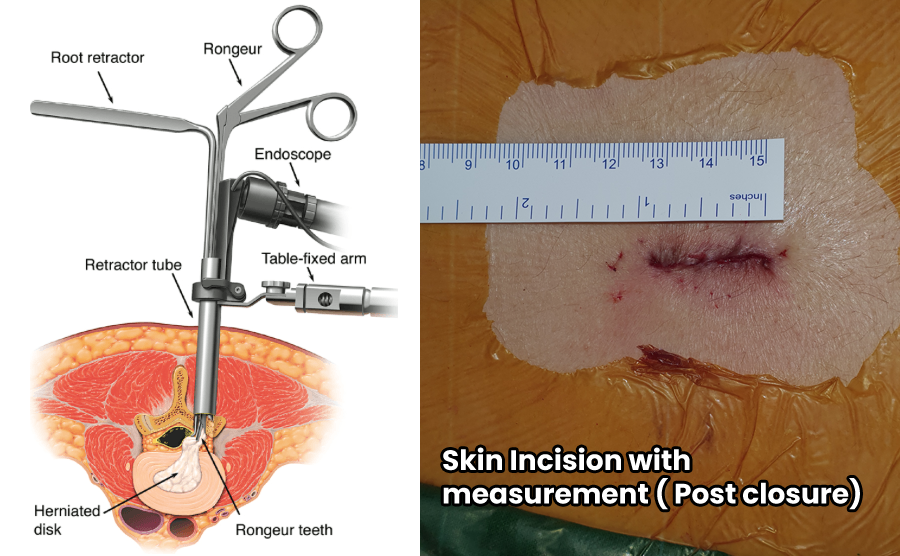
Spinal surgeries like microdiscectomy fall under the category of high-cost medical procedures, reflecting the specialized skills required, the advanced equipment utilized, and the comprehensive care involved. A microdiscectomy specifically targets the removal of a small portion of a herniated disc that is pressing on a nerve, a procedure designed to be minimally invasive. However, “minimally invasive” does not necessarily translate to “minimally expensive.” For an individual, grasping the full scope of potential expenses is the first step in managing this significant financial undertaking.
Deconstructing the Cost: What You Pay For
The total cost of a microdiscectomy is rarely a single, fixed figure. Instead, it’s an amalgamation of several distinct charges from various providers and facilities. Patients often encounter a complex billing structure that encompasses multiple services, each contributing to the final bill.
- Surgeon’s Fees: This covers the professional services of the neurosurgeon or orthopedic spine surgeon performing the procedure. These fees vary widely based on the surgeon’s experience, reputation, geographic location, and whether they are in-network with a patient’s insurance plan.
- Anesthesiologist’s Fees: Another crucial professional service, the anesthesiologist is responsible for administering anesthesia and monitoring the patient throughout the surgery. Like surgeon’s fees, these are distinct and can fluctuate.
- Hospital or Ambulatory Surgery Center (ASC) Charges: This is often the largest component of the bill. It covers the use of the operating room, recovery room, sterile supplies, nursing staff, equipment, and potentially an overnight stay if the procedure requires it. ASCs generally offer lower facility fees than hospitals for outpatient procedures, making them an attractive, cost-saving option when appropriate.
- Pre-operative Diagnostics: Before surgery, patients typically undergo imaging tests such as Magnetic Resonance Imaging (MRI) or X-rays to accurately diagnose the condition and plan the surgery. These diagnostic tests incur separate charges, often performed days or weeks before the actual procedure.
- Post-operative Care: While sometimes overlooked in initial cost estimates, post-surgical expenses are critical. These can include prescription medications for pain management, follow-up appointments with the surgeon, and, most notably, physical therapy. Rehabilitation is a vital part of recovery, and multiple sessions over weeks or months can add up significantly.
- Geographic Variations: The cost of microdiscectomy can differ substantially based on the region, state, and even city where the surgery is performed. Areas with a higher cost of living or more specialized medical centers typically have higher prices.
- In-network vs. Out-of-network: Receiving care from providers and facilities within an insurance network can drastically reduce out-of-pocket expenses compared to going out-of-network, where insurers pay a smaller percentage or none at all, leaving the patient responsible for the balance.
Understanding each of these components is crucial for patients attempting to estimate and prepare for the financial commitment involved.
Navigating Insurance and Out-of-Pocket Expenses
The role of health insurance in mitigating the financial burden of microdiscectomy cannot be overstated. However, simply having insurance does not guarantee full coverage, and patients must be proactive in understanding their policy’s specifics.
Understanding Your Health Insurance Plan
Most insurance plans include several key financial terms that directly impact a patient’s out-of-pocket costs for surgery:
- Deductible: The amount of money a patient must pay for covered healthcare services before their insurance plan starts to pay. For major surgeries, patients often need to meet their entire deductible.
- Co-pay: A fixed amount a patient pays for a covered healthcare service after they’ve paid their deductible. While more common for office visits, some plans might have co-pays for facility usage.
- Co-insurance: This is the percentage of costs a patient pays for a covered healthcare service after they’ve met their deductible. For instance, if a plan pays 80%, the patient is responsible for the remaining 20% until they reach their out-of-pocket maximum.
- Out-of-Pocket Maximum: This is the most a patient will have to pay for covered services in a plan year. Once this limit is reached, the insurance company typically pays 100% of the cost of covered benefits for the remainder of the year. For an expensive procedure like microdiscectomy, reaching this maximum is a common scenario.
The Importance of Pre-authorization
Before undergoing a microdiscectomy, it is almost always mandatory for the patient’s healthcare provider to obtain pre-authorization from the insurance company. This is not just a formality; it’s a critical step to ensure the procedure is deemed medically necessary and covered by the plan. Failing to get pre-authorization can result in the insurance company denying coverage, leaving the patient responsible for the entire bill.
High-Deductible Health Plans (HDHPs) and Health Savings Accounts (HSAs)
For individuals enrolled in HDHPs, microdiscectomy can present a substantial upfront financial challenge due to the higher deductible amounts. However, HDHPs are often paired with Health Savings Accounts (HSAs). HSAs allow individuals to save money tax-free for medical expenses, grow tax-free, and be withdrawn tax-free for qualified medical costs. For those anticipating or planning for potential surgeries, consistently contributing to an HSA can be an invaluable financial strategy. Similarly, Flexible Spending Accounts (FSAs), often offered through employers, allow pre-tax contributions to cover medical expenses within a plan year.
Surprise Billing and How to Mitigate It
A significant concern for patients undergoing surgery is “surprise billing,” where a patient receives an unexpected bill from an out-of-network provider (e.g., an anesthesiologist or assistant surgeon) even when the primary facility was in-network. Recent legislation, such as the No Surprises Act in the U.S., aims to protect patients from these bills, but patients should still proactively verify that all providers involved in their care are in-network or understand the potential costs if they are not. Requesting an itemized bill before and after the procedure can help clarify charges and identify discrepancies.
Cost-Benefit Analysis: Is Microdiscectomy a Sound Investment?
Beyond the immediate costs, evaluating microdiscectomy from a financial cost-benefit perspective is crucial. For many, the decision to undergo surgery isn’t just about pain relief; it’s about reclaiming productivity, maintaining employment, and avoiding even greater long-term financial drains.

Comparing Chronic Pain vs. Surgical Intervention Costs
Living with chronic, debilitating back pain from a herniated disc can impose an immense financial burden that often far exceeds the upfront cost of surgery. This includes:
- Lost Wages and Productivity: Reduced work capacity, frequent absences, or even inability to work due to pain directly impacts income and career progression.
- Ongoing Conservative Treatment Costs: Repeated visits to physical therapists, chiropractors, acupuncturists, specialists, and continuous medication refills (pain relievers, muscle relaxants) can accumulate over years, often without providing a permanent solution.
- Reduced Quality of Life: While not directly financial, the inability to participate in activities or care for oneself can indirectly lead to expenses for assistance or adaptation.
From this perspective, a successful microdiscectomy can be viewed as an investment in health and human capital. By resolving the underlying issue, it can eliminate recurring costs, restore earning potential, and improve overall financial stability over the long term.
The Concept of “Investing in Health”
Much like investing in education or property, investing in one’s health through a necessary surgical procedure can yield significant returns. For a professional whose livelihood depends on physical capability or cognitive clarity unclouded by pain, restoring health can directly translate to increased earning potential, job security, and reduced future healthcare expenditures related to the specific condition. This perspective shifts the narrative from surgery as an expense to surgery as a strategic financial move to preserve or enhance future economic well-being.
Risks and Potential for Revision Surgery
It’s important to acknowledge that not all surgeries are successful, and complications or a recurrence of disc herniation can lead to the need for revision surgery. Each subsequent surgery carries its own set of costs, potentially compounding the financial burden. Patients must weigh these risks and discuss them thoroughly with their surgeon and financial counselor. Understanding the success rates and potential for future procedures is part of a comprehensive financial assessment.
Financial Planning and Assistance for Spinal Procedures
Even with insurance, the out-of-pocket costs for a microdiscectomy can be substantial. Proactive financial planning and exploring available assistance options are vital.
Emergency Funds and Medical Savings
For individuals with robust emergency savings, drawing upon these funds for medical expenses is often the most financially sound approach, avoiding interest charges associated with loans. For those without sufficient savings, medical-specific savings vehicles like HSAs or FSAs are designed precisely for these circumstances.
Payment Plans and Medical Loans
Many hospitals and surgical centers offer payment plans, allowing patients to pay their balance in installments, often interest-free for a specific period. This can make large bills more manageable. Alternatively, medical loans from banks or specialized lenders are an option. While these provide immediate funds, they come with interest rates, which can add significantly to the total cost. Patients should compare interest rates and terms carefully. Credit cards, particularly those with promotional 0% APR offers, might also be considered, but only if the balance can be paid off within the promotional period to avoid high interest.
Non-profit Organizations and Government Assistance
In some cases, patients may qualify for financial assistance programs. Non-profit organizations dedicated to spinal health or general medical assistance may offer grants or support. For those with lower incomes or specific eligibility criteria, government programs like Medicaid, or patient assistance programs offered by pharmaceutical companies (for medication costs), could provide crucial relief. Hospital charity care policies can also reduce or eliminate bills for eligible patients.
The Role of Financial Counselors
Many healthcare facilities employ financial counselors who can help patients understand their bills, navigate insurance complexities, and explore payment options. These professionals can provide invaluable guidance, helping patients create a realistic financial plan for their surgery.

Proactive Steps: Before and After Surgery
Patients can take several proactive steps to manage the financial impact:
- Get Multiple Quotes: Where possible and practical, obtain cost estimates from different providers or facilities for the procedure.
- Negotiate Prices: For certain out-of-pocket expenses, especially for uninsured or out-of-network costs, negotiation with providers might be possible.
- Understand Billing Codes: Familiarize yourself with common medical billing codes related to microdiscectomy (e.g., CPT codes) to verify the accuracy of bills.
- Manage Post-operative Financial Recovery: Consider short-term disability insurance if you anticipate an extended recovery period affecting your ability to work. Plan for childcare or other support if needed during recovery.
In conclusion, “what is microdiscectomy surgery” transcends a purely medical definition when viewed through a financial lens. It becomes a complex economic decision requiring careful planning, thorough understanding of insurance policies, and an assessment of both immediate costs and long-term financial implications. By approaching microdiscectomy with a robust financial strategy, patients can better manage the economic impact, allowing them to focus more fully on their recovery and future well-being.
aViewFromTheCave is a participant in the Amazon Services LLC Associates Program, an affiliate advertising program designed to provide a means for sites to earn advertising fees by advertising and linking to Amazon.com. Amazon, the Amazon logo, AmazonSupply, and the AmazonSupply logo are trademarks of Amazon.com, Inc. or its affiliates. As an Amazon Associate we earn affiliate commissions from qualifying purchases.