
Understanding the peak unemployment rates in California is crucial for grasping the state’s economic resilience, the financial challenges faced by its residents, and the broader implications for personal and business finance. California, with its vast economy and diverse industries, has experienced significant fluctuations in its labor market. Identifying the “max unemployment” isn’t merely a historical exercise; it offers vital insights into the potential depths of economic downturns and the financial strategies required to navigate them.
Understanding California’s Unemployment Landscape
The unemployment rate serves as a key economic indicator, reflecting the health of the labor market and, by extension, the financial well-being of a region. In California, this metric is closely watched by economists, policymakers, businesses, and individuals alike, as it directly impacts income, consumer spending, and investment decisions.
Defining Unemployment and its Measurement
Unemployment is typically defined as the percentage of the labor force that is jobless, available to work, and actively seeking employment. It’s not simply the number of people without a job, as it excludes those who are retired, students, or not looking for work. In California, the Employment Development Department (EDD), in conjunction with the U.S. Bureau of Labor Statistics (BLS), collects and analyzes data to produce these figures. The data considers various demographics, industries, and geographic regions within the state, offering a granular view of where joblessness is most prevalent and what sectors are most affected. Understanding this measurement is fundamental to interpreting the financial stress points within the economy.
Why California’s Rate Matters for Money
California’s unemployment rate holds particular significance due to the state’s massive economic output, which often ranks among the largest in the world. A high unemployment rate translates directly into widespread financial distress for households: reduced income, depleted savings, increased debt, and potential housing instability. For businesses, it means lower consumer demand, tighter credit conditions, and reduced opportunities for growth and investment. State and local governments also feel the pinch through decreased tax revenues and increased demand for social services like unemployment benefits and financial aid programs. Thus, monitoring California’s unemployment peaks helps investors, business owners, and individuals prepare for potential economic headwinds and strategize their financial resilience.
California’s Historical Peaks in Unemployment
California’s economic history is marked by periods of robust growth punctuated by significant downturns, each leaving its imprint on the state’s unemployment figures. Examining these historical peaks provides context for the severity and characteristics of different economic crises and their financial fallout.
The Great Recession (2008-2010)
One of the most profound economic challenges in recent memory, the Great Recession saw California’s unemployment rate soar. Driven by the subprime mortgage crisis and the subsequent collapse of financial markets, the state’s job market deteriorated rapidly. California’s peak during this period reached 12.3% in November 2010, significantly higher than the national average. This prolonged downturn led to widespread home foreclosures, immense personal debt, and a deep contraction in consumer spending and business investment. Industries heavily reliant on the housing market, such as construction and real estate, were particularly devastated, resulting in massive job losses that rippled through the entire economy, impacting everything from retail to professional services. The recovery was slow, emphasizing the long-term financial implications of such a severe downturn.
The Dot-Com Bust (Early 2000s)
Prior to the Great Recession, California experienced another significant economic shock with the bursting of the dot-com bubble. In the late 1990s, rapid growth in technology and internet-related companies fueled an economic boom, particularly in Silicon Valley. However, unsustainable valuations and speculative investments led to a sharp market correction starting in 2000. While not as high as the Great Recession’s peak, unemployment in California still rose considerably, reaching around 7.6% by mid-2003. This period demonstrated the state’s vulnerability to sector-specific downturns, especially given its heavy reliance on the technology industry. Many startups failed, leading to layoffs, a slowdown in venture capital funding, and a more cautious approach to investment and hiring across the tech sector, affecting personal wealth and business sustainability.
COVID-19 Pandemic (2020)
The onset of the COVID-19 pandemic triggered an unprecedented and rapid surge in unemployment, unlike any previous recession. The mandatory shutdowns and restrictions imposed in March 2020 to curb the virus’s spread caused an immediate halt to large segments of the economy. California’s unemployment rate surged from a historic low of 3.9% in February 2020 to an astounding 16.0% in April 2020. This represented the highest unemployment rate recorded in California since data collection began in 1976. The speed and scale of job losses were unparalleled, primarily affecting service-based industries such as hospitality, retail, arts, and entertainment. While government relief programs and the temporary nature of many layoffs allowed for a relatively quicker rebound compared to prior recessions, the initial financial shock to individuals and small businesses was immense, highlighting the fragility of income streams in an unforeseen global crisis.
Other Notable Downturns
While the Great Recession and COVID-19 represent the highest peaks, California has also faced significant unemployment challenges in other periods, such as the early 1990s recession (reaching over 9.5%), often linked to defense industry downsizing and a real estate slump. Each era presented unique economic stressors, underscoring the cyclical nature of economic health and the critical need for financial preparedness at all levels.
Drivers of Unemployment in the Golden State
California’s economic landscape is shaped by a complex interplay of global, national, and state-specific factors. These drivers can either fuel job growth or, conversely, lead to significant upticks in unemployment, directly impacting personal and business financial stability.
Economic Cycles and Global Factors
As a powerhouse economy deeply integrated into global trade and financial markets, California is highly susceptible to broader economic cycles. National recessions, global supply chain disruptions, international trade disputes, and geopolitical instability can all ripple through California’s diverse industries. For instance, a slowdown in Asian economies can impact California’s ports and logistics sector, while global venture capital trends influence the funding and hiring patterns in Silicon Valley. This interconnectedness means that even robust state policies cannot entirely insulate California from worldwide economic currents, making it imperative for businesses and individuals to monitor global financial indicators.

Sectoral Vulnerabilities
California’s economy is renowned for its innovation and concentration in high-value sectors such as technology, entertainment, agriculture, and tourism. While these industries often drive growth, they can also present specific vulnerabilities during downturns. For example:
- Technology: Prone to boom-and-bust cycles, with speculative investment leading to rapid expansion followed by sharp contractions and layoffs, as seen during the dot-com bust and more recently with interest rate hikes.
- Tourism and Hospitality: Highly susceptible to external shocks like pandemics, natural disasters, or changes in discretionary spending, as evidenced during COVID-19.
- Agriculture: Vulnerable to climate change, droughts, and changes in trade policies, impacting seasonal employment and the financial stability of rural communities.
- Real Estate and Construction: Directly linked to interest rates, consumer confidence, and housing market stability, experiencing significant swings.
A downturn in any of these dominant sectors can disproportionately affect the state’s overall unemployment rate and the financial health of workers within those industries.
Policy and Regulatory Environment
California’s unique policy and regulatory framework can also play a role in its unemployment dynamics. State-specific labor laws, environmental regulations, and business taxes are designed to achieve various social and environmental goals but can also influence business costs and investment decisions. While many policies aim to protect workers and promote sustainable growth, some critics argue that the cumulative effect can, at times, create a challenging environment for businesses, potentially impacting job creation or encouraging businesses to relocate. Striking a balance between regulation and economic competitiveness is a constant challenge for policymakers, with direct implications for the state’s job market and the financial outlook for its residents.
Cost of Living and Housing
California’s extraordinarily high cost of living, particularly housing, is another significant factor influencing its labor market. High expenses can deter workers from moving to or staying in the state, potentially leading to labor shortages in certain sectors even during periods of moderate unemployment. Moreover, the financial burden on residents means that job loss can lead to rapid financial instability, driving a greater need for social services and potentially exacerbating economic downturns as individuals cut back on all but essential spending. The tight link between housing affordability and labor market dynamics is a unique challenge for California’s long-term economic stability and individual financial planning.
Financial Repercussions of High Unemployment
High unemployment rates translate directly into profound financial repercussions for individuals, businesses, and the state as a whole. Understanding these impacts is crucial for appreciating the depth of economic crises and for informing robust financial preparedness strategies.
Impact on Personal Finance
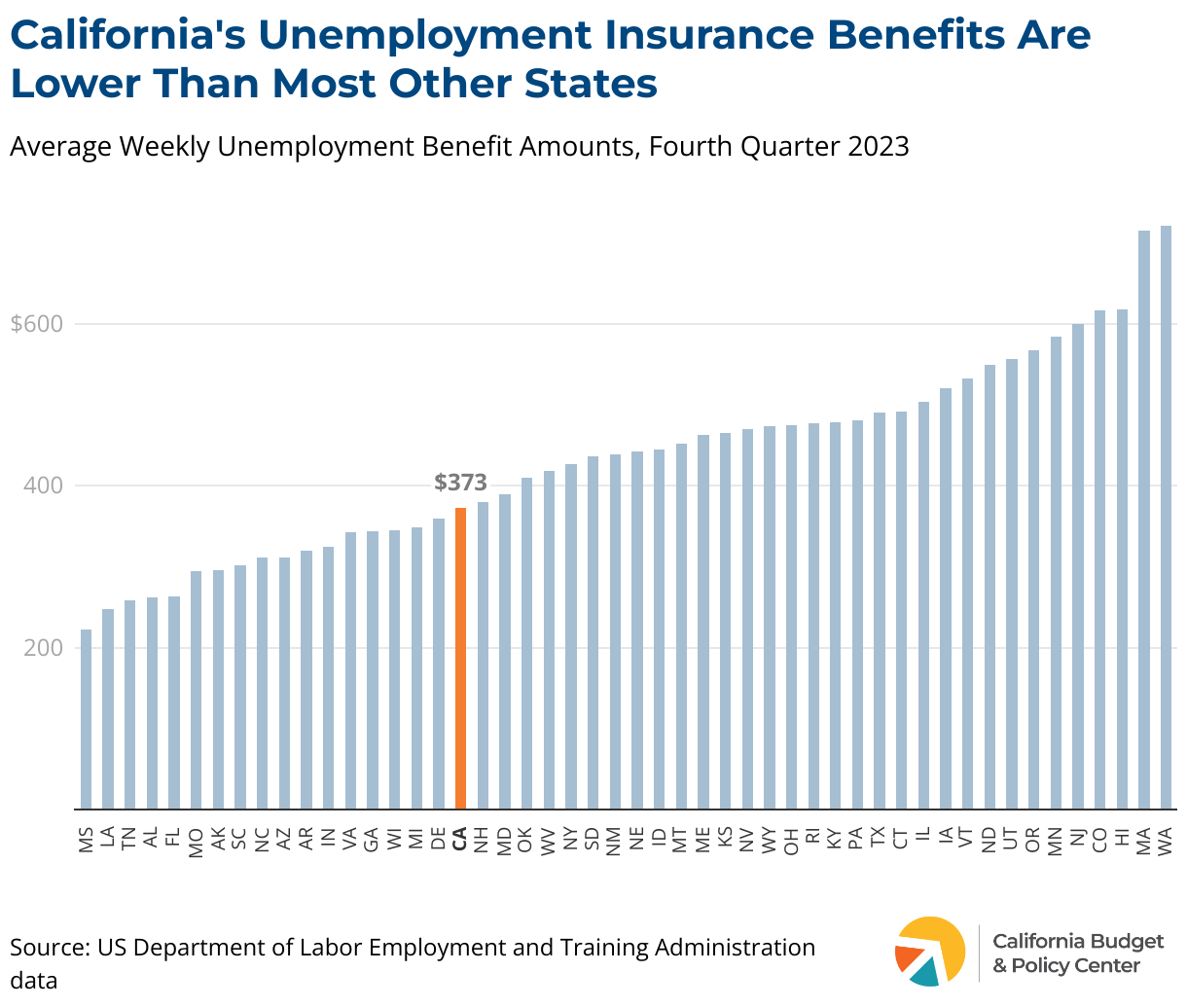
For individuals, joblessness immediately triggers a cascade of financial challenges. The primary impact is, of course, a sudden and often prolonged loss of income. This depletes savings, which many households rely on as an emergency fund, quickly pushing them towards financial precarity. Many are forced to rely on unemployment benefits, which, while crucial, rarely replace a full salary. The extended period without income often leads to an increase in personal debt, as individuals turn to credit cards, personal loans, or even borrowing from retirement accounts to cover essential expenses. This rise in debt can have long-term consequences, affecting credit scores and future borrowing capacity. Housing stability also becomes a major concern, with increased risks of mortgage defaults or rental arrears, potentially leading to homelessness. Beyond the tangible financial losses, the psychological toll of unemployment, including stress, anxiety, and depression, can indirectly impact financial decision-making and future earning potential.
Impact on Business Finance
Businesses are not immune to the effects of high unemployment. A widespread loss of jobs significantly reduces overall consumer spending, leading to a direct and often severe hit to revenues for most businesses, especially those in retail, hospitality, and discretionary services. This reduction in demand can force businesses to implement further cost-cutting measures, including more layoffs, creating a negative feedback loop. Small and medium-sized enterprises (SMEs) are particularly vulnerable during these periods, often lacking the reserves to withstand prolonged revenue dips, leading to increased business closures and bankruptcies. Even businesses that survive may face challenges post-recovery, as a talent exodus during downturns can create skill gaps and increase hiring costs when the economy eventually rebounds. Furthermore, reduced consumer confidence and economic uncertainty can deter new business investments, slowing overall economic recovery and job creation.
State & Local Fiscal Health
High unemployment also places immense strain on California’s state and local governments. A decline in employment directly translates to a significant reduction in tax revenues, particularly income taxes and sales taxes, which are critical funding sources for public services. Simultaneously, the demand for government-funded social services, such as unemployment insurance, food assistance, and healthcare programs, skyrockets. This combination of decreased revenue and increased expenditures inevitably leads to budget deficits, forcing difficult decisions regarding public spending, potential service cuts, or increased borrowing. The fiscal health of the state is intrinsically linked to the employment status of its residents, making robust economic policies and prudent fiscal management essential during periods of high joblessness.
Strategies for Financial Resilience During Downturns
Navigating periods of high unemployment demands proactive financial planning and strategic decision-making, both for individuals and businesses. Building resilience is key to mitigating the severe financial repercussions of economic downturns.
Personal Financial Preparedness
For individuals, the cornerstone of financial resilience is a robust emergency fund. Ideally, this should cover three to six months of essential living expenses, providing a critical buffer against sudden income loss. Prioritizing debt management, especially high-interest consumer debt, is also crucial. During stable times, actively paying down debt reduces financial burden when income becomes uncertain. Skill development and diversification are vital for long-term job security; continuously learning new skills or adapting existing ones to market demands makes individuals more marketable across various industries. Finally, understanding and utilizing state and federal resources is paramount during a crisis. California offers unemployment insurance, job training programs, and various forms of financial aid and assistance, which can provide a lifeline during periods of joblessness. Being aware of eligibility and application processes beforehand can significantly reduce stress and financial strain.
Business Financial Preparedness
Businesses must adopt similar principles of preparedness. Maintaining strong cash flow and building substantial cash reserves are non-negotiable for weathering economic storms. Diversifying revenue streams, rather than relying on a single product, service, or customer segment, can provide stability when one area experiences a downturn. Businesses should also focus on cost control and efficiency, regularly reviewing expenses and identifying areas for optimization, allowing them to operate leaner during slower periods without sacrificing core capabilities. Accessing government programs, such as small business loans, grants, or tax credits, which often become available during economic crises, can provide essential liquidity and support. Strategic planning, including scenario analysis for different economic conditions, helps businesses adapt quickly and preserve financial health.

Long-Term Economic Outlook and Policy
California’s long-term strategy involves fostering an environment conducive to sustained job growth and economic stability. This includes investing in education and workforce development to ensure a skilled labor force, promoting innovation, and supporting diverse industries to reduce sectoral vulnerabilities. Policymakers also focus on responsible fiscal management to build state reserves during prosperous times, providing a cushion for future downturns. By fostering a dynamic, adaptable economy and supporting its residents and businesses with robust safety nets and growth-oriented policies, California aims to minimize the depth and duration of future unemployment peaks, securing a more financially resilient future for all.
aViewFromTheCave is a participant in the Amazon Services LLC Associates Program, an affiliate advertising program designed to provide a means for sites to earn advertising fees by advertising and linking to Amazon.com. Amazon, the Amazon logo, AmazonSupply, and the AmazonSupply logo are trademarks of Amazon.com, Inc. or its affiliates. As an Amazon Associate we earn affiliate commissions from qualifying purchases.