
The Digital Expression of Emphasis in Audio Technology
Defining Marcato in the Modern Audio Landscape
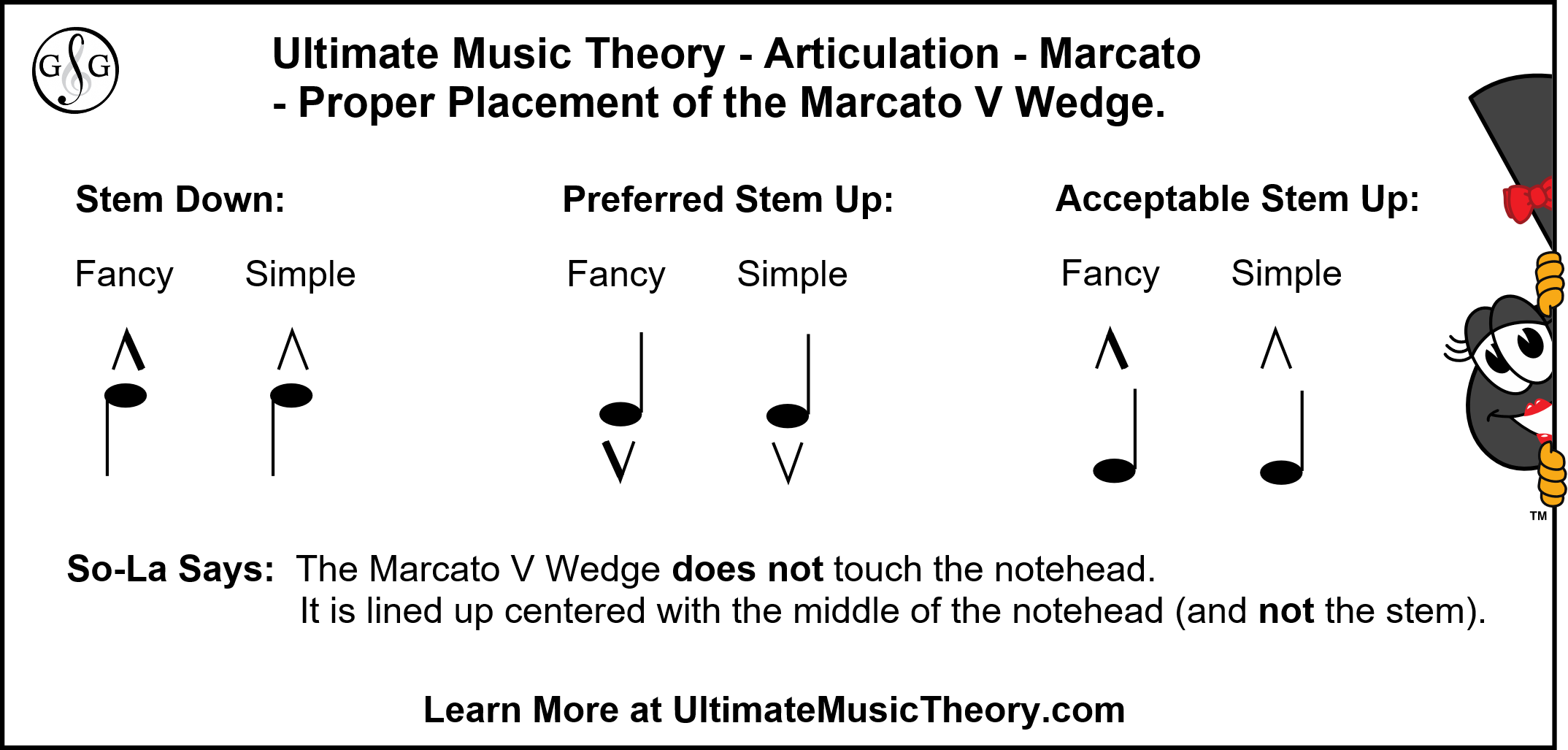
Marcato, a term derived from the Italian verb “marcare,” meaning “to mark,” is a fundamental musical articulation that instructs a performer to play a note or passage with distinct emphasis. Traditionally, this implies a sharper attack, a fuller sound, and often a quicker decay than a standard accented note, making it stand out prominently within a musical phrase. In the contemporary technological landscape of audio production, the concept of marcato has transcended its purely acoustic origins, finding sophisticated interpretations and applications within digital audio workstations (DAWs), virtual instruments, sound design software, and even artificial intelligence (AI) driven music creation tools.
Implementing marcato in a digital context goes far beyond simply increasing volume. It involves a nuanced manipulation of multiple sonic parameters, leveraging advanced software features and digital signal processing (DSP) to sculpt a sound that commands attention, conveys specific emotional weight, or highlights structural importance. This digital interpretation allows producers and sound designers an unprecedented level of control over the “marked” quality, enabling them to create sounds that are not only louder but also possess a unique timbre, transient behavior, and spatial presence that makes them unmistakably emphatic. Understanding how to digitally achieve marcato is crucial for crafting impactful and dynamically expressive music in the 21st century.
Implementing Marcato in Digital Audio Workstations (DAWs)
Digital Audio Workstations are the central nervous system for modern music production, providing an extensive toolkit for interpreting and applying musical articulations like marcato. Achieving a convincing marcato effect within a DAW typically involves a combination of techniques:
-
MIDI Velocity and Volume Automation: The most common starting point for digital emphasis is manipulating MIDI velocity. A higher velocity value, often mapped to a greater input force on a MIDI controller, typically triggers louder samples or alters synthesis parameters to produce a brighter, more aggressive tone. Beyond initial velocity, volume automation can be meticulously drawn onto individual notes or phrases within the DAW’s timeline. This allows for precise control over the amplitude contour, ensuring that the designated marcato elements surge forward and then recede appropriately. This granular control is essential for preventing a consistently loud passage from losing its emphatic impact, as true marcato is often about contrast.
-
Envelope Shaping with ADSR Controls: Marcato inherently suggests a distinct attack and a controlled decay. Digital envelope generators, characterized by ADSR (Attack, Decay, Sustain, Release) parameters, are indispensable for this. A swift attack time creates an immediate, impactful transient, mimicking the sharp initial contact of an acoustic instrument. A relatively short decay phase, especially when coupled with a lower sustain level, ensures that each marcato note remains distinct and doesn’t bleed into the subsequent notes, maintaining clarity and separation. Many virtual instruments and synthesizers allow for extensive modulation of these envelopes, enabling a dynamic response to velocity or other MIDI controllers, further enhancing expressive marcato.
-
Articulation Mapping and Key Switches in Virtual Instruments: High-quality virtual instruments are often meticulously programmed to emulate the varied articulations of their acoustic counterparts. For marcato, this means that specific samples or synthesis layers designed for emphatic performance can be triggered. These articulations are frequently accessed via “key switches” (specific MIDI notes outside the playable range that don’t produce sound but change the instrument’s playing style) or through MIDI Continuous Controller (CC) messages. Advanced VIs might offer a dedicated “marcato” parameter, allowing producers to dial in the intensity of the emphasis through a single knob or fader, dynamically blending between standard and marcato samples based on performance data.
-
Micro-timing and Groove Adjustments: While not strictly about sound shaping, subtle manipulation of a note’s timing can significantly contribute to its perceived emphasis. Shifting a marcato note slightly ahead of the beat can create a sense of urgency or anticipation, making it punch harder. Conversely, a slight delay can give it a more deliberate, weighted feel. Many DAWs offer sophisticated groove quantization tools that can apply subtle, human-like timing variations, or allow for manual micro-timing adjustments to fine-tune the rhythmic placement of marcato elements, adding a layer of organic expressiveness often lost in perfectly quantized sequences.
Crafting Marcato Through Digital Sound Design
Synthesis Techniques for Distinctive Sounds
Synthesizers, whether analog-modeled software or complex digital engines, offer a foundational approach to generating sounds that inherently possess a marcato quality. Their ability to sculpt waveforms and modulate parameters provides an unparalleled degree of control.
-
Aggressive Envelopes on All Fronts: The most critical aspect is the meticulous shaping of amplitude envelopes, utilizing rapid attack times (near-instantaneous) and short decay phases. This creates the characteristic “snap” or “punch” associated with marcato. Beyond amplitude, applying similarly sharp envelopes to other parameters, such as filter cutoff frequencies or pitch, can amplify the effect. For instance, a quickly sweeping low-pass filter that opens rapidly at the note’s onset and then settles can create a vibrant, cutting transient.
-
Harmonically Rich Waveform Selection and Modulation: The choice of initial waveform significantly impacts how a sound will cut through a mix. Waveforms rich in harmonics, such as sawtooth or square waves, naturally possess a brighter, more assertive character compared to sine waves. Further shaping through techniques like Pulse Width Modulation (PWM) on square waves can introduce dynamic timbral shifts that add aggression and character. Frequency Modulation (FM) synthesis, with its ability to create complex and often metallic timbres, is particularly adept at generating sounds with sharp, piercing attacks that resonate with a marcato quality.
-
Layering and Strategic Detuning: A common and powerful technique in digital sound design is layering multiple synthesizer patches. By combining several sounds, each with its unique timbral qualities and envelope settings, a richer, more complex marcato effect can be built. For example, a sharp, transient-focused layer could be combined with a warmer, more sustained body layer. Slight detuning between layers (e.g., a few cents apart) can create a thicker, more “beating” quality that helps the sound occupy more sonic space and grab attention without necessarily increasing its volume. Each layer’s envelope can be independently sculpted to contribute to the overall marcato feel.
Digital Signal Processing (DSP) for Enhanced Emphasis
Once a sound is generated, Digital Signal Processing (DSP) effects become crucial tools for further shaping and enhancing its marcato characteristics, ensuring it stands out in a mix.
- Compression and Transient Shaping: These are perhaps the most vital DSP tools for marcato. Compressors with fast attack and release times can “grab” the initial transient of a sound, reducing its peak but effectively increasing its average loudness and punch. Dedicated transient shapers offer even more precise control, allowing producers to independently accentuate the attack portion of a sound while simultaneously reducing its sustain, perfectly aligning with the “marked” and distinct quality of marcato. This results in a tighter, more impactful sound that cuts through the mix without being overly loud.
-
Equalization (EQ) for Clarity and Bite: Strategic equalization is paramount for making marcato elements audible and impactful. Boosting frequencies in the high-mid and high-end spectrum (e.g., 2-8 kHz) can add “bite,” “presence,” and “air” to a sound, making it brighter and more cutting. Conversely, carefully cutting muddy low-mid frequencies (e.g., 200-500 Hz) can increase clarity and definition, preventing the marcato sound from being swallowed by other elements in the mix. Parametric EQs allow for surgical precision in enhancing the specific frequency components that contribute to a sound’s emphatic quality.
-
Saturation and Distortion for Harmonic Richness: Introducing controlled amounts of saturation or mild distortion can significantly enhance the perceived loudness and presence of a marcato sound. These effects add harmonic overtones that make a sound richer, thicker, and more aggressive without necessarily increasing its peak amplitude. This harmonic content helps the sound occupy more sonic space and grab the listener’s ear, making it feel more “marked” and substantial, even in a dense mix. Different types of saturation (tape, tube, digital) offer varying harmonic profiles.
-
Careful Application of Reverb and Delay: While often used for creating space, reverb and delay can also be employed subtly to enhance marcato. A short, pre-delayed reverb can create a slight “halo” around a marcato note, separating it from the dry signal and making it sound more pronounced. Similarly, a very subtle, short, and tempo-synced delay can add a sense of “doubling” or “thickness” to a marcato hit, contributing to its impact and helping it stand out as a distinct event. The key is subtlety to ensure the effect enhances rather than blurs the distinction.
Artificial Intelligence and the Future of Expressive Performance
AI in Marcato Analysis and Generation
The rapid advancements in artificial intelligence and machine learning are revolutionizing how we understand, analyze, and generate musical expression, including the nuanced application of marcato. AI’s capabilities extend beyond basic sound manipulation, delving into the very interpretation of musical intent.
-
Advanced Performance Analysis: AI algorithms can be trained on extensive datasets of professional human musical performances to deconstruct and quantify the complex elements that constitute marcato. This involves analyzing intricate velocity curves, minute timing deviations (micro-timing), subtle timbral shifts, and the precise shaping of dynamic envelopes that experienced musicians instinctively employ. This deep analytical capability allows AI to identify patterns and subtle cues that are characteristic of effective marcato, providing invaluable insights for both human producers and automated systems.
-
Automated and Context-Aware Articulation: AI-powered composition and performance tools are increasingly capable of generating musical passages with highly expressive articulations. By understanding the musical context, genre, and desired emotional trajectory, AI can intelligently suggest or even automatically apply marcato effects to MIDI data. This includes dynamically adjusting parameters such as note velocity, refining envelope shapes, and selecting the most appropriate samples or synthesis settings from a library to achieve a desired emphatic quality that fits the musical situation. This significantly streamlines the process of adding nuanced expression.
-
Adaptive Performance Models: The future promises AI systems that can adapt their marcato application in real-time, responding dynamically to user input, live performance data, or an ongoing analysis of a piece’s emotional and structural arc. Imagine a virtual instrument that doesn’t just play back pre-recorded marcato samples but intelligently generates and applies marcato based on the evolving musical context, mimicking the intuitive decision-making of a human performer with an unprecedented level of fluidity and musicality. Such systems could transform the interaction between humans and digital instruments.
Enhancing Human-Computer Interaction for Expressive Control
AI’s influence isn’t limited to automation; it also profoundly enhances how human creators interact with technology to achieve expressive control over elements like marcato.
-
Intelligent MIDI Controllers: AI can inform the design of next-generation MIDI controllers, enabling them to capture and translate human gestures and intentions into far more nuanced and multi-dimensional control over marcato parameters. For instance, a controller might use AI to interpret subtle changes in pressure, speed, or physical gestures, mapping them to complex combinations of velocity, envelope modulation, and filter sweeps to produce a truly expressive marcato, moving beyond simple one-to-one parameter mapping.
-
Contextual Assistance within DAWs: AI-powered assistants integrated within DAWs could offer real-time, intelligent suggestions for achieving a desired marcato effect. Based on the current musical context, genre, and user’s intent, these assistants could recommend specific plugin settings, suggest optimal automation curves, or even propose specific synthesis parameters to enhance the emphatic quality of a passage. This acts as a creative partner, guiding producers through the complex technicalities of expressive sound design.
-
Bridging the Intent-Implementation Gap: Ultimately, AI serves as a powerful bridge between the often abstract expressive intentions of a human composer or performer and the precise, technical implementation required in the digital domain. By automating complex technical adjustments and offering intelligent assistance, AI makes nuanced articulations like marcato more accessible, intuitive, and creatively fluid for musicians and producers of all skill levels, enabling a deeper level of artistic expression in digital music creation.
The Broader “Marcato” Principle in Digital User Experience
Guiding User Attention Through Digital Design
While fundamentally rooted in audio, the core principle of marcato—to “mark” or emphasize—holds significant metaphorical and practical value across various technological disciplines, particularly within user experience (UX) and user interface (UI) design. Just as a musician employs marcato to draw attention to a key melodic phrase, digital designers utilize specific cues to guide a user’s focus, highlight critical information, and improve interaction efficiency.
-
Visual Hierarchy as Digital Marcato: In UI design, elements like size, color, contrast, and strategic use of negative space function as powerful “digital marcato” tools. A larger, brightly colored button contrasted against a muted background acts as a visual marcato, immediately emphasizing its importance and directing the user’s eye towards the primary call to action. Strategic font weighting (bolding, italics), differing font sizes, and consistent typography principles are all forms of visual marcato, ensuring that headings, key data points, and interactive elements stand out from surrounding content.
-
Interactive Feedback as Emphatic Cues: When a user interacts with a digital interface, immediate and distinct feedback serves as a form of marcato, confirming their action and drawing attention to the outcome. Haptic feedback (vibrations on mobile devices), distinct hover states for buttons, subtle animations upon clicking, or even audio cues (e.g., a “click” sound) are all interactive marcato signals. These cues reinforce the user’s input, provide clarity on the system’s response, and often guide them towards the next logical step in their interaction journey, making the experience more intuitive and responsive.
-
Information Design and Alert Emphasis: In complex digital environments, effective information design relies heavily on marcato principles to highlight critical information, alerts, or notifications. Bolded error messages, distinctively colored warning banners, strategically placed pop-up notifications, or badges indicating unread messages all serve to “mark” information that demands immediate attention. This ensures that users do not overlook crucial data, system statuses, or required actions, making digital interfaces not only more aesthetically pleasing but also significantly more functional and user-friendly. This application underscores that the essence of marcato—making something stand out meaningfully and functionally—is a pervasive and vital principle across diverse technological disciplines, extending its influence far beyond the realm of musical expression.