
Lantana camara, a vibrant flowering shrub native to tropical regions of the Americas, presents a compelling paradox from an economic standpoint. While widely recognized as a noxious invasive weed in many parts of the world, posing significant ecological and agricultural threats, its unique biochemical composition and robust growth characteristics also hint at untapped commercial potential. Understanding the multifaceted economic implications of Lantana camara requires a nuanced examination of both its detrimental impacts and its prospective value across various sectors, from resource management to product development and green finance.
The Dual Economic Nature of Lantana Camara: Burden and Opportunity
The economic narrative of Lantana camara is bifurcated. On one side, it represents a substantial financial burden, demanding continuous expenditure for control and mitigation, while simultaneously eroding the productivity of vital economic sectors. On the other side, its very invasiveness, coupled with distinct chemical properties, opens doors for innovative commercialization and the creation of new economic value. The challenge lies in converting this ecological problem into a sustainable economic asset, transforming what is often seen as a costly nuisance into a source of income or a component in economically viable solutions.

The Financial Toll of an Invasive Species
The most immediate and quantifiable economic impact of Lantana camara stems from its aggressive invasive nature. Its ability to quickly colonize diverse habitats, outcompete native flora, and form dense monocultures creates significant costs that ripple through agricultural, environmental, and even public health sectors.
Agricultural Losses and Food Security
Lantana camara‘s encroachment on agricultural lands directly translates into reduced crop yields and diminished pasture quality. Farmers incur substantial costs related to herbicide application, manual removal, and land rehabilitation efforts. Beyond direct control, the plant’s toxicity to livestock, if ingested, can lead to animal sickness or death, impacting meat and dairy production and thus farmer incomes. In regions where agriculture is the backbone of the economy, these losses can have cascading effects, contributing to food insecurity, reducing exports, and stifling regional economic growth. The ongoing fight against lantana diverts resources that could otherwise be invested in crop improvement, infrastructure, or market development.
Ecosystem Degradation and Restoration Costs
Beyond agriculture, Lantana camara devastates natural ecosystems, leading to biodiversity loss and altered hydrological cycles. Governments and environmental organizations spend millions annually on ecological restoration projects aimed at removing lantana and re-establishing native species. These costs include labor for clearing, monitoring, ecological research, and the purchase of native seedlings. The degradation of ecosystems can also impact tourism, hunting, and fishing industries, which rely on healthy natural environments, thus presenting an indirect but significant economic drain on local economies dependent on these sectors.
Public Health Expenditure
While less direct, the economic burden of Lantana camara can extend to public health. The plant’s dense thickets can create breeding grounds for disease vectors like mosquitoes, potentially leading to increased incidence of vector-borne diseases. Furthermore, contact with the plant can cause skin irritation in humans. While not usually severe, managing these health issues contributes to healthcare expenditures, albeit a minor component in the overall economic impact.
Unlocking Economic Value: Commercialization Avenues
Despite its destructive tendencies, the inherent properties of Lantana camara offer fascinating opportunities for commercial exploitation, transforming a liability into a potential asset. Its rapid growth, woody stems, and distinct chemical profile provide a foundation for various innovative products and industries.
Bio-based Products: From Pest Management to Pharmaceuticals
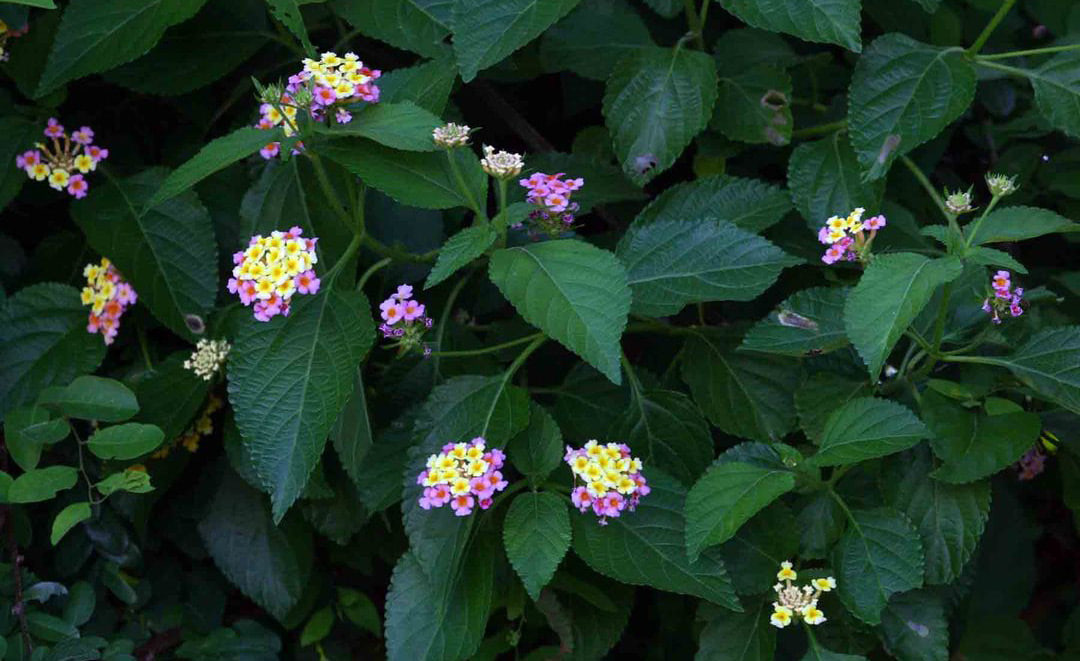
The leaves and stems of Lantana camara contain a complex array of secondary metabolites, including triterpenoids, flavonoids, and essential oils. These compounds have demonstrated significant biological activity, including insecticidal, nematicidal, fungicidal, and antibacterial properties. This makes Lantana camara a promising candidate for the development of natural biopesticides or herbicides, offering an organic alternative to synthetic chemicals. Businesses focused on sustainable agriculture could invest in research and development to extract and formulate these compounds, creating a valuable new product line.
Furthermore, some compounds found in lantana have shown potential in pharmacological research, with studies exploring their anti-inflammatory, anticancer, and antimalarial properties. While Lantana camara is known for its toxicity, particularly its berries, careful extraction and purification processes could lead to the isolation of beneficial compounds for niche pharmaceutical or cosmeceutical applications. This presents a high-value, albeit high-risk, investment opportunity requiring rigorous scientific validation and regulatory approval.
Crafts, Furniture, and Local Economies
The woody, fibrous stems of mature Lantana camara plants are surprisingly robust and flexible, making them suitable for crafting. In several regions affected by its invasion, local communities have developed micro-enterprises centered on using lantana stems to create baskets, furniture, decorative items, and even artistic sculptures. This not only provides a sustainable income source for artisans and reduces the biomass of the invasive plant but also fosters local economic development and preserves traditional craft techniques. Investment in training programs, market access, and design innovation could scale these initiatives, transforming a control measure into a viable side hustle or small business opportunity.
Biomass and Bioenergy Potential
Given its rapid growth and high biomass production, Lantana camara holds potential as a renewable energy source. Its biomass can be harvested and processed into briquettes or pellets for combustion, used in gasification processes, or converted into biogas through anaerobic digestion. In areas struggling with energy poverty or seeking to reduce reliance on fossil fuels, large-scale cultivation and harvesting of lantana could create a significant industry. This would involve substantial upfront investment in processing plants, machinery, and supply chain logistics, but could yield long-term returns through energy sales and carbon credit opportunities. Such ventures would also have the added benefit of systematically removing the invasive plant from affected landscapes.
Investment in Sustainable Management and Restoration Businesses
The pervasive nature of Lantana camara has spurred the growth of specialized industries dedicated to its control and ecological restoration. These sectors represent significant business opportunities, aligning environmental goals with financial returns.
Ecological Restoration as a Lucrative Sector
The demand for ecological restoration services is growing as awareness of biodiversity loss and ecosystem degradation increases. Businesses specializing in invasive species management, including Lantana camara eradication, planning, and long-term maintenance, are becoming increasingly vital. These companies offer expertise in integrated pest management strategies, employing a combination of mechanical removal, biological control, and targeted herbicide application. Investment in such businesses can be profitable, as they serve governmental agencies, private landowners, conservation organizations, and agricultural enterprises. Services can range from initial assessment and removal to replanting native species and ongoing monitoring, providing recurring revenue streams.
Carbon Sequestration and Green Finance
While Lantana camara itself is problematic, its managed removal and subsequent restoration of native forests or grasslands can contribute to carbon sequestration efforts. Businesses engaged in large-scale ecological restoration projects could potentially tap into carbon credit markets, generating additional revenue by verifiable reductions in atmospheric carbon dioxide. Furthermore, the development of bioenergy projects using lantana biomass could also qualify for green finance initiatives and carbon offsetting schemes, attracting environmentally conscious investors seeking sustainable returns. This links the challenges of invasive species management directly to the burgeoning field of green finance, creating a mutually beneficial relationship.
Navigating the Financial Landscape: Risks and Rewards
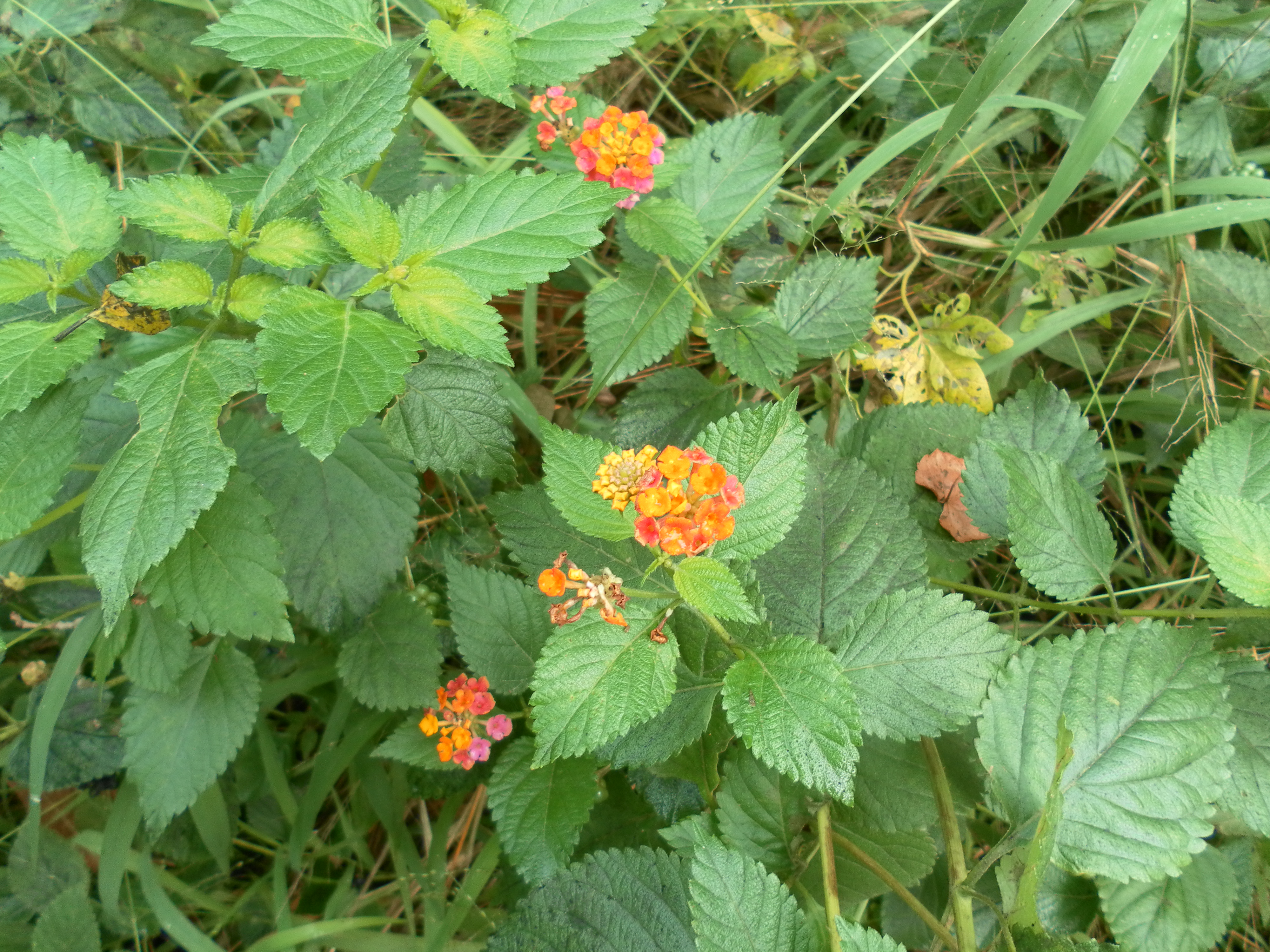
Investing in or commercializing Lantana camara is not without its risks. The plant’s toxicity requires careful handling and processing for product development, necessitating rigorous testing and regulatory compliance. The invasive nature itself poses a challenge: any commercialization efforts must be carefully managed to prevent further spread, requiring closed-loop systems or cultivation in controlled environments. However, for those willing to innovate and navigate these complexities, the potential financial rewards are substantial. By shifting the perspective from merely eradicating a pest to harnessing its intrinsic properties for economic gain, Lantana camara can transition from being an economic burden to a source of income, fostering sustainable development and creating new market opportunities within the green economy.
aViewFromTheCave is a participant in the Amazon Services LLC Associates Program, an affiliate advertising program designed to provide a means for sites to earn advertising fees by advertising and linking to Amazon.com. Amazon, the Amazon logo, AmazonSupply, and the AmazonSupply logo are trademarks of Amazon.com, Inc. or its affiliates. As an Amazon Associate we earn affiliate commissions from qualifying purchases.