
The Financial Gateway: Understanding the Physical Test as a Career Investment
The pursuit of a career in law enforcement is often driven by a desire for public service, a sense of duty, and the appeal of a challenging profession. However, for many, it also represents a tangible pathway to financial stability, robust benefits, and long-term security. The police physical test, far from being merely an athletic hurdle, stands as a critical financial gateway, determining access to this lucrative and secure career path. It is perhaps the most immediate and significant investment prospective officers make in their future earning potential and overall financial well-being.
The Police Career as a Stable Income Stream
A career in policing is widely recognized for offering a stable, competitive income stream, often coupled with substantial benefits packages that far exceed those in many private sector roles. Salaries typically begin at a respectable level and increase steadily with experience, rank, and specialization. Beyond the base pay, officers often receive compensation for overtime, specialized duties, and various allowances, contributing to a significantly higher take-home pay than initially perceived. This predictable and progressive income stream forms the bedrock of a robust personal financial plan, allowing individuals to budget effectively, save for major life events, and plan for retirement with greater certainty. The foundational step to unlocking this financial stability is successfully navigating the rigorous physical assessment.
The Physical Test as a Prerequisite for Financial Security
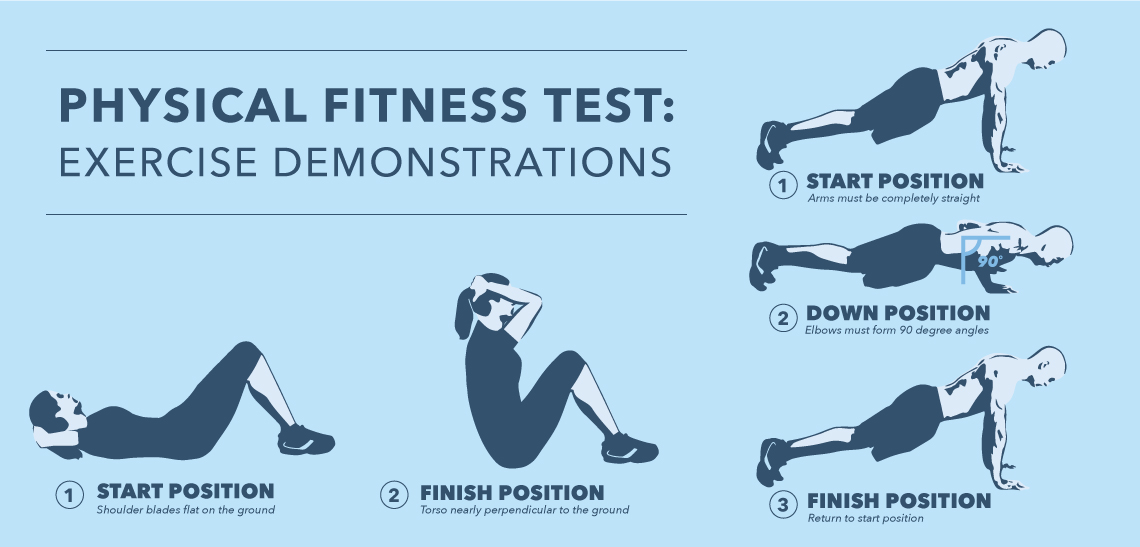
Consider the physical test as the initial, non-negotiable financial application form for a secure future. Without passing this crucial stage, all subsequent opportunities—interviews, background checks, and ultimately, job offers—remain out of reach. Each component of the physical test, whether it’s a timed obstacle course, strength assessment, or endurance run, directly correlates to an applicant’s readiness to perform the demanding physical tasks inherent in police work. From a financial perspective, failing this test means a direct loss of potential income, benefits, and pension accrual. It represents a significant opportunity cost. Conversely, passing it opens the door to decades of reliable income, comprehensive health insurance, and valuable retirement contributions, all of which contribute profoundly to an individual’s long-term financial security and peace of mind. Investing the time and effort to prepare adequately for this test is, therefore, a direct investment in one’s future earning capacity.
Long-Term Financial Planning: Benefits and Pension
One of the most attractive financial components of a police career lies in its long-term benefits and pension plans. These often include defined-benefit pension schemes, which guarantee a specific monthly income in retirement, unlike many private sector 401(k) plans that depend heavily on market performance. Furthermore, comprehensive health, dental, and vision insurance packages, life insurance, and often tuition reimbursement programs contribute significantly to an officer’s total compensation, reducing out-of-pocket expenses that can quickly erode personal savings. The eligibility for these invaluable financial assets begins the moment an officer is hired, a moment directly contingent upon their physical readiness. Failing to meet the physical standards means missing out on years of compounding pension contributions and the financial cushioning provided by robust benefits, making the physical test an undeniable lynchpin in long-term financial planning for prospective law enforcement professionals.
Investing in Your Future: Financial Commitments to Physical Preparation
Preparing for the police physical test is not merely about getting into shape; it’s a calculated financial investment in your future career and earning potential. Like any smart investment, it requires allocating resources—both monetary and temporal—strategically to maximize the chances of a positive return. The commitment made during this preparatory phase directly translates into the likelihood of securing a stable, well-paying job, making these initial expenditures a wise use of capital.
Direct Costs: Gym Memberships, Trainers, and Equipment
Embarking on a serious physical training regimen often involves direct financial outlays. A gym membership provides access to necessary equipment and facilities, ranging from affordable community centers to more premium private fitness clubs. For those requiring more targeted guidance, hiring a personal trainer specialized in law enforcement physical readiness can be a highly effective, albeit more costly, investment. A good trainer can design a bespoke program, correct form, and provide accountability, significantly enhancing the chances of success. Additionally, specialized equipment such as running shoes, athletic apparel, and potentially home workout gear might be necessary. While these costs can accumulate, they should be viewed as an investment in professional development, much like paying for certification courses in other fields. The financial returns from securing a police officer’s salary and benefits easily dwarf these initial preparatory expenses over the course of a career.
Indirect Costs: Time as a Valuable Asset
Beyond explicit monetary spending, prospective officers also invest a significant amount of their time in preparing for the physical test. This time, especially for those currently employed, represents an indirect cost or an opportunity cost. Hours spent training could be hours spent earning additional income, pursuing other career development opportunities, or engaging in leisure activities. However, viewing this time investment through a financial lens reveals its strategic importance. Each hour dedicated to physical conditioning is an hour invested in increasing the probability of career entry and subsequent financial success. It’s an investment in future productivity and resilience. Prospective officers effectively reallocate their personal capital (time) towards a high-yield investment vehicle (career preparation) to unlock substantial future financial gains.
The Cost of Inaction: Lost Income and Opportunity

Perhaps the most significant financial consideration related to the physical test is the cost of inaction or inadequate preparation. Failing the physical test means an immediate cessation of the application process, leading to a delay, or outright forfeiture, of a police career. This translates directly into lost income—months or even years of potential salary, benefits, and pension contributions that could have been accrued. Every month an applicant delays entry into the force due to physical unreadiness is a month of foregone earnings that can total thousands of dollars. Furthermore, there’s the opportunity cost of not being able to participate in career advancement, specialized training, and promotional opportunities that further enhance earning potential. From a purely financial standpoint, the risk associated with insufficient preparation far outweighs the costs of diligent, proactive investment in physical readiness.
Maximizing Your Return on Investment: Strategic Physical Test Preparation
Successfully navigating the police physical test is akin to executing a smart financial strategy. It requires a clear understanding of the ‘market’ (the test requirements), an assessment of your ‘capital’ (current physical condition), and a well-devised plan to allocate ‘resources’ (time, money, effort) to achieve the maximum possible ‘return’ (a successful career). A strategic approach minimizes wasted effort and optimizes the financial and personal investment.
Assessing Your Current Financial and Physical Capital
Before embarking on any significant investment, a prudent investor assesses their current financial standing. Similarly, before training for the police physical test, a prospective officer must honestly evaluate their current physical condition. This isn’t just about general fitness but specifically about performance in the test’s components: endurance, strength, agility, and speed. An initial assessment, perhaps through a mock test, provides a baseline. This assessment allows you to identify areas of weakness that require more targeted investment. Simultaneously, understanding your current financial bandwidth helps in deciding how much capital can be allocated to gym memberships, specialized coaching, or nutritional support. This dual assessment ensures that resources are deployed efficiently where they will have the greatest impact on improving test performance and, by extension, career prospects.
Budgeting for Success: Allocating Resources for Training
Just as a business creates a budget to allocate funds for operations and growth, an aspiring police officer should budget for their physical test preparation. This involves not only setting aside money for gym fees or equipment but also allocating specific blocks of time in your weekly schedule. Consider these allocations as “deposits” into your career readiness account. Prioritizing consistent, structured training over sporadic, unplanned workouts is an effective budgeting strategy for your time. For financial resources, research cost-effective ways to train, such as public recreation centers or online programs, if a personal trainer is beyond your budget. The goal is to maximize the impact of every dollar and every minute spent, ensuring that your investment yields the highest possible return in terms of physical readiness and test performance. This disciplined allocation of resources is critical for turning aspirations into a tangible career and income.
The Psychological Dividend: Confidence and Performance
Beyond the physical and financial aspects, successful preparation for the police physical test yields a significant psychological dividend: confidence. This confidence, earned through rigorous training and demonstrable improvement, is an invaluable asset. It translates directly into enhanced performance on test day, reducing anxiety and allowing an applicant to perform at their peak. From a financial perspective, this psychological readiness is an indirect, yet powerful, contributor to securing the job. A confident applicant projects an image of capability and resilience, qualities highly valued in law enforcement. This confidence can also spill over into other stages of the application process, such as interviews, further strengthening the applicant’s overall profile. Investing in the physical test is therefore also an investment in mental fortitude, which in turn fortifies the pathway to a financially rewarding career.
Beyond the Test: The Financial Rewards of a Physically Demanding Career
Passing the police physical test is not the end of the journey but merely the beginning of a career that inherently demands ongoing physical fitness. Maintaining this fitness throughout a law enforcement career continues to yield significant financial rewards, directly and indirectly, long after the initial test has been passed.
Health as Wealth: Reduced Healthcare Costs and Longevity
A career in policing, while demanding, often encourages a lifestyle of physical activity and health. This commitment to maintaining peak physical condition throughout one’s career translates into tangible financial benefits. A healthy officer is less prone to chronic illnesses, injuries, and stress-related ailments that can lead to costly medical bills, lost workdays, and reduced earning potential. Reduced healthcare expenses—both out-of-pocket and through insurance premiums—directly contribute to greater disposable income and savings. Furthermore, maintaining good health contributes to longevity and quality of life post-retirement, allowing officers to enjoy their pensions and savings for a longer, more active period. In essence, the physical resilience required for the job actively reinforces a “health is wealth” philosophy, translating into significant financial advantages over a lifetime.
Career Progression and Earning Potential
The initial physical test sets the baseline, but maintaining and improving physical capabilities can contribute to career progression and increased earning potential within the police force. Many specialized units—such as SWAT, K9, or marine patrol—have their own demanding physical requirements. Officers who maintain high levels of fitness are better positioned to qualify for and excel in these roles, which often come with additional pay, specialized training, and opportunities for advancement. Each promotion or lateral move into a specialized unit typically involves a salary increase, further compounding an officer’s financial stability and wealth accumulation. Thus, the physical test should be viewed not just as a one-time hurdle, but as the initial gate to a career path where ongoing physical investment can continuously unlock greater financial rewards and opportunities.
Financial Stability Through Physical Resilience
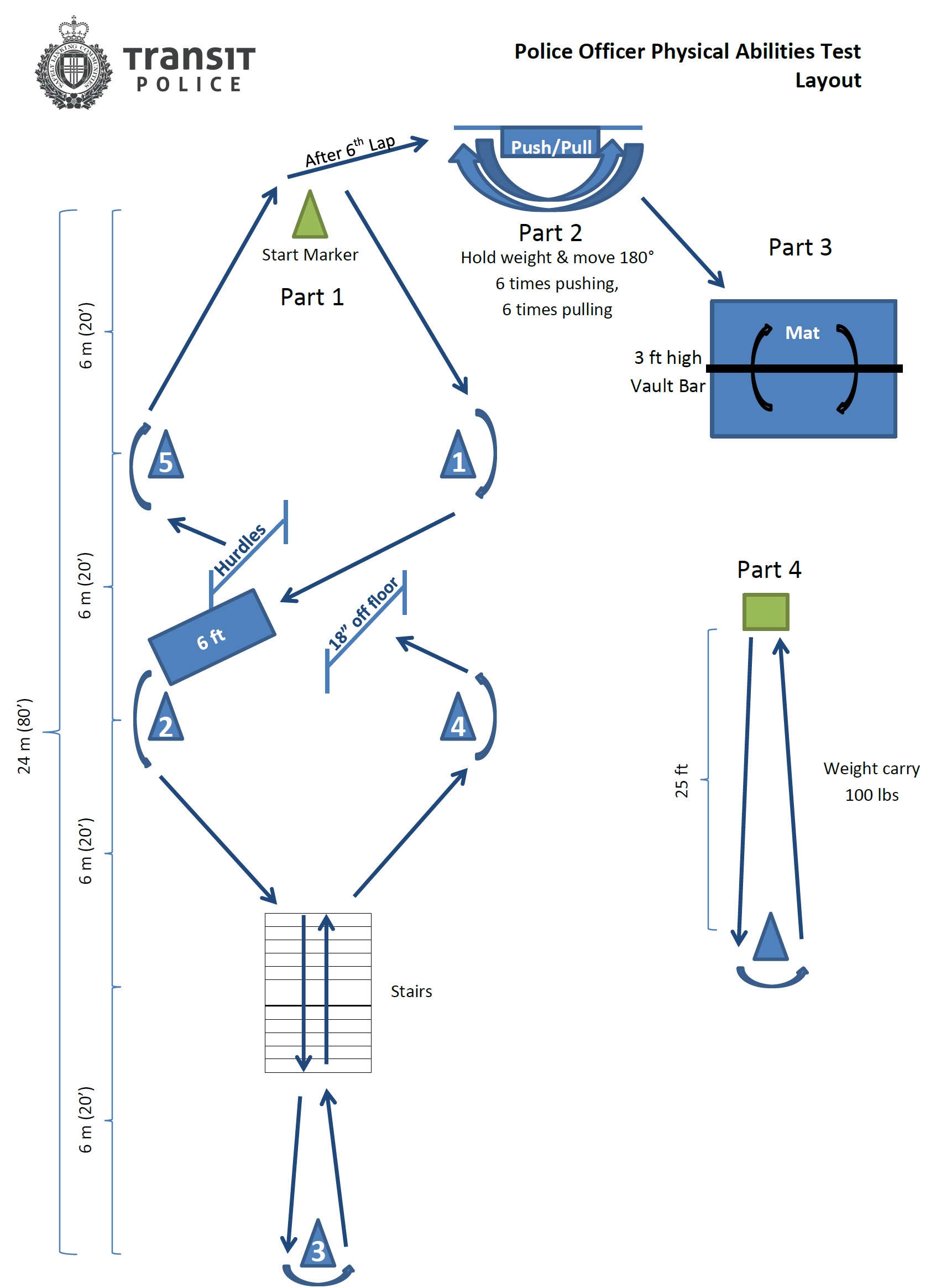
Ultimately, the police physical test is a microcosm of the larger financial and professional journey of a law enforcement officer. It underscores the intrinsic link between physical resilience and financial stability in this profession. The ability to perform under pressure, adapt to challenging situations, and maintain physical readiness directly impacts an officer’s capacity to continue serving effectively, avoid injury, and remain employed. Job security in policing, while generally high, is implicitly linked to an officer’s ability to meet the physical demands of their role. A physically resilient officer is a financially secure officer, less susceptible to forced medical leave, early retirement due to injury, or limitations in career advancement. The upfront investment in passing the physical test, and the ongoing commitment to physical fitness throughout a career, are fundamental pillars supporting a robust financial future for those dedicated to serving in law enforcement.
aViewFromTheCave is a participant in the Amazon Services LLC Associates Program, an affiliate advertising program designed to provide a means for sites to earn advertising fees by advertising and linking to Amazon.com. Amazon, the Amazon logo, AmazonSupply, and the AmazonSupply logo are trademarks of Amazon.com, Inc. or its affiliates. As an Amazon Associate we earn affiliate commissions from qualifying purchases.