
The quest for the perfect pair of glasses can feel surprisingly complex, especially when you consider the vast array of styles, brands, and technologies available today. While intuition and personal preference play a significant role, what if we told you that understanding your face shape could be the key to unlocking a more confident and aesthetically pleasing look? This isn’t just about vanity; it’s about leveraging data and design principles to make an informed decision that complements your unique features. In this article, we’ll explore how to identify your face shape and, more importantly, how to apply this knowledge with a data-driven approach, drawing insights from the worlds of technology, brand perception, and even financial smarts, to find glasses that not only fit your face but also enhance your overall personal brand and even contribute to your financial well-being.

Decoding Your Face Shape: The Foundation of Frame Selection
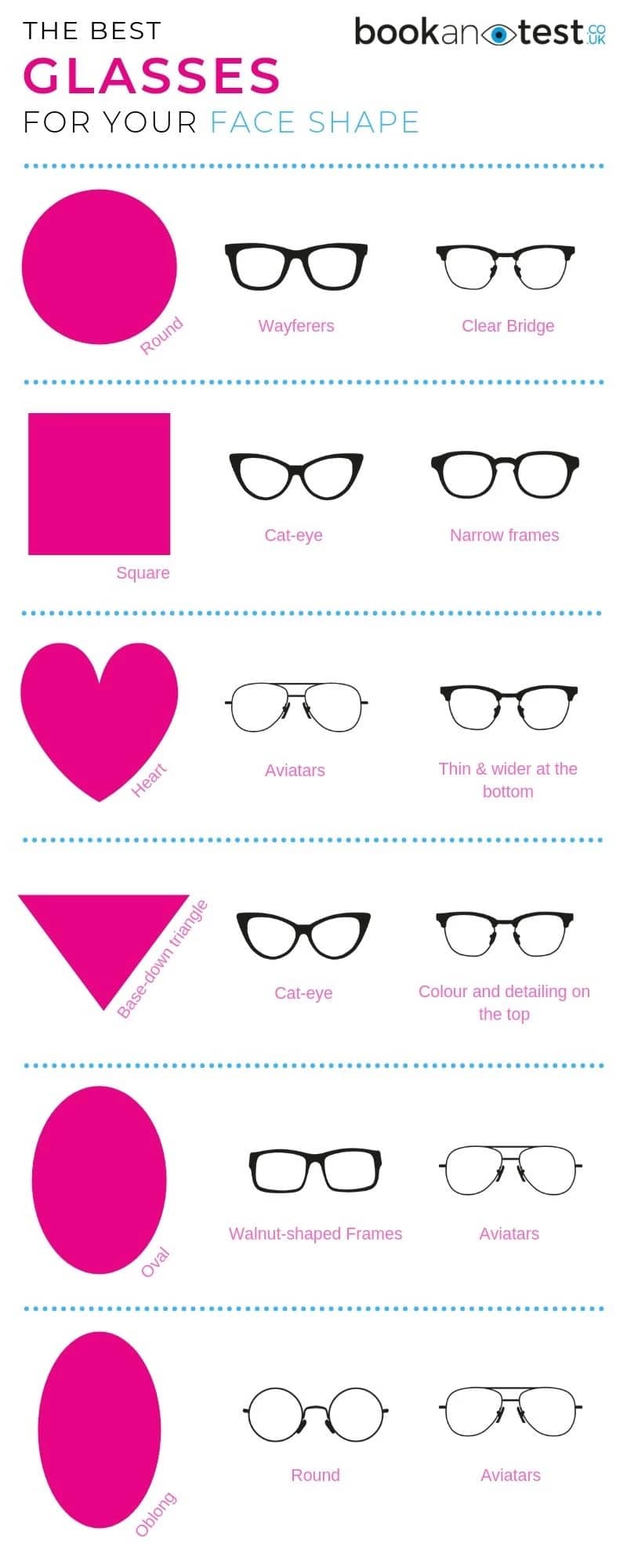
Before we delve into the more nuanced aspects of frame selection, it’s crucial to get a handle on your fundamental face shape. This isn’t about rigid categories, but rather about understanding the dominant characteristics of your facial structure. The most common classifications are oval, round, square, heart, and diamond. While there are many online quizzes and visual guides, a straightforward method involves looking in the mirror with your hair pulled back and observing the widest part of your face, the shape of your jawline, and the overall length-to-width ratio.
Identifying the Dominant Features: A Data-Driven Observation
Instead of relying solely on subjective observation, consider approaching this with a more objective lens, akin to how a data scientist analyzes information.
- Widest Part of Your Face: Is it your forehead, cheekbones, or jaw?
- Jawline Shape: Is it soft and rounded, sharp and angular, or somewhere in between?
- Facial Length vs. Width: Is your face significantly longer than it is wide, or is it roughly equal?
By systematically noting these features, you can begin to piece together a clearer picture of your facial geometry. Think of it as gathering raw data points to inform your analysis. For instance, if your cheekbones are the widest point, your jawline is rounded, and your face is relatively short and wide, you’re likely leaning towards a round face shape. Conversely, a prominent forehead, narrow chin, and high cheekbones might point to a heart shape.
The beauty of this approach lies in its scalability. As you gather more information about different face shapes and their corresponding frame recommendations, you’ll start to see patterns emerge. This is where the “tech” aspect of our website comes into play – applying analytical thinking to a seemingly aesthetic problem. Just as AI algorithms learn from vast datasets to make predictions, you can learn from the collective wisdom of eyewear experts and fashion trends to make an informed choice.
The Synergy of Tech, Brand, and Face Shape: Crafting Your Visual Identity
Choosing glasses is more than just a functional necessity; it’s a powerful tool for shaping your personal brand. The frames you select communicate unspoken messages about your personality, professionalism, and even your aspirations. This is where our website’s core topics converge: using technology to understand and enhance your brand, even in the seemingly simple act of selecting eyewear.
Leveraging Technology for Frame Optimization
The digital age has revolutionized how we approach even the most traditional aspects of personal style. When it comes to finding the right glasses, technology offers unprecedented tools and insights:
- Virtual Try-On Apps: Many online eyewear retailers now offer sophisticated virtual try-on applications. These use augmented reality (AR) technology to overlay frames onto your face in real-time via your smartphone or webcam. This is a powerful demonstration of how AI and computer vision are being integrated into consumer experiences. You can experiment with dozens, even hundreds, of styles without leaving your home, capturing screenshots to compare and contrast, much like A/B testing different marketing campaigns.
- AI-Powered Recommendation Engines: Similar to how streaming services recommend movies based on your viewing history, some platforms are beginning to use AI to suggest glasses based on your facial features, preferred styles, and even your lifestyle. These algorithms analyze vast amounts of data on frame dimensions, facial geometry, and aesthetic trends to provide tailored recommendations. This is the essence of personalized tech, making complex decisions simpler and more efficient.
- 3D Facial Scanning: For a truly precise fit, some opticians are beginning to offer 3D facial scanning services. This technology captures incredibly detailed measurements of your face, allowing for custom-made or perfectly fitted frames that might not be readily available off the shelf. This level of precision is akin to the detailed specifications required for advanced engineering or software development.
- Material Science and Lens Technology: Beyond the frame itself, the lenses are a critical component. Modern lens technology offers a range of benefits, from blue light filtering (increasingly important in our tech-saturated world) to advanced anti-reflective coatings and photochromic properties. Understanding these technological advancements can ensure your glasses are not only stylish but also enhance your vision and protect your eyes, contributing to your overall well-being and productivity.
By embracing these technological advancements, you’re not just picking out glasses; you’re engaging in a data-informed process that optimizes your selection for both aesthetics and functionality. This mirrors the approach taken in successful tech companies, where iterative testing and data analysis lead to superior product development.

The Brand Narrative of Your Eyewear
Your choice of glasses is a powerful element of your personal brand. Think about it:
- Professionalism: For a corporate environment, sleek, minimalist frames in neutral tones often convey seriousness and competence. A square or rectangular shape can project an image of structure and reliability.
- Creativity: For those in creative fields, bolder, more unconventional frames—perhaps round, cat-eye, or even brightly colored—can signal innovation and artistic flair.
- ** Approachability:** Softer, rounded frames can often create a more approachable and friendly impression, while angular frames might project a sense of assertiveness.
The key is to align your eyewear choice with the brand identity you wish to project. This is where the principles of brand strategy become relevant. Just as a company carefully curates its logo, color palette, and messaging to resonate with its target audience, you can curate your eyewear to communicate your desired message.
Consider the impact of different materials and brands:
- Classic Brands: Opting for established eyewear brands can lend an air of timelessness and sophistication to your personal brand. This signals a connection to heritage and quality.
- Designer Frames: Wearing high-fashion designer frames can communicate a sense of style-consciousness and an appreciation for luxury and craftsmanship.
- Sustainable Materials: For environmentally conscious individuals, choosing frames made from recycled or sustainable materials can be a powerful statement about your values and commitment to ethical consumption. This is becoming an increasingly important aspect of corporate and personal branding.
Your glasses become a tangible representation of your personal brand. By understanding your face shape, you can choose frames that not only fit your features harmoniously but also reinforce the narrative you want to tell about yourself. It’s about making conscious choices that contribute to a cohesive and impactful personal identity, much like a well-executed marketing campaign.
Beyond Aesthetics: The Financial and Practical Considerations of Eyewear
While the aesthetic and branding aspects of choosing glasses are significant, it’s also wise to approach this decision with a practical and financially savvy mindset, drawing parallels with the “Money” section of our website. Eyewear is an investment, and like any investment, it requires careful consideration of value, longevity, and the return on your investment – which, in this case, is improved vision, comfort, and boosted confidence.
Investing in Your Vision and Style
When purchasing glasses, it’s easy to get caught up in the immediate visual appeal. However, a more strategic approach involves considering the long-term value:
- Durability and Quality: Investing in higher-quality frames and lenses, even if they come with a higher upfront cost, can often lead to greater durability and longevity. This translates to a better return on investment over time, as you’ll be less likely to need replacements due to wear and tear. Think of it like buying a reliable piece of software versus a cheap, buggy alternative; the initial cost might be higher, but the long-term benefits are substantial.
- Lens Technology as an Investment: As mentioned earlier, advanced lens technologies are not just about improving vision; they can also prevent eye strain, protect against UV damage, and enhance visual comfort. These benefits contribute to your overall productivity and well-being, which can indirectly impact your earning potential. Consider blue-light filtering lenses, for instance. In today’s digitally driven world, where we spend hours in front of screens, investing in these can reduce eye fatigue and improve sleep quality, leading to better focus and performance.
- Cost-Benefit Analysis of Styles: While it’s tempting to chase every fleeting trend, consider investing in a versatile primary pair that complements your most frequent attire and professional needs. You can then supplement this with more trend-driven or statement pieces for specific occasions. This “side hustle” approach to your eyewear wardrobe allows for variety without breaking the bank.
Smart Shopping and Financial Tools
The way you purchase your glasses can also have a significant financial impact:
- Comparing Prices and Insurance: Just as you would compare interest rates for loans or investment returns, it’s essential to compare prices across different retailers, both online and brick-and-mortar. Many vision insurance plans can significantly offset the cost of frames and lenses. Understanding your coverage and utilizing it effectively is a crucial financial step.
- Sales and Promotions: Keep an eye out for seasonal sales, holiday promotions, and loyalty programs offered by eyewear companies. These can provide substantial savings, allowing you to acquire higher-quality frames or lenses within your budget. This is akin to smart investing – waiting for the right opportunity to maximize your returns.
- Prescription Management: Regularly updating your prescription is not only good for your vision but also ensures you’re getting the most accurate and comfortable vision correction. This can prevent the need for more expensive solutions down the line. Treat your prescription like a financial ledger; keep it accurate and up-to-date.
By applying financial discipline and smart shopping strategies to your eyewear purchases, you can ensure that you’re making a sound investment that benefits both your appearance and your wallet. This holistic approach, integrating technology, branding, and financial prudence, empowers you to make a truly informed decision about what glasses are right for your face shape and your life.
aViewFromTheCave is a participant in the Amazon Services LLC Associates Program, an affiliate advertising program designed to provide a means for sites to earn advertising fees by advertising and linking to Amazon.com. Amazon, the Amazon logo, AmazonSupply, and the AmazonSupply logo are trademarks of Amazon.com, Inc. or its affiliates. As an Amazon Associate we earn affiliate commissions from qualifying purchases.