
Hair powder, often seemingly a simple cosmetic product, represents a fascinating case study in brand development, market positioning, and consumer engagement. Far from a mere functional item, its identity is meticulously shaped by branding strategies that articulate its purpose, target audience, and aspirational value. From a brand perspective, hair powder is not just a collection of ingredients; it is a promise of style, convenience, and a desired aesthetic, carefully packaged and marketed to resonate with specific consumer segments.
Defining Hair Powder Through a Brand Lens
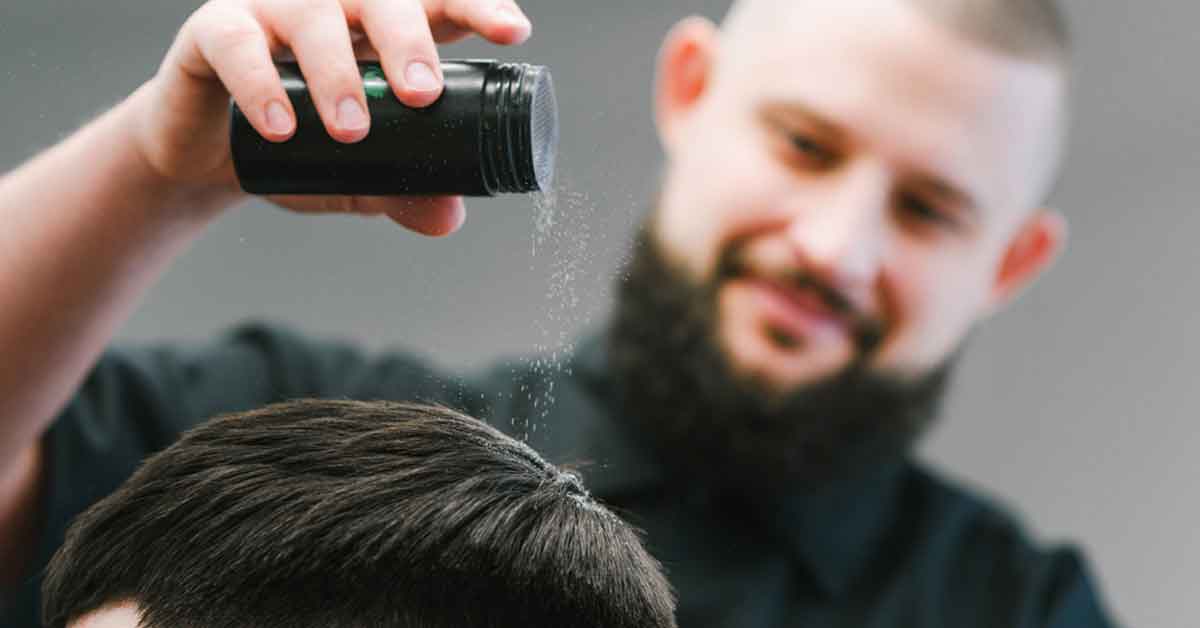
At its core, hair powder is a dry styling product designed to deliver specific benefits to hair, primarily volume, texture, oil absorption, and often a matte finish. However, for brands, defining “what is hair powder” goes beyond this functional description; it delves into the lifestyle it enables and the problems it solves for the modern consumer.

The Product Category and Its Core Promise
Brands position hair powder as a versatile tool within a broader personal grooming arsenal. Its core promise typically revolves around instant gratification and ease of use. For consumers seeking to add lift to flat hair without the stickiness of gels or sprays, brands present hair powder as the ideal solution. For those battling oily roots between washes, it’s marketed as a quick refresh. The promise extends to creating specific looks – from dishevelled, natural texture to dramatic, gravity-defying volume – making it an indispensable item for diverse styling needs. Each brand, however, tailors this core promise with unique messaging, emphasizing different aspects like “invisible hold,” “weightless volume,” or “oil-absorbing magic” to carve out its distinct niche.
Evolving Brand Narratives and Ingredient Transparency
The brand narrative surrounding hair powder has evolved significantly. Initially seen perhaps as a niche product for professional stylists or specific looks, brands have broadened its appeal by integrating it into everyday beauty routines. This expansion is often driven by narratives focusing on simplicity, efficacy, and suitability for all hair types. Modern branding also heavily emphasizes ingredient transparency. Consumers are increasingly discerning about what they apply to their hair and scalp. Brands respond by highlighting natural extracts, scalp-friendly formulations, and ethical sourcing, turning ingredient lists into selling points that build trust and differentiate products in a crowded market. A brand might choose to focus on corn starch for its natural oil-absorbing properties, or silica for its texturizing effect, weaving these ingredients into a larger story of natural beauty or scientific innovation.
Hair Powder’s Role in Personal and Corporate Branding
Hair powder is not just a product; it’s an enabler of personal expression, directly influencing an individual’s self-perception and how they present themselves to the world. For the brands manufacturing it, this means tapping into deeper psychological needs related to identity and self-confidence.
Empowering Personal Style and Identity
In an era where personal branding is paramount, hair plays a significant role in conveying identity. Hair powder empowers individuals to craft and maintain specific styles that reflect their personality, profession, or desired aesthetic. Whether it’s a sleek, controlled look achieved with volume-enhancing powder for a business meeting, or a messy, textured style for a creative professional, the product allows for intentional self-presentation. Brands understand this and market hair powder not just as a functional item, but as a tool for self-actualization, helping consumers project confidence and individuality. The imagery used in marketing campaigns often depicts aspirational lifestyles, connecting the product with the desired outcome of looking and feeling one’s best.
Brands Crafting Lifestyle and Aspiration
Successful hair powder brands don’t just sell a product; they sell a lifestyle. They build an aspirational narrative around their offerings, associating them with specific values, communities, or aesthetic movements. A brand targeting minimalist, environmentally conscious consumers might emphasize recyclable packaging and vegan formulations, aligning with a broader eco-friendly lifestyle. Conversely, a luxury brand might position its hair powder as an exclusive, high-performance item, part of a sophisticated self-care ritual. Through consistent messaging, visual branding, and strategic partnerships, these brands cultivate a distinct identity that resonates deeply with their target demographic, fostering loyalty that extends beyond the product itself. The choice of influencer, the style of photography, and the tone of voice in advertising all contribute to crafting this aspirational world.
The Influence of Packaging and Design
Packaging and design are critical elements of brand identity for hair powder. The tactile experience of the container, its visual appeal, and ease of use all contribute to the overall brand perception. A sleek, minimalist design might signal sophistication and efficacy, while a rugged, textured container could appeal to a male grooming market seeking authenticity and strength. Brands invest heavily in industrial design to ensure the packaging is not only functional (e.g., dispensing mechanisms that prevent overuse) but also aesthetically pleasing and reflective of their brand ethos. The colour palette, typography, and logo placement are meticulously chosen to communicate brand values at a glance, transforming a simple bottle or shaker into a powerful brand statement on a retail shelf or vanity.
Market Positioning and Differentiation Strategies
The hair powder market is competitive, necessitating robust brand strategies for positioning and differentiation. Brands must identify their unique selling propositions (USPs) and communicate them effectively to stand out.
Niche Markets: Men’s Grooming, Luxury, Eco-Friendly Brands
One key differentiation strategy involves targeting specific niche markets. The burgeoning men’s grooming sector, for example, has seen brands develop hair powders tailored to male hair types and styling preferences, often featuring masculine scents and packaging. Luxury brands differentiate themselves through premium ingredients, sophisticated formulations, and exclusive distribution channels, commanding higher price points and appealing to consumers who view beauty products as investments. Eco-friendly and clean beauty brands distinguish themselves by focusing on natural, organic, or sustainably sourced ingredients, alongside environmentally conscious packaging. This strategic segmentation allows brands to speak directly to the needs and values of specific consumer groups, fostering stronger connections and brand loyalty.
Brand Storytelling and Unique Selling Propositions
Effective brand storytelling is crucial for differentiation. Instead of simply listing features, brands weave narratives around their hair powders – perhaps highlighting the founder’s inspiration, the scientific innovation behind the formula, or the cultural significance of the ingredients. A brand might tell the story of how its powder was inspired by ancient beauty rituals, or how it was developed by professional stylists to solve common hair dilemmas. These stories create an emotional connection with consumers, making the product more memorable and desirable. Coupled with a clear Unique Selling Proposition (USP) – whether it’s unparalleled volume, long-lasting oil control, or a completely invisible finish – this storytelling solidifies a brand’s place in the market.
Leveraging Influencers and Community Building
In the digital age, influencer marketing has become a powerful tool for brand positioning. Brands strategically partner with beauty bloggers, stylists, and social media personalities whose personal brands align with their product’s ethos. These influencers provide authentic testimonials, demonstrate product usage, and introduce the hair powder to their engaged followers, leveraging trust and credibility. Beyond individual influencers, brands also focus on building strong online communities. By encouraging user-generated content, fostering dialogue on social platforms, and responding to feedback, brands cultivate a loyal following that feels connected to the brand beyond transactional interactions. This community becomes a powerful advocate, driving organic growth and reinforcing brand identity through shared experiences.
Consumer Perception, Brand Loyalty, and the Future
For hair powder brands, understanding and shaping consumer perception is vital for fostering brand loyalty and ensuring long-term success in a dynamic market.
Building Trust Through Consistent Performance
At the heart of brand loyalty for hair powder lies consistent product performance. Consumers purchase hair powder with specific expectations – whether it’s for volume, texture, or oil absorption. When a brand consistently delivers on these promises, it builds trust. This trust is invaluable, as it transforms one-time buyers into repeat customers and brand advocates. Brands invest in rigorous testing and quality control to ensure their formulations are reliable, understanding that even a single negative experience can erode perception and drive consumers to competitors. Testimonials, reviews, and professional endorsements are all leveraged to publicly affirm this consistent performance.
Adapting to Consumer Trends and Feedback
The beauty industry is perpetually in flux, driven by evolving consumer trends, lifestyle shifts, and technological advancements. Successful hair powder brands remain agile, closely monitoring market trends (e.g., the rise of clean beauty, gender-neutral grooming) and actively soliciting customer feedback. This could involve developing new formulations for different hair types, introducing sustainable packaging options, or even reformulating existing products based on user input. By demonstrating responsiveness and a willingness to evolve, brands reinforce their relevance and commitment to consumer satisfaction, preventing stagnation and maintaining a fresh image.

Innovation as a Brand Imperative
Innovation is a continuous imperative for hair powder brands. This doesn’t just mean launching entirely new products, but also refining existing ones. Innovations might include new application methods (e.g., pump sprays vs. shaker bottles), enhanced ingredient blends for added benefits (e.g., heat protection, frizz control), or advancements in product texture and finish. Brands that consistently push the boundaries of what hair powder can achieve, while maintaining their core identity, are those that maintain a competitive edge. This relentless pursuit of improvement and novelty keeps the brand exciting, attracting new consumers and solidifying its reputation as a leader in hair styling solutions. Ultimately, what is hair powder from a brand perspective is a constantly evolving answer, reflecting innovation, consumer insights, and strategic market positioning.
aViewFromTheCave is a participant in the Amazon Services LLC Associates Program, an affiliate advertising program designed to provide a means for sites to earn advertising fees by advertising and linking to Amazon.com. Amazon, the Amazon logo, AmazonSupply, and the AmazonSupply logo are trademarks of Amazon.com, Inc. or its affiliates. As an Amazon Associate we earn affiliate commissions from qualifying purchases.