
The term “fake cheese” often conjures images of highly processed, unappetizing food substitutes, a far cry from the artisanal appeal of traditional dairy cheese. However, in the contemporary food landscape, this colloquialism encompasses a rapidly evolving category of products that warrant a deeper examination through the lens of brand strategy, corporate identity, and marketing. Far from being a monolithic entity, “fake cheese” represents a diverse array of cheese alternatives, each with unique ingredients, functionalities, and, crucially, distinct branding challenges and opportunities. Understanding “what is fake cheese” necessitates dissecting not just its composition, but how these products are positioned, perceived, and ultimately, branded in a market grappling with changing consumer values, dietary trends, and technological advancements in food science.

Defining the “Fake”: Beyond the Ingredient List
At its core, “fake cheese” refers to any product designed to mimic the taste, texture, and functionality of traditional dairy cheese but made without dairy milk. This broad definition immediately highlights a significant branding hurdle: how does one brand a product that is inherently defined by what it isn’t? The legal and marketing nomenclature surrounding these products is complex, reflecting ongoing debates about consumer expectation, ingredient transparency, and the very concept of “cheese.”
The Spectrum of Cheese Alternatives
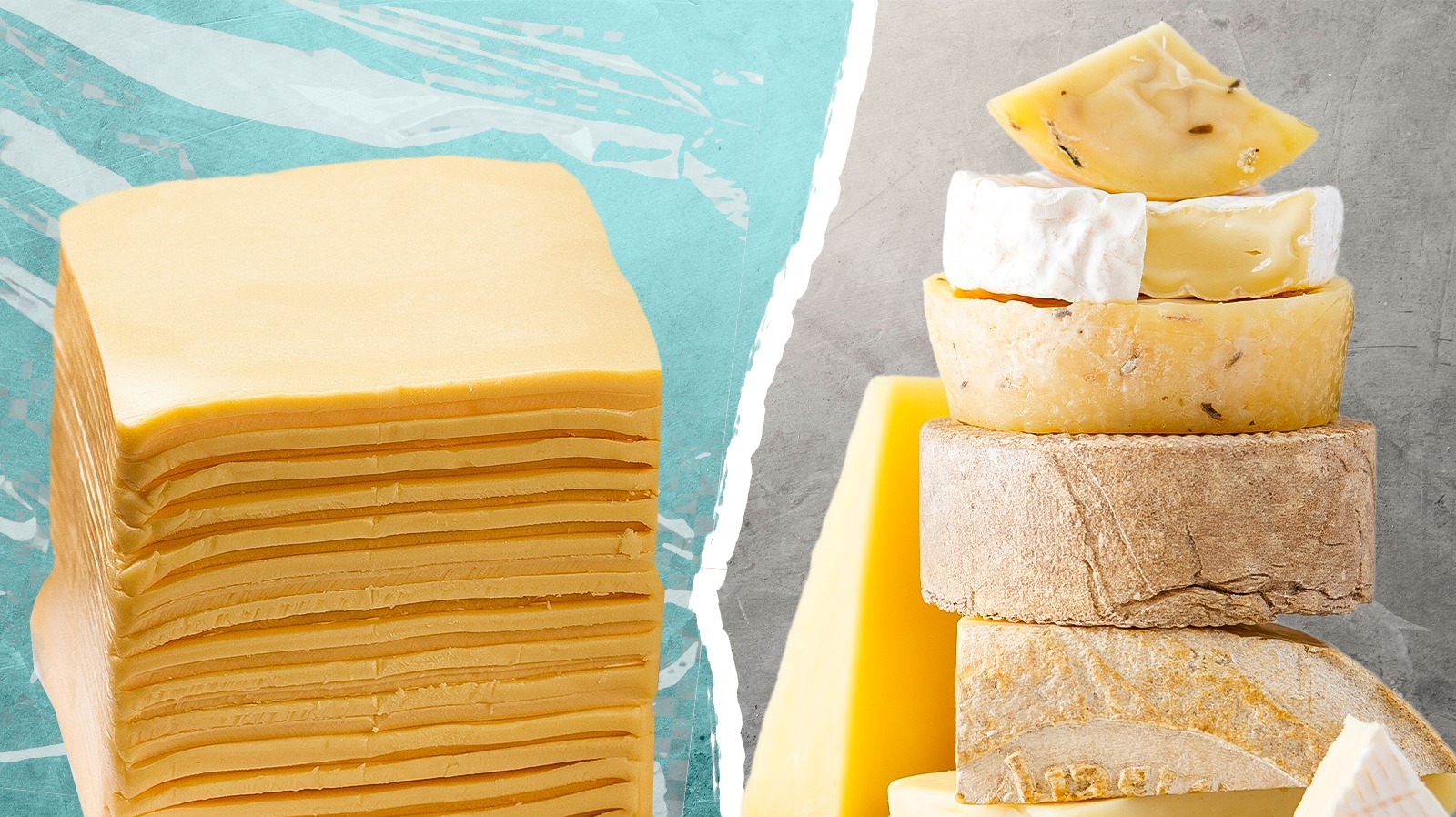
The category of cheese alternatives is vast, spanning several distinct product types. On one end, there are “imitation cheese products,” often found in highly processed forms like American cheese slices or shredded blends, historically made with vegetable oils, starches, and dairy proteins (caseinates) but not actual cheese. These were primarily developed for cost-effectiveness and meltability in food service. Their branding typically prioritizes utility and price point, often foregoing any attempt to convey artisanal quality or naturalness.
More recently, the rise of plant-based diets and ethical considerations has propelled the development of “vegan cheese” or “dairy-free cheese.” These products are entirely free of animal products and are typically made from a base of nuts (cashews, almonds), soy, coconut oil, starches, and various cultures and flavorings to replicate the complex profile of dairy cheese. Brands in this segment often strive for authenticity within their plant-based premise, emphasizing natural ingredients, fermentation processes, and artisan-like qualities. Their brand identities frequently leverage earthy tones, natural imagery, and explicit call-outs to their plant-based origins, positioning themselves as ethical, sustainable, and health-conscious alternatives rather than mere imitations.
Finally, emerging biotechnologies are paving the way for “precision fermentation” cheeses, which involve programming microbes to produce dairy proteins (like casein and whey) without using cows. These proteins are then used to create cheese that is molecularly identical to traditional dairy cheese, yet animal-free. The branding for such future products will face a fascinating challenge: how to communicate the “dairy-free but dairy-identical” paradox to consumers, emphasizing innovation, sustainability, and ethical production while reassuring traditionalists.
Legal and Marketing Nomenclature Challenges
The branding of “fake cheese” is heavily influenced by regulatory frameworks designed to protect traditional food identities. Terms like “cheese” are often legally protected to denote products made from dairy milk. This forces alternative brands to adopt descriptive yet often less appealing names such as “cheese alternative,” “dairy-free style slices,” “plant-based shreds,” or even more abstract brand names. This legal constraint presents a significant marketing challenge: how to convey the product’s intended use and taste profile without explicitly using the most recognizable term. Brands must invest heavily in visual cues, packaging design, and evocative copy to bridge this semantic gap, clearly communicating “what it is” without directly saying “it’s cheese.” This is a prime example of strategic branding operating within strict legal parameters, where creativity in messaging becomes paramount.
Crafting Identity: Branding in the Alternative Cheese Market
For brands operating in the alternative cheese market, developing a compelling identity is critical to navigating consumer skepticism and differentiating within a growing, competitive landscape. The challenge lies in building trust and desirability around a product that, by its very definition, deviates from a deeply ingrained culinary tradition.
Authenticity vs. Innovation in Messaging
A key tension in branding “fake cheese” lies between communicating authenticity and highlighting innovation. Traditional cheese brands often lean into heritage, provenance, and time-honored craftsmanship to convey authenticity. For alternative cheese brands, “authenticity” must be redefined. For plant-based brands, authenticity often means transparency about natural ingredients, ethical sourcing, and a commitment to vegan values. Their messaging frequently emphasizes “real plants,” “wholesome ingredients,” or “fermented with care” to create a sense of naturalness and craftsmanship that resonates with their target demographic.
Conversely, some brands choose to lean into innovation, showcasing their scientific ingenuity in replicating dairy cheese experiences. This approach might highlight advanced fermentation techniques, proprietary blends, or the ability to deliver specific functionalities (like perfect melt). The branding here often embraces modern aesthetics, clean lines, and a focus on performance. The strategic decision of whether to brand primarily as “natural and authentic” or “innovative and functional” significantly shapes the brand narrative and its appeal to different consumer segments. Some brands attempt to blend both, positioning themselves as “naturally innovative” or “authentic to a new era.”
Visual Branding and Packaging Strategies
Packaging plays an outsized role in the alternative cheese market. Since consumers often cannot taste the product before purchase, visual branding becomes the primary means of conveying quality, flavor profile, and brand identity. Dairy-free cheese brands frequently adopt design cues from artisanal dairy cheese packaging: rustic textures, sophisticated typography, and imagery that evokes natural ingredients or a handcrafted feel. Earth tones, greens, and muted palettes are common, signaling health and sustainability. However, there’s also a trend towards bolder, more vibrant packaging that explicitly celebrates the plant-based origin with lush botanical illustrations or modern, minimalist designs that appeal to a younger, design-conscious consumer.
The choice of imagery is also critical. While some brands might use abstract shapes or texture shots, others might prominently feature the source ingredients (e.g., cashews, almonds) to reinforce naturalness. The use of clear windows to show the product itself can build trust, allowing consumers to visually confirm texture and appearance. Moreover, branding extends to product shape and format; replicating traditional cheese wheels or wedges helps consumers mentally categorize and use these alternatives in familiar ways, easing their adoption. Effective packaging design must not only attract attention on a crowded shelf but also effectively communicate the brand’s unique value proposition and distinguish it from both dairy cheese and other alternative options.
Consumer Perception and Trust: A Branding Minefield
The very term “fake cheese” highlights a significant branding challenge: managing consumer perception and building trust. Many consumers associate “fake” with inferior quality, artificiality, or a compromise on taste. Brands in this space must actively work to reframe this narrative.
Overcoming Negative Connotations
The term “fake cheese” carries an inherent negative connotation, implying a lack of authenticity or a poor substitute. Brands must employ sophisticated marketing and brand communication strategies to counteract this. This often involves:
- Educating Consumers: Clearly explaining the ingredients, production methods, and the benefits (health, ethical, environmental) of their products. Blog posts, social media content, and clear on-package messaging become crucial educational tools.
- Highlighting Positive Attributes: Shifting the conversation from what the product isn’t to what it is. Brands emphasize delicious taste, meltability, versatility, and specific dietary benefits (lactose-free, cholesterol-free).
- Endorsements and Partnerships: Collaborating with chefs, influencers, or dietary experts can lend credibility and help validate the product’s culinary utility and taste.
- Taste-First Messaging: Ultimately, the product must deliver on taste. Brands that focus their messaging on the deliciousness and sensory experience, rather than solely on being “dairy-free,” tend to build stronger consumer loyalty. Blind taste tests and favorable reviews become powerful branding assets.
Building a Unique Brand Story
In a market saturated with options, a compelling brand story is vital for alternative cheese products. This story goes beyond ingredients and encompasses the brand’s mission, values, and the emotional connection it seeks to forge with consumers. For instance, a brand might build its identity around:
- Sustainability: Highlighting reduced environmental impact, ethical sourcing, and a commitment to planetary health. This resonates with eco-conscious consumers.
- Health and Wellness: Positioning the product as a healthier option, free from allergens, cholesterol, or saturated fats, appealing to health-focused individuals.
- Culinary Innovation: Showcasing how the product enables new culinary experiences, offering versatility in cooking and baking, or introducing unique flavor profiles.
- Ethical Living: Appealing directly to vegan and animal-rights advocates by emphasizing the cruelty-free nature of the product.
A strong brand story transforms a mere food substitute into a lifestyle choice, building emotional engagement and fostering a sense of community around the brand. This differentiation moves the brand beyond competing solely on price or ingredient list, allowing it to command loyalty and premium pricing.
Market Dynamics and Brand Evolution
The alternative cheese market is dynamic, characterized by rapid innovation, shifting consumer preferences, and increasing competition. Brands must be agile in their strategies and prepared for continuous evolution.
Differentiating in a Growing Sector
As more players enter the alternative cheese market, differentiation becomes increasingly challenging. Brands can achieve this by:
- Specialization: Focusing on a niche within the broader market, such as allergen-free options, specific ethnic cheese styles (e.g., plant-based feta or mozzarella), or products tailored for specific culinary applications (e.g., gourmet melting cheeses).
- Ingredient Innovation: Developing unique ingredient bases (e.g., oat milk cheese, potato protein cheese) or proprietary fermentation techniques that offer superior taste or texture.
- Strategic Partnerships: Collaborating with food service chains, meal kit companies, or complementary product brands (e.g., vegan cracker brands) to expand reach and reinforce brand positioning.
- Consistent Brand Experience: Ensuring that every touchpoint—from packaging to social media to customer service—reflects a coherent and compelling brand identity. This consistency builds recognition and reinforces trust.

The Future of “Cheese” Branding
The future of “fake cheese” branding will likely see a continued maturation of the category. As products improve in taste and texture, the emphasis in branding may shift away from just being “dairy-free” to focusing more on intrinsic qualities—flavor, texture, versatility, and brand lifestyle alignment. Precision fermentation cheeses, in particular, will necessitate innovative branding that educates consumers about a new paradigm of food production. Brands will need to articulate how these products align with existing consumer desires for sustainability and ethics, while also delivering an authentic dairy experience without the cow. The very definition of “cheese” itself may evolve in the consumer psyche, driven by sophisticated branding that redefines expectations and creates new culinary norms. Ultimately, successful brands in this space will be those that not only deliver exceptional products but also master the art of storytelling and identity building to cultivate lasting consumer trust and preference.
aViewFromTheCave is a participant in the Amazon Services LLC Associates Program, an affiliate advertising program designed to provide a means for sites to earn advertising fees by advertising and linking to Amazon.com. Amazon, the Amazon logo, AmazonSupply, and the AmazonSupply logo are trademarks of Amazon.com, Inc. or its affiliates. As an Amazon Associate we earn affiliate commissions from qualifying purchases.