
Dried currants, from a financial and economic perspective, represent a versatile agricultural commodity with a distinct market identity and a significant role within global food supply chains. Understanding “what they are” extends beyond a simple botanical definition; it encompasses their economic classification, the financial inputs required for their production, their market value dynamics, and their various applications as a business and investment vehicle. For anyone navigating the agri-business sector, food manufacturing, retail, or commodity trading, a precise grasp of dried currants as an economic entity is paramount.
The Economic Identity of a Small Berry
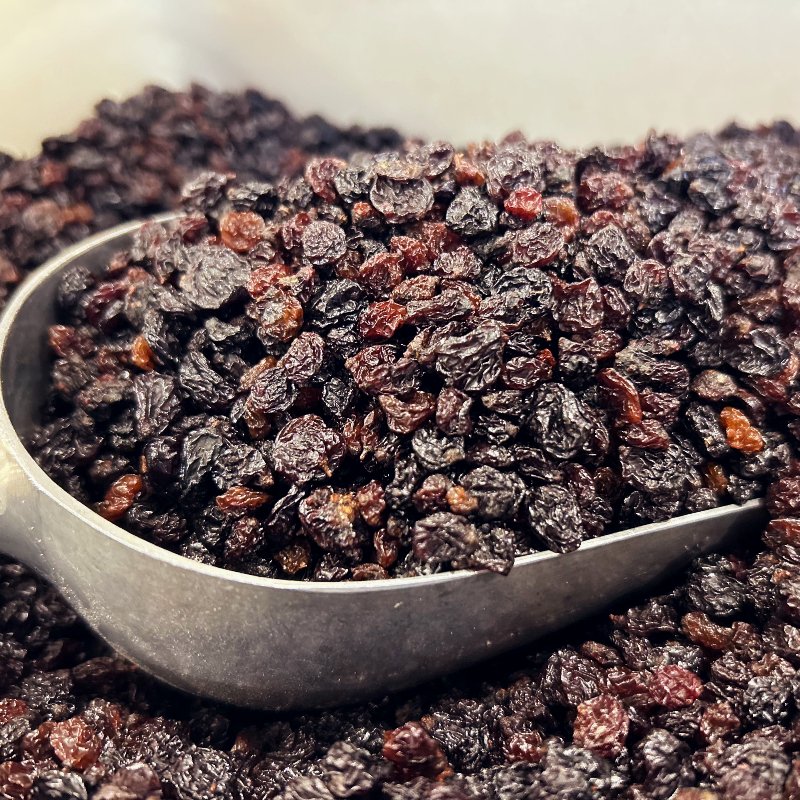
From a commercial standpoint, the term “dried currants” most commonly refers to the Zante currant, which is not a true currant berry but rather a small, dried grape. Specifically, it is a dried seedless Black Corinth grape. This distinction is crucial for market participants because it impacts cultivation practices, processing methods, and regulatory classifications, all of which have direct financial implications. True dried currants, derived from the Ribes genus (red, black, or white currants), also exist but typically command different market niches and price points due to their distinct flavor profiles and less widespread commercial production as dried fruit.

The economic identity of Zante currants is rooted in their history as a staple dried fruit, originating from the Ionian Islands of Greece, particularly Zakynthos (Zante). Their long shelf life and concentrated sweetness made them an invaluable trade item centuries ago, a legacy that continues today. Their small size and intense flavor make them ideal for specific industrial applications, which in turn dictate their market demand and financial value. Businesses engaged in their trade must clearly differentiate between these types to ensure accurate sourcing, pricing, and marketing strategies, avoiding costly misclassification or misaligned consumer expectations.
Cultivation, Processing, and Production Economics
The journey of dried currants from vineyard to market involves significant financial investment in cultivation and processing. Understanding these stages is essential for assessing supply costs, setting competitive prices, and evaluating profitability for growers, processors, and distributors.
Investment in Cultivation: Land, Labor, and Infrastructure
For Zante currants, cultivation begins with specific grape varieties requiring suitable climate and soil conditions. Initial capital outlays include purchasing or leasing agricultural land, establishing vineyards (which can take several years to become fully productive), and investing in irrigation systems, trellising, and specialized harvesting equipment. Labor costs, particularly during pruning, thinning, and harvesting seasons, constitute a significant operational expense. Growers must also factor in costs for pest and disease management, fertilizers, and other vineyard maintenance, all of which directly impact the ultimate yield and quality, and thus the potential revenue. The long-term nature of vineyard investment means that financial planning must account for delayed returns and ongoing capital expenditure.
The Drying Process: Capital and Operational Expenditure
Once harvested, the grapes undergo a drying process to transform them into dried currants. Historically, sun-drying was common, but modern commercial operations increasingly rely on controlled drying methods to ensure consistency, quality, and faster turnaround times. Mechanical dryers, dehydration tunnels, and other specialized equipment represent substantial capital investments. Operational costs associated with drying include energy consumption (electricity or fuel), labor for monitoring and sorting, and facility maintenance. The choice of drying method impacts both the upfront investment and ongoing operational costs, directly influencing the final product’s cost of goods sold (COGS). Efficiency in the drying process is paramount to minimize waste and maximize output, thereby improving profit margins. Post-drying, further processing such as cleaning, destemming, sorting, and packaging also adds to the cost structure, requiring additional machinery and labor.
Market Dynamics and Commercial Value Chains
The financial ecosystem of dried currants is shaped by complex market dynamics, including global supply and demand, various distribution channels, and the inherent value chain that dictates profitability at each stage.
Global Supply, Demand, and Price Drivers
The global market for dried currants is influenced by a limited number of primary producing regions, with Greece historically being dominant, alongside other significant contributors like Australia, the USA (California), and Turkey. Variations in annual yields due to weather patterns, agricultural policies, and geopolitical factors in these regions directly impact global supply levels and, consequently, market prices.
On the demand side, dried currants are highly valued by the baking industry (for items like scones, cakes, and fruit loaves), confectionery manufacturers, breakfast cereal producers, and the burgeoning snack food sector. Trends in consumer health and dietary preferences, such as the demand for natural sweeteners or plant-based ingredients, can also influence demand and open new market segments. Price drivers are multifaceted, encompassing the cost of raw materials (grapes), processing costs, transportation logistics, and the interplay between global supply and demand. Forward contracts and commodity trading often involve dried currants, allowing businesses to hedge against price volatility or speculate on future market movements. Currency exchange rates also play a significant role in international trade, affecting import/export costs and profitability.
Distribution Channels and Profit Margins
The commercial journey of dried currants involves a multi-tiered distribution network. This typically includes:
- Growers/Producers: Who sell their harvested and dried product to processors or large distributors. Their profit margins are heavily dependent on yield, production costs, and prevailing market prices.
- Processors/Packers: Who clean, sort, quality-control, and package the dried currants. They add value and often sell in bulk to industrial users or to wholesalers. Their profitability relies on efficient operations, quality assurance, and securing favorable bulk purchasing agreements.
- Wholesalers/Distributors: Who bridge the gap between processors and retailers/industrial clients. They manage logistics, warehousing, and often break down bulk quantities into smaller, manageable units. Their margins come from volume sales and efficient supply chain management.
- Retailers: Supermarkets, specialty food stores, and online platforms sell directly to consumers. Retail margins are influenced by branding, shelf space, marketing efforts, and competitive pricing.
- Industrial Users: Large food manufacturers purchase dried currants as an ingredient. Their financial decisions revolve around consistent supply, quality specifications, and cost-effectiveness for their production lines.
Understanding the profit margins at each stage of this value chain is critical for businesses operating within it, enabling strategic pricing, negotiation, and identification of opportunities for vertical integration or niche market development.
Dried Currants as a Business Venture
Engaging with dried currants offers diverse business opportunities, from primary production to value-added processing and global trade. Each avenue presents unique financial considerations and potential returns.
Farming and Production: Capital and Operational Expenditure
For entrepreneurs considering primary production, starting a vineyard for Zante currants or a farm for true currants requires substantial upfront capital. This includes land acquisition, planting costs, infrastructure development (irrigation, trellising), and machinery. Operational costs involve labor, water, fertilizers, pesticides, and maintenance. Revenue is generated from the sale of the harvested product, with profitability influenced by yield per acre, quality of the produce, and market prices. Financial projections for such ventures must account for the multi-year maturation period of vines and bushes before full commercial yields are achieved, necessitating robust long-term financial planning and access to capital.
Value-Added Processing and Retail Opportunities
Beyond raw production, significant value can be added through processing, packaging, and branding. Businesses can specialize in cleaning, sorting, and packaging dried currants for various market segments (e.g., bulk industrial, retail consumer packs, organic certified). Branding, marketing, and developing a unique selling proposition (e.g., sustainable sourcing, gourmet quality) can command higher price points and establish brand loyalty. Retail opportunities include selling through traditional supermarkets, specialty food stores, or direct-to-consumer via e-commerce platforms. This requires investment in processing facilities, packaging materials, marketing campaigns, and distribution logistics.
Import/Export and Global Trade
For businesses with an international outlook, importing or exporting dried currants offers access to broader markets. This involves understanding global supply-demand imbalances, international trade regulations, tariffs, customs duties, and currency fluctuations. Success in this area relies on establishing robust international networks, managing complex logistics, and navigating cross-border financial transactions. Opportunities arise from sourcing high-quality products from producing regions and supplying markets where local production is insufficient or non-existent, creating arbitrage opportunities and facilitating global food security.
Financial Planning and Investment Insights
For investors and financial planners, dried currants, as an agricultural commodity, present specific considerations that can influence portfolio decisions and risk assessment.
Consumer Spending Trends and Market Growth
Analyzing consumer spending habits and emerging food trends is crucial. A growing consumer preference for natural ingredients, convenient snacks, and plant-based foods can drive demand for dried currants. Market research into demographic shifts, disposable income levels, and changing dietary patterns provides insights into future market growth potential. Businesses and investors can leverage these trends by investing in companies that are well-positioned to meet evolving consumer preferences, perhaps through innovation in product formulation or sustainable sourcing.

Risk Assessment in Agricultural Commodities
Investing in agricultural commodities like dried currants carries inherent risks. These include:
- Weather Volatility: Adverse weather conditions (droughts, excessive rain, frost) can significantly reduce yields and impact quality, leading to supply shortages and price spikes.
- Pest and Disease Outbreaks: Can devastate crops, incurring significant costs for mitigation and causing supply disruptions.
- Geopolitical Instability: Conflicts or trade disputes in major producing regions can disrupt supply chains and impact international prices.
- Market Price Fluctuations: Commodity prices are notoriously volatile, influenced by a multitude of factors beyond individual control.
- Regulatory Changes: New agricultural policies, import/export tariffs, or food safety regulations can impact production costs and market access.
Thorough risk assessment and diversification strategies are essential for mitigating these challenges. This includes considering insurance, hedging instruments, and investing across different agricultural products or regions to spread risk. Understanding the underlying “what” of dried currants – their biological nature, production cycle, and market specificities – is the foundation for sound financial decision-making in this sector.
aViewFromTheCave is a participant in the Amazon Services LLC Associates Program, an affiliate advertising program designed to provide a means for sites to earn advertising fees by advertising and linking to Amazon.com. Amazon, the Amazon logo, AmazonSupply, and the AmazonSupply logo are trademarks of Amazon.com, Inc. or its affiliates. As an Amazon Associate we earn affiliate commissions from qualifying purchases.