
DoubleClick.Net, in its foundational essence, represented a pivotal force in the evolution of digital marketing and brand strategy. Far from a mere website, DoubleClick was an integrated suite of advertising technologies that fundamentally reshaped how brands connected with consumers online, how campaigns were managed, and how their effectiveness was measured. Born in the nascent stages of the internet’s commercialization, it became synonymous with the infrastructure that powered display advertising, enabling businesses to extend their reach, analyze audience engagement, and optimize their marketing spend with unprecedented precision. Understanding DoubleClick.Net is to grasp a significant chapter in the history of online brand building and the strategic deployment of digital ad campaigns.

The Genesis of Digital Advertising Measurement
Before DoubleClick’s ascendancy, the landscape of online advertising was nascent and largely untamed. Brands eager to tap into the internet’s potential faced significant hurdles, primarily in the lack of standardized tools for ad serving and performance measurement. This era laid the groundwork for innovations that would define modern marketing strategy.
Early Challenges in Online Marketing
In the mid-1990s, brands venturing online found themselves navigating uncharted territory. Placing an advertisement on a website often involved direct negotiation with individual publishers, a manual process prone to inefficiencies. More critically, tracking the performance of these ads—understanding how many people saw them, clicked on them, or ultimately converted—was rudimentary at best. Advertisers lacked reliable metrics to justify their online spend, making it difficult to demonstrate return on investment (ROI) to stakeholders. This opaque environment hindered the widespread adoption of digital marketing, despite the internet’s burgeoning user base. Brands struggled to scale their efforts or fine-tune campaigns without granular data, limiting their ability to craft effective online presences and reach target demographics strategically. The absence of a centralized, robust ad serving and tracking system was a significant barrier to the maturation of the digital advertising ecosystem.
DoubleClick’s Foundational Role
DoubleClick emerged as a revolutionary solution to these pressing challenges. Launched in 1996, it introduced a sophisticated, centralized system for serving banner ads across a network of websites. But its true innovation lay beyond mere delivery; DoubleClick provided comprehensive tools for tracking impressions, clicks, and conversions across various publishers. For the first time, brands could deploy an ad campaign across multiple sites from a single platform and receive consolidated, actionable data on its performance. This capability transformed digital advertising from a speculative endeavor into a data-driven discipline. DoubleClick’s technology allowed brands to gain insights into which creatives resonated most, which placements yielded the best results, and how different audience segments responded. By standardizing measurement and offering unparalleled transparency, DoubleClick empowered marketing professionals to make informed decisions, optimize their ad spend, and articulate the value of digital channels to their brand’s overall strategy. It provided the essential infrastructure that gave brands the confidence to invest significantly in the burgeoning online space.
DoubleClick’s Core Offerings and Impact on Marketing
DoubleClick’s influence stemmed from its suite of services that addressed critical pain points for both advertisers and publishers. Its platforms became indispensable for crafting, executing, and analyzing brand-centric digital campaigns.
Ad Serving and Campaign Management
At its heart, DoubleClick was an ad server, but it was an ad server that redefined the concept. Its platform enabled brands to manage their entire digital display advertising campaigns from a single interface. Advertisers could upload multiple creative assets, define targeting parameters (e.g., demographics, geography, interests), set budgets, and schedule campaign flights with precision. The system then intelligently delivered the most relevant ads to users across its vast network of publisher sites. This centralized management vastly simplified the complex process of running multi-site campaigns, saving brands time and resources. Furthermore, DoubleClick’s robust infrastructure ensured reliable ad delivery, minimizing errors and maximizing the visibility of brand messages. This efficiency allowed marketing teams to focus more on strategic planning and creative development, rather than the logistical complexities of ad distribution.
Data-Driven Insights and Targeting
Perhaps DoubleClick’s most profound impact on brand marketing was its pioneering role in data collection and analysis. Its tracking capabilities generated invaluable insights into campaign performance. Brands could monitor impressions, click-through rates (CTRs), conversion rates, and even post-click user behavior. This wealth of data allowed marketers to understand consumer journeys, identify effective creative elements, and pinpoint underperforming aspects of a campaign. Critically, DoubleClick also facilitated advanced targeting. By anonymizing user data and building profiles based on browsing history, it enabled advertisers to reach specific audience segments with tailored messages. This move from broad-stroke advertising to precision targeting allowed brands to deliver more relevant ads, improving campaign efficiency and reducing wasted ad spend. The ability to segment audiences and personalize ad delivery became a cornerstone of effective digital brand strategy, directly leading to higher engagement and better ROI.
Bridging Advertisers and Publishers
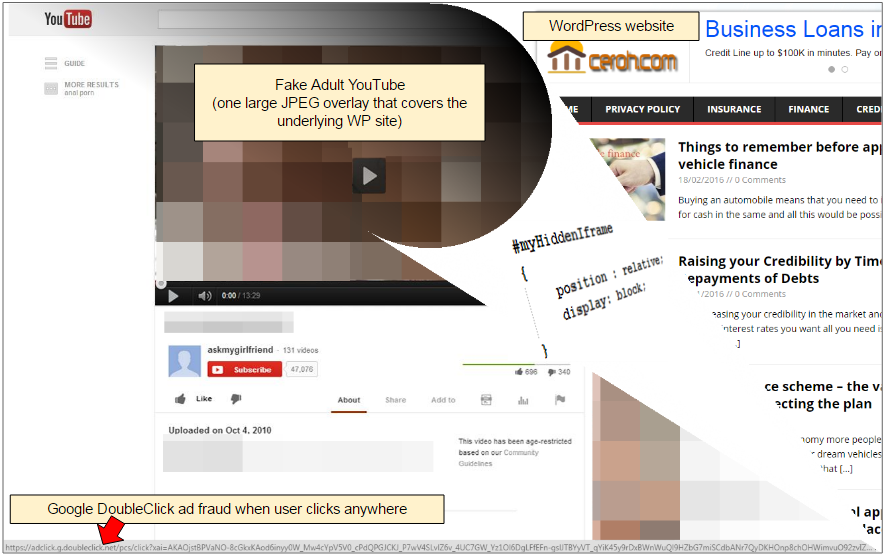
DoubleClick effectively served as the essential intermediary that connected brands (advertisers) with the digital spaces where their audiences congregated (publishers). For advertisers, it offered access to a vast network of websites and apps, simplifying the process of finding relevant ad inventory. Instead of individual negotiations, brands could leverage DoubleClick’s platform to distribute their campaigns across diverse verticals and audience types. For publishers, DoubleClick provided a powerful monetization engine. By integrating DoubleClick’s ad tags, publishers could easily sell their ad space, fill their inventory with relevant ads, and generate revenue. The platform handled the complexities of ad rotation, frequency capping, and reporting, ensuring publishers maximized their earning potential without extensive manual effort. This symbiotic relationship fostered a thriving digital advertising ecosystem, enabling brands to efficiently acquire media and publishers to monetize their content, creating a robust marketplace for digital marketing.
The Google Acquisition and Evolution of the Advertising Ecosystem
DoubleClick’s success attracted significant attention, culminating in a landmark acquisition that reshaped the entire digital advertising industry and set the stage for its continued evolution.
Strategic Integration with Google Ads
In 2007, Google acquired DoubleClick for $3.1 billion, a move that sent ripples throughout the industry. Google, already dominant in search advertising with its AdWords (now Google Ads) platform, recognized DoubleClick’s unparalleled strength in display advertising technology. The acquisition was highly strategic, allowing Google to integrate DoubleClick’s robust ad serving and campaign management tools into its existing ecosystem. This created a comprehensive advertising powerhouse, offering brands a unified platform for managing both search and display campaigns. The synergy was immediate: DoubleClick’s display network and advanced targeting capabilities complemented Google’s search dominance, providing advertisers with an end-to-end solution for reaching consumers across the entire digital spectrum. This integration solidified Google’s position as a central player in the digital marketing landscape and offered brands an increasingly streamlined approach to omnichannel advertising.
From DoubleClick to Google Marketing Platform
Following the acquisition, Google embarked on a process of integrating and rebranding DoubleClick’s various products. Over time, the iconic DoubleClick brand name began to recede, giving way to new consolidated offerings under the broader Google umbrella. This evolution culminated in 2018 with the launch of the Google Marketing Platform. This new platform brought together all of Google’s advertising and analytics technologies—including the former DoubleClick products (like DoubleClick Bid Manager, DoubleClick Campaign Manager, and DoubleClick Ad Exchange) with Google Analytics 360, Google Optimize 360, and Google Tag Manager 360.
The transition from DoubleClick to Google Marketing Platform represented more than just a name change; it signified a strategic shift towards providing brands with a holistic, integrated suite of tools for planning, buying, measuring, and optimizing their digital marketing efforts. The platform aimed to break down silos between different marketing functions, allowing brands to leverage data seamlessly across advertising, analytics, and experience optimization. This move reinforced Google’s commitment to offering robust, enterprise-grade solutions that cater to the evolving needs of modern brand strategists, who increasingly demand a comprehensive view of their marketing performance.
Legacy and Continued Influence on Brand Marketing
Even as the DoubleClick name has been absorbed into the Google Marketing Platform, its legacy profoundly impacts how brands approach digital advertising and marketing strategy today. Its innovations laid much of the groundwork for current industry standards and practices.
Standards for Ad Measurement and Attribution
One of DoubleClick’s most enduring contributions to brand marketing is its role in establishing standardized metrics and processes for ad measurement. Before DoubleClick, tracking digital ad performance was fragmented and inconsistent. The platform’s ability to consistently track impressions, clicks, and conversions across diverse publishers provided brands with reliable data that could be compared and analyzed. This standardization was crucial for legitimizing digital advertising as a measurable and accountable marketing channel, making it easier for brand managers to justify investment and demonstrate ROI. Furthermore, DoubleClick’s capabilities contributed significantly to the development of attribution models, helping brands understand which touchpoints along the customer journey contributed most to a conversion. This foundational work continues to inform modern attribution strategies, empowering brands to allocate budget more effectively and optimize their marketing mix with greater precision.
Shaping the Programmatic Advertising Landscape
DoubleClick was a precursor to, and a primary driver of, programmatic advertising. Its sophisticated ad serving and targeting technologies paved the way for automated, data-driven ad buying. While not fully programmatic in its earliest form, DoubleClick’s systems for managing large volumes of ad inventory and matching it with relevant audience segments laid the technical and conceptual framework for real-time bidding (RTB) and programmatic exchanges. DoubleClick Ad Exchange (AdX), in particular, became a cornerstone of the programmatic ecosystem, allowing publishers to sell ad impressions and advertisers to bid on them in real-time. For brands, this meant unprecedented efficiency in ad buying, the ability to reach highly specific audiences at scale, and dynamic optimization of campaigns based on performance data. Programmatic advertising, deeply rooted in DoubleClick’s innovations, has transformed how brands acquire media, shifting focus from direct sales to sophisticated, data-driven automated transactions that optimize for efficiency and effectiveness.

Navigating Privacy and Data Ethics in Modern Branding
DoubleClick’s pioneering use of cookies and user data for targeting, while revolutionary for its time, also brought to the forefront critical discussions around user privacy and data ethics. As brands increasingly relied on data to personalize ads and understand consumer behavior, the need for transparency and user control became paramount. DoubleClick’s practices, though compliant with prevailing standards, were instrumental in prompting regulatory bodies and industry groups to develop stricter guidelines for data collection and usage. Today, brands operate in an environment with heightened consumer awareness and stringent data privacy regulations (e.g., GDPR, CCPA). The ongoing shift away from third-party cookies, driven by both regulatory pressures and browser changes, is a direct evolution of the conversation initiated partly by technologies like DoubleClick’s. For modern brand strategists, understanding this legacy is crucial for navigating the delicate balance between personalized marketing and ethical data practices, ensuring consumer trust remains at the core of their digital strategies.
aViewFromTheCave is a participant in the Amazon Services LLC Associates Program, an affiliate advertising program designed to provide a means for sites to earn advertising fees by advertising and linking to Amazon.com. Amazon, the Amazon logo, AmazonSupply, and the AmazonSupply logo are trademarks of Amazon.com, Inc. or its affiliates. As an Amazon Associate we earn affiliate commissions from qualifying purchases.