
The Nintendo Entertainment System (NES) Classic Edition, a miniaturized replica of the beloved 1980s console, sparked a wave of nostalgia for gamers worldwide. Its promise was simple yet powerful: to deliver the iconic 8-bit gaming experiences that defined a generation, all within a sleek, modern package. But beyond the undeniable charm and the curated list of pre-loaded titles, the NES Classic represents a fascinating intersection of Tech, Brand, and even a surprising nod to Money, highlighting the enduring power of well-crafted entertainment and strategic product design.
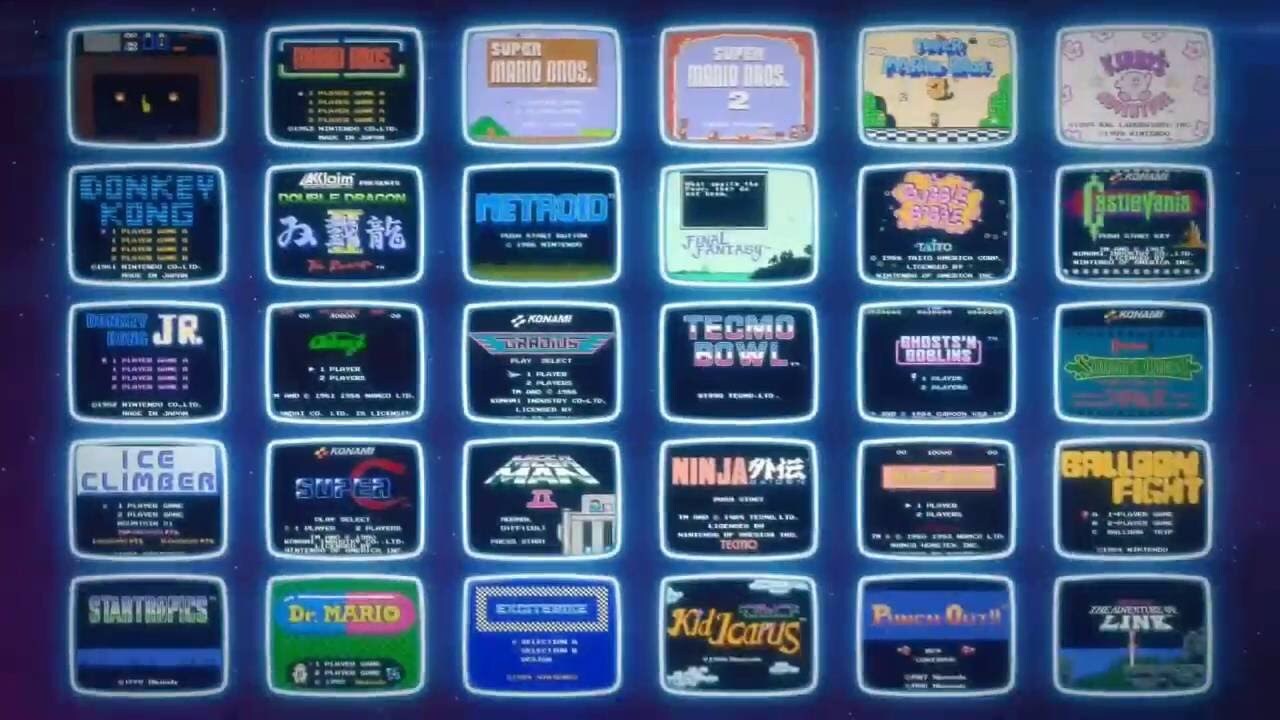
This article will explore the games that grace the NES Classic, but it will also delve into why these specific titles were chosen, how the console itself is a testament to technological evolution, and the enduring brand loyalty it taps into. We’ll also consider the economic underpinnings of such a revival and how it fits into the broader landscape of retro gaming.
The Curated Collection: A Masterclass in Nostalgia
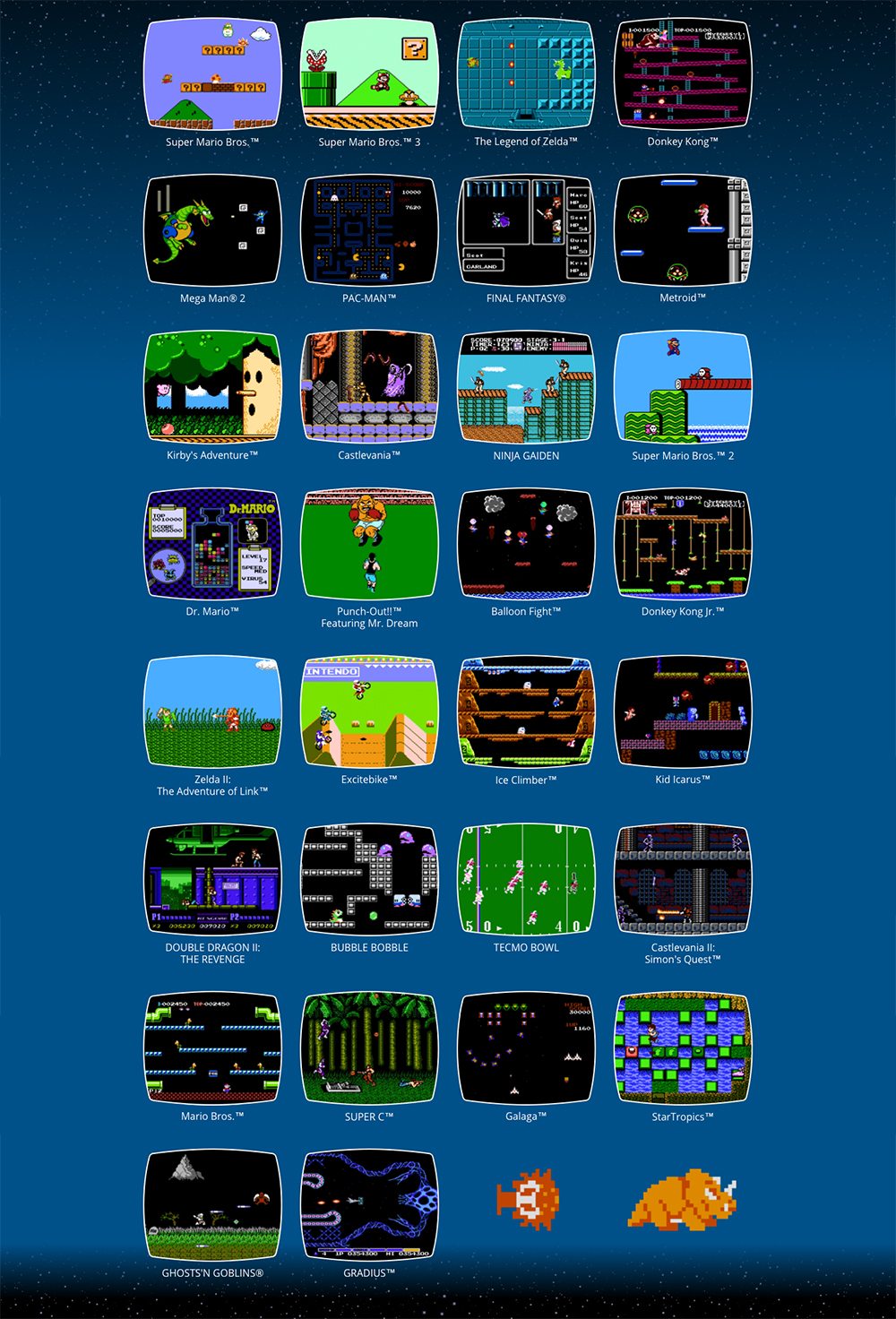
The NES Classic Edition came bundled with 30 pre-installed games, a carefully selected roster that aimed to showcase the breadth and depth of the original NES library. These weren’t just random selections; they were hits, influential titles, and beloved classics that resonated deeply with a generation and continue to captivate new players.
The Pillars of the NES Legacy
At the heart of the NES Classic’s game selection lie titles that are, frankly, synonymous with the NES itself. These are the games that sold consoles, defined genres, and etched themselves into the collective memory of gamers.
- Super Mario Bros. (1985): The undisputed king of platformers. Its tight controls, innovative level design, and iconic characters made it an instant phenomenon and a system-seller. The NES Classic wouldn’t have been complete without it. Its inclusion is a powerful brand statement, instantly communicating what the console is all about.
- The Legend of Zelda (1986): A groundbreaking action-adventure game that offered a vast open world, puzzle-solving, and a sense of epic exploration. It laid the foundation for one of Nintendo’s most cherished franchises. Its presence signifies the console’s commitment to offering diverse and high-quality experiences.
- Metroid (1986): Another foundational title that pioneered the “Metroidvania” genre with its non-linear exploration, power-ups, and atmospheric sci-fi setting. It appealed to a different, perhaps more intrepid, player.
- Donkey Kong (1981): While technically an arcade game first, its NES port was crucial to the console’s early success. It’s a pure distillation of arcade action and a historical touchstone.
These games, and others like them, weren’t just popular; they were revolutionary for their time. They showcased the NES’s capabilities and set new standards for gameplay, storytelling, and interactive entertainment. The NES Classic’s inclusion of these titles is a deliberate act of brand preservation and reinforcement.
Beyond the Blockbusters: Cult Classics and Genre Variety
While the major hits are essential, the NES Classic’s selection also demonstrates a savvy understanding of the original library’s broader appeal. It included games that, while perhaps not as commercially dominant as Super Mario Bros., have achieved cult status and represent the diverse genres available on the system.
- Mega Man 2 (1988): A masterclass in action-platforming with challenging boss battles, memorable music, and a compelling character in Mega Man. Its inclusion highlights Nintendo’s willingness to feature third-party gems that defined the era.
- Castlevania II: Simon’s Quest (1987): A darker, more atmospheric entry in the Castlevania series, blending action with RPG elements and a day/night cycle. It showcased a different kind of gameplay loop.
- Excitebike (1984): A fast-paced, arcade-style motocross game that was simple to pick up and play, yet offered a surprising amount of depth and replayability.
- Kirby’s Adventure (1993): A later NES title that brought Kirby’s unique inhale and copy abilities to the forefront, offering a more accessible and charming platforming experience.
The careful curation extends to genre representation. From action-adventure and platforming to RPGs and puzzle games, the NES Classic aimed to offer a comprehensive taste of what made the original console so special. This strategic approach is a hallmark of effective Brand management, ensuring that the re-release appeals to both long-time fans seeking familiar comfort and newcomers curious about gaming’s roots.
The Tech Behind the Nostalgia: Miniaturization and Modernization
The NES Classic Edition is more than just a collection of old games; it’s a technological achievement in its own right. It represents a fascinating evolution in how we consume and interact with retro gaming, showcasing advancements in Tech that make the experience both faithful and convenient.
Emulation Excellence: Bridging the Past and Present
The core of the NES Classic’s functionality lies in its emulation capabilities. Instead of requiring the original hardware and cartridges, the console houses a powerful internal chip that can accurately replicate the behavior of the original NES. This means:
- Perfect Playback: The games run precisely as they did on the original hardware, preserving the authentic look, sound, and feel that fans remember. This level of fidelity is crucial for maintaining the integrity of the retro experience.
- Instant Access: No more dusting off old consoles, blowing into cartridges, or dealing with faulty connections. The 30 games are readily available from the moment you turn the console on, offering unparalleled convenience.
- Modern Conveniences: The NES Classic includes features that enhance the modern gaming experience, such as save states. This allows players to pause their game at any point and resume later, a stark contrast to the often unforgiving save systems of the original era. This is a prime example of how Tech can improve upon classic designs without compromising their essence.
- HDMI Output: Connecting the NES Classic to modern televisions is seamless thanks to its HDMI output. This eliminates the need for cumbersome adapters and ensures a crisp, clear picture on contemporary displays, a significant upgrade from the RF or composite connections of the original.
The miniaturization of the console itself is also a technological feat. Packing the processing power and game storage into such a small footprint is a testament to advancements in microelectronics. It’s a perfect blend of form and function, looking like an authentic NES replica but performing with modern efficiency. This aspect of the Tech is not just about performance; it’s about aesthetics and creating a tangible connection to the past.
The Controller: A Familiar Tactile Experience
While the internal Tech is impressive, Nintendo also understood the importance of tactile authenticity. The NES Classic controller is a near-perfect replica of the original, right down to the feel of the buttons and the iconic controller shape. This attention to detail is crucial for a truly immersive retro experience.
- Authentic Feel: Holding the controller and executing moves feels exactly as players remember. This tactile connection is often overlooked but plays a significant role in how we perceive and enjoy retro games.
- Wired Connection: While some might have wished for wireless, the wired controller maintained the authentic experience. It also meant no battery worries and a direct, responsive connection to the console.
This focus on replicating the physical interaction with the games reinforces the Brand‘s commitment to providing an authentic experience, demonstrating that even in a technologically advanced console, the fundamental user interface matters.
The Brand and the Business: Why the NES Classic Was More Than Just a Console
The success of the NES Classic Edition wasn’t solely about the games or the technology; it was a masterstroke in Brand strategy and a shrewd business move that tapped into the lucrative market of retro gaming.
Re-Energizing a Legacy Brand
Nintendo has always been a master of leveraging its rich history. The NES Classic wasn’t just a product; it was an event that reignited interest in the original NES and its iconic library.
- Nostalgia as a Marketing Tool: The console expertly played on the nostalgia of consumers who grew up with the NES. This emotional connection is a powerful driver of purchasing decisions, especially for products that evoke positive memories.
- Brand Reinforcement: By re-releasing a beloved console, Nintendo reminded consumers of its legacy as a pioneer in the video game industry. It solidified its position as a company that not only innovates but also respects its past.
- Cross-Generational Appeal: While primarily targeting older gamers, the NES Classic also served as an introduction to classic gaming for younger audiences, fostering new appreciation for Nintendo’s history.
The Economics of Retro: A Lucrative Niche
The retro gaming market has exploded in recent years, with collectors, enthusiasts, and new players all seeking out classic experiences. The NES Classic tapped directly into this burgeoning market, demonstrating the financial viability of nostalgia.
- High Demand, Limited Supply: Initially, the NES Classic was notoriously difficult to find, leading to inflated prices on the secondary market. This scarcity, whether intentional or not, amplified its desirability and created a sense of urgency among consumers. This speaks to the Money aspect of its success, where demand far outstripped initial supply.
- The Value of a Curated Experience: While individual classic games are available through various digital storefronts, the NES Classic offered a tangible, all-in-one package. This convenience and curated selection justified its price point for many consumers looking for a hassle-free way to experience these games.
- Setting a Precedent: The success of the NES Classic paved the way for similar retro consoles, such as the Super NES Classic Edition, further solidifying the economic potential of revisiting beloved gaming platforms.
From a Money perspective, the NES Classic was a low-risk, high-reward venture. It leveraged existing intellectual property, cost-effective emulation technology, and a well-established consumer desire, resulting in significant commercial success. It proved that there’s a substantial market for well-executed retro gaming products.

Conclusion: A Testament to Timeless Gaming and Smart Strategy
The NES Classic Edition was far more than just a miniature replica of an old console; it was a carefully crafted product that appealed to a broad range of consumer desires. The games it housed are timeless masterpieces, a testament to the ingenuity of early game development. The technology that powered it demonstrated how modern Tech can faithfully and conveniently bring these classics back to life. And the overall strategy behind its release was a brilliant example of Brand management and a keen understanding of the lucrative Money to be made in the retro gaming market.
For those who played it, the NES Classic was a portal to cherished memories. For those who are new to it, it’s an essential primer on the foundations of modern gaming. It stands as a powerful reminder that great games, coupled with smart technology and strategic branding, can transcend generations and continue to captivate audiences for decades to come. The question “What games are on the NES Classic?” is answered by a list of legendary titles, but the deeper significance lies in how this little console encapsulates the enduring appeal of video games, the evolution of Tech, the power of a beloved Brand, and the economic realities of nostalgia.
aViewFromTheCave is a participant in the Amazon Services LLC Associates Program, an affiliate advertising program designed to provide a means for sites to earn advertising fees by advertising and linking to Amazon.com. Amazon, the Amazon logo, AmazonSupply, and the AmazonSupply logo are trademarks of Amazon.com, Inc. or its affiliates. As an Amazon Associate we earn affiliate commissions from qualifying purchases.