
The Financial Burden of Diminished Heart Performance
Understanding the Medical Reality and Its Economic Shadow
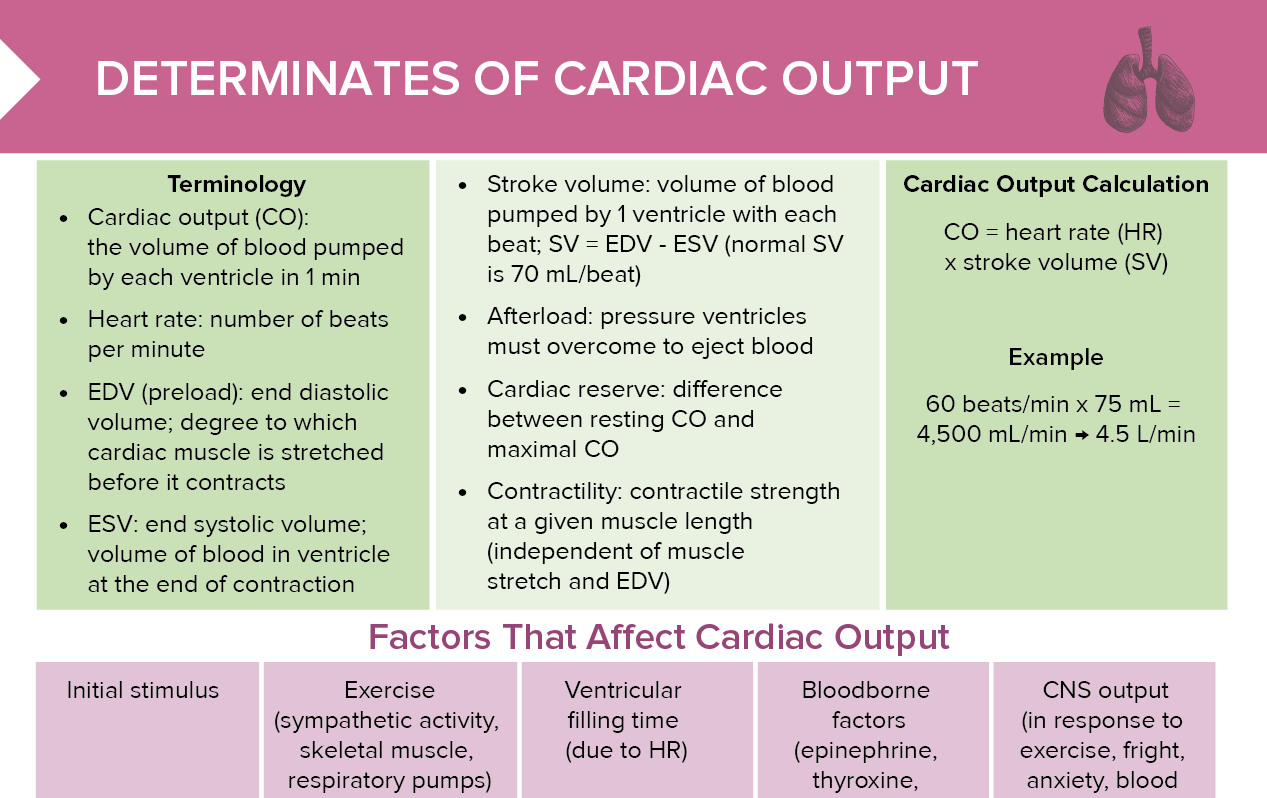
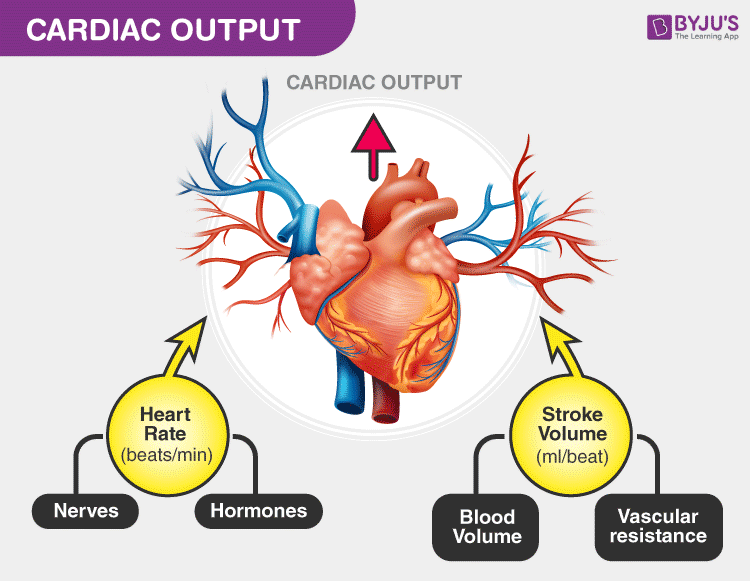
Decreased cardiac output refers to a critical physiological state where the heart’s ability to pump sufficient blood to meet the body’s metabolic demands is compromised. This fundamental inefficiency means vital organs and tissues receive an inadequate supply of oxygen and nutrients, leading to a cascade of symptoms and potential organ damage. While primarily a medical diagnosis requiring immediate clinical attention, the presence of decreased cardiac output – or the underlying conditions that lead to it, such as heart failure – carries profound and often devastating financial implications. These economic shadows extend far beyond the immediate medical bills, impacting personal finance, household stability, career trajectories, and even the broader economic landscape. Understanding “what is decreased cardiac output” in a holistic sense necessitates an examination not just of its biological mechanisms but also its far-reaching financial consequences.

Direct Healthcare Expenditures
The initial and most apparent financial strain stemming from decreased cardiac output manifests in direct healthcare expenditures. Diagnosing and managing this condition typically involves a multi-faceted approach, each step of which incurs significant costs. Hospitalizations are common, often involving stays in intensive care units (ICUs) during acute decompensation, followed by general ward care. A single ICU day can cost thousands, rapidly accumulating substantial bills. Specialist consultations with cardiologists, electrophysiologists, and cardiac surgeons become routine, each visit adding to the financial burden.
Diagnostic tests are crucial for accurate assessment and monitoring. These include regular echocardiograms, which visualize heart structure and function; cardiac MRIs; CT scans; stress tests; and extensive blood work. Each of these procedures carries its own fee, often recurring over the patient’s lifetime. Prescription medications are a cornerstone of managing decreased cardiac output and its underlying causes. Patients may require a daily regimen of diuretics, ACE inhibitors, beta-blockers, anti-arrhythmics, and other specialized drugs, which can easily amount to hundreds or even thousands of dollars monthly, even with insurance. For those requiring advanced interventions, costs escalate dramatically. Procedures like pacemaker or implantable cardioverter-defibrillator (ICD) implantation, coronary artery bypass grafting (CABG), valve replacement surgeries, or even heart transplantation involve major surgical fees, anesthesia, hospital stays, and extensive post-operative rehabilitation.
Navigating these direct costs is further complicated by the intricacies of health insurance. Deductibles, co-pays, and co-insurance can quickly accumulate, even with robust plans. Many individuals find themselves hitting their out-of-pocket maximums annually, draining emergency savings. For the uninsured or underinsured, decreased cardiac output can quickly lead to catastrophic medical debt, often a leading cause of personal bankruptcy. Health Savings Accounts (HSAs) and Flexible Spending Accounts (FSAs), while beneficial, can be rapidly depleted by the sheer volume and expense of necessary medical care, leaving individuals financially vulnerable.
Income Loss and Productivity Erosion: The Hidden Financial Drain
Impact on Personal Income and Career Trajectories
Beyond direct medical bills, decreased cardiac output exacts a heavy toll on personal income and long-term financial stability. The illness often necessitates significant time away from work, whether for frequent medical appointments, periods of acute illness requiring hospitalization, or extended recovery phases following interventions. This directly translates to lost wages for hourly workers and reduced earning potential for salaried employees who may exhaust sick leave and move to unpaid leave. For many, the chronic nature of heart conditions means a permanent reduction in work capacity. Individuals may be unable to perform full duties, leading to a need for reduced hours, a shift to less demanding roles, or even an inability to continue in their previous profession. These changes almost invariably result in a significant decrease in income and a halt to career progression.
In severe cases, decreased cardiac output can force individuals into early retirement or compel them to leave the workforce entirely, prematurely ending their earning years. This not only strips away current income but also severely impacts long-term financial planning, significantly depleting or preventing the accumulation of retirement savings. For entrepreneurs and small business owners, the impact can be even more immediate and devastating. Their ability to generate revenue is directly tied to their health and capacity to work. A debilitating heart condition can lead to a direct loss of business revenue, client relationships, and, in extreme cases, the collapse of their venture, wiping out years of investment and effort.
Employer and Economic Productivity Implications
The financial ramifications of decreased cardiac output extend beyond the individual to employers and the broader economy. Businesses face increased absenteeism and presenteeism among employees suffering from chronic heart conditions. Absenteeism, while measurable, is often accompanied by presenteeism – employees physically present at work but operating at significantly reduced productivity due to fatigue, symptoms, or medication side effects. This dual impact can severely disrupt operations, delay projects, and reduce overall output and profitability. Employers may incur additional costs associated with recruiting and training temporary or permanent replacements, or bear the burden of managing reduced staff capacity.
On a larger scale, when a significant portion of the workforce is affected by chronic heart conditions, it directly impacts national labor force productivity and economic growth. Healthcare systems become strained, diverting resources that could otherwise be invested in other sectors. The societal cost includes not just healthcare expenditure but also the lost human capital and innovation that individuals might have contributed. Public health initiatives aimed at preventing heart disease, therefore, carry an immense economic benefit, mitigating future financial burdens on both individuals and the state.
Lifestyle Adjustments and Indirect Financial Strains
Modifying Daily Life and Associated Costs
Living with decreased cardiac output often necessitates significant lifestyle adjustments, many of which carry their own financial implications. Specialized diets, often low-sodium or fluid-restricted, can be more expensive to maintain. Sourcing specific organic ingredients, healthier prepared meals, or specialized nutritional supplements can strain household budgets. Home modifications may become necessary to accommodate physical limitations, such as installing stair lifts, grab bars, or medical alert systems. For those requiring equipment like oxygen concentrators or hospital beds, there are costs associated with rental, purchase, and potentially the need for larger living spaces or dedicated areas within the home. Transportation costs for frequent medical appointments can also be substantial, particularly if the patient is unable to drive and requires rideshare services, medical transport, or relies on family members who incur fuel and vehicle wear-and-tear expenses.
The Burden of Caregiving
A often-overlooked yet profound financial strain comes from the necessity of caregiving. Family members frequently step into the role of primary caregivers, providing essential support with daily activities, medication management, and transportation to appointments. While admirable, this often comes at a significant financial cost to the caregiver. They may have to reduce their own work hours, take unpaid leave, or even leave their employment entirely to provide full-time care. This directly impacts their personal income, delays their career progression, and can severely deplete their own retirement savings. The “opportunity cost” of caregiving – the income and career growth forgone – is immense and often unquantified.
When family caregiving is not feasible or sufficient, professional in-home care or long-term care facilities become necessary. These services are incredibly expensive, often running into thousands of dollars per month, and can quickly deplete an individual’s life savings and assets, leading to profound financial insecurity for the entire family unit.
Building Financial Resilience Against Chronic Illness
Essential Personal Financial Planning Tools
In the face of chronic conditions like decreased cardiac output, proactive financial planning is paramount. Building robust emergency funds is critical; individuals should aim for at least 6-12 months of living expenses saved specifically for unforeseen health crises or periods of unemployment. This cushion provides vital breathing room during medical emergencies and recovery. A comprehensive insurance portfolio is another cornerstone. Beyond standard health insurance, disability income insurance (both short-term and long-term) offers crucial protection against lost wages if the illness prevents working. Critical illness insurance, which provides a lump sum payout upon diagnosis of specific conditions like heart failure, can offer immediate financial relief to cover non-medical expenses or supplement income. Finally, advanced estate planning – including wills, durable power of attorney for financial and medical decisions, and advanced directives – becomes essential when facing potentially debilitating illness, ensuring financial wishes are respected and reducing emotional and financial stress on family members during difficult times.
Business Strategies for Employee Health and Financial Stability
Businesses also have a vested interest in mitigating the financial impact of chronic illnesses among their workforce. Investing in comprehensive employee wellness programs can play a pivotal role. These programs, which often include health screenings, lifestyle coaching, and resources for managing chronic conditions, can help prevent the onset or progression of heart disease, leading to lower long-term healthcare costs for the company and increased employee productivity. Regularly reviewing and enhancing employee benefits – including health, disability, and life insurance – ensures that employees have adequate protection when facing health challenges. Robust benefits not only provide a safety net but also improve employee morale, retention, and overall organizational resilience. Furthermore, businesses can implement financial literacy initiatives, educating employees on the importance of personal finance, understanding their insurance options, and planning for retirement. Empowering employees with financial knowledge can help them build their own resilience, creating a healthier, more financially stable workforce, ultimately contributing to the long-term financial health of the business.
aViewFromTheCave is a participant in the Amazon Services LLC Associates Program, an affiliate advertising program designed to provide a means for sites to earn advertising fees by advertising and linking to Amazon.com. Amazon, the Amazon logo, AmazonSupply, and the AmazonSupply logo are trademarks of Amazon.com, Inc. or its affiliates. As an Amazon Associate we earn affiliate commissions from qualifying purchases.