
In the vast lexicon of electronics and electrical engineering, few terms are as fundamental yet sometimes misunderstood as “DC volts.” Direct Current (DC) voltage forms the bedrock of virtually every electronic device we interact with daily, from the smartphone in your pocket to the complex circuitry of a supercomputer. Understanding DC voltage is not merely an academic exercise; it is crucial for anyone engaging with technology, from hobbyists building circuits to professionals designing advanced systems. At its core, DC voltage represents a consistent, unidirectional electrical potential difference, driving electrons in a single direction through a circuit.
Understanding the Fundamentals of Direct Current
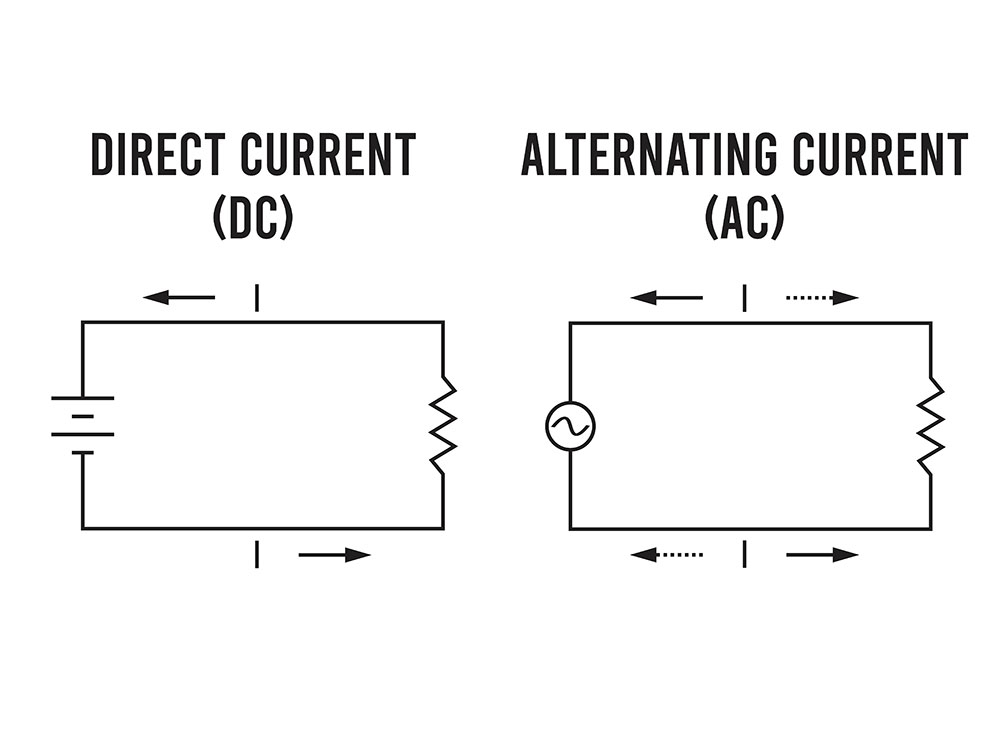
The concept of DC voltage is inseparable from the broader understanding of direct current itself. Unlike alternating current (AC), which constantly changes direction, direct current maintains a steady flow, making it indispensable for specific applications.
Defining DC and Voltage
Direct Current (DC) refers to the flow of electric charge that is always in the same direction. This means that the electrons, which carry the electric charge, move from a point of higher potential energy (the negative terminal) to a point of lower potential energy (the positive terminal) in an external circuit, creating a continuous loop.
Voltage, or potential difference, is the electrical force or “pressure” that drives these electrons. Measured in volts (V), it quantifies the energy per unit charge available to move electrons between two points in a circuit. In a DC circuit, this potential difference remains constant in its polarity; one terminal is consistently positive, and the other consistently negative. This constant polarity ensures that current flows in a single, predictable direction, making DC voltage ideal for powering sensitive electronic components that rely on a stable and unchanging electrical environment.
The Source of DC Voltage
The sources of DC voltage are diverse and ubiquitous in modern technology. The most common and recognizable source is the battery. Whether it’s the AA batteries powering a remote control, the lithium-ion battery in a laptop, or the lead-acid battery in a car, batteries chemically convert stored energy into a steady DC voltage.
Another primary source is a DC power supply. These devices typically take AC voltage from a wall outlet and convert it into a usable DC voltage through a process called rectification and regulation. This allows household appliances and electronic devices to run on the stable DC power they require.
Furthermore, solar cells (photovoltaic cells) directly generate DC voltage when exposed to light, converting solar energy into electrical energy. This is a critical component in renewable energy systems, powering everything from calculators to entire homes. Fuel cells also produce DC voltage through an electrochemical reaction, offering another clean energy source.
Constant Direction, Constant Polarity
The defining characteristic of DC voltage is its unwavering direction and polarity. Imagine a river flowing constantly downstream without changing its course; this is analogous to DC. In a DC circuit, once the positive and negative terminals are established, they remain fixed. Electrons consistently depart from the negative terminal, travel through the circuit, perform work (like illuminating an LED or running a motor), and return to the positive terminal. This constant, one-way flow is crucial for the operation of digital electronics, which rely on precise voltage levels to represent binary states (on/off, 0/1). Any fluctuation in direction or significant variation in voltage could lead to errors or damage to sensitive microprocessors and integrated circuits.
DC Voltage vs. AC Voltage: A Critical Distinction
While both DC and AC voltages are fundamental to electrical engineering, their distinct characteristics dictate their applications. Understanding their differences is key to appreciating the role of DC.
Alternating Current (AC) Briefly Explained
To fully appreciate DC, it helps to understand its counterpart, Alternating Current (AC). Unlike DC, AC periodically reverses its direction. The voltage and current levels rise and fall in a cyclical pattern, typically a sine wave, changing polarity multiple times per second (e.g., 50 or 60 Hz in most power grids). This constant oscillation makes AC highly efficient for transmitting electricity over long distances with minimal power loss, as transformers can easily step up or step down AC voltage levels. This is why power plants generate AC and distribute it through high-voltage transmission lines to homes and businesses.
Key Differences in Application
The contrasting natures of DC and AC lead to distinct application domains. AC is the workhorse of power transmission and distribution. Its ability to be easily transformed to different voltage levels makes it ideal for delivering power from distant generation plants to urban centers. Most large motors, industrial machinery, and household appliances (like refrigerators and washing machines) operate directly on AC.
DC, on the other hand, is the lifeblood of electronics. Devices that store energy, like batteries, inherently produce DC. Furthermore, all digital logic circuits, microcontrollers, CPUs, and memory chips require a stable DC voltage to function correctly. The precise, consistent flow of DC current is essential for the delicate operations within these components. The varying nature of AC would introduce noise and instability, rendering most modern electronics inoperable.
Rectification and Conversion
Given that household outlets provide AC, but most electronic devices require DC, a conversion process is necessary. This process is called rectification. A rectifier circuit, often found within a device’s power adapter or internal power supply, converts AC into pulsating DC. This pulsating DC is then smoothed out by capacitors and regulated by voltage regulators to produce a stable, constant DC voltage suitable for the device’s internal circuitry. This conversion process is a critical bridge, allowing our DC-dependent gadgets to tap into the ubiquitous AC power grid.

Applications and Significance of DC Voltage in Modern Technology
DC voltage is not just a theoretical concept; it is the practical force underpinning countless technologies that define our modern world. Its reliability and predictability make it indispensable across diverse sectors.
Powering Portable Electronics
The most evident application of DC voltage is in portable electronics. Every smartphone, laptop, tablet, wearable device, and portable gaming console relies exclusively on DC power. The batteries within these devices store and deliver DC voltage, enabling them to operate untethered from wall outlets. Even when plugged in, the charger acts as an AC-to-DC converter, supplying the necessary DC voltage to both power the device and recharge its internal DC battery.
Automotive and Aerospace Systems
Vehicles, from cars and trucks to airplanes and spacecraft, operate predominantly on DC electrical systems. A car’s 12-volt battery (DC) powers everything from the starter motor to the dashboard lights, infotainment system, and electronic control units (ECUs). In aerospace, complex avionics, communication systems, and flight controls are all powered by DC, often with sophisticated power management systems to ensure stability and reliability in critical applications.
Renewable Energy Systems
The burgeoning field of renewable energy heavily relies on DC voltage. Solar panels directly produce DC electricity when sunlight strikes their photovoltaic cells. This DC power can either be stored in DC batteries or converted into AC by an inverter for use in homes or to be fed into the electrical grid. Wind turbines, while often generating AC, often include rectifiers to convert it to DC for transmission or battery storage, highlighting the pervasive need for DC in energy management.
Digital Circuits and Microelectronics
At the very heart of the digital revolution lies DC voltage. Microprocessors, memory chips, sensors, and all forms of integrated circuits operate on precise, low-voltage DC signals. Logic gates, which form the building blocks of all digital computation, depend on distinct DC voltage levels (e.g., 0V for logical ‘0’ and 3.3V or 5V for logical ‘1’) to perform their operations. Without stable DC power, the intricate dance of electrons that executes software and processes data would be impossible.
Data Centers and Telecommunications
Modern data centers, the backbone of the internet and cloud computing, are massive consumers of DC power. Servers, networking equipment, and storage arrays within these facilities typically operate on DC. While the grid supplies AC, data centers often convert it to DC early in their power distribution architecture for greater efficiency, reliability, and simplified battery backup systems (Uninterruptible Power Supplies or UPS). Telecommunications infrastructure, from cell towers to central offices, also relies heavily on robust DC power systems, often backed by large battery banks to ensure continuous operation.
Measuring, Managing, and Ensuring Safe DC Voltage
Working with DC voltage effectively requires an understanding of how to measure, manage, and safely handle it.
Tools for Measurement
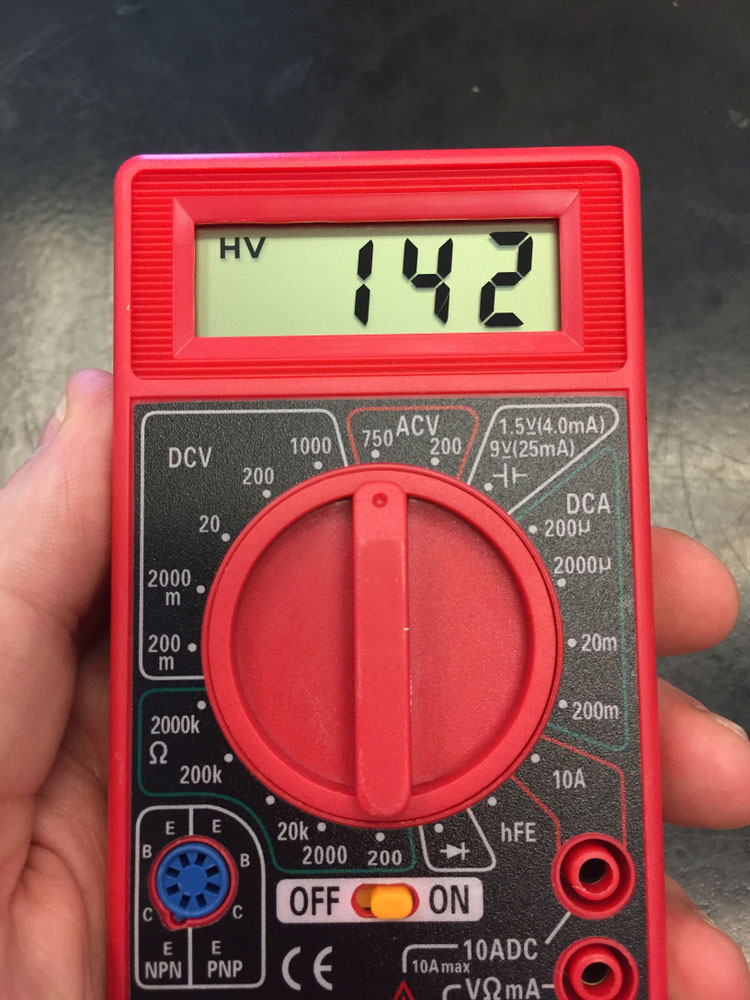
Measuring DC voltage is a routine task in electronics and electrical work. The primary tool for this is a multimeter, which can measure voltage, current, and resistance. When measuring DC voltage, the multimeter is set to the “DCV” or “V-” range, and its probes are placed in parallel across the two points where the potential difference is to be measured. For more detailed analysis of DC voltage stability or ripple (small AC components superimposed on DC), an oscilloscope is used, providing a visual waveform representation over time. Accurate measurement is crucial for troubleshooting circuits, verifying power supply outputs, and ensuring components are receiving their specified voltage.
Voltage Regulators and Converters
Maintaining a stable DC voltage is critical for the longevity and proper functioning of electronic components. Voltage regulators are devices or circuits designed to automatically maintain a constant output voltage regardless of variations in the input voltage or changes in load current. They are ubiquitous in power supplies, ensuring that sensitive microprocessors receive a precise and steady voltage. DC-to-DC converters, on the other hand, are used to change one DC voltage level to another (e.g., stepping down 12V DC to 5V DC for a USB port). These devices are essential for optimizing power usage and adapting various DC sources to different load requirements.
Safety Considerations with DC
While often perceived as less dangerous than high-voltage AC, DC voltage still poses safety risks. High DC voltages, such as those found in solar arrays or electric vehicle battery packs, can deliver a significant and continuous current, leading to severe burns, tissue damage, or electrocution. Even lower voltages can cause arcing, especially during short circuits, which can lead to fires or component damage. Proper safety practices include using insulated tools, wearing personal protective equipment (PPE), ensuring circuits are de-energized before working on them, and understanding the appropriate procedures for handling batteries and power supplies. Respect for electrical potential is paramount, regardless of whether it’s AC or DC.
The Future of DC Distribution
The increasing prevalence of DC-native technologies like LEDs, computers, and electric vehicles, coupled with the efficiency gains in power conversion, is driving a renewed interest in DC power distribution. Concepts like DC microgrids for homes and communities, and the direct use of DC within data centers, are gaining traction. Eliminating multiple AC-to-DC and DC-to-AC conversions can lead to significant energy savings and reduced infrastructure complexity. As technology continues to evolve, our reliance on stable, efficient DC voltage will only grow, cementing its role as an indispensable element in the future of electrical power and electronics.
aViewFromTheCave is a participant in the Amazon Services LLC Associates Program, an affiliate advertising program designed to provide a means for sites to earn advertising fees by advertising and linking to Amazon.com. Amazon, the Amazon logo, AmazonSupply, and the AmazonSupply logo are trademarks of Amazon.com, Inc. or its affiliates. As an Amazon Associate we earn affiliate commissions from qualifying purchases.