
In our quest for focus, relaxation, and enhanced productivity, the world of sound has become an increasingly valuable tool. While white noise has long been a popular choice for masking distractions, a deeper, richer sonic texture known as brown noise is gaining significant traction. But what exactly is brown noise, and crucially, what frequency range does it occupy? Understanding this sonic phenomenon can unlock its potential to improve our digital lives, from boosting concentration during intense tech projects to creating a more serene brand experience, and even influencing our financial focus.
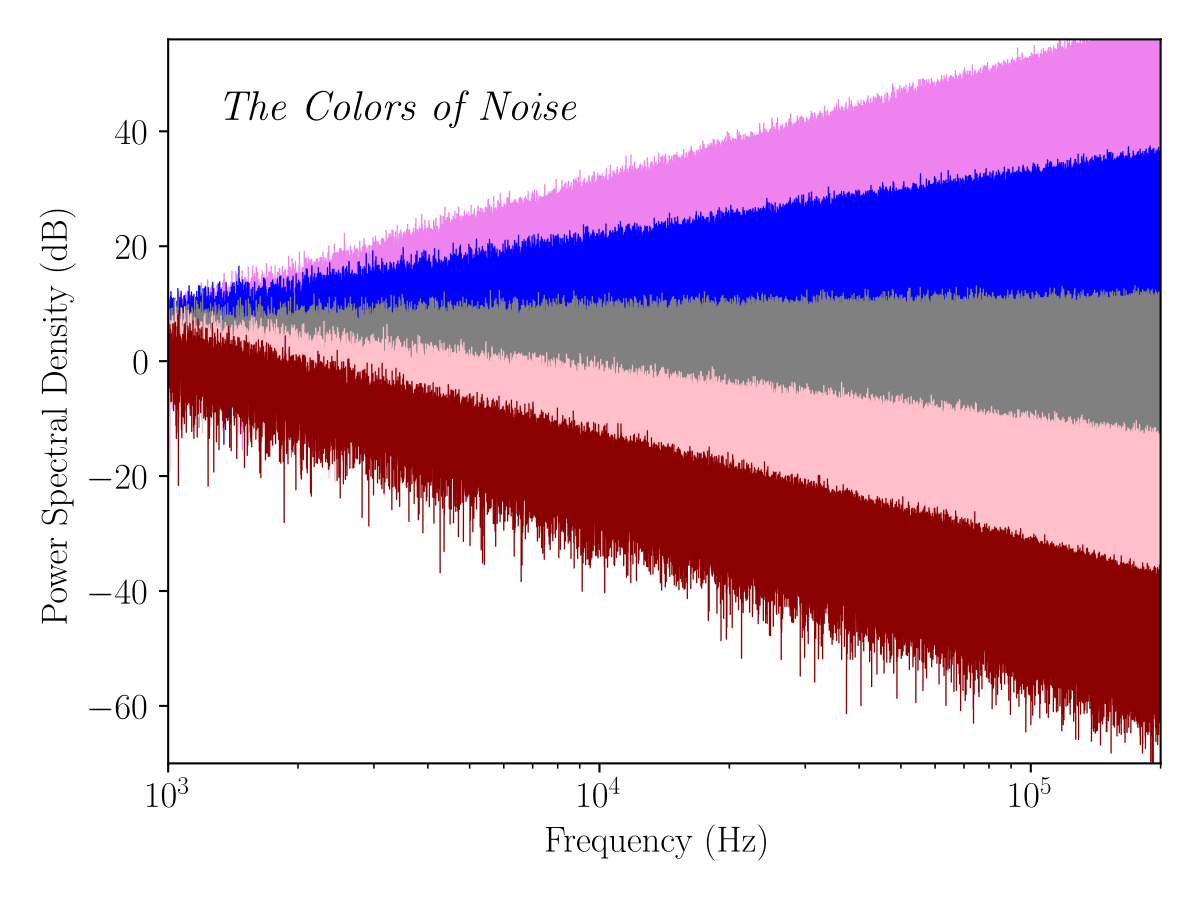
Brown noise, often described as sounding like a deep rumble, a strong waterfall, or even the low roar of a distant freight train, stands apart from its more familiar counterparts. Its characteristic depth and richness are directly tied to its unique frequency distribution. Unlike white noise, which contains an equal amount of energy across all audible frequencies, or pink noise, which has equal energy per octave, brown noise is weighted towards the lower end of the audible spectrum. This means it has significantly more power in the lower frequencies and progressively less power as the frequencies increase.
Understanding the Frequency Spectrum of Brown Noise
To truly grasp what frequency is brown noise, we need to delve into the science behind sound and its perception. The audible spectrum for humans typically ranges from approximately 20 Hz (Hertz) to 20,000 Hz. Within this range, different frequencies elicit different auditory experiences.
The Power of the Low End: Brown Noise’s Frequency Profile
The defining characteristic of brown noise is its power spectral density (PSD). In simpler terms, this refers to how much sound energy is present at each frequency. For brown noise, the PSD is inversely proportional to the frequency. This mathematical relationship dictates that as the frequency decreases (moving towards the lower end of the spectrum), the sound energy increases. Conversely, as the frequency increases (moving towards the higher end), the sound energy decreases.
While there isn’t a single, universally agreed-upon “exact” frequency for brown noise, the concept revolves around this slope in its frequency distribution. Often, discussions of brown noise will refer to its dominance in frequencies below 1000 Hz. Some sources might even suggest that the majority of its perceived power lies below 500 Hz or even 200 Hz. This heavy emphasis on lower frequencies is what gives brown noise its characteristic deep, resonant, and calming quality.
To illustrate, imagine a graph with frequency on the x-axis and sound intensity on the y-axis. For white noise, the line would be flat, indicating equal intensity across all frequencies. For pink noise, the line would slope downwards, but at a steady rate. For brown noise, the line would slope downwards much more steeply, with a dramatic drop-off in intensity as you move towards higher frequencies.
This distinct frequency profile is what differentiates brown noise from other forms of “colored” noise:
-
White Noise: Imagine the static on an untuned TV channel. White noise has equal energy at all frequencies. This makes it very effective at masking a wide range of sounds but can sometimes be perceived as harsh or irritating. Its frequency distribution is flat.
-
Pink Noise: Think of the gentle sound of rain or a rustling forest. Pink noise has equal energy per octave. This means that while higher frequencies have less energy than lower ones (similar to brown noise), the energy reduction is more gradual. This often leads to a more balanced and pleasing sound. Its frequency distribution slopes downwards by 3 dB per octave.
-
Brown Noise: As discussed, brown noise has significantly more energy at lower frequencies, giving it its distinctive deep, rumbling character. Its frequency distribution slopes downwards by 6 dB per octave. This pronounced low-frequency emphasis is key to its unique auditory impact.
The Impact of Low Frequencies on Perception
The human ear is more sensitive to certain frequencies than others, and our brains interpret these frequencies in different ways. The dominance of low frequencies in brown noise plays a crucial role in its perceived effects. These deeper tones can:
- Induce Relaxation: Lower frequencies are often associated with calming and grounding sensations. They can help to slow down our heart rate and breathing, promoting a state of relaxation.
- Mask Mid-Range and High-Frequency Sounds: The sheer volume of energy in the lower frequencies of brown noise is particularly effective at masking disruptive sounds in the mid and high-frequency ranges, such as speech, traffic noise, or keyboard clicks. This makes it an excellent tool for creating a focused environment.
- Enhance Deep Sleep: For individuals struggling with insomnia or disrupted sleep patterns, the consistent, low-frequency hum of brown noise can create a soothing auditory backdrop that promotes deeper, more restorative sleep.
Brown Noise in the Tech Landscape: Enhancing Focus and Productivity
In the fast-paced world of technology, where deep concentration is paramount for innovation and problem-solving, brown noise is emerging as a valuable tool. Developers, designers, writers, and anyone working on complex digital tasks can leverage its unique sonic properties to their advantage.
Boosting Concentration and Deep Work
The ability of brown noise to mask distracting environmental sounds is a significant benefit for tech professionals. When immersed in intricate coding sessions, intricate design work, or detailed content creation, even minor auditory interruptions can break the flow of thought and significantly reduce productivity. Brown noise acts as a sonic shield, creating a consistent auditory environment that minimizes the impact of these distractions.
The low-frequency emphasis of brown noise is particularly effective here. While white noise can be a blanket for all sounds, the deeper rumble of brown noise can be perceived as less intrusive and more enveloping. It doesn’t compete for attention in the same way as a more erratic or higher-frequency sound. This allows the brain to focus on the task at hand without being constantly pulled away by external stimuli.
Consider a software developer trying to debug a complex piece of code. The subtle hum of an air conditioner, the distant chatter of colleagues, or even the clicking of a mouse can all disrupt their concentration. By playing brown noise at a comfortable volume, the developer can create a personal sonic sanctuary, allowing them to enter a state of deep work, often referred to as “flow.”
AI Tools and Brown Noise: A Symbiotic Relationship
The rise of Artificial Intelligence (AI) tools has revolutionized various industries, including content creation, data analysis, and even user experience design. As these tools become more sophisticated, the need for sustained, focused human input remains critical. Brown noise can complement the use of AI by creating an optimal environment for the human element involved in these processes.
For instance, when using AI-powered writing assistants to generate initial drafts, a human editor still needs to meticulously refine, fact-check, and imbue the content with nuance and personality. The focus required for this level of detail can be significantly enhanced by the presence of brown noise. Similarly, when working with AI to analyze vast datasets or develop machine learning models, the sustained concentration required to interpret results and guide the AI’s learning process can be greatly aided by this deep, consistent sound.
Gadget Integration and Personal Soundscapes

The proliferation of smart speakers, noise-canceling headphones, and ambient sound apps has made it easier than ever to incorporate brown noise into our daily lives. Many of these devices offer a curated selection of ambient sounds, including various forms of noise. The ability to create a personalized soundscape tailored to individual needs and preferences is a key aspect of modern tech.
For productivity buffs, integrating brown noise into their workflow is as simple as asking their smart speaker to play it or selecting it on their favorite ambient sound app. The accessibility and ease of use of these technologies mean that brown noise is no longer a niche audio experience but a readily available tool for anyone seeking to optimize their cognitive performance.
Brown Noise and Branding: Crafting Auditory Identities
Beyond personal productivity, the principles of sound and its frequency impact extend to the realm of branding. In an increasingly saturated market, brands are constantly seeking new and innovative ways to connect with their target audiences. Brown noise, with its unique psychological effects, offers a fascinating avenue for brands to shape perceptions and create memorable experiences.
Creating a Sense of Trust and Stability
The deep, grounding nature of brown noise can evoke feelings of trust, stability, and reliability. These are core attributes that many brands aspire to convey. Imagine a financial institution or a healthcare provider using a subtle, low-frequency ambient sound in their physical spaces or on their digital platforms. This auditory cue could subconsciously reinforce their image as a secure and dependable entity.
For brands focused on wellness and mindfulness, brown noise can contribute to a feeling of calm and sanctuary. This aligns perfectly with products and services designed to reduce stress and promote well-being. By carefully incorporating brown noise into their brand’s sonic identity, companies can create an auditory signature that resonates with these desired emotional responses.
Enhancing Customer Experience in Digital Spaces
In the digital sphere, where attention spans are short and engagement is key, the auditory experience can significantly influence customer perception. Websites, apps, and online content can all benefit from thoughtful sound design. Brown noise can be strategically employed to:
- Reduce Perceived Waiting Times: When users are waiting for a page to load or a process to complete, a calming ambient sound like brown noise can make the wait feel less tedious and more manageable.
- Improve Focus During Interactive Sessions: For online learning platforms or complex interactive tools, brown noise can help users maintain focus and engagement with the content.
- Create a Relaxing Atmosphere for E-commerce: For brands selling products associated with relaxation, comfort, or luxury, the subtle use of brown noise on their website can contribute to an overall indulgent and appealing customer journey.
Case Studies in Sonic Branding
While still an emerging area, brands are beginning to explore the power of specific sound frequencies. Companies that master their sonic branding can create a powerful emotional connection with consumers. The “signature sounds” of familiar brands often leverage distinct sonic characteristics. The deep, resonant frequencies within brown noise offer a unique palette for brands aiming to project qualities of depth, seriousness, and a grounding presence. As more research emerges on the psychological impact of different sound frequencies, we can expect to see brown noise playing an increasingly significant role in sophisticated branding strategies.
Brown Noise and Personal Finance: Cultivating a Focused Financial Mindset
The world of personal finance demands focus, discipline, and a clear head. Whether it’s diligently tracking expenses, making informed investment decisions, or navigating the complexities of budgeting, maintaining mental clarity is paramount. Brown noise, with its ability to promote concentration and reduce mental clutter, can be a valuable ally in achieving financial goals.
Investing with Clarity and Discipline
The stock market and investment landscape can be volatile and emotionally charged. Making rational decisions requires a disciplined mind, free from the disruptive influences of external noise and internal anxiety. Brown noise can create an environment conducive to focused analysis and thoughtful decision-making.
When researching potential investments, analyzing financial reports, or managing a portfolio, the deep, consistent hum of brown noise can help to:
- Minimize Emotional Reactions: The calming effect of lower frequencies can help to temper impulsive decisions driven by fear or greed.
- Enhance Analytical Thinking: By filtering out distractions, brown noise allows for deeper concentration on financial data and trends.
- Promote Long-Term Perspective: The grounding nature of brown noise can encourage a more patient and disciplined approach to investing, fostering a focus on long-term growth rather than short-term fluctuations.
Side Hustles and Online Income: Maximizing Productivity
For those pursuing side hustles or aiming to generate online income, efficiency and productivity are key to success. Whether it’s freelancing, managing an e-commerce store, or creating digital content, the ability to dedicate focused time to these endeavors is crucial.
Brown noise can transform a home office or a co-working space into a productivity hub. The consistent, non-intrusive nature of the sound helps to:
- Block Out Household Distractions: The rumble of activity from family members, pets, or the general environment can be effectively masked, allowing for uninterrupted work sessions.
- Improve Time Management: By creating an environment where deep work is possible, individuals can accomplish more in less time, freeing up valuable hours for other pursuits.
- Boost Creativity and Problem-Solving: For entrepreneurs and freelancers who rely on innovative ideas, a focused mind is essential. Brown noise can help to clear mental cobwebs and foster a more creative and problem-solving mindset.

Financial Tools and Digital Security: A Clear Path Forward
The tools we use to manage our money are becoming increasingly digital. Online banking, investment apps, and budgeting software require a level of engagement and attention to detail. Furthermore, navigating the digital world safely necessitates vigilance regarding financial security.
Brown noise can contribute to a more secure and efficient financial experience by:
- Enhancing Focus During Sensitive Transactions: When entering sensitive financial information, maintaining a high level of concentration is crucial to prevent errors or accidental data entry mistakes. Brown noise can support this focus.
- Improving Vigilance Against Online Threats: While not a direct security measure, a focused mind is less susceptible to distraction, which can be exploited by phishing attempts or other social engineering tactics.
- Streamlining Financial Management: By making financial tasks feel less overwhelming and more manageable, brown noise can encourage more consistent engagement with budgeting, expense tracking, and investment monitoring.
In conclusion, the question of “what frequency is brown noise” leads us down a fascinating path of understanding how sound impacts our lives. Its unique frequency profile, dominated by lower tones, offers a powerful tool for enhancing focus, promoting relaxation, and shaping perceptions across technology, branding, and finance. As we continue to integrate sound more thoughtfully into our environments and workflows, brown noise stands out as a sonic ally, helping us to navigate the complexities of the modern world with greater clarity and effectiveness.
aViewFromTheCave is a participant in the Amazon Services LLC Associates Program, an affiliate advertising program designed to provide a means for sites to earn advertising fees by advertising and linking to Amazon.com. Amazon, the Amazon logo, AmazonSupply, and the AmazonSupply logo are trademarks of Amazon.com, Inc. or its affiliates. As an Amazon Associate we earn affiliate commissions from qualifying purchases.