
The Elder Scrolls V: Skyrim, a titan in the open-world RPG genre, has captivated millions since its 2011 release. Beyond its expansive base game and official downloadable content (DLC), a vibrant community-driven modding scene has continually expanded its horizons. Amidst this ecosystem, Bethesda Game Studios introduced the Creation Club in 2017, a curated marketplace designed to offer officially supported, high-quality, and often premium content for Skyrim Special Edition. This initiative aimed to bridge the gap between official expansions and the vast, often unscreened, world of community modifications, providing a structured platform for creators to develop and distribute new game assets, mechanics, and quests.
Understanding the Creation Club Ecosystem
At its core, the Creation Club is an in-game content delivery system for Skyrim Special Edition (and Fallout 4, though this discussion focuses on Skyrim). It functions as a digital storefront embedded directly within the game’s menu, allowing players to browse, purchase, and download new content without needing external mod managers or manual installations. This integration streamlines the user experience significantly, making content acquisition as straightforward as downloading an official update or DLC.
A Curated Approach to Content
Unlike the free-for-all nature of traditional modding platforms, the Creation Club operates under a strict curation model. Every piece of content, from weapon packs and armor sets to new spells, player homes, and full-fledged quests, undergoes a rigorous development and quality assurance process. Bethesda actively commissions or partners with external developers—often experienced modders—to create specific content, or accepts proposals that meet certain criteria.
This process involves multiple stages:
- Design & Concept Approval: Creators pitch ideas to Bethesda, ensuring alignment with the game’s lore, aesthetic, and overall vision.
- Development with Official Tools: Content is built using Bethesda’s official Creation Kit and other proprietary development tools, adhering to specific technical standards.
- Quality Assurance & Testing: Bethesda’s internal QA teams thoroughly test all content for bugs, performance issues, and compatibility conflicts with the base game and other official components. This level of vetting is a key differentiator from most community mods, which rely on volunteer testing.
- Localization: Many Creation Club items receive professional localization into multiple languages, a feature rarely seen in community-made modifications.
This robust pipeline ensures a higher standard of technical stability and polish compared to the broader modding landscape, where quality can vary wildly. The content is also digitally signed by Bethesda, providing an official stamp that assures users of its origin and intended compatibility.
Integration with the Game Engine
Creation Club content integrates directly into the Skyrim game engine as official plugins, much like traditional DLCs. These files typically have a .esl (Elder Scrolls Light) extension, which allows them to bypass the traditional plugin limit of 255 for .esm (Elder Scrolls Master) and .esp (Elder Scrolls Plugin) files. This technical detail is significant for players who heavily rely on community mods, as it means Creation Club items generally don’t consume valuable plugin slots, reducing the complexity of managing large load orders.
The content is downloaded and managed through Skyrim’s in-game “Creations” menu, which replaced the previous “Mods” menu structure. Once acquired, the content is automatically enabled, and in-game prompts or quest triggers guide players to access the new features. This seamless integration aims to make the additions feel like natural extensions of the base game.
Content and Curation: What’s Available?
The range of content available through the Creation Club is diverse, designed to appeal to different types of players and enhance various aspects of the Skyrim experience.
Categories of Content
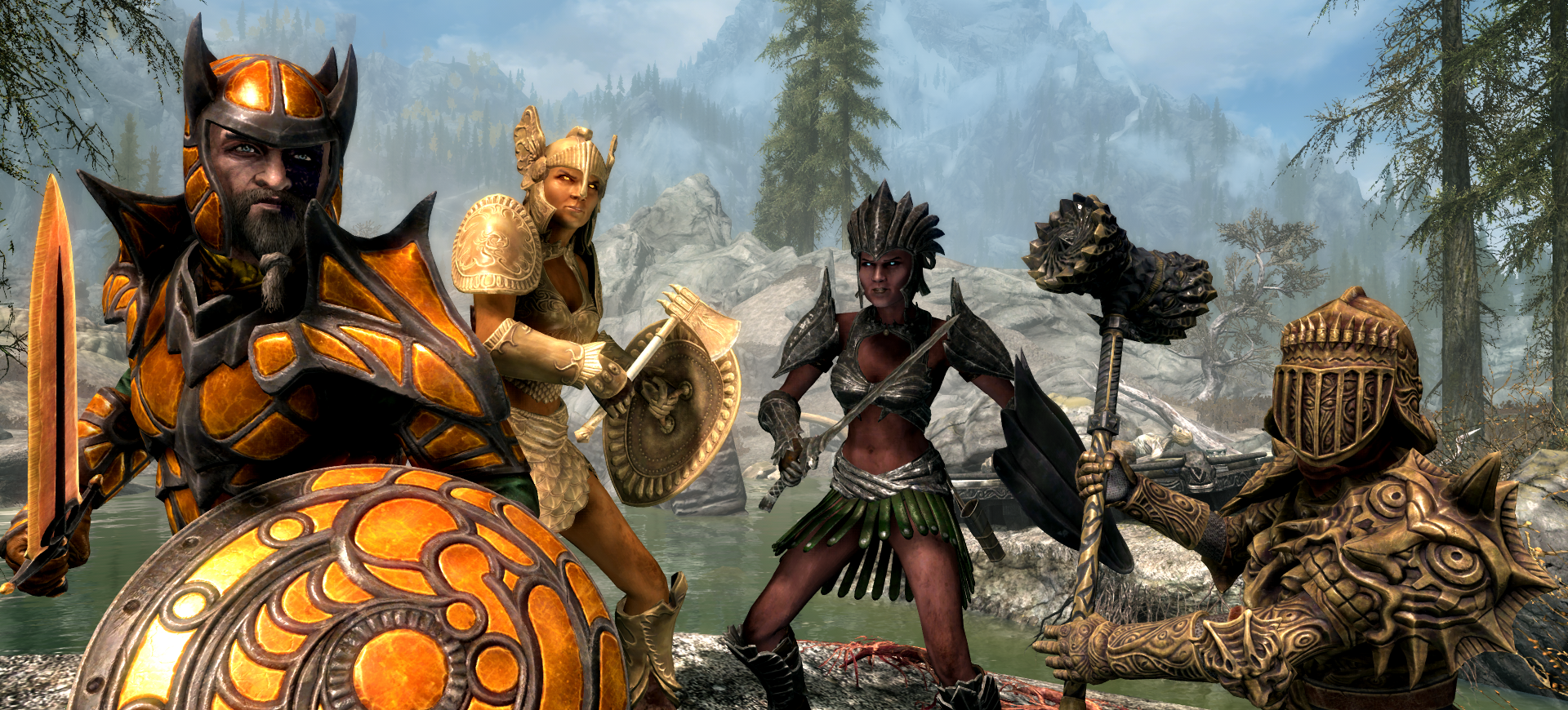
- Gear & Aesthetics: This includes new armor sets, weapon types, shields, and cosmetic items. Examples range from elaborate daedric-themed armors to practical survival gear and historically inspired weaponry. Many items feature unique enchantments or visual effects.
- Player Homes & Settlements: New player abodes, often with unique architectural styles, custom amenities, and designated storage, are a popular category. Some even introduce small settlements or player-buildable structures, adding new strategic elements to the game world.
- Spells & Abilities: New magical spells, shouts, and unique abilities for various playstyles enhance combat and exploration. These can include entirely new schools of magic or variations on existing ones.
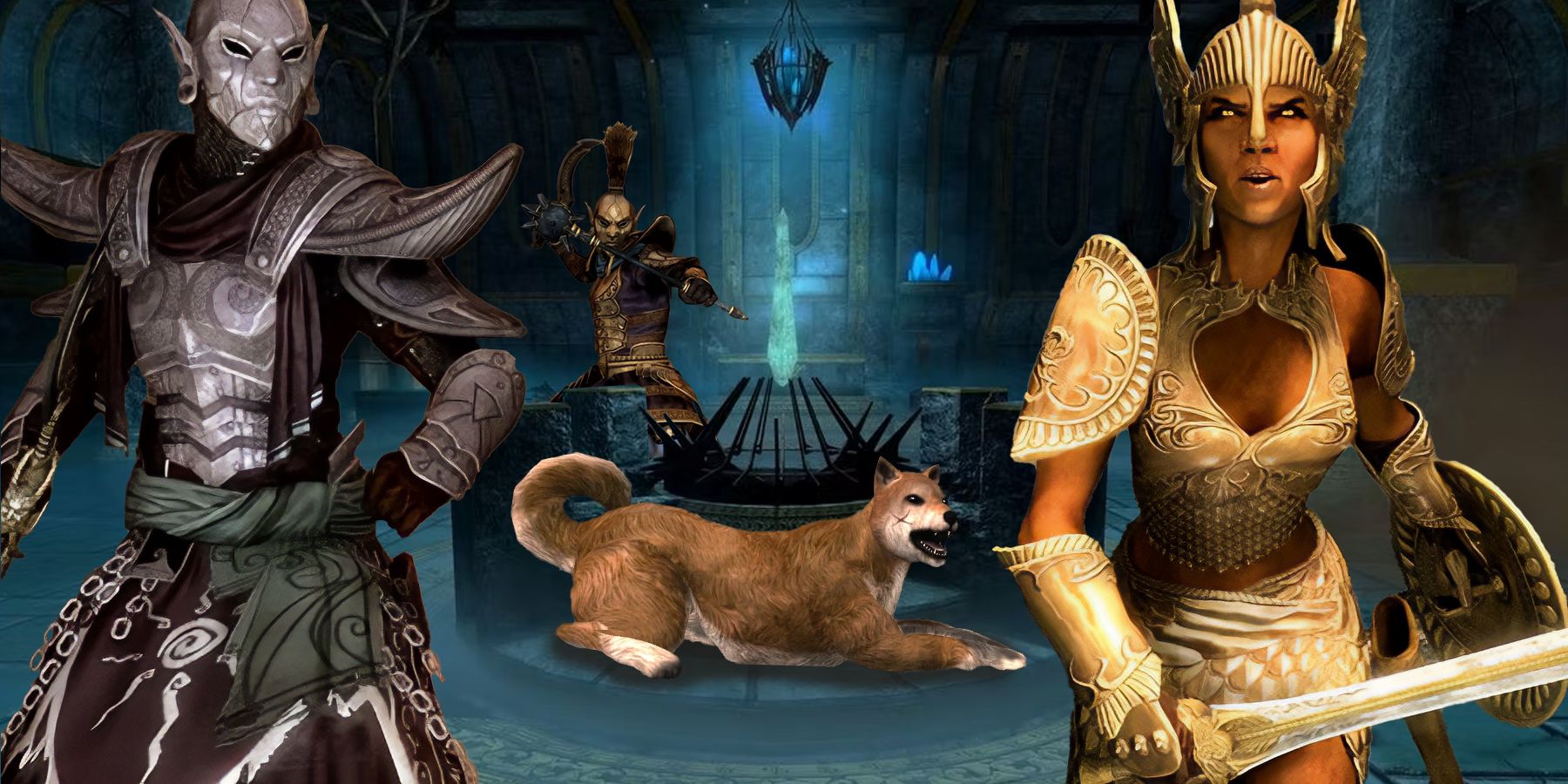
- Creatures & Companions: Unique creatures, mounts, and fully voiced followers add new interactions and combat dynamics to the world of Tamriel.
- Quests & Adventures: These are often the most substantial additions, offering new storylines, dungeons, characters, and rewards. These quests are designed to be lore-friendly and often feature professional voice acting and bespoke assets.
- Survival Mode & Gameplay Tweaks: One of the most significant Creation Club additions is the official Survival Mode, which introduces mechanics like hunger, thirst, fatigue, and cold, fundamentally altering the game’s difficulty and immersion. Other smaller tweaks might include new crafting recipes or minor gameplay adjustments.
Lore-Friendliness and Quality Standards
A core tenet of the Creation Club is adherence to the established lore of The Elder Scrolls universe. Bethesda ensures that all content fits seamlessly into the game’s narrative, aesthetic, and historical context. This commitment to lore-friendliness helps maintain the immersion that players value in Skyrim.
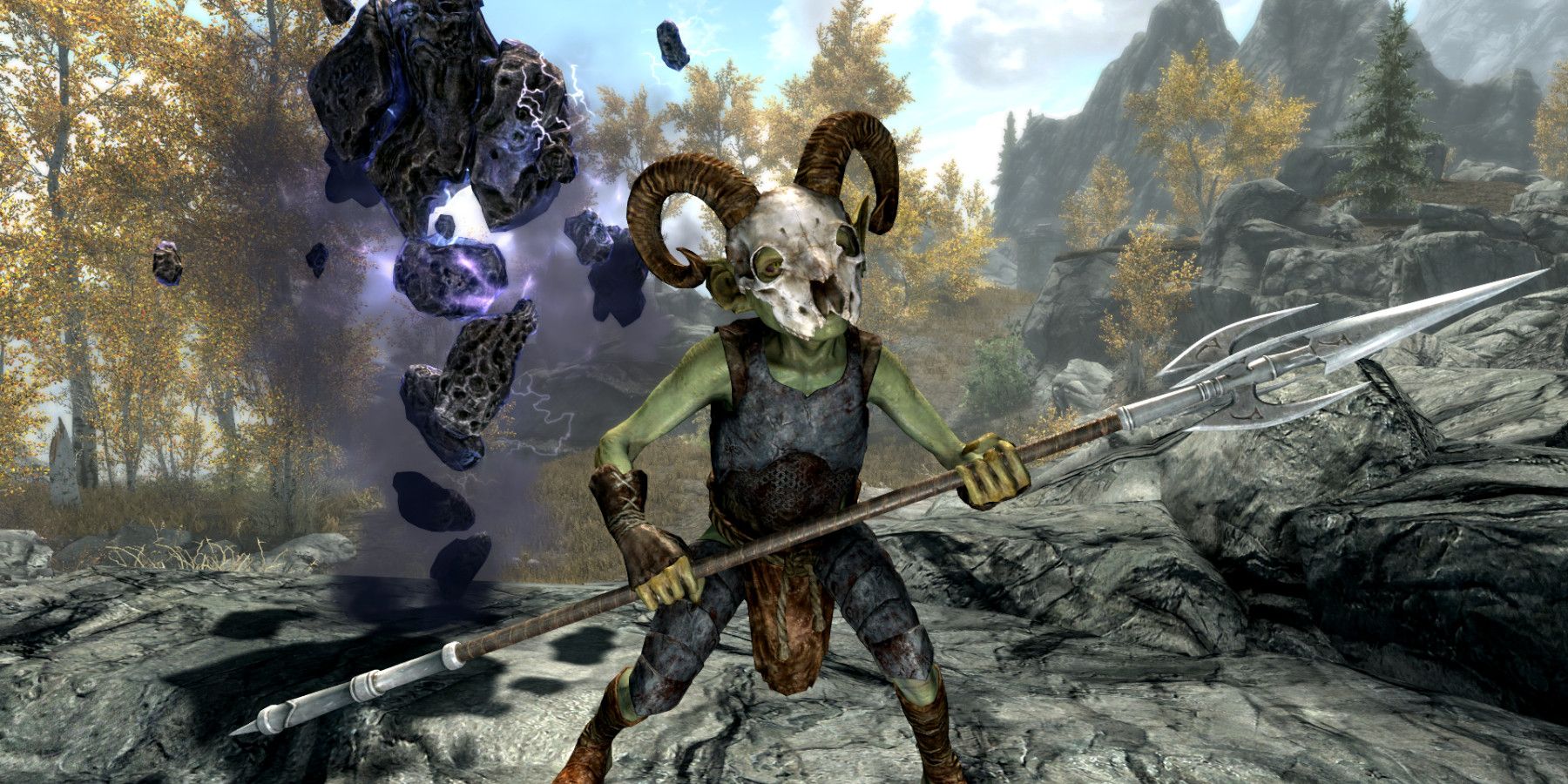
The “quality” aspect extends beyond bug-free operation. It encompasses artistic consistency, professional voice acting where applicable, polished animations, and integration that feels organic rather than tacked on. For many players, this guarantee of quality and lore-friendliness is a primary draw, distinguishing Creation Club content from the often experimental or niche offerings of the wider modding community.
Technical Considerations and Performance
While Creation Club content is designed for seamless integration, understanding its technical aspects is crucial for a comprehensive overview.
Compatibility and Stability
A significant advantage of Creation Club content is its official support. Because it undergoes rigorous testing, it typically boasts high compatibility with the base game and official DLCs (Dawnguard, Hearthfire, Dragonborn). This significantly reduces the risk of game crashes, corrupted saves, or unforeseen bugs that can sometimes plague user-made mods, especially when combining many different ones.
However, it’s important to note that while Creation Club items are designed to be compatible with each other and the vanilla game, conflicts can still arise with certain community-made mods, particularly those that extensively alter the same areas, scripts, or systems that Creation Club content modifies. For instance, a community mod that overhauls a specific region might clash with a Creation Club player home located in that same area. Users who run extensive mod setups still need to exercise caution and understanding of load order principles, though these instances are far less common than with arbitrary mod combinations.
Performance Impact
The performance impact of Creation Club content is generally minimal. Each item is optimized to run efficiently within the game engine. While adding numerous large content packs will naturally increase the game’s overall resource footprint, Bethesda’s optimization standards mean that individual items are unlikely to cause significant frame rate drops or performance bottlenecks on their own. This is in contrast to some community mods which, while ambitious, may not always be optimized for performance, potentially leading to noticeable slowdowns.
Digital Rights Management (DRM)
Creation Club content is protected by digital rights management (DRM). Once purchased, the content is tied to the player’s Bethesda.net account and associated game license. This means the content cannot be freely shared or distributed outside of the Creation Club system. This DRM is a key part of how Bethesda maintains control over the content and ensures creators are compensated, but it also means less flexibility for users compared to traditional mods, which are often open-source or freely distributable. The content downloads and integrates directly with the game installation, and requires validation, often upon game launch, to ensure licenses are active.
Impact on the Skyrim Modding Scene
The introduction of the Creation Club sparked considerable debate within the long-established Skyrim modding community. It represented a shift in Bethesda’s approach to community content, introducing a monetized, curated system into an ecosystem historically dominated by free, community-driven development.
A New Avenue for Creators
For many professional mod authors, the Creation Club offered a legitimate avenue to be compensated for their work. Historically, modding has been a passion project, with compensation limited to voluntary donations or Patreon subscriptions. The Creation Club provided a direct contract with Bethesda, offering payment for commissioned projects or a revenue share on sales. This allowed some creators to dedicate more time and resources to their craft, potentially leading to higher quality, professionally developed content than might be feasible on a volunteer basis. It professionalized aspects of mod development that were previously hobbyist.
Concerns from the Community
Conversely, the Creation Club faced initial skepticism and criticism from parts of the modding community. Concerns primarily revolved around:
- Monetization of Mods: Many felt that the spirit of modding was rooted in free content creation, and that charging for mods—even curated ones—went against this ethos.
- Competition with Free Mods: There were worries that Creation Club content might “steal” ideas from existing free mods or that Bethesda’s official endorsement would overshadow independent creators.
- “Horse Armor” Syndrome: Early, smaller content packs were sometimes perceived as overpriced for their value, drawing comparisons to controversial past microtransactions.
- Closed Ecosystem: The DRM and closed nature of the Creation Club stood in contrast to the open-source spirit prevalent in much of the modding community, limiting user modification or adaptation of Creation Club content.
Over time, as the quality and scope of Creation Club content improved, and as more substantial additions like Survival Mode and larger quest lines were released, some of the initial apprehension softened. The Creation Club has carved out its niche, coexisting alongside, rather than entirely replacing, the vast free modding ecosystem. It offers an alternative for players seeking officially vetted, high-quality, and seamlessly integrated content, while traditional modding continues to thrive with its emphasis on innovation, variety, and community collaboration.
In essence, the Creation Club serves as Bethesda’s attempt to formalize and monetize a portion of the modding experience, offering a refined, developer-supported pathway for content delivery that stands distinctly from the broader, more anarchic world of user-generated modifications. It operates as a distinct software feature within Skyrim, emphasizing curated quality and seamless integration over the open-source, community-driven philosophy of traditional modding.
aViewFromTheCave is a participant in the Amazon Services LLC Associates Program, an affiliate advertising program designed to provide a means for sites to earn advertising fees by advertising and linking to Amazon.com. Amazon, the Amazon logo, AmazonSupply, and the AmazonSupply logo are trademarks of Amazon.com, Inc. or its affiliates. As an Amazon Associate we earn affiliate commissions from qualifying purchases.