
Navigating the financial landscape of parenthood begins long before a child can walk or talk. For new parents, the diaper bag often represents a microcosm of this financial journey, packed with essentials that demand both careful selection and astute budgeting. What one chooses to carry, and how those items are acquired, can significantly impact a family’s personal finance. This article dissects the strategic financial considerations behind stocking a newborn’s diaper bag, transforming a simple packing exercise into an opportunity for prudent financial management.
Strategic Stocking: A Budget-Conscious Approach to Newborn Essentials
The initial excitement of preparing for a newborn often translates into a desire to acquire “everything.” However, a financially savvy approach to the diaper bag prioritizes function and necessity, recognizing that every item represents an investment.

Prioritizing Needs Over Wants: Initial Outlay Considerations
When equipping a diaper bag, the critical first step is to differentiate between absolute necessities and desirable conveniences. Newborns have relatively simple, yet non-negotiable, needs: sustenance, hygiene, comfort, and protection. Focus your initial investment on items that directly address these core requirements.
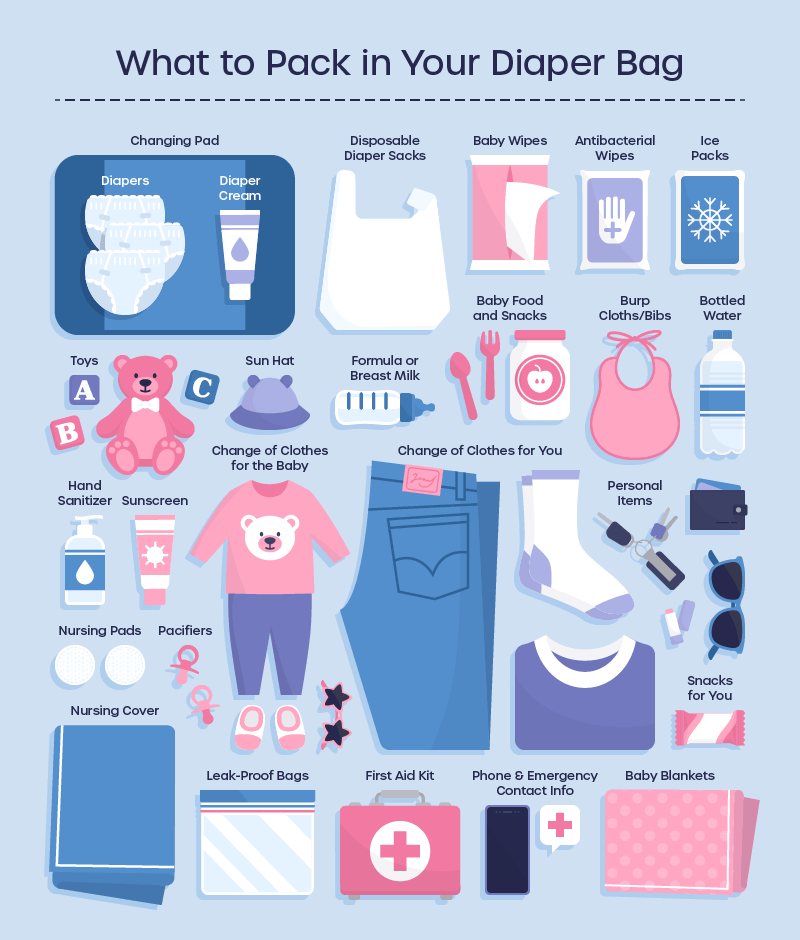
- Diapers: The undeniable primary occupant of any diaper bag. While brand loyalty might develop later, begin with a modest supply of a universally accepted brand or one with good reviews for absorbency and fit. Resist the urge to buy excessive quantities of newborn size, as babies grow rapidly.
- Wipes: Essential for diaper changes and quick clean-ups. Consider bulk purchases for better unit pricing, but ensure the chosen brand is gentle on sensitive skin to avoid costly reactions and product waste.
- Changing Pad: A portable, wipeable changing pad is crucial for hygiene. Many diaper bags come with one, saving an additional purchase. If not, opt for a simple, durable model that can withstand frequent sanitizing.
- Burp Cloths/Muslin Swaddles: Multi-functional and invaluable. These protect clothing from spit-up, serve as makeshift blankets, or even provide a surface for quick changes. Their versatility makes them a cost-effective choice.
- Extra Outfit: Accidents happen. A single, weather-appropriate change of clothes is a must. Avoid overpacking multiple outfits, as this adds unnecessary weight and expense.
- Feeding Supplies: For breastfed babies, this might mean a nursing cover or simply appropriate clothing for the parent. For formula-fed babies, pre-measured formula, sterile water in a bottle, and a clean feeding bottle are critical. Evaluate subscription services or loyalty programs offered by formula manufacturers to manage ongoing costs.
- Diaper Rash Cream: A small travel-sized tube is sufficient. Investing in a trusted brand from the outset can prevent more extensive and expensive dermatological treatments later.
By focusing strictly on these core elements, parents can avoid the common trap of overspending on non-essential “baby gear” that offers minimal practical value in the fast-paced context of an outing. The goal is to ensure readiness without financial strain.
Creating a Realistic Budget for On-the-Go Care
Establishing a specific budget for diaper bag contents, both for initial setup and ongoing replenishment, is a cornerstone of sound personal finance. This involves:
- Categorizing Expenses: Break down diaper bag items into consumables (diapers, wipes, formula) and durables (bag itself, changing pad, bottles).
- Estimating Consumption Rates: Newborns consume diapers and wipes at a surprising rate. Research average daily usage to project monthly costs. For formula, understand the cost per ounce/serving.
- Factoring in Replenishment Frequency: Consumables will require regular repurchasing. Integrate these recurring costs into your monthly household budget, perhaps as a dedicated “baby care” line item.
- Leveraging Sales and Discounts: Be vigilant for sales on high-turnover items like diapers and wipes. Utilize coupons, loyalty programs, and bulk purchase opportunities to reduce your overall expenditure.
A well-defined budget ensures that the diaper bag, a seemingly minor aspect of baby care, does not inadvertently become a drain on family finances.
Maximizing Value: Smart Investments for Your Diaper Bag
Once essential items are identified, the next step is to optimize their acquisition for maximum financial value. This involves strategic choices regarding product multi-functionality, durability, and purchasing methods.
Multi-Functional Products: Reducing Redundancy and Expense
The adage “less is more” holds significant financial weight when stocking a diaper bag. Opting for items that serve multiple purposes reduces the number of items needed, thereby lowering overall costs and decluttering the bag.
- Muslin Swaddles/Blankets: Beyond their primary use, these can function as burp cloths, nursing covers, impromptu changing pad liners, sunshades for strollers, or even comfort items. Investing in a few high-quality, breathable muslin cloths is more economical than buying separate specialized items for each role.
- Wet/Dry Bags: These waterproof zippered bags are invaluable. They store soiled clothes or wet cloth diapers separately from clean items, preventing contamination. They can also hold snacks or small toys as the child grows, extending their utility.
- Diaper Rash Cream: Certain creams are effective not only for preventing and treating diaper rash but also for soothing minor skin irritations or dry patches, making them a versatile item that avoids the need for multiple specialized ointments.
By consciously selecting items with broad utility, parents can significantly cut down on redundant purchases and optimize their financial outlay.
The Quality vs. Quantity Dilemma: Durability for Long-Term Savings
While it might seem counter-intuitive to spend more upfront, investing in higher-quality, durable diaper bag components often leads to long-term financial savings.
- The Diaper Bag Itself: Consider the bag an investment. A well-constructed bag with robust zippers, durable fabric, and smart organization features will withstand daily wear and tear. A cheaper bag might tear, fray, or break quickly, necessitating an early replacement and effectively doubling your cost. Look for bags that can transition from a baby bag to a general tote or travel bag as your child grows, extending its functional life.
- Bottles and Feeding Accessories: If using bottles, high-quality, BPA-free options that are easy to clean and resist wear can last through multiple children or years of use. Cheaper alternatives might warp, leak, or degrade quickly, requiring frequent replacements.
- Portable Changing Pad: While many bags include one, if purchasing separately, opt for a durable, easily washable material that will withstand countless changes without degrading.
The initial higher cost of quality items is often offset by their extended lifespan, reducing the frequency of replacement purchases and contributing to overall financial prudence.
Bulk Buying and Subscription Services: Operational Efficiency
For high-turnover consumables, strategic purchasing methods can yield substantial savings.
- Bulk Buying: Diapers and wipes are prime candidates for bulk purchases. Retailers often offer significant discounts when buying larger quantities. Calculate the ‘per unit’ cost to identify the most economical package size. Ensure you have adequate storage space at home and are confident in the size/brand before committing to a large volume.
- Subscription Services: Many online retailers and baby product companies offer subscription models for diapers, wipes, and formula. These often come with discounts, free shipping, and the convenience of automated delivery. Evaluate the true cost savings and flexibility (e.g., ability to change sizes or pause deliveries) before committing. A well-managed subscription can prevent last-minute, full-price purchases when you suddenly run out of an essential item.

These strategies require a bit of planning but can significantly reduce the recurring expenses associated with keeping a diaper bag stocked.
Avoiding Financial Pitfalls: Common Diaper Bag Overspending Traps
The baby products market is vast and often designed to appeal to the emotional vulnerability of new parents. Recognizing and avoiding common overspending traps is crucial for maintaining financial discipline.
The Allure of “Baby Gadgets”: Differentiating True Needs from Marketing Hype
New parents are frequently targeted with an array of innovative, often expensive, “baby gadgets” promising to simplify life. While some may offer genuine convenience, many are superfluous, adding unnecessary bulk and cost to the diaper bag.
- Wipe Warmers: While seemingly comforting, they are unnecessary for diaper changes on the go and drain batteries or require power sources.
- Specific Diaper Bag Organizers: Many bags come with adequate compartments. Investing in an elaborate separate organizer can be redundant.
- Novelty Toys: While a small, engaging toy is good, a diaper bag is not a toy chest. Overpacking toys often leads to them being unused or lost, representing wasted money.
Before purchasing any “smart” or specialized item, rigorously evaluate its practical utility and whether it genuinely solves a problem that cannot be addressed by simpler, more cost-effective means. Impulse buys driven by clever marketing are a significant drain on nascent family budgets.
Overstocking Syndrome: The Cost of Excess Inventory
A common mistake is to overstock the diaper bag, driven by anxiety about being unprepared. This leads to several financial inefficiencies:
- Wasted Space and Weight: A heavier bag is cumbersome, and excess items reduce space for actual needs.
- Product Expiration/Obsolescence: Diapers, especially newborn sizes, can be outgrown before they are used if too many are carried. Food items can expire.
- Duplication of Purchases: If the bag is so full that items are hard to find, parents might inadvertently buy duplicates of items they already own but cannot locate.
Adopting a “just enough” philosophy means carrying only what is likely to be used for a typical outing, plus one or two contingency items. This prevents financial waste through unused or expired products.
Neglecting Resale Value and Reusability
While not all diaper bag items have resale value, considering it for larger, more durable components can offer a small return on investment. Furthermore, embracing reusable options where practical can yield significant long-term savings.
- Reusable Cloth Diapers/Wipes: If a family is already committed to a cloth diapering system, the diaper bag should be equipped with appropriate wet bags and a few cloth diapers, representing a significant long-term saving compared to disposables.
- Quality Bags and Bottles: As mentioned, a durable diaper bag or high-quality feeding bottles can often be sold second-hand or passed on, recouping a portion of their initial cost.
These considerations foster a mindset of responsible consumption and asset management, even for baby essentials.
Integrating Financial Tools for Seamless Diaper Bag Management
Modern financial planning extends beyond bank accounts and investments; it includes managing everyday expenses and inventories efficiently. Digital tools and contingency planning play a vital role in optimizing the financial aspect of diaper bag management.
Digital Checklists and Inventory Apps: Budgeting and Tracking Assets
Leveraging technology can transform diaper bag packing from a chore into a financially astute process.
- Customizable Checklists: Use a simple note-taking app or a dedicated checklist app to create a comprehensive list of diaper bag essentials. This prevents forgotten items, which often lead to inconvenient and expensive last-minute purchases at premium prices (e.g., buying a single diaper at a gas station).
- Inventory Tracking: For families managing a larger stock of baby supplies at home, an inventory app can help track what’s available and when to reorder. This informs bulk buying decisions and prevents overstocking.
- Expense Tracking: Integrate diaper bag supply purchases into a personal finance app. This allows for a clear overview of how much is being spent on baby care, enabling better budgeting adjustments.
These digital tools provide clarity and control, turning potential financial leakages into manageable, predictable expenses.
Emergency Funds and Contingency Planning
Even with the most meticulous planning, unforeseen circumstances can arise. A financially prepared parent includes a small contingency for such events.
- Emergency Cash Fund: Always carry a small amount of cash in the diaper bag for unexpected needs, such as a vending machine purchase, a small local shop that doesn’t accept cards, or a parking meter. Relying solely on digital payment methods can be risky in certain situations.
- Accessible Payment Method: Ensure a credit or debit card is easily accessible, ideally in a separate, secure compartment within the bag, for larger, unplanned purchases.
- “Diaper Bag Buffer” in Budget: Allocate a small monthly amount within your personal finance budget specifically for unexpected baby-related needs. This buffer provides financial flexibility without derailing overall budget goals.
By combining meticulous planning with a prudent approach to potential emergencies, parents can ensure their diaper bag is not only physically prepared for any outing but also financially sound, reflecting a broader commitment to robust personal finance.
aViewFromTheCave is a participant in the Amazon Services LLC Associates Program, an affiliate advertising program designed to provide a means for sites to earn advertising fees by advertising and linking to Amazon.com. Amazon, the Amazon logo, AmazonSupply, and the AmazonSupply logo are trademarks of Amazon.com, Inc. or its affiliates. As an Amazon Associate we earn affiliate commissions from qualifying purchases.