
The precise timing of Shabbat’s commencement and conclusion is a cornerstone of Jewish observance, dictated by the astronomical cycles of sunset and nightfall. While the core principles remain constant, the methodology for accurately determining these moments in a bustling metropolis like New York City has undergone a significant technological evolution. Far from relying solely on printed calendars, today’s observers leverage a sophisticated array of digital tools and algorithmic precision, transforming how a community stays connected to these vital temporal markers.
The Digital Frontier of Halachic Timings
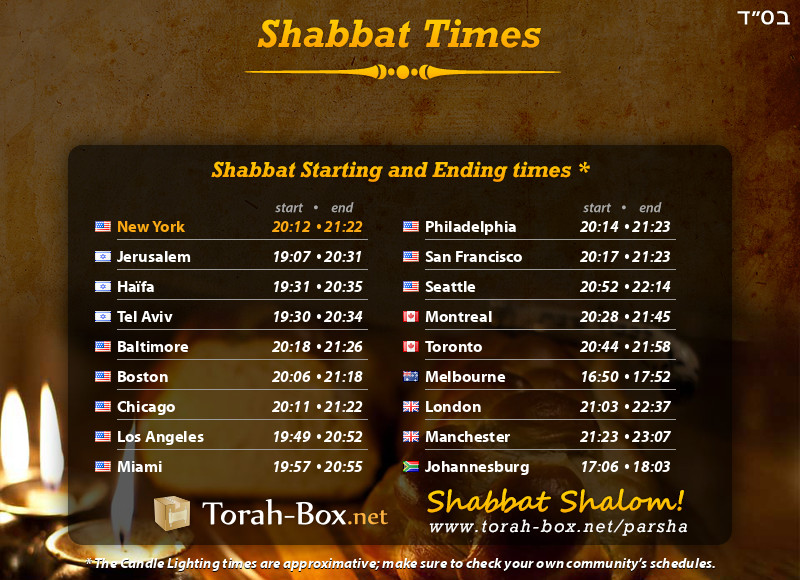
In an increasingly digitized world, the quest for accurate Shabbat times has moved from static, printed schedules to dynamic, personalized digital platforms. This shift represents a powerful convergence of tradition and cutting-edge technology, ensuring that adherents in diverse geographic locations, including the expansive reach of New York City, can meticulously observe religious mandates.
Specialized Applications and Websites
The landscape of digital zmanim (religious times) is rich with dedicated applications and websites designed to provide unparalleled accuracy and convenience. Platforms like MyZmanim, Chabad.org, and the Orthodox Union (OU) offer robust online tools and mobile apps that have become indispensable. These applications integrate GPS functionality, automatically detecting a user’s precise location within New York City’s boroughs, from Manhattan’s grid to the furthest reaches of Staten Island. This location awareness is crucial, as sunset and nightfall can vary by several minutes across a large metropolitan area, even within a few miles. Features often include customizable calculation methods, allowing users to select specific halachic opinions (e.g., various rabbinic interpretations for tzeit hakochavim or “nightfall”) that align with their personal or communal customs. Furthermore, many apps provide push notifications, offering timely reminders for candle lighting, Havdalah, and other critical observances, significantly reducing the cognitive load on busy individuals. These digital assistants streamline the process, replacing the need to consult multiple sources or manually calculate adjustments for daylight saving time, which is seamlessly handled by the software.
Beyond Basic Calendars: The Evolution of Digital Zmanim
The evolution of digital zmanim extends far beyond mere calendar replication. Early digital efforts might have involved static webpages listing times for a given month. Today’s platforms are dynamic, interactive, and intelligent. They account for nuances such as the precise latitude and longitude of specific neighborhoods in New York City, understanding that the sun’s angle and disappearance over the horizon can differ minutely, but meaningfully, from one zip code to another. Moreover, these advanced systems effortlessly manage complex astronomical calculations for leap years, ensuring consistent accuracy year after year. The ability to filter and display times based on minhagim (customs) specific to various Jewish communities within NYC (e.g., Ashkenazi, Sephardic, Chabad, Satmar) further demonstrates the sophistication of these tools, transforming a universal astronomical event into a personalized religious experience, tailored by technology.
The Algorithmic Precision Behind Observance
At the heart of every accurate digital zmanim platform lies a complex interplay of astronomical data, mathematical models, and halachic interpretation. This technological infrastructure ensures that the precise moments for candle lighting, sunset (shkiah), and nightfall (tzeit hakochavim) are determined with scientific rigor, allowing for faithful religious observance.
Astronomical Foundations and Mathematical Models
The calculation of Shabbat times is fundamentally an astronomical exercise. It relies on understanding the Earth’s precise position relative to the sun, the observer’s exact geographic coordinates (latitude and longitude), and the concept of “solar depression angle.” For New York City, this involves pinpointing coordinates like 40.7128° N latitude and 74.0060° W longitude. Algorithms meticulously process these variables, determining the precise moment the upper limb of the sun disappears below the horizon (sunset) and when the sky reaches a specific level of darkness indicating nightfall (often defined by the sun being 8.5, 7.08, 6.45, or fewer degrees below the horizon, depending on the halachic authority). These complex trigonometric calculations, once performed manually by astronomers and rabbis, are now executed in milliseconds by sophisticated software, ensuring up-to-the-second accuracy.
Data Sources and Verification for Religious Accuracy
The reliability of digital zmanim hinges on the quality and authority of its underlying data and calculation methods. Developers often utilize highly accurate, publicly available astronomical ephemeris data (tables of positions of celestial bodies) from sources like NASA or major observatories. This raw data is then fed into algorithms that have been vetted and often endorsed by leading halachic authorities. The process isn’t merely scientific; it also involves ongoing rabbinic consultation to ensure that the mathematical models accurately reflect historical and accepted halachic interpretations. Challenges include accounting for atmospheric refraction, which can slightly alter the apparent position of the sun, and the need for meticulous verification against traditional observation methods to maintain religious fidelity. This dual layer of scientific accuracy and halachic validation is paramount for user trust and widespread adoption.
Customization and Halachic Nuances
A key technological advancement in digital zmanim is the ability for users to customize calculations based on various halachic opinions. Different rabbinic schools of thought may interpret the precise definition of shkia (sunset) or tzeit hakochavim (nightfall) differently, leading to variations of several minutes. For example, some follow the opinion of Rabbeinu Tam, which places nightfall significantly later than other views, while others adhere to the Magen Avraham. Modern zmanim apps provide dropdown menus or settings that allow users to select their preferred shiur (measurement or opinion). This feature is not just about convenience; it is a critical component of halachic integrity, enabling individuals and communities within New York City to observe Shabbat according to their specific traditions, all facilitated by flexible, user-centric software design.

Integrating Shabbat into the Smart Home Ecosystem
As smart home technology becomes ubiquitous, its potential to assist with Shabbat preparation and observance, within halachic guidelines, is increasingly explored. While strict halacha prohibits operating electrical devices during Shabbat itself, smart home systems offer innovative ways to manage pre-Shabbat preparations in New York City households.
Automated Lighting and Appliance Management
The most immediate application of smart home technology for Shabbat observance in NYC homes is the automation of lighting and appliances. Smart plugs and Wi-Fi-enabled light bulbs can be programmed to switch on or off before Shabbat, based on the precise zmanim provided by integrated digital calendars. This eliminates the need for manual timers, which can be less precise or require frequent adjustment. For instance, lights in various rooms can be set to illuminate gradually before candle lighting, creating a serene pre-Shabbat atmosphere without requiring direct interaction. Similarly, appliances like slow cookers or hot water urns, which might need to be active before Shabbat, can be reliably managed by smart switches configured to the exact zmanim, ensuring they are operating as desired when Shabbat commences. This pre-Shabbat automation enhances convenience and ensures compliance without transgressing prohibitions.
Digital Assistants and Voice Commands for Zmanim
The integration of digital assistants like Amazon Alexa, Google Assistant, or Apple’s Siri with zmanim data represents a hands-free revolution in accessing vital information. Imagine a busy New Yorker preparing for Shabbat, hands deep in challah dough, who can simply ask, “Hey Google, what time does Shabbat start in New York City?” and receive an immediate, accurate vocal response pulled from connected zmanim services. These digital assistants can be configured with location services to provide hyper-local times, often cross-referencing with reputable halachic sources. This instant, audible information eliminates the need to consult a phone screen or physical calendar, proving invaluable in the rush leading up to Shabbat and offering an accessible way for everyone in the household to stay informed.
The Ethical and Halachic Considerations of Tech Integration
The intersection of smart home technology and religious observance inevitably raises ethical and halachic questions. While automation for pre-Shabbat preparation is generally accepted, the core principle remains that no electrical devices should be actively operated during Shabbat itself. Therefore, smart home solutions must be carefully implemented to avoid any unintended chillul Shabbat (desecration of Shabbat). Discussions within halachic circles often center on the definition of “pre-programmed” versus “active control” and the permissibility of systems that operate independently once set. Manufacturers and developers of Shabbat-friendly tech, particularly those targeting the observant Jewish market in New York City, are increasingly engaging with rabbinic authorities to ensure their products comply with strict halachic standards, providing solutions that enhance observance rather than posing conflicts.
The Future of Shabbat Tech: Innovation and Community
The technological advancements in determining and communicating Shabbat times are continually evolving. The future promises even more personalized, predictive, and community-driven solutions, further embedding technology as an indispensable aid for observance.
Personalized Zmanim with Predictive Analytics
Looking ahead, AI and machine learning could introduce personalized zmanim experiences. Beyond simply selecting a halachic opinion, future applications might analyze user habits, local weather patterns, or even community-specific announcements to offer hyper-optimized or predictive insights. For instance, an AI could learn a user’s typical candle lighting ritual and proactively suggest a slightly earlier time on a particularly dark winter evening, ensuring ample preparation. Predictive analytics might also anticipate unusual celestial events or local conditions that could affect zmanim, providing pre-emptive alerts to users in New York City. This level of personalization would move beyond static data presentation to intelligent, responsive guidance.
Community-Driven Platforms and Real-Time Updates
The power of technology can also strengthen communal observance. Future platforms might incorporate features that allow local synagogues, community centers, or rabbinic authorities in New York City to push real-time updates directly to congregants’ devices. This could include slight adjustments to zmanim for specific community-wide events, last-minute announcements regarding minyan (prayer quorum) times, or even alerts about local eruv (ritual enclosure) status. Such platforms would foster a more cohesive and informed community, ensuring everyone is synchronized with local practices and any emergent changes, enhancing the sense of shared observance through digital connectivity.
Wearable Tech and Ambient Information
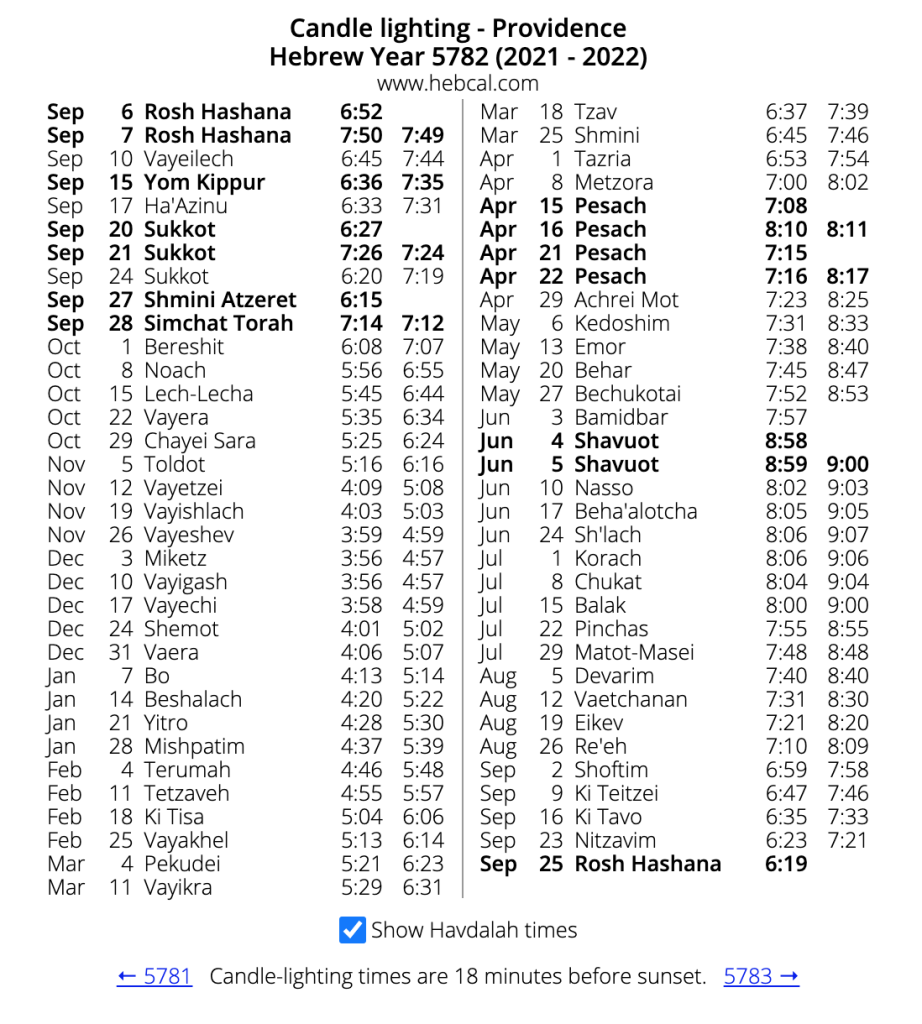
Wearable technology, such as smartwatches, offers a discreet and highly convenient way to access zmanim. Imagine a quick glance at a wrist for the exact candle lighting time, or even subtle haptic feedback (a gentle vibration) as Shabbat approaches or concludes. This ambient delivery of crucial information minimizes disruption, allowing individuals to remain engaged in their activities while staying effortlessly connected to their religious timetable. Future integrations could see zmanim displayed on smart glasses or even integrated into smart textiles, providing unobtrusive visual or tactile cues. These innovations aim to make Shabbat observance as seamlessly integrated into daily life as possible, leveraging technology to serve timeless tradition.
aViewFromTheCave is a participant in the Amazon Services LLC Associates Program, an affiliate advertising program designed to provide a means for sites to earn advertising fees by advertising and linking to Amazon.com. Amazon, the Amazon logo, AmazonSupply, and the AmazonSupply logo are trademarks of Amazon.com, Inc. or its affiliates. As an Amazon Associate we earn affiliate commissions from qualifying purchases.