
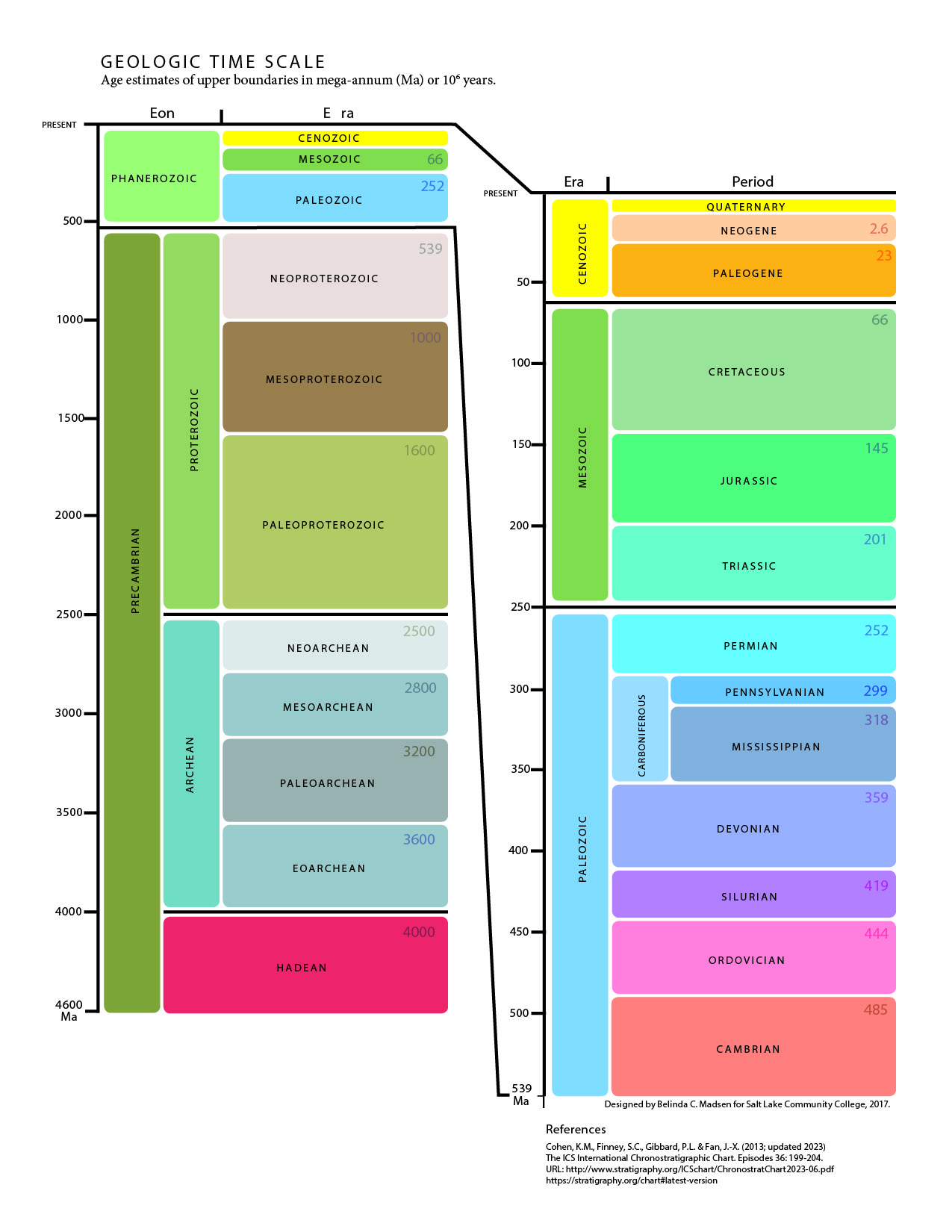
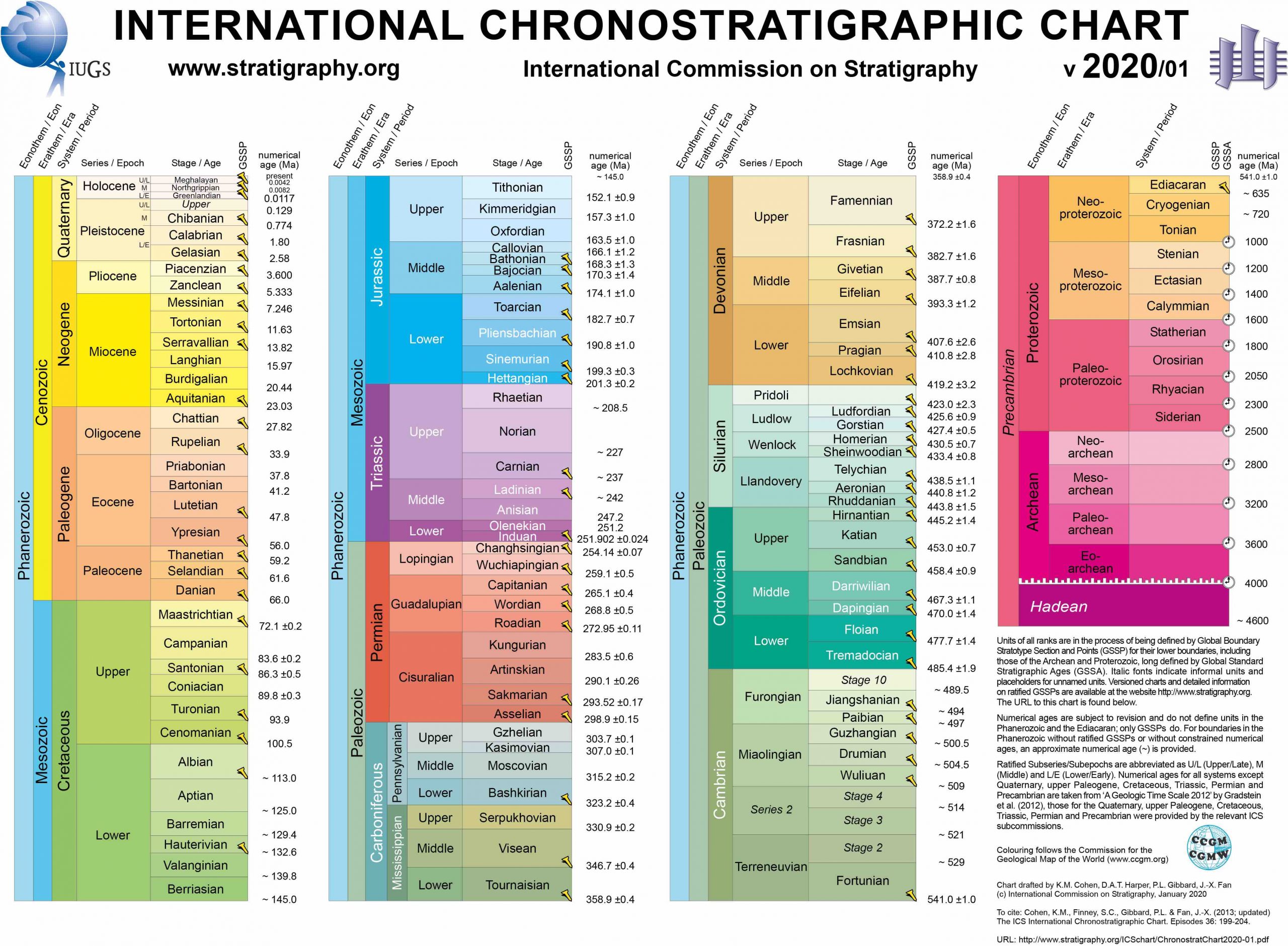
Every geological period, from the Proterozoic to the present Cenozoic, is a testament to Earth’s ceaseless dynamic nature. While scientists categorize these immense spans by distinct rock layers and fossil records, the underlying physical processes that shape our planet are surprisingly consistent. These fundamental forces, often perceived as purely scientific phenomena, exert profound and often underappreciated influences on global economies, investment strategies, resource markets, and even personal financial planning. Understanding these three core geological processes – deposition, tectonism, and erosion – not merely as abstract scientific concepts but as drivers of wealth creation, risk, and opportunity, offers a critical perspective for finance professionals, investors, and business leaders.
The Financial Geology of Deposition: Building Wealth from Accumulation
Deposition, the process by which sediments, organic matter, and dissolved minerals accumulate in various environments, is a silent architect of immense financial value. Over geological timescales, what begins as simple layering of material transforms into critical resources that underpin modern economies. This accumulation process dictates where and how some of the planet’s most valuable commodities are formed and found, directly impacting investment landscapes and supply chains.
Fueling Economies: The Role of Sedimentary Basins
The most direct and globally significant financial impact of deposition is the formation of fossil fuels. Oil, natural gas, and coal, which have powered industrial revolutions and continue to be central to energy markets, are products of organic matter deposition over millions of years. When ancient plants and marine organisms die, their remains settle and are buried under subsequent layers of sediment. Under specific conditions of heat and pressure, this organic material transforms into hydrocarbons. Sedimentary basins around the world, areas where deposition has occurred consistently and extensively, are therefore prime targets for exploration and extraction.
Investment in the energy sector is inextricably linked to the understanding and exploration of these depositional environments. Companies spend billions on seismic surveys, drilling, and infrastructure development, all predicated on geological models that predict the location and extent of these buried energy resources. The financial performance of energy giants, the stability of national economies reliant on oil exports, and the volatility of global commodity markets are all, at their core, reflections of the success and challenges in discovering and extracting resources formed through deposition. Furthermore, the transition to renewable energy sources, while vital, does not negate the historical and current financial leverage derived from these geologically deposited assets.
Mineral Wealth from Accumulated Layers
Beyond fossil fuels, deposition also leads to the formation of numerous economically significant mineral deposits. Evaporite deposits, formed when saline waters evaporate, yield minerals like salt, gypsum, and potash. Potash, for instance, is a crucial component of agricultural fertilizers, directly impacting global food security and the financial health of the agricultural sector. Companies involved in mining and supplying potash contribute significantly to the materials market and play a vital role in the global supply chain for food production.
Similarly, some iron ores, phosphate deposits, and even certain types of uranium deposits owe their origin to specific depositional processes. The economic viability of a mining operation often hinges on the concentration and accessibility of these deposits, which are direct consequences of their depositional history. Investors tracking the mining sector or commodities markets must appreciate that the availability and grade of these materials are not random but are a direct result of geological processes spanning eons, particularly the mechanisms of sedimentation and chemical precipitation. The long-term financial planning for nations and corporations alike must factor in the finite nature and geological context of these deposited resources.
Tectonic Forces and Their Economic Repercussions
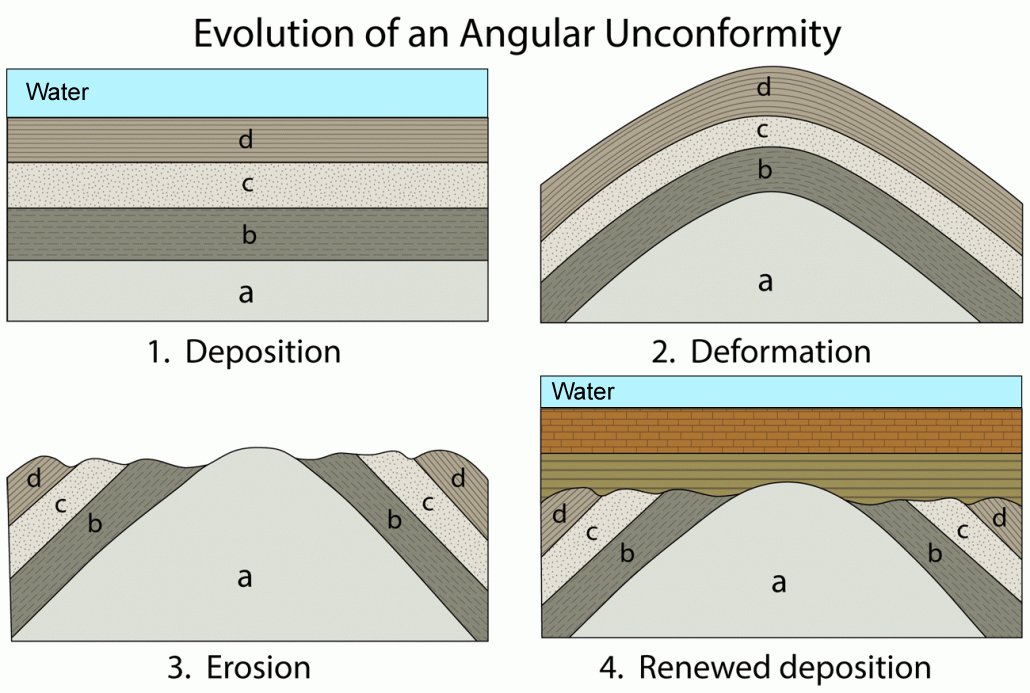
Tectonism, encompassing the large-scale movement and deformation of Earth’s crust, including plate tectonics, faulting, and folding, is a powerful shaper of geological periods and, consequently, global economies. These colossal forces, often manifesting in dramatic events like earthquakes and volcanic eruptions, also quietly influence the distribution of mineral wealth, dictate infrastructure development costs, and shape the very landscape upon which economic activity occurs.
Resource Concentration and Extraction Opportunities
Tectonic activity is a primary driver for the formation and concentration of many valuable metallic mineral deposits. For example, the intense heat and pressure associated with subduction zones and volcanic arcs generate hydrothermal fluids that leach metals from surrounding rocks and redeposit them in concentrated veins. This process is responsible for many of the world’s copper, gold, silver, and lead-zinc deposits. The “Ring of Fire,” a tectonically active belt encircling the Pacific Ocean, is not only prone to earthquakes and volcanoes but is also one of the richest regions globally for these types of mineral resources.
Investment in the mining industry often targets regions characterized by past or present tectonic activity. Understanding the specific tectonic settings that favor different types of mineralization is a core competency for geological consultants advising mining companies and investors. The financial success of major mining projects in countries like Chile (copper), Indonesia (gold, copper), or Canada (various metals) is intimately tied to the unique tectonic history that concentrated these valuable resources within their crust. Moreover, the tectonic folding and faulting of rock layers can create structural traps for oil and gas, complicating or enhancing extraction efforts, thereby directly influencing the profitability of hydrocarbon ventures.
Managing Geological Risks and Infrastructure Investment
While tectonism creates opportunities, it also presents significant financial risks. Earthquakes, tsunamis, and volcanic eruptions, direct consequences of plate tectonics, can cause catastrophic property damage, disrupt supply chains, and lead to substantial economic losses. Industries ranging from insurance to construction, and national economies, must factor in these geological hazards. For instance, countries in active seismic zones invest heavily in earthquake-resistant infrastructure, early warning systems, and disaster preparedness, all of which represent significant budget allocations and business opportunities for specialized engineering firms.
The economic resilience of a region often depends on its capacity to mitigate and recover from tectonic events. Insurance premiums in high-risk areas reflect the underlying geological volatility, directly impacting personal finance and business operating costs. Investors evaluating real estate or long-term infrastructure projects in tectonically active regions must conduct thorough due diligence on geological risk assessments. Furthermore, geothermal energy, a renewable power source derived from Earth’s internal heat, is a direct economic benefit emerging from specific tectonic settings, presenting investment opportunities in sustainable energy.
Erosion and Weathering: Shaping Value and Risk
Erosion and weathering, the processes that break down rocks and transport the resulting material, are often seen as destructive forces. Yet, over geological periods, they are fundamental in shaping landscapes, creating fertile soils, and concentrating valuable resources in accessible forms. Their financial implications are vast, influencing agricultural productivity, land values, resource accessibility, and the ongoing costs of environmental management.
Agricultural Foundations and Land Appreciation
Weathering, the initial breakdown of rock, creates the raw material for soil formation. Erosion then transports and deposits this material, often in river valleys and floodplains, forming highly fertile agricultural lands. The productivity of these soils is a cornerstone of global food production and thus a direct determinant of agricultural commodity prices, farm incomes, and the financial health of food-processing industries. The Nile Delta, the Mississippi River floodplain, and the Ganges Plain are just a few examples of regions whose agricultural wealth and sustained land value are direct legacies of extensive weathering and depositional erosion.
The value of land, whether for agriculture, development, or conservation, is intrinsically linked to its geological history, particularly the processes of erosion and weathering. Fertile land commands higher prices and generates greater returns. Conversely, areas with poor soil development due to insufficient weathering or excessive erosion can be economically marginal. Real estate investors and developers must consider the geological context of land, understanding how past and ongoing erosional processes affect soil stability, drainage, and long-term utility.
From Placer Deposits to Disaster Preparedness
Erosion also plays a crucial role in concentrating certain valuable minerals. As rivers transport weathered material, denser minerals like gold, diamonds, and platinum can settle out in “placer deposits” in riverbeds or coastal zones. Historically, these deposits were among the first sources of these precious commodities, driving early economies and investment in exploration. Today, while hard-rock mining is more prevalent, placer deposits still contribute to the global supply of these high-value minerals and represent accessible targets for small-scale mining operations and niche investors.
However, unchecked erosion can lead to significant financial costs. Soil erosion degrades agricultural land, reducing yields and increasing the need for costly fertilizers or land remediation. Coastal erosion threatens valuable beachfront property and infrastructure, necessitating expensive protection measures like seawalls and beach replenishment projects. Landslides, often triggered by heavy rainfall on weathered and eroded slopes, cause property damage, disrupt transport links, and lead to substantial clean-up and reconstruction costs.
Businesses and governments invest heavily in erosion control measures, such as reforestation, terracing, and drainage improvements, to protect assets and maintain economic productivity. The financial planning for environmental protection and disaster resilience must account for these ongoing geological processes, transforming them from abstract scientific concepts into tangible budget line items and investment opportunities in areas like environmental engineering and sustainable land management.
In conclusion, the three fundamental geological processes—deposition, tectonism, and erosion—are not merely academic curiosities. They are powerful, enduring forces that have profoundly shaped and continue to shape global economies. From determining the location and abundance of energy and mineral resources to influencing agricultural productivity, land value, and infrastructure resilience, these geological periods’ core processes are deeply intertwined with financial success and risk. A comprehensive understanding of these processes is therefore not just for geologists but for anyone navigating the complex and dynamic world of finance and business.
aViewFromTheCave is a participant in the Amazon Services LLC Associates Program, an affiliate advertising program designed to provide a means for sites to earn advertising fees by advertising and linking to Amazon.com. Amazon, the Amazon logo, AmazonSupply, and the AmazonSupply logo are trademarks of Amazon.com, Inc. or its affiliates. As an Amazon Associate we earn affiliate commissions from qualifying purchases.